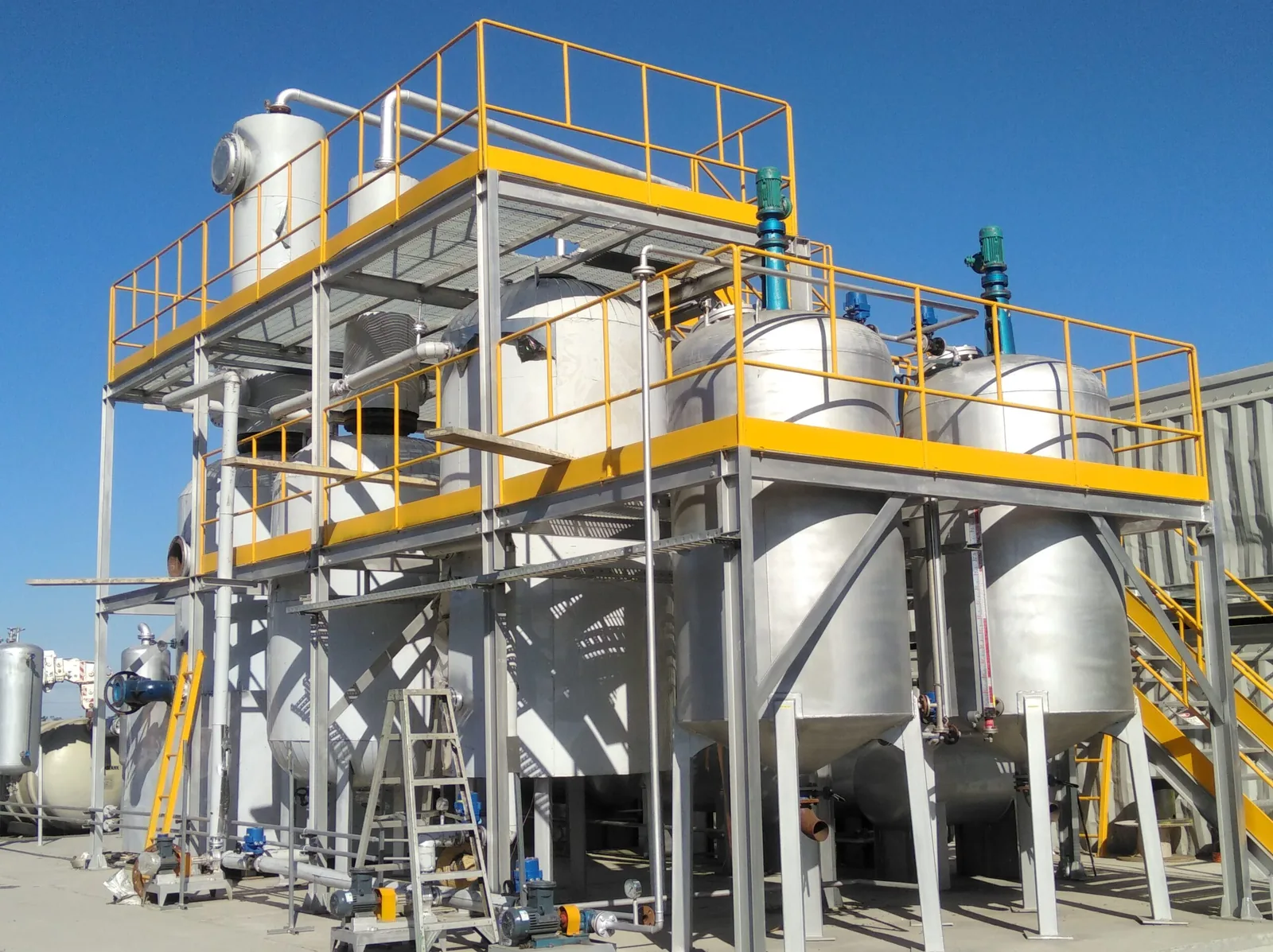





Как выбрать установку для переработки отработанного масла в дизельное топливо или базовое масло
Выбор оборудования для переработки отработанного масла — это не только вопрос производительности или цены. Для большинства промышленных покупателей правильный выбор оборудования зависит от источника отработанного масла, целевого конечного продукта, требуемого качества масла, метода нагрева, условий на площадке, местных экологических требований и долгосрочного плана эксплуатации.
Оборудование, используемое для производства дизельного топлива из отработанного масла, не всегда идентично системе, предназначенной для извлечения базовых масел. Даже если в обеих системах используется дистилляция, технологический маршрут, глубина очистки, вспомогательное оборудование и требования к контролю качества могут различаться.
Покупателям, сравнивающим оборудование для переработки отработанного масла, первым шагом следует чётко определить проект: какое отработанное масло будет перерабатываться, какой конечный продукт требуется и как будет использоваться или реализовываться восстановленное масло.
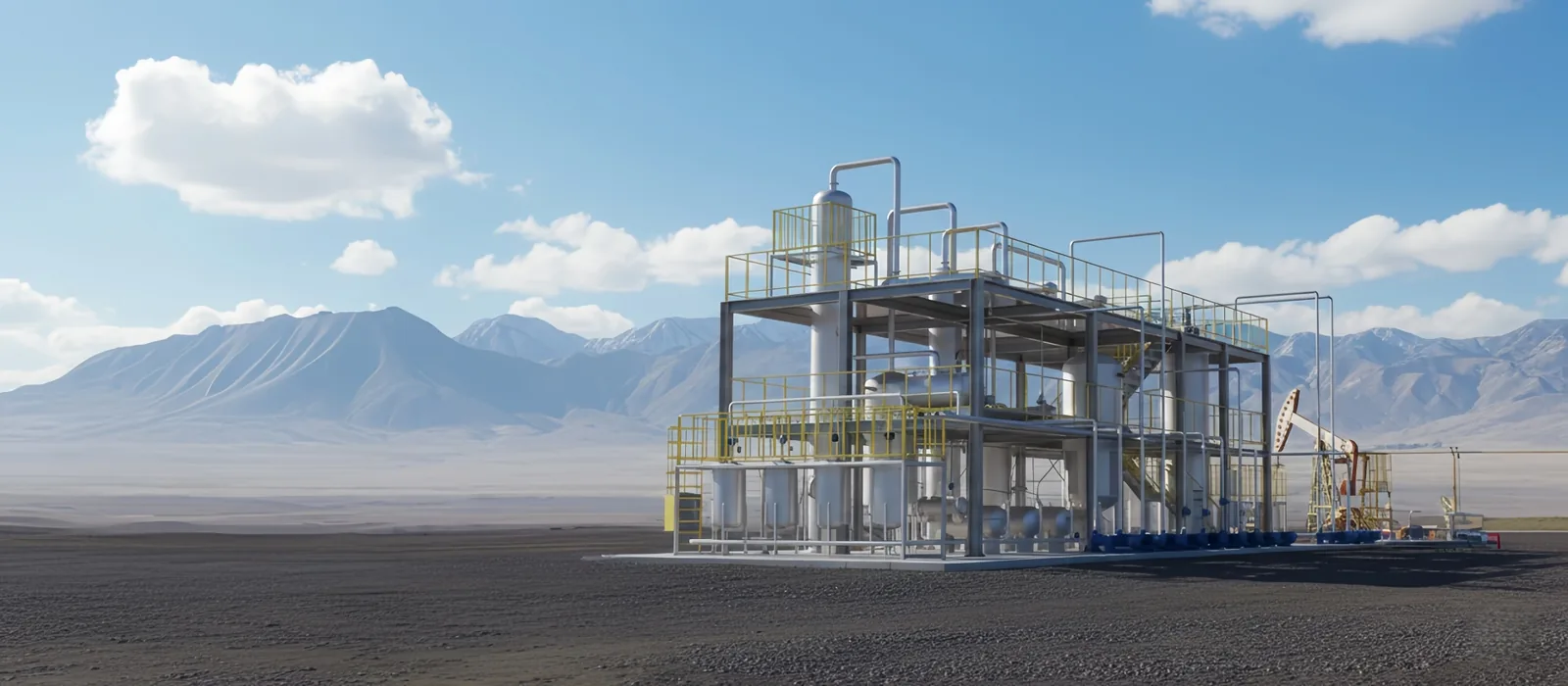
1. Начнем с конечного продукта: дизельное топливо или базовое масло?
Наиболее важным решением является конечная целевая продукция. Перед сравнением моделей машин покупателям следует уточнить, предназначен ли проект для производства дизельного топлива, переработанного базового масла, промышленного мазута или очищенного масла для дальнейшей переработки.
Если целевым продуктом является фракция дизельного диапазона, основное внимание уделяют дистилляции, конденсации, отбору фракций, снижению запаха, улучшению цвета и испытаниям продукта. Применение в котлах, горелках, стационарных генераторах, системах промышленного отопления и других установках допускается только с учётом результатов испытаний, требований оборудования и местных норм.
Если целевым продуктом является базовое масло, может потребоваться иная схема очистки. В таких проектах учитывают диапазон вязкости, цвет, запах, удаление примесей, стабильность и соответствие испытанного продукта спецификации, необходимой для смешения смазочных материалов или дальнейшей обработки.
В проектах по получению фракций дизельного диапазона следует оценить необходимость комплектной комплексную установку для получения топливных фракций из отработанного масла а не только отдельного дистилляционного блока. Для проектов по базовому маслу предложение должно основываться на подходящей установки получения базового масла из отработанного масла, включая необходимые стадии очистки и систему обращения с конечным продуктом.
2. Проверьте тип отработанного масла и стабильность сырья
Тип отработанного масла напрямую влияет на выбор оборудования. Отработанное моторное и смазочное масло, гидравлическое, трансмиссионное, судовое, трансформаторное и промышленное масло, а также их смеси по-разному ведут себя при нагреве, обезвоживании, дистилляции и фильтрации.
Отработанное моторное масло часто содержит углеродистый остаток, металлические частицы, разрушенные присадки, воду, шлам и продукты окисления. У отработанного гидравлического масла могут отличаться вязкость и состав загрязнений. Смеси из разных источников требуют более тщательной предварительной обработки из-за нестабильности сырья.
Перед выбором установки для переработки отработанного масла покупателям следует уточнить:
- Какие виды отработанного масла будут перерабатываться?
- Отработанное масло поступает из одного стабильного источника или из нескольких?
- Содержит ли масло воду, осадок, твердые частицы или тяжелые примеси?
- Будут ли различные масла смешиваться перед обработкой?
- Достаточно ли стабильны поставки сырья для ежедневного производства?
Если состояние исходного масла нестабильно, системе может потребоваться более интенсивная предварительная обработка, фильтрация, обезвоживание или удаление остатков. Выбор оборудования только по производительности без проверки качества исходного сырья может привести к низкому выходу масла, нестабильному качеству конечного продукта, трудностям в эксплуатации и более частому техническому обслуживанию.
3. Подтвердите необходимость предварительной обработки.
Предварительная обработка часто игнорируется на ранних этапах сравнения оборудования, но она может существенно повлиять на эффективность всей системы рециркуляции. Отработанное масло с высоким содержанием воды, осадка, взвешенных твердых частиц или сильным загрязнением может быть непригодно для прямой дистилляции.
Предварительная обработка может включать в себя:
- Осаждение и грубая фильтрация
- Удаление воды
- Отделение осадка
- Фильтрация примесей
- Предварительный нагрев перед перегонкой.
- гомогенизация сырья
Для некоторых проектов система очистки масла Это может потребоваться до или после основного процесса переработки. Это особенно актуально, когда покупателю необходимо уменьшить содержание воды, частиц, взвешенных примесей или повысить стабильность масла перед дальнейшей переработкой.
Покупателям не следует рассматривать предварительную обработку как необязательную опцию без предварительной оценки. Если отработанное масло загрязнено, нестабильно или собрано из разных источников, предварительная обработка может быть необходима для непрерывной и стабильной работы.
4. Выберите подходящую вычислительную мощность.
Выбор мощности переработки следует основывать на фактическом объеме отработанного масла, рабочем времени, целевом объеме производства и планах будущего расширения. Для ограниченного сбора отработанного масла в регионе может быть достаточно небольшой периодической системы, в то время как для коммерческого проекта по переработке может потребоваться более крупная непрерывная система.
Покупатели должны предоставлять информацию о производственных мощностях в понятном формате:
- Тонны в день
- Литры в день
- Тонны на партию
- Ежемесячный объем отработанного масла
- Годовой показатель переработки
- Ожидаемое количество рабочих часов в день
Системы производительностью 5 и 30 тонн в сутки различаются не только размером аппарата, но и тепловой мощностью, размером конденсатора, вакуумной системой, потребностью в охлаждении, резервуарами приёма продукта, уровнем автоматизации, площадью монтажа и требованиями к персоналу.
Если точная модель ещё не выбрана, лучше сообщить доступный объём отработанного масла и график работы. Тогда поставщик сможет рекомендовать обоснованную производительность, а не просто подобрать приблизительное значение.
5. Сравните пакетный и непрерывный режимы работы.
Оборудование для переработки отработанного масла может быть разработано для периодической или непрерывной работы. Правильный выбор зависит от масштаба проекта, стабильности исходного сырья, имеющегося персонала и предполагаемого графика производства.
| Тип операции | Подходящая ситуация | Основные соображения |
|---|---|---|
| Периодический режим | Небольшие или средние проекты, гибкое сырье, низкие первоначальные инвестиции | Требуется циклы пакетной загрузки, нагрева, дистилляции, охлаждения и выгрузки. |
| Непрерывный режим | Более крупные проекты, стабильные поставки отработанного масла, более длительный рабочий день. | Требуется более полный контроль над технологическим процессом, стабильность исходного сырья и более высокая координация системы. |
Системы периодического действия могут быть проще для начинающих операторов, но они могут не подходить для крупномасштабного непрерывного производства. Системы непрерывного действия могут повысить эффективность производства, но обычно требуют более полной конфигурации и лучшего управления подачей сырья, нагревом, охлаждением и выгрузкой остатков.
Перед выбором покупатели должны уточнить, будет ли установка работать периодически, ежедневно или в несколько смен. Эта информация гораздо полезнее, чем просто запрос самой низкой цены на оборудование.
6. Оцените требуемое конечное качество масла.
Требования к качеству конечного продукта напрямую влияют на конфигурацию оборудования. Для топлива внутреннего промышленного применения может не требоваться такая же глубина очистки, как для базового масла, предназначенного для смешения смазочных материалов.
Покупателям следует уточнить следующие требования:
- Окончательный цвет масла
- Контроль запахов
- Предельные значения для воды и примесей
- Цель по температуре вспышки
- Требования к контролю содержания серы
- Диапазон вязкости
- Предполагаемое применение конечного продукта
- Требования местного рынка или регулирующих органов
Для продукта дизельного диапазона оценивают характеристики горения, запах, цвет и стабильность при хранении, однако разрешённое применение должно подтверждаться испытаниями продукта, требованиями изготовителя оборудования и местными нормами. Для получения базового масла могут потребоваться более глубокая очистка, улучшение цвета, снижение запаха, финишная фильтрация и испытания по целевой спецификации.
В некоторых проектах, связанных с базовыми маслами, это актуально для некоторых компаний., оборудование для рафинирования экстракцией растворителем, Этот вариант может быть рассмотрен, когда покупателю требуется более выраженное улучшение цвета, лучший контроль запаха и более стабильное качество конечного масла.
7. Ознакомьтесь с методом нагрева.
Выбор метода отопления влияет на эксплуатационные расходы, контроль температуры, эффективность производства, планировку площадки, безопасность и соответствие местным требованиям. В зависимости от доступности энергии и местных затрат на разных объектах могут использоваться различные системы отопления.
К распространенным вариантам отопления относятся:
- Электрическое отопление
- Нагрев дизельной горелкой
- Отопление на мазуте
- Отопление природным газом
- Система отопления на тепловом масле
Электрический нагрев может быть проще в управлении и подходить для некоторых небольших систем, но он может быть неэкономичным в регионах с высокими ценами на электроэнергию. Горелочный нагрев может быть более практичным для крупных производственных мощностей, где доступно мазут, дизельное топливо или газ. Нагрев с использованием термомасла может быть выбран, когда важны стабильная теплопередача и контроль температуры.
Перед подтверждением предложения покупатели должны сообщить поставщику, какие источники энергии доступны на объекте и ограничивают ли местные правила использование каких-либо методов отопления.
8. Проверьте конструкцию систем охлаждения, конденсации и приема масла.
Дистилляция — лишь один из этапов переработки. Пары необходимо правильно конденсировать, а фракции собирать и разделять. Конструкция системы охлаждения и приёма продукта влияет на извлечение фракций, стабильность работы и безопасность.
Покупателям следует уточнить, включает ли система:
- Подходящая емкость конденсатора
- Система охлаждения или градирня
- Резервуары приёма фракций
- Система разделения лёгких и тяжёлых фракций
- Вакуумная система, если требуется
- Контроль температуры и давления
- Безопасное обращение с парами масла
В предложении с низкой ценой может быть указана только стоимость основного дистилляционного блока, без учета важных вспомогательных систем. При сравнении поставщиков покупателям следует проверять полный комплект оборудования, а не сравнивать только цену основной машины.
9. Учитывайте вопросы обращения с отходами и технического обслуживания.
В процессе переработки отработанного масла образуются остатки, шлам или тяжелые фракции в зависимости от исходного сырья и технологического процесса. Вопросы утилизации остатков следует учитывать перед выбором оборудования, поскольку они влияют на работу оборудования, частоту очистки, трудозатраты и соответствие экологическим нормам.
Покупателям следует подтвердить:
- Способ выгрузки остатка
- Как часто необходимо проводить уборку?
- Используется ли ручная или механическая разрядка
- Как следует собирать и хранить осадок
- Необходимо ли соблюдать местные правила при утилизации отходов?
- Какие детали требуют регулярной замены?
Оборудование, которое трудно чистить, может привести к простоям, нехватке рабочей силы и увеличению долгосрочных эксплуатационных расходов. При реализации промышленных проектов удобство технического обслуживания следует учитывать наряду с производительностью и ценой.
10. Подберите оборудование в соответствии с местными условиями.
Место проведения проекта влияет на планировку, установку, эксплуатацию и последующее техническое обслуживание. Для полного проекта по переработке отработанного масла может потребоваться место для хранения сырого масла, предварительной обработки, дистилляции, конденсации, охлаждения, окончательного хранения масла, обработки остатков и систем управления.
Полезная информация о сайте включает:
- Доступный размер мастерской
- Внутренняя или наружная установка
- Источник питания и напряжение
- Наличие водоснабжения и охлаждающей воды.
- Состояние вентиляции
- Состояние фундамента
- местоположение резервуара для хранения
- Доступ для транспортировки и установки.
- Местный климат и температура окружающей среды
Фотографии, чертежи компоновки или простые эскизы могут помочь поставщику оценить, подходит ли стандартная компоновка или необходимо скорректировать расположение оборудования.
11. Подтвердите требования по охране окружающей среды и безопасности.
Переработка отработанного масла включает в себя нагрев, испарение масла, дистилляцию, сброс остатков и, возможно, контроль выбросов или запахов. Перед выбором оборудования следует обсудить местные экологические требования и требования безопасности.
Покупателям следует уточнить, требуется ли для проекта следующее:
- Обработка выбросов
- Контроль запахов
- Обработка сточных вод
- Планирование утилизации отходов
- Проектирование пожарной безопасности
- Взрывозащищенные электрические компоненты, если применимо.
- Местные документы, подтверждающие соответствие экологическим требованиям.
На некоторых рынках экологическое разрешение не является второстепенным вопросом. Оно может определять, можно ли законно установить и эксплуатировать проект. Если у покупателя уже есть местные требования по соблюдению нормативных требований, их следует сообщить до окончательного выбора оборудования.
12. Внимательно сравните объем предложения.
Два поставщика могут указывать одинаковую производительность, но фактический набор оборудования может существенно отличаться. В одном предложении может быть указан только основной дистилляционный блок, а в другом — система предварительной обработки, вакуумная система, конденсатор, градирня, резервуары для масла, насосы, система управления, монтажная поддержка и запасные части.
При сравнении предложений покупателям следует проверить следующее:
- Указанная производительность основана на фактическом количестве отработанных часов?
- Включает ли смета оборудование для предварительной обработки?
- Включает ли это конденсатор и систему охлаждения?
- Включены ли в стоимость резервуары, насосы и трубопроводы?
- Система управления ручная, полуавтоматическая или на основе ПЛК?
- Входят ли в комплект запасные части?
- Включена ли в стоимость поддержка по установке или вводу в эксплуатацию?
- Включены ли экспортная упаковка и конфигурация напряжения?
Более низкая цена не обязательно означает более выгодное вложение, если при этом исключаются важные системы. Покупателям следует сравнивать полную конфигурацию технологического процесса, а не только название оборудования.
13. Выберите поставщика, оказывающего практическую поддержку проекта.
Для производства оборудования для переработки отработанного масла требуется нечто большее, чем просто производственные мощности. Поставщик должен понимать особенности оценки сырья, выбора технологического процесса, монтажа, обучения персонала работе, устранения неполадок, наличия запасных частей и последующего расширения производственных мощностей.
Покупателям следует оценить, может ли поставщик обеспечить следующие возможности:
- Анализ сырья и рекомендации по технологическим процессам.
- выбор маршрута: дизельное топливо или базовое масло
- Обсуждение компоновки оборудования
- Электрическая и отопительная конфигурация
- Рекомендации по монтажу
- Обучение операторов
- Поставка запасных частей
- Послепродажная техническая поддержка
Для покупателей, приобретающих оборудование впервые, эта поддержка может быть столь же важна, как и само оборудование. Подходящая машина все равно нуждается в правильной эксплуатации, надлежащем техническом обслуживании и настройке процесса в соответствии с реальным состоянием отработанного масла.
Контрольный список для выбора покупателями
| Точка выбора | Что должны подтвердить покупатели |
|---|---|
| Готовый продукт | Топливо, похожее на дизельное топливо, базовое масло, промышленное топливо или очищенное масло. |
| Тип отработанного масла | Моторное, смазочное, гидравлическое и судовое масло, а также смеси отработанных масел |
| Качество сырья | Вода, осадок, твердые вещества, вязкость, сера, кислотное число, стабильность |
| Производительность | тонны в день, литры в день, рабочие часы, месячный объем поставок |
| Режим работы | Пакетная или непрерывная работа |
| Предварительная обработка | Фильтрация, обезвоживание, удаление примесей, подготовка сырья. |
| Метод нагрева | Электроэнергия, дизельное топливо, мазут, газ, тепловая мазутная смесь. |
| Конечное качество масла | Цвет, запах, температура вспышки, содержание воды, применение, местный стандарт |
| Вспомогательные системы | Конденсатор, вакуумная система, градирня, резервуары, насосы, трубопроводы |
| Состояние участка | Размеры мастерской, электроснабжение, водоснабжение, вентиляция, фундамент. |
| Нормативное соответствие | Контроль выбросов, контроль запахов, пожарная безопасность, экологическая безопасность |
| Поддержка поставщика | Монтаж, обучение, запасные части, устранение неполадок, поддержка при расширении. |
Выбор подходящего оборудования для переработки отработанного масла должен основываться на полных условиях проекта, а не только на производительности или цене. Покупателям следует сначала определить, предназначен ли проект для переработки дизельного топлива, базовых масел, промышленного мазута или дальнейшей очистки. Затем необходимо оценить качество отработанного масла, производительность, режим работы, метод нагрева, требования к конечному продукту, условия на площадке и требования к соответствию местным нормативным требованиям.
Для продукта дизельного диапазона технологическая схема должна предусматривать дистилляцию, конденсацию, отбор фракций и испытания применительно к предполагаемому использованию. Для получения базового масла могут потребоваться более глубокая очистка, улучшенная фильтрация, контроль цвета и испытания по целевой спецификации. При высоком содержании воды, шлама или примесей следует также оценить необходимость предварительной обработки и очистки.
Четкое описание проекта помогает поставщику порекомендовать более подходящую конфигурацию и подготовить практичное коммерческое предложение. Перед заказом покупателям следует сравнить полный технологический процесс, объем вспомогательного оборудования, поддержку при монтаже и долгосрочные эксплуатационные требования, а не судить только по цене оборудования.
ЧАСТО ЗАДАВАЕМЫЕ ВОПРОСЫ
Как выбрать установку для переработки отработанного масла при производстве дизельного топлива?
Для продукта дизельного диапазона необходимо определить тип отработанного масла, суточную производительность, предполагаемое разрешённое применение, способ нагрева, конструкцию конденсатора, лабораторную спецификацию продукта и требования к предварительной обработке. Выбранная установка должна включать систему дистилляции и вспомогательное оборудование, необходимое для данного сырья и проекта.
Как выбрать завод по переработке отработанного масла в базовое?
При выборе установки для получения базового масла учитывают качество сырья, диапазон вязкости, глубину очистки, итоговый цвет, контроль запаха, фильтрацию, лабораторные испытания по предполагаемой группе базового масла и планы дальнейшего смешения. Спецификации продукта следует определить до выбора технологической схемы.
Необходима ли предварительная обработка перед перегонкой отработанного масла?
Предварительная обработка рекомендуется при наличии в отработанном масле воды, шлама, взвешенных твёрдых частиц или сильных загрязнений. Правильная подготовка сырья помогает повысить стабильность дистилляции, сократить проблемы с обслуживанием и улучшить качество конечного продукта.
Какую производительность выбрать для проекта по переработке отработанного масла?
Выбор мощности следует производить с учетом имеющихся запасов отработанного масла, суточной рабочей нагрузки, целевого объема производства и планов дальнейшего расширения. Покупатели могут предоставить данные о производительности в тоннах в сутки, литрах в сутки, ежемесячном объеме отработанного масла или ожидаемом количестве рабочих часов для рекомендации по мощности.
В чём разница между оборудованием для периодической и непрерывной переработки отработанного масла?
Системы периодического действия часто подходят для небольших или средних проектов с гибким выбором сырья и меньшими первоначальными инвестициями. Системы непрерывного действия больше подходят для крупных проектов со стабильным снабжением отработанным маслом и более длительным временем работы.
Может ли одна машина производить одновременно дизельное топливо и базовое масло?
Некоторые системы могут быть спроектированы с различными технологическими маршрутами или конфигурациями, но производство дизельного топлива и регенерация базовых масел имеют разные требования к конечному продукту. Перед выбором оборудования покупателям следует подтвердить основной целевой продукт.
Почему цены на оборудование для переработки отработанного масла различаются у разных поставщиков?
Цены различаются, поскольку производительность оборудования, метод нагрева, уровень автоматизации, конфигурация материалов, система предварительной обработки, конструкция конденсатора, вакуумная система, стадия очистки, резервуары, насосы, система управления и послепродажное обслуживание могут отличаться.
Какую информацию мне следует отправить перед запросом коммерческого предложения?
Покупателю следует указать тип и источник отработанного масла, имеющиеся данные испытаний, требуемую производительность, целевой продукт, спецификации качества, источник тепла, условия площадки, страну назначения, местные требования и необходимость помощи при монтаже или обучении.