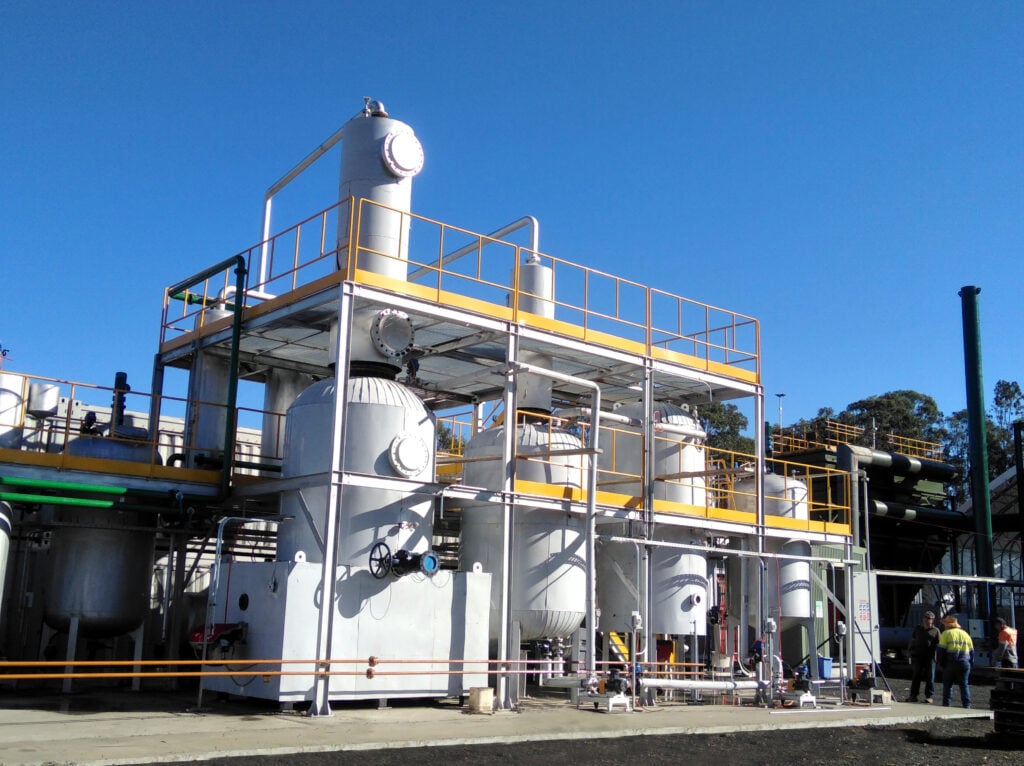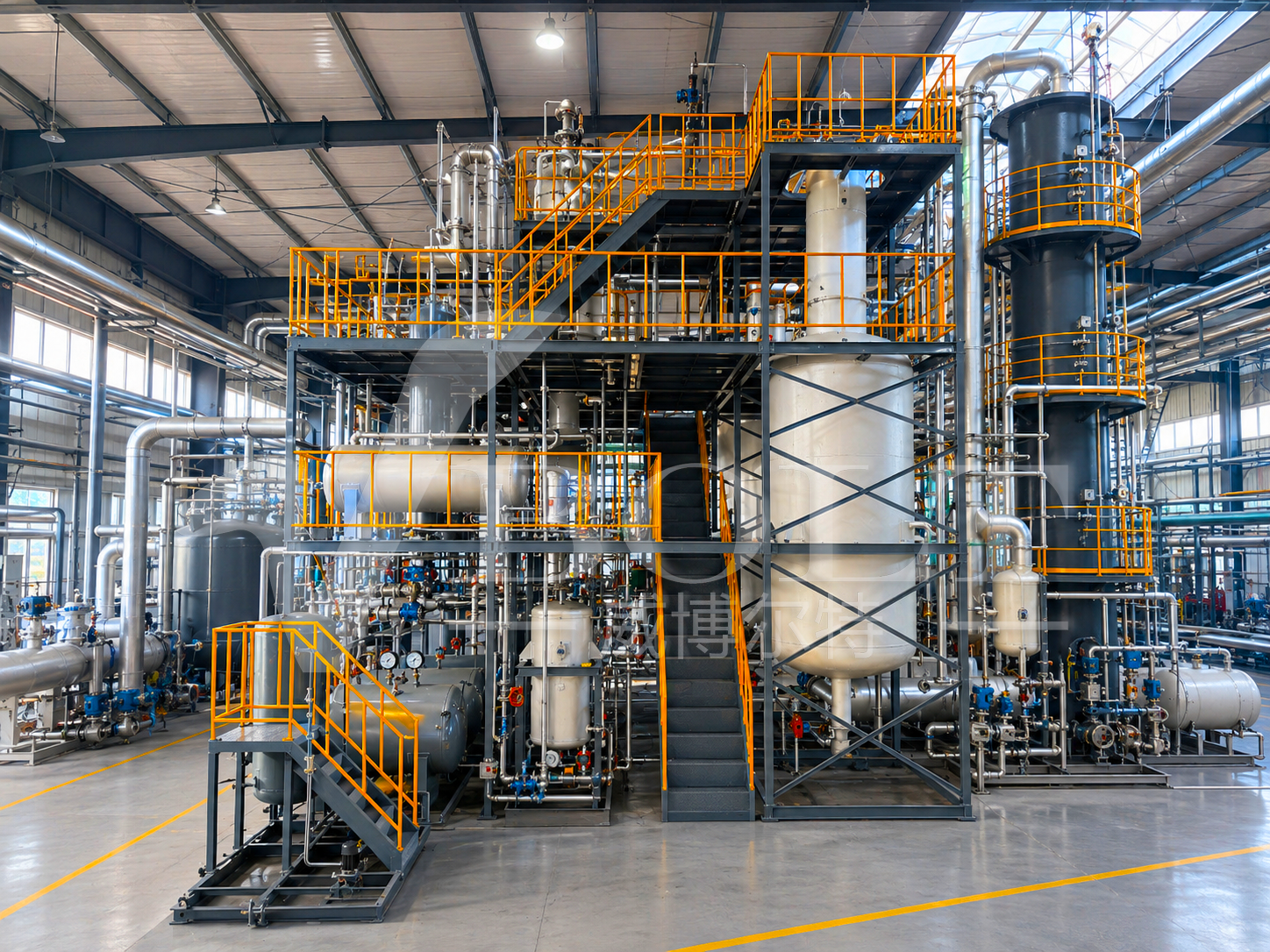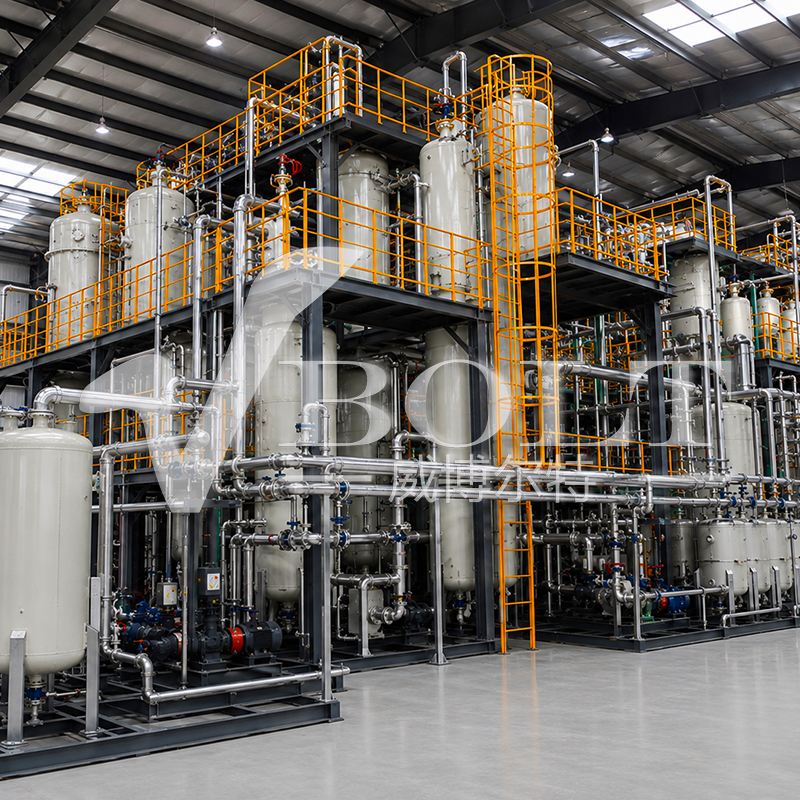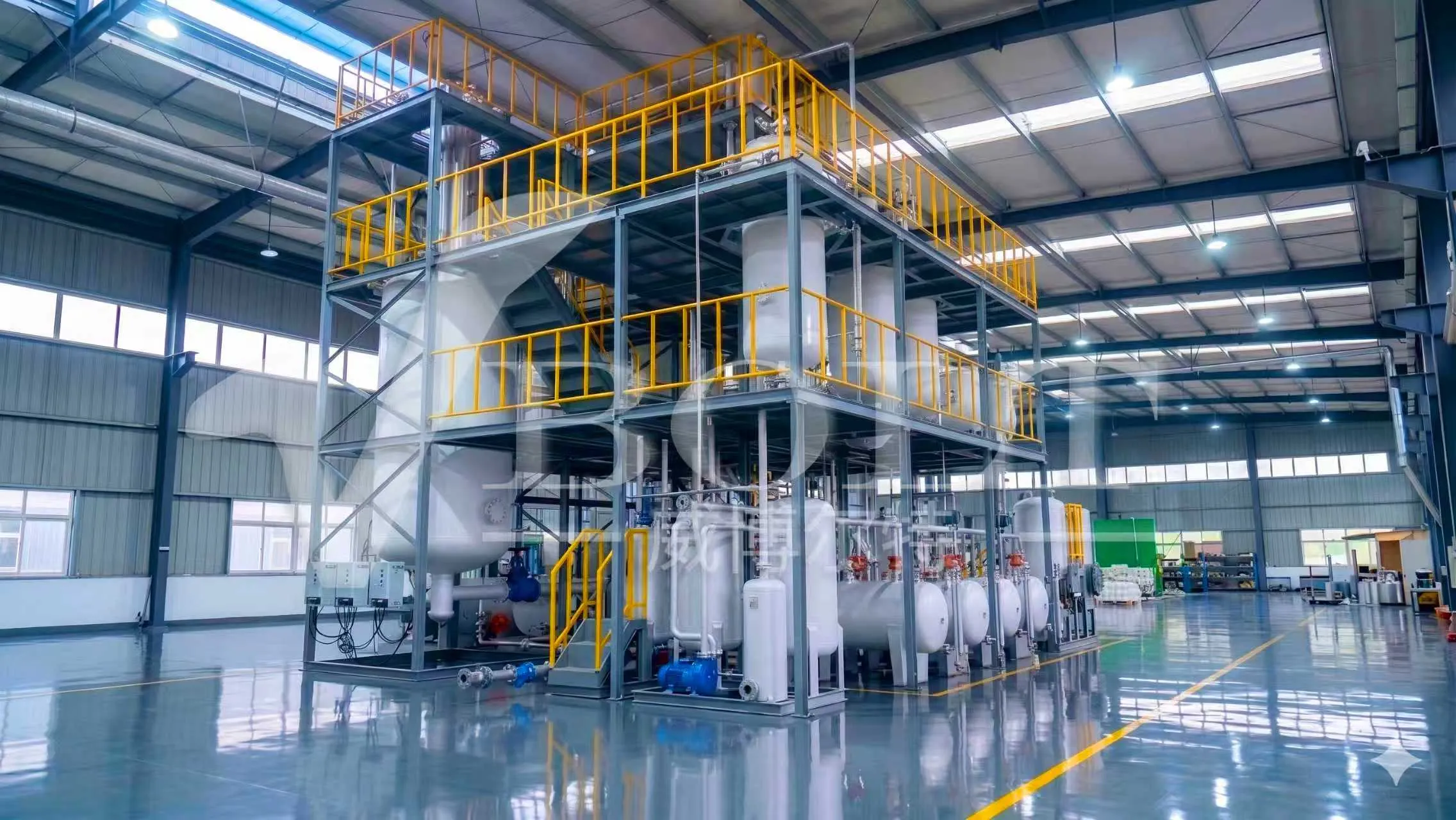


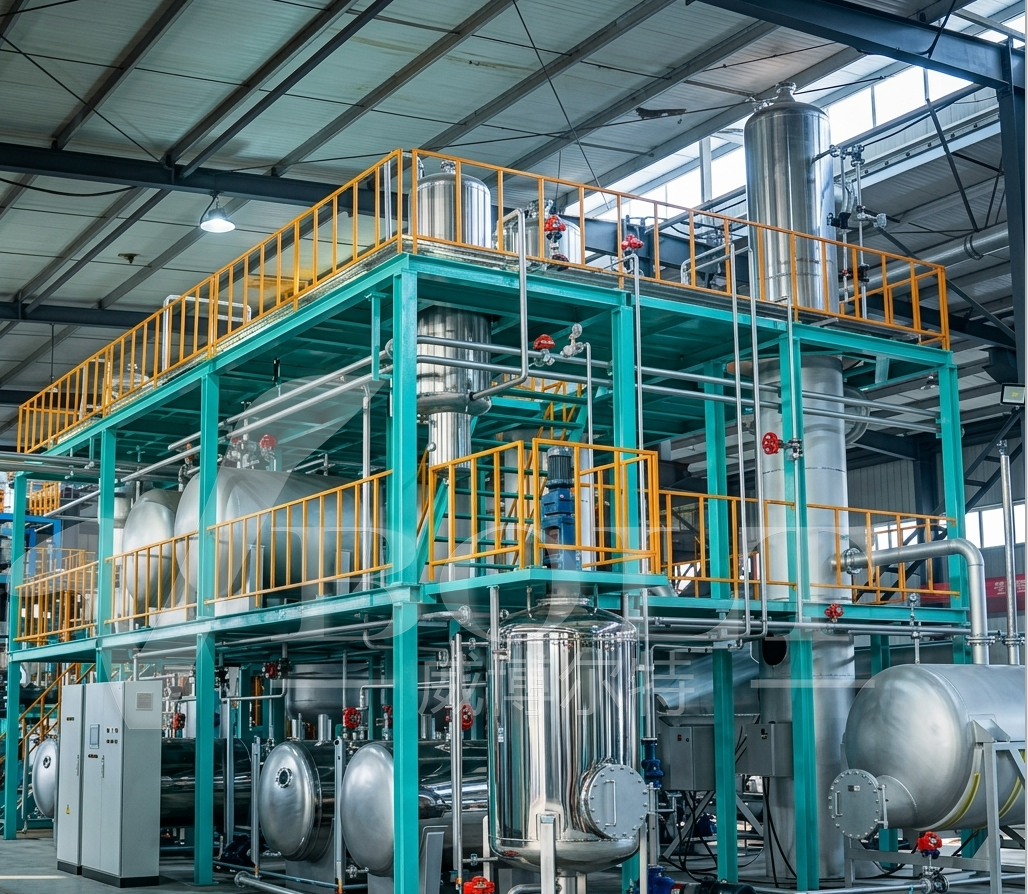
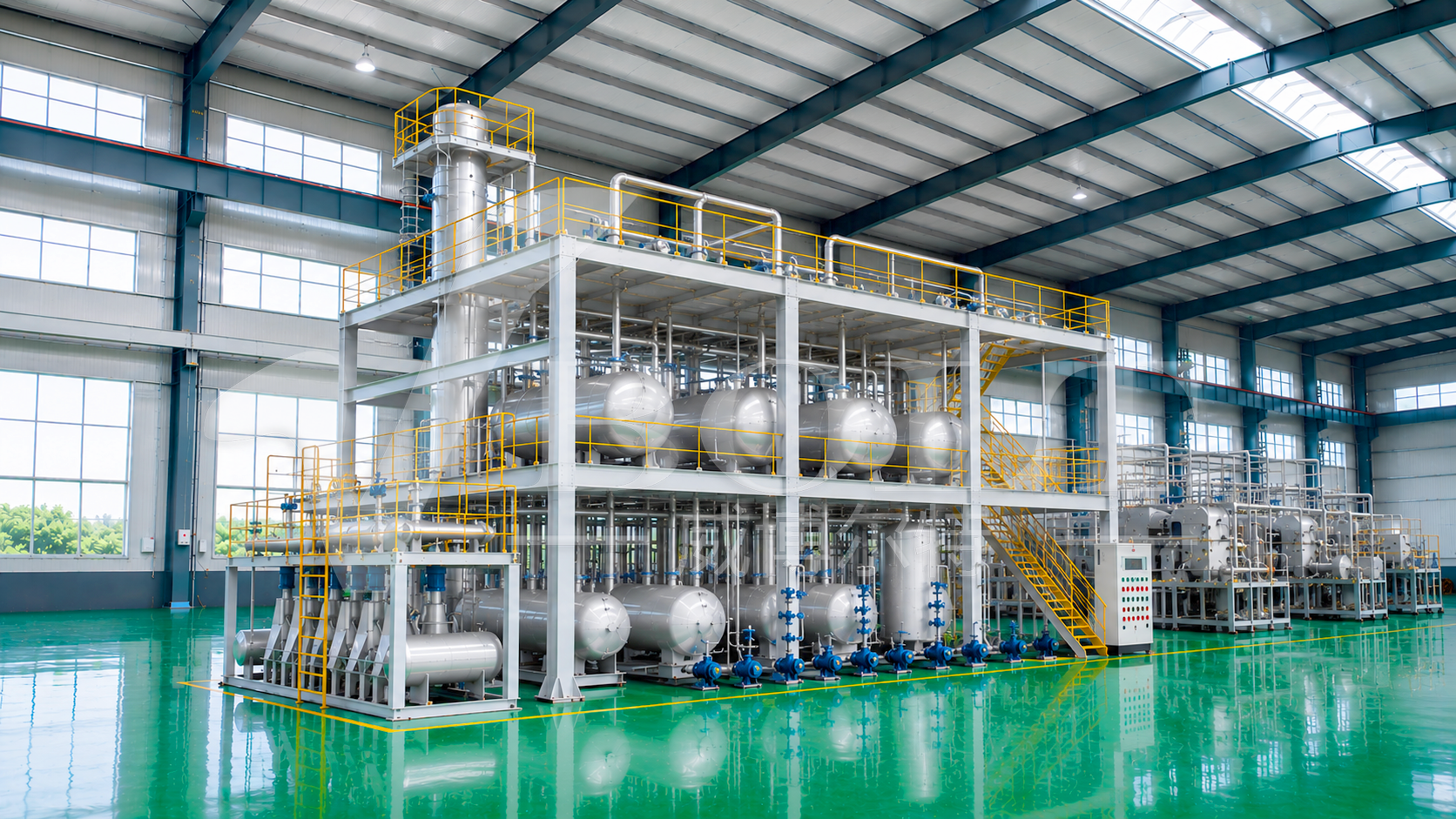
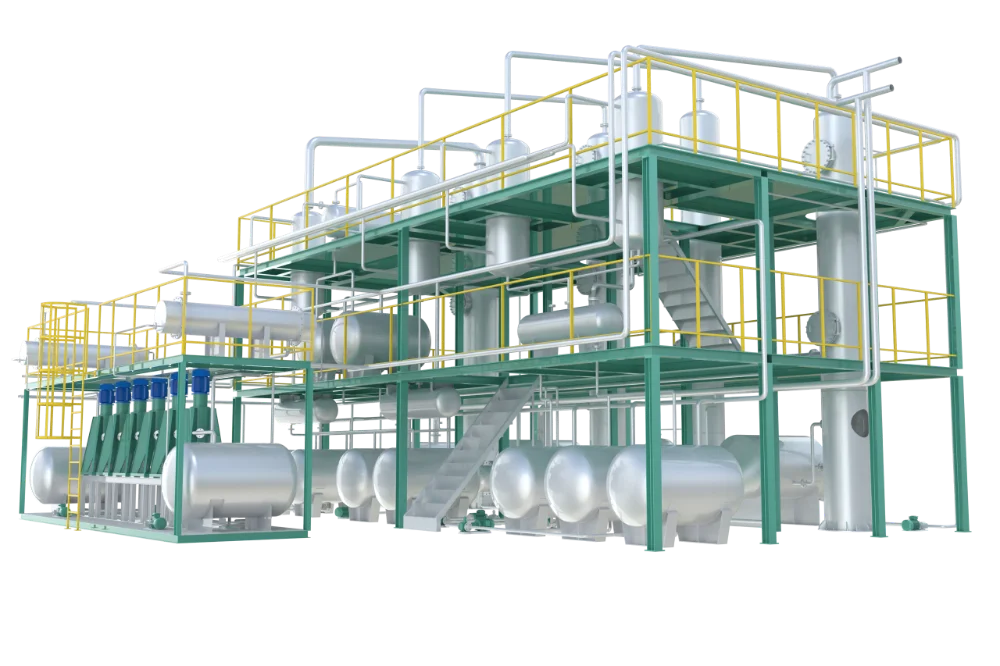
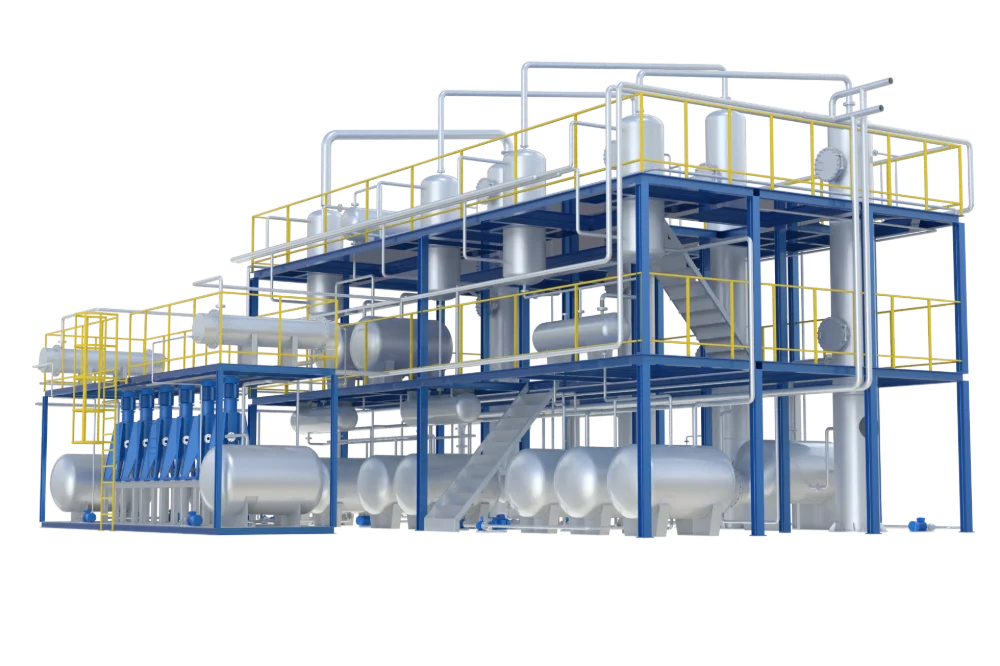
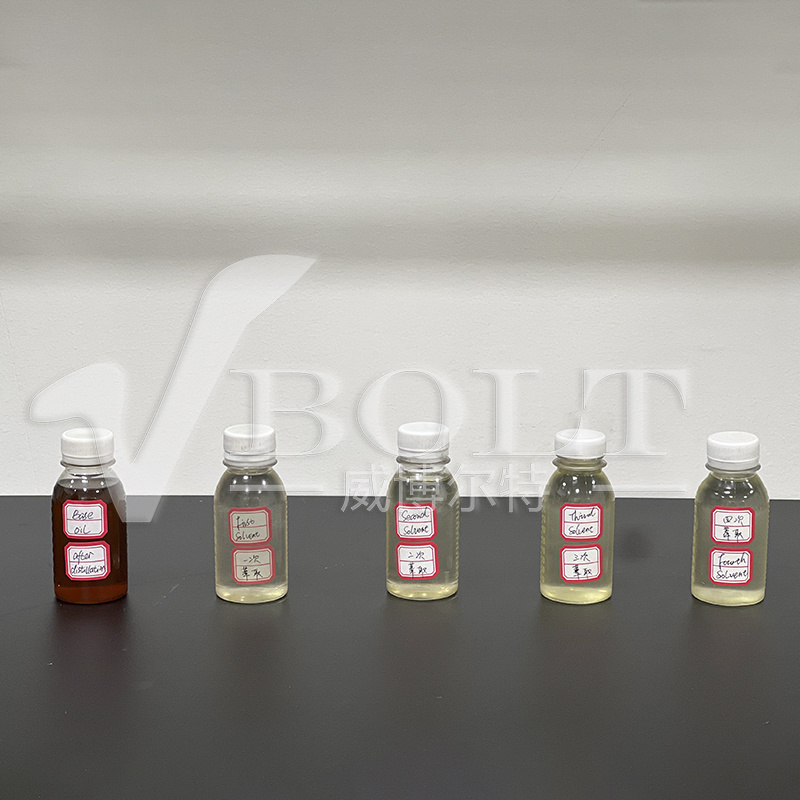
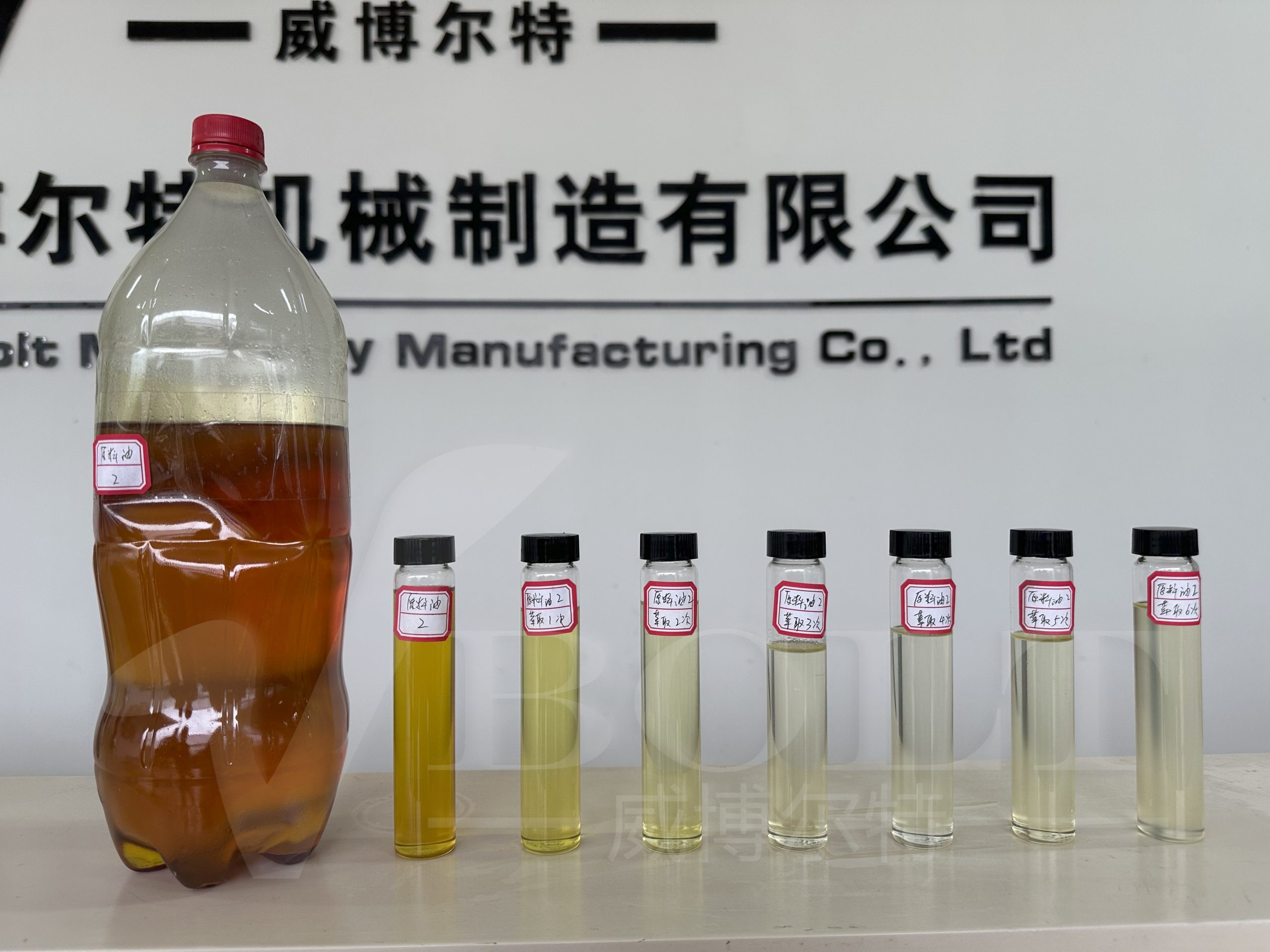
Base oil extraction equipment primarily utilizes the difference in solubility of different substances in specific solvents to achieve the separation and extraction of base oil. Its working principle is as follows:
1. Solvent Selection
Using organic solvents with different solubility characteristics of ideal and non ideal components to purify base oil for better sulfur content, antioxidant
2. Mixing and Dissolution
Thoroughly mix the base oil with the solvent. Under certain temperature and pressure conditions,the non-ideal components in the base oil dissolve in the solvent and then.
3. Separation Stage
After synchronous high-speed rotation of the mixed liquid and the drum, centrifugal force is generated.The high-density liquid(solvent)approaches the drum wall,while the low-density liquid(base oil) gradually moves towards the center. Finally, the two liquids come out through their respective channels,achieving liquid separation.
4. Solvent Recovery
Treat the solvent phase containing the base oil by changing the temperature and pressure to evaporate or volatilize the solvent, thereby separating the base oil. The recovered solvent can be recycled to reduce costs.
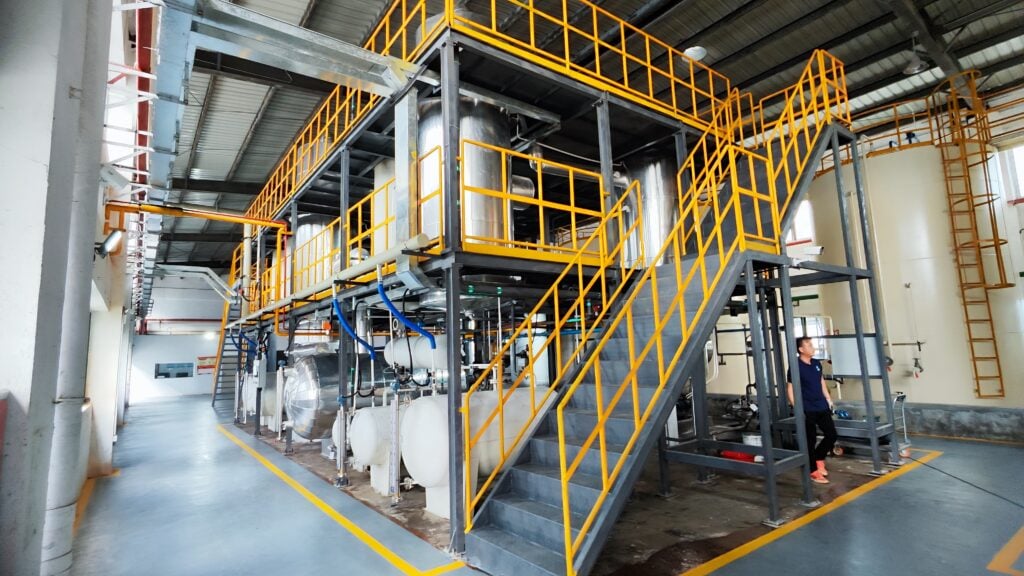
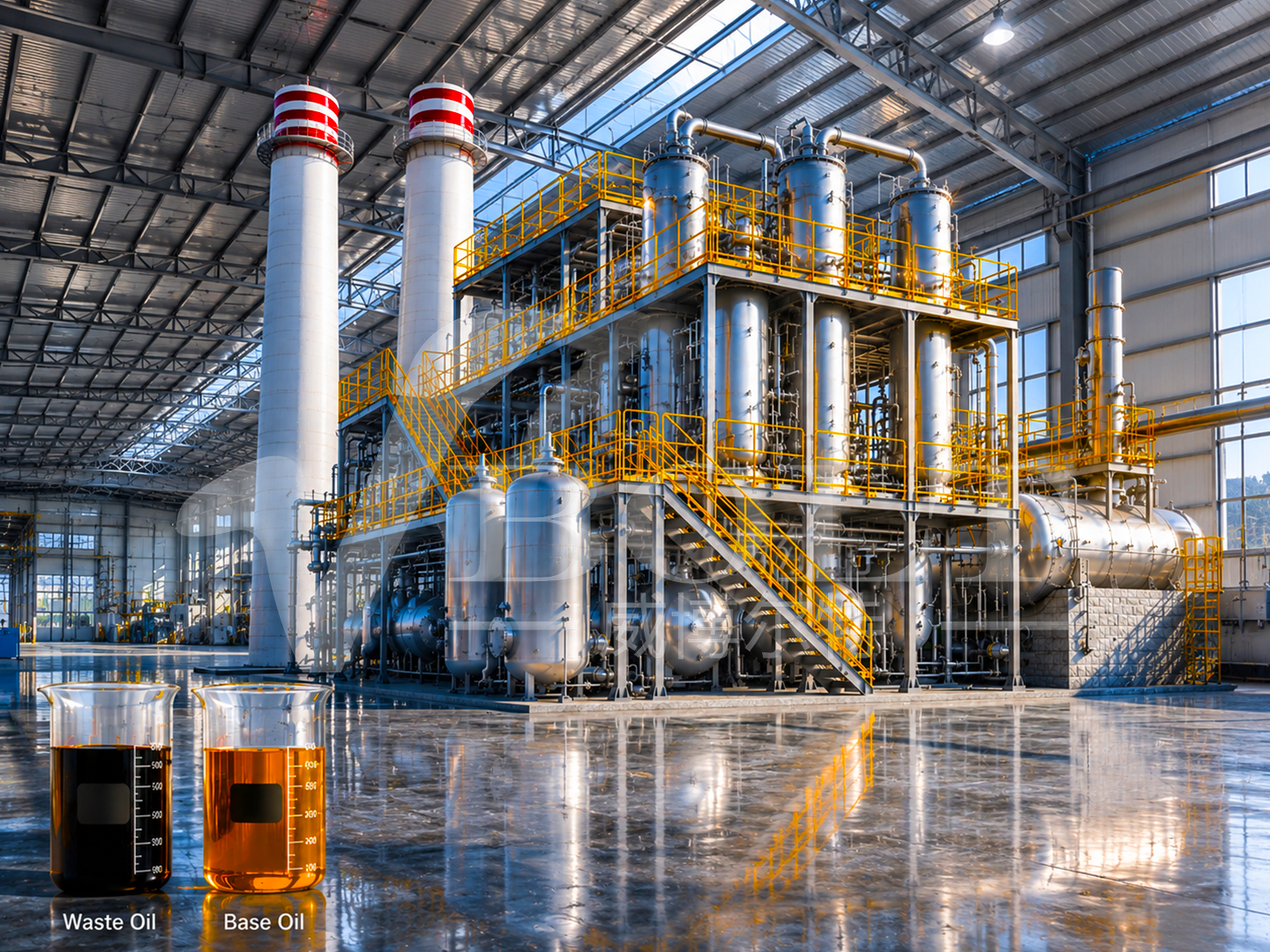
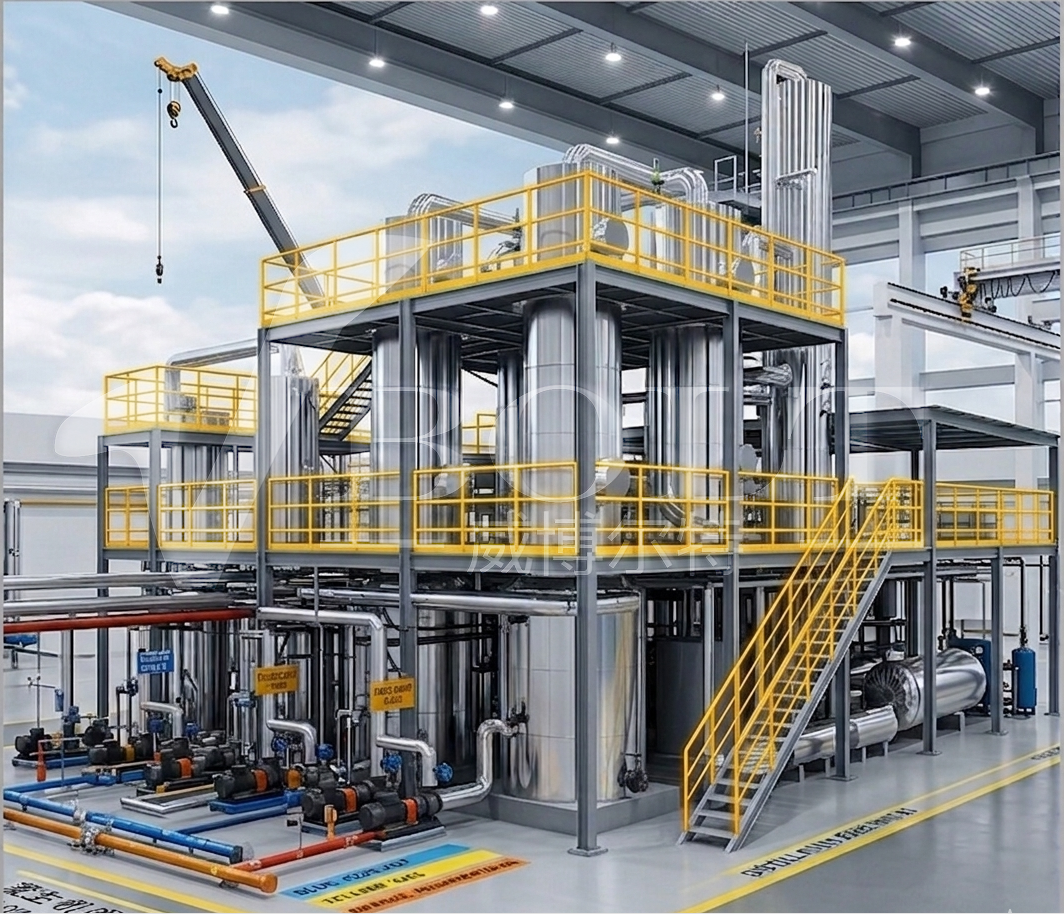
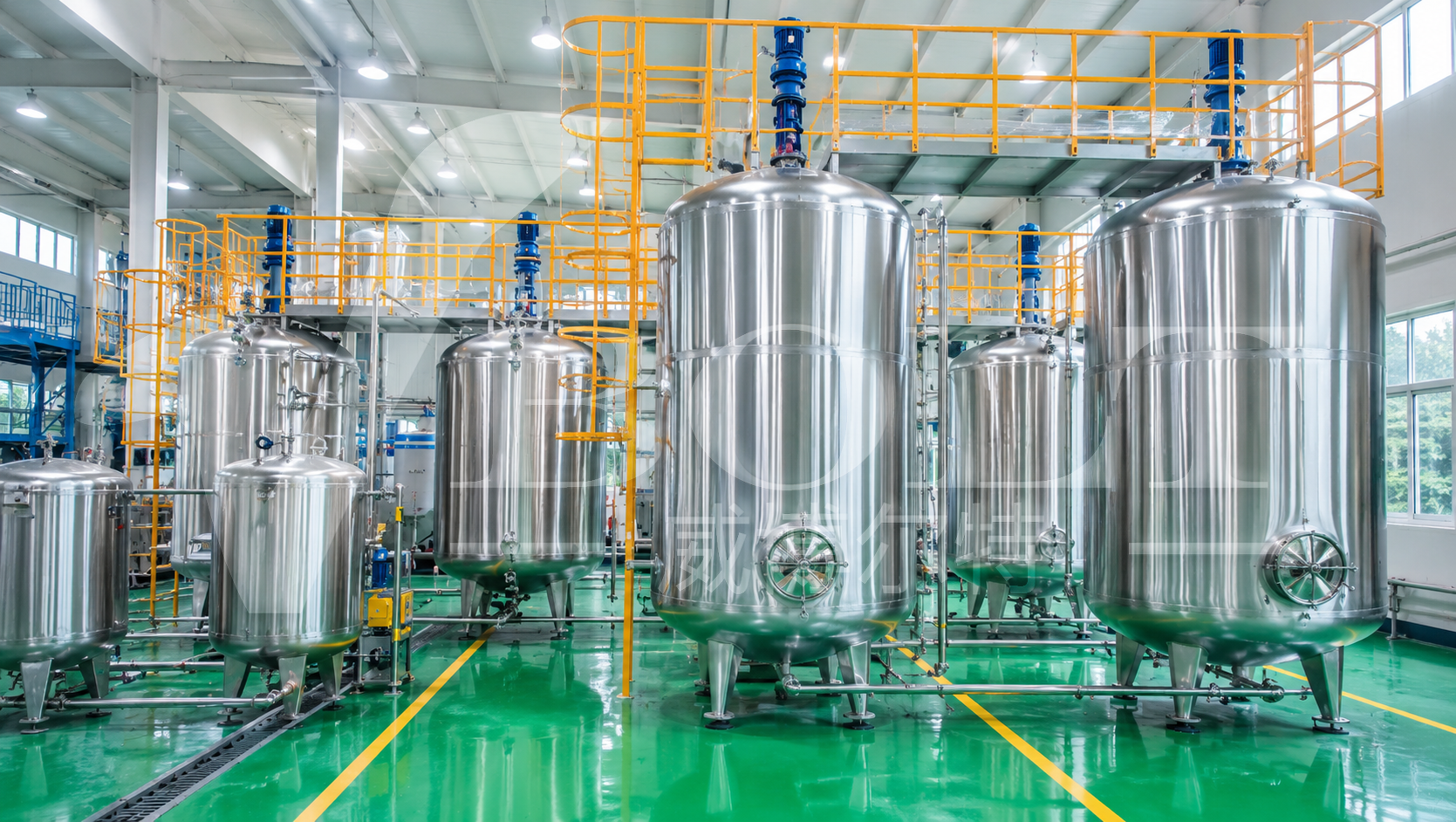
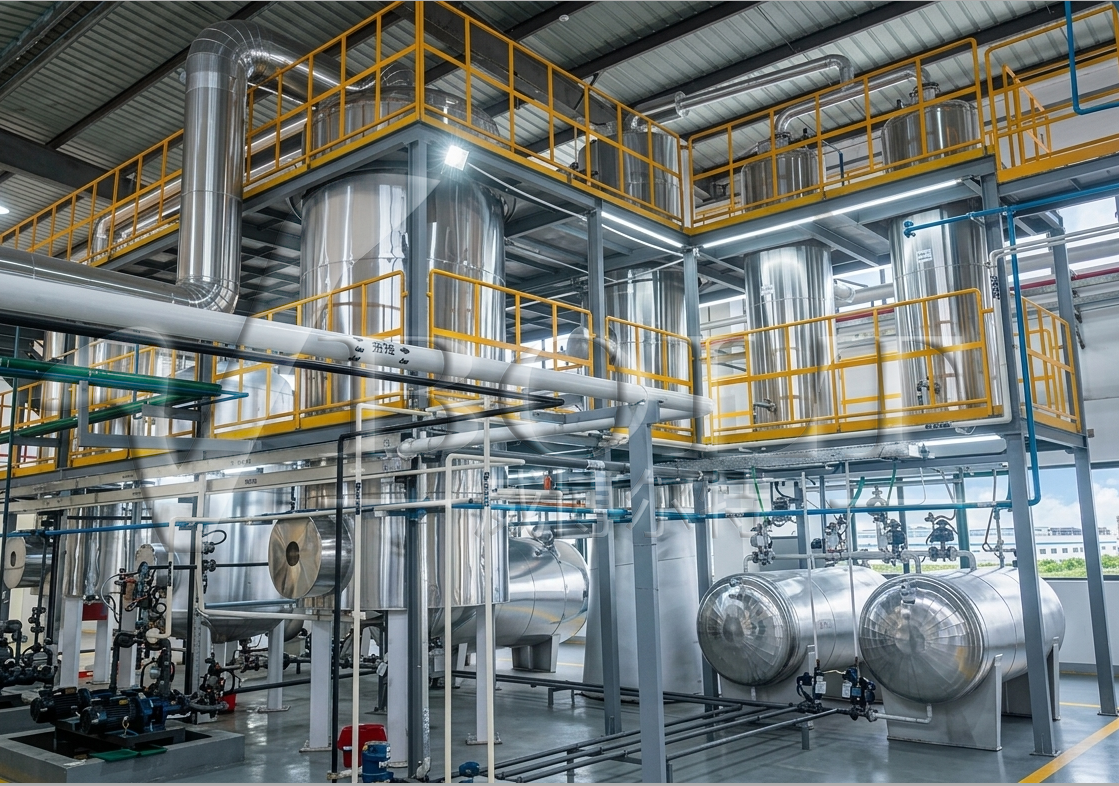
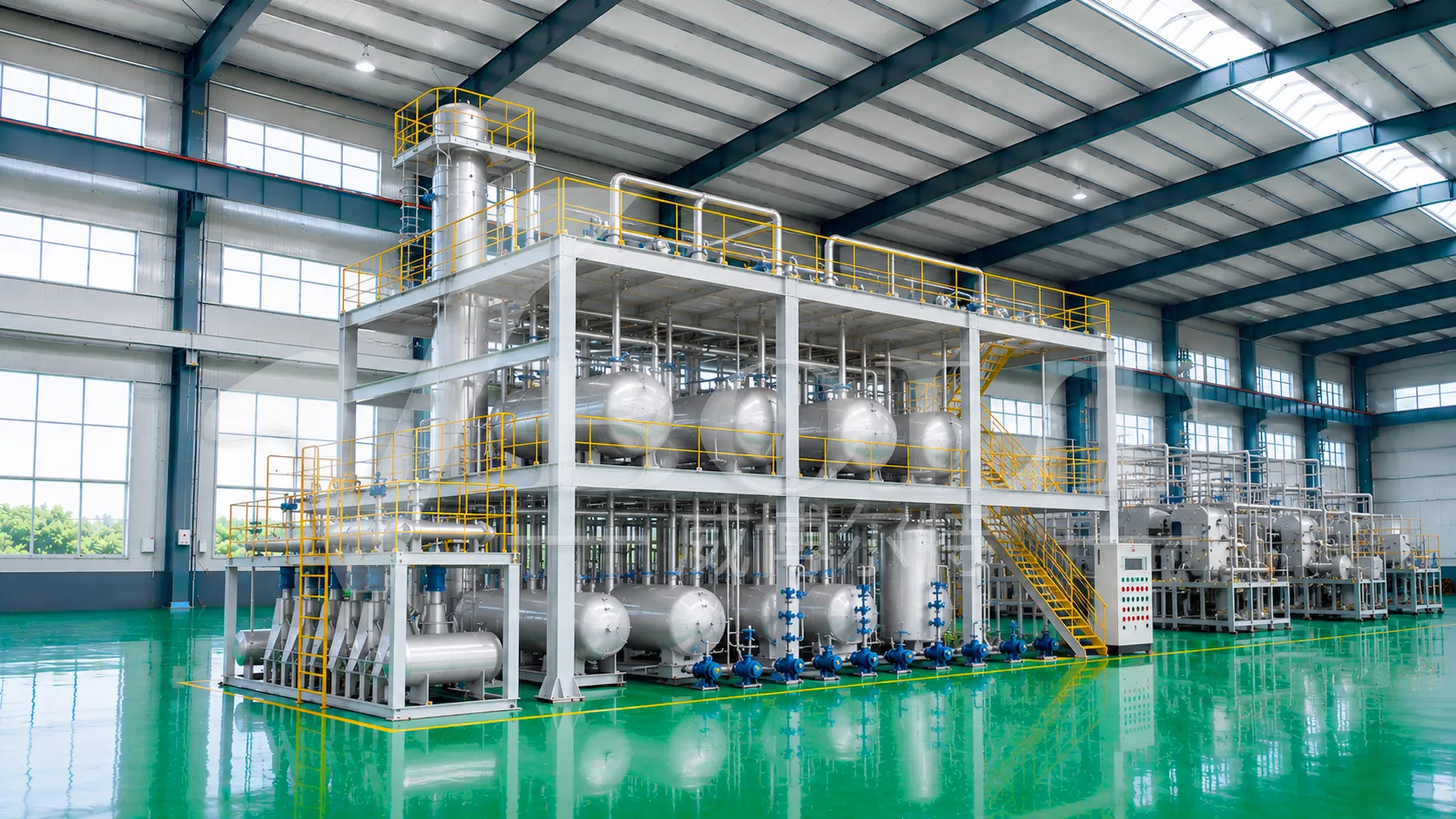
Base Oil Solvent Extraction Plant
The Base Oil Solvent Extraction Plant is designed for regenerated and refined base oil upgrading through NMP solvent extraction and vacuum solvent recovery. The system removes asphaltenes, gums, sulfur-, nitrogen- and oxidation-related unstable compounds while supporting continuous low-energy and environmentally compliant operation.
Destaques de produtos da fábrica
- Efficient removal of asphaltenes, gums and unstable compounds
- Integrated extraction and solvent recovery modules
- Low operating cost with high solvent recovery rate
- Suitable for regenerated base oil upgrading and pretreatment
Destaques do produto
This page presents the Base Oil Solvent Extraction Plant as an industrial equipment product, focusing on solvent refining technology, impurity removal efficiency, solvent recovery performance and application value for base oil upgrading.
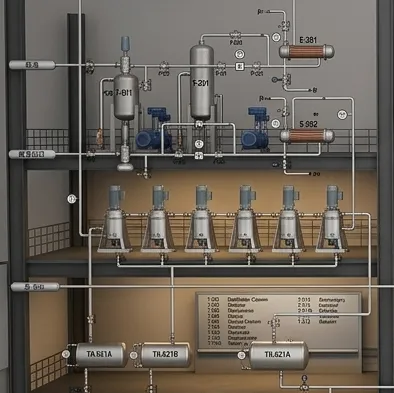
Centrifugal Extraction Technology
The system uses NMP centrifugal extraction to improve mass transfer efficiency in a compact structure, helping remove undesirable components more effectively than traditional tower-type processes.
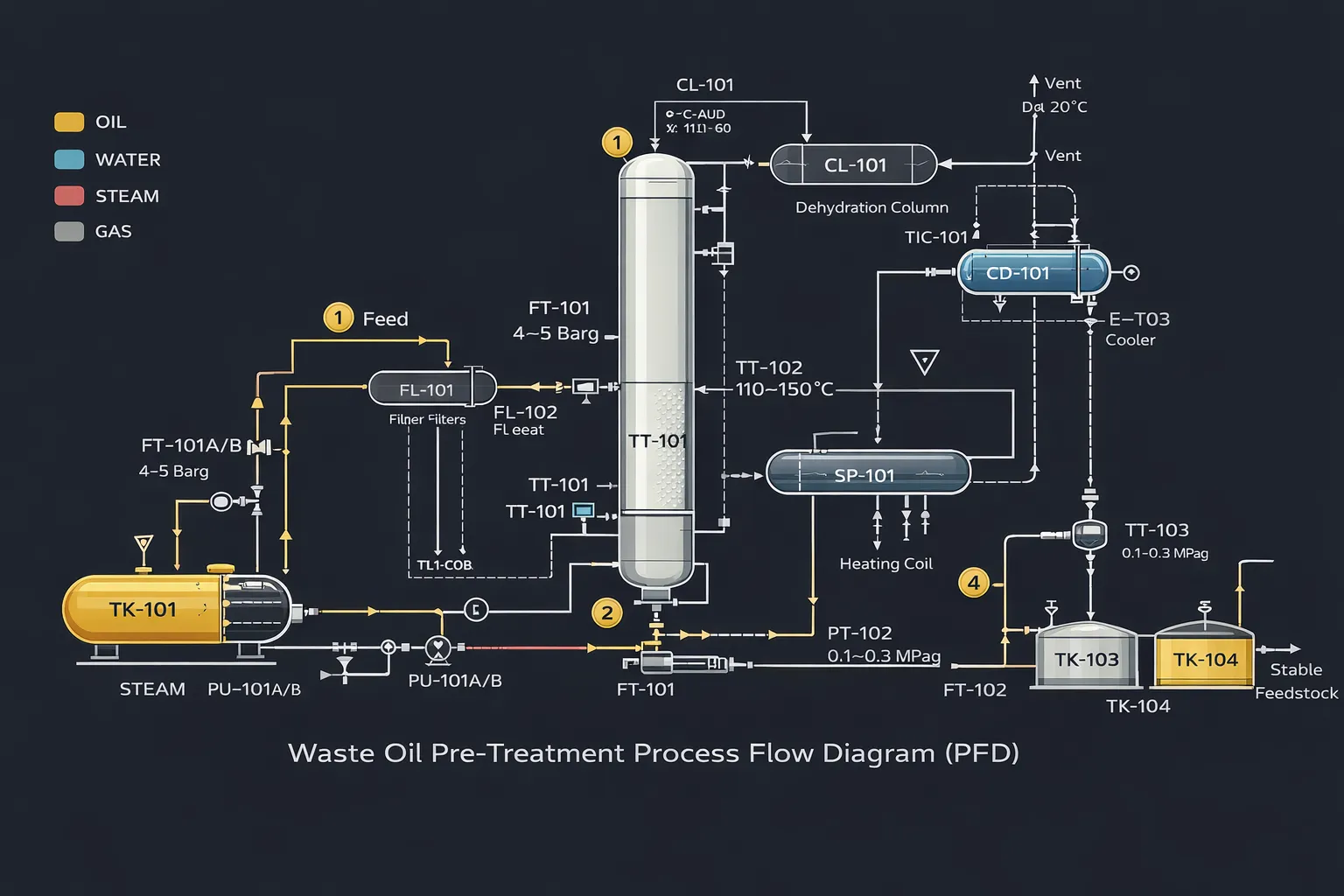
High Solvent Recovery Efficiency
Vacuum heating and distillation allow efficient solvent separation and recirculation, reducing solvent loss and lowering long-term operating cost.
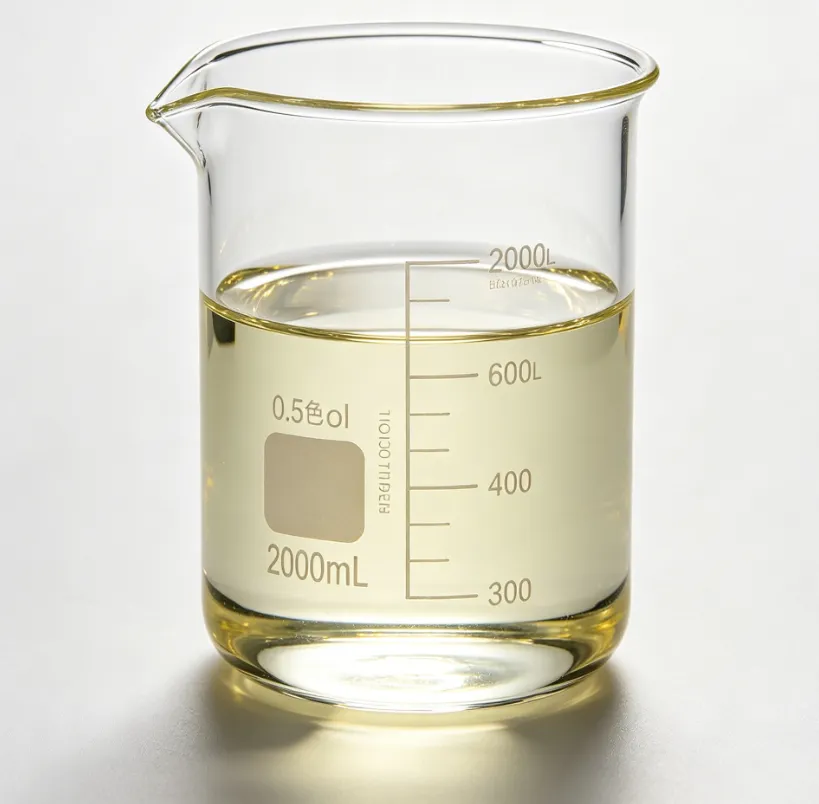
Cleaner & More Stable Base Oil
The process helps improve oil color, oxidation stability, residual carbon level and long-term storage behavior without generating acid sludge or large volumes of solid waste.
Módulos principais de tecnologia de processos
From extraction to final dried refined oil output, the plant adopts a continuous modular route for impurity removal, solvent recovery and quality upgrading.
Extraction
NMP selectively removes non-ideal components from base oil.
Recovery
Vacuum separation recovers solvent from raffinate and extract.
Stripping
Superheated steam removes residual trace solvent.
Drying
Final moisture removal improves product stability.
Storage
Finished refined base oil is sent to tank storage for use.
Introdução detalhada do processo
A more detailed display of the main process modules, matching product-level technical presentation needs for industrial buyers and investment decision makers.
The Core Separation Stage of Base Oil Solvent Refining
The preheated base oil and NMP solvent enter the centrifugal extractor under controlled temperature conditions of about 60°C. Through counter-current contact and density difference, undesirable components such as asphaltenes, gums and heteroatomic compounds are transferred into the solvent-rich phase.
- Selective Separation: removes non-ideal compounds more effectively.
- Compact Structure: much smaller footprint than tower-type extraction.
- Efficient Mass Transfer: improves extraction performance.
- Automated Operation: supports continuous process control.
Recovering NMP for Cost Control and Process Continuity
After extraction, both the refined oil stream and the extract stream contain solvent. The recovery system uses heating and vacuum distillation to separate volatilized NMP from the oil phases. The condensed solvent is returned to storage for recirculation, helping lower solvent consumption and operating cost.
- High Recovery Efficiency: reduces solvent loss.
- Vacuum Operation: supports effective separation at controlled conditions.
- Closed-Loop Recycling: improves economic performance.
- Low Energy Design: supports industrial cost control.
Deep Removal of Residual Solvent for Better Base Oil Quality
Even after vacuum recovery, trace NMP remains dissolved in the refined oil. The stripping stage uses superheated steam and counter-current mass transfer to remove most residual solvent, further optimizing refined base oil purity and market value.
- Lower Residual Solvent: improves final product acceptability.
- Better Product Quality: supports premium refined oil targets.
- Continuous Operation: suitable for industrial throughput.
- Integrated Utility Design: supports stable plant operation.
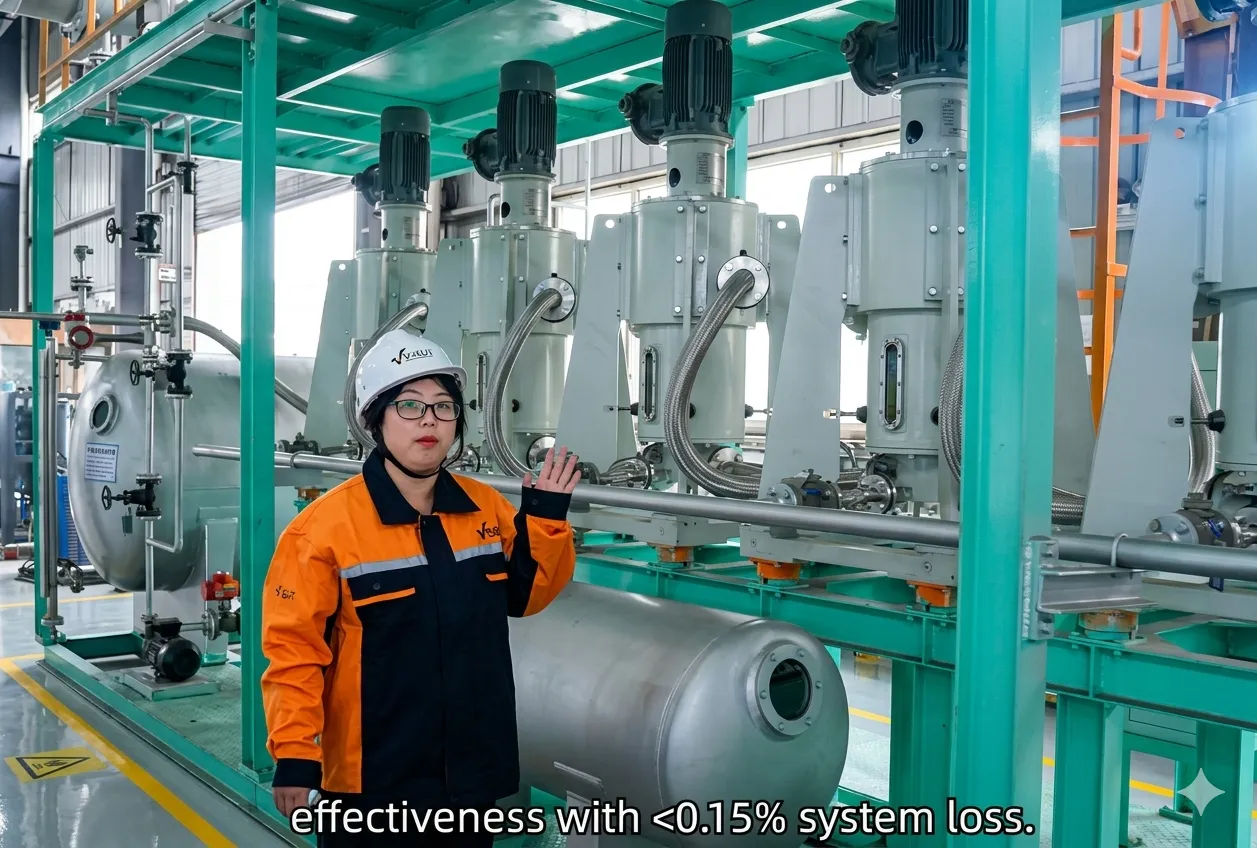
Final Moisture Removal Before Product Storage
The refined base oil enters the drying column after heating, where trace moisture is vaporized and removed. This final step improves product stability, handling quality and storage readiness before the oil is pumped to the tank farm.
- Reduced Moisture Content: supports better storage stability.
- Improved Appearance: helps achieve cleaner finished oil.
- Safer Downstream Use: lowers water-related quality risks.
- Stable Final Output: prepares oil for commercial application.
Refined Base Oil Quality Improvement
A business-grade data presentation for product upgrading effect, impurity removal, solvent recovery performance and refined oil marketability.
Guia de seleção de modelos
Choose the right Base Oil Solvent Extraction Plant based on your feedstock type, target product grade, utility conditions, investment budget and long-term return strategy.
| Tipo de modelo | Capacidade | Aplicação recomendada | Nível de investimento | Principais vantagens |
|---|---|---|---|---|
| Unidade piloto | 5–10 L / Batch | Lab verification, solvent ratio trial and process validation | Baixa | Suitable for technology testing before commercial scale deployment |
| Compact Plant | 5 – 15 T / Day | Small recyclers, lubricant workshops and entry-level upgrading projects | Baixo-Moderado | Compact footprint and lower startup threshold |
| Standard Plant | 20 – 30 T / Day | Commercial regenerated base oil upgrading and stable continuous production | Moderado | Strong balance between investment, solvent recovery, product quality and output stability |
| Large Scale Plant | 30 – 60 T / Day | Industrial re-refining bases and large regional regeneration projects | Alta | Higher throughput usually brings stronger long-term profitability and market competitiveness |
Unidade piloto
TestesCompact Plant
EntradaStandard Plant
RecomendadoLarge Scale Plant
IndustrialInvestimento equilibrado
The 20–30 T / Day configuration fits customers looking for controllable capital input and stable upgrading performance.
Stable Product Upgrading
This model range is widely suitable for continuous refined base oil production with improved clarity and oxidation stability.
Scalable Profit Potential
For customers with stable feedstock and stronger market demand, larger-capacity plants can offer stronger overall profitability.
Especificações técnicas
Typical reference data and process indicators for the Base Oil Solvent Extraction Plant and refined oil quality improvement.
| Parâmetro | Valor típico / Faixa | Impacto no desempenho |
|---|---|---|
| Extraction Solvent | N-Methyl-2-pyrrolidone (NMP) | Selective removal of non-ideal oil components |
| Extraction Temperature | About 60°C | Supports efficient mass transfer and stable separation |
| Solvent Recovery Rate | ≥ 99.9% | Reduces solvent loss and operating cost |
| Modo de operação | 24h PLC Controlled | Supports continuous industrial production |
| Equipment Footprint | Compact centrifugal layout | Smaller than traditional tower extraction systems |
| Pollution Profile | No acid sludge / low solid waste | Improves environmental compliance |
| Target Improvement | Color, residual carbon, odor, oxidation stability | Supports higher-grade refined base oil output |
| Utility Integration | Vacuum, heating, stripping and drying | Enables closed-loop continuous refining operation |
Extraction Solvent
Extraction Temperature
Solvent Recovery Rate
Modo de operação
Equipment Footprint
Pollution Profile
Target Improvement
Utility Integration
Verificação de terceiros
A qualidade do diesel de saída pode ser apoiada por testes de terceiros para fortalecer a confiança do mercado e a credibilidade técnica.

Dados de combustível verificados de forma independente
O diesel produzido pela fábrica pode ser testado por laboratórios terceirizados reconhecidos internacionalmente para verificar viscosidade, teor de água, controle de impurezas e desempenho do ponto de fulgor desempenho.
- Conformidade com a viscosidade verificada
- Baixo teor de água e impurezas certificado
- Desempenho confirmado de alto ponto de fulgor
- Suporta aplicações de combustível de queimadores industriais
Aplicações e matérias-primas
The plant is designed for re-refining companies, lubricant recovery facilities and industrial oil regeneration projects handling various base-oil-related streams.
Regenerated Base Oil
Upgrading recycled base oil quality for higher-value applications.
Lubricant Pretreatment
Removes gums and oxidation residues before blending or finishing.
Re-Refining Projects
Suitable for industrial waste oil regeneration and base oil recovery plants.
Energy Recycling
Supports closed-loop reuse and resource recovery projects.
Waste Lubricating Oil
Used lubricating oils requiring impurity removal and upgrading.
Vacuum Distilled Base Oil
Further upgrading after front-end distillation process.
Industrial Oil Streams
Selected industrial oil fractions with upgrading value.
Refined Oil Improvement
Processes targeting better color, stability and market grade.
Casos de projetos
Representative project references showing actual upgrading effect, operating advantages and business value.
Vietnam Re-Refined Base Oil Project
Capacidade: 30 T / Day
After replacing traditional acid-clay treatment, the project improved product quality, reduced refining cost and achieved environmentally compliant continuous operation.
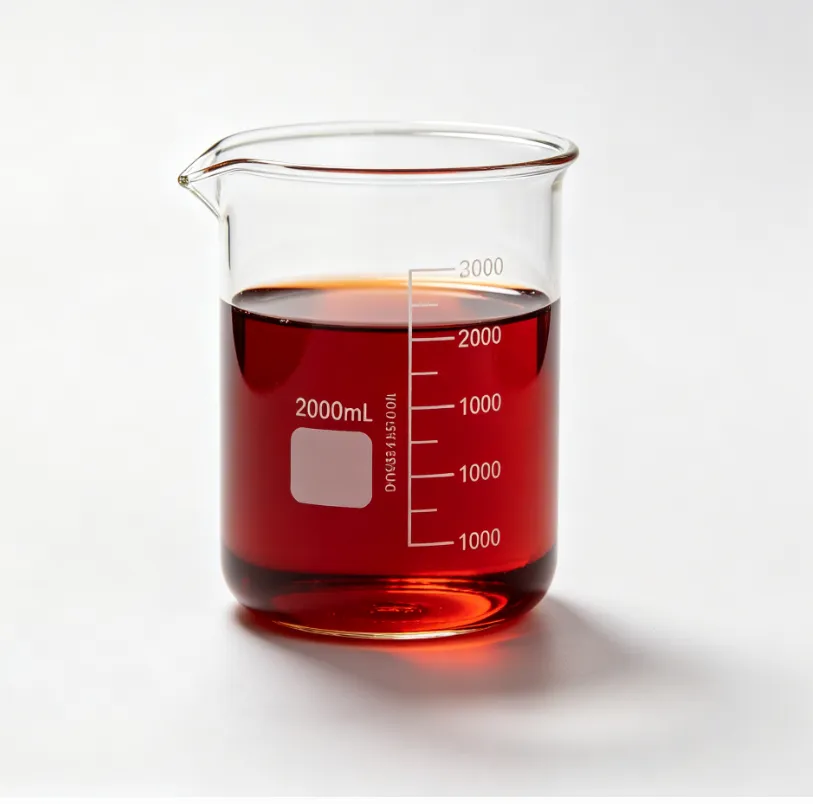
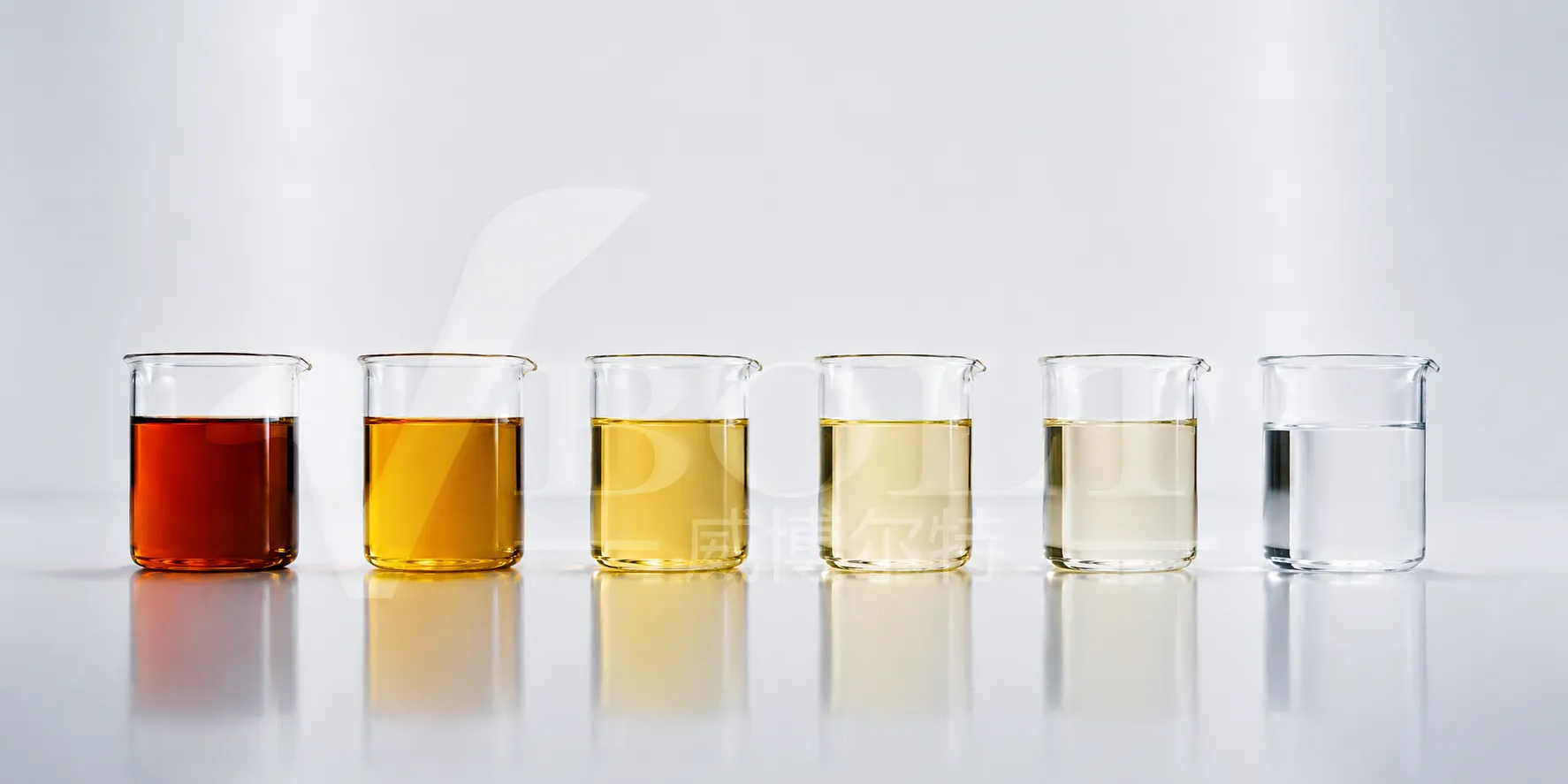
Before Extraction Condition
Status: Untreated Oil Sample
Untreated oil typically shows darker color, higher residual carbon and weaker oxidation stability, limiting its direct market value.
After Extraction Result
Status: Refined Oil Sample
After extraction, the oil becomes cleaner, lighter in appearance and more suitable for higher-grade regenerated base oil applications.
Perguntas frequentes
Common questions from customers evaluating this Base Oil Solvent Extraction Plant as a product purchase.
The plant is designed to upgrade refined or regenerated base oil by removing asphaltenes, gums, sulfur-containing compounds and other unstable impurities through NMP solvent extraction and solvent recovery.
The system uses N-Methyl-2-pyrrolidone (NMP), a selective solvent suitable for separating undesirable components from base oil streams.
Yes. Standard configurations are designed for PLC-controlled 24-hour continuous operation under industrial production conditions.
The process can improve oil color, reduce residual carbon and impurities, lower odor and enhance oxidation stability, depending on feedstock condition and process configuration.
Compared with traditional acid-clay refining, this process avoids acid sludge generation, reduces solid waste and supports cleaner industrial operation.
Need a Base Oil Solvent Extraction Plant?
Send us your feedstock type, daily capacity target, current oil condition and expected refined product grade. We will recommend a suitable plant configuration and equipment layout for your project.
Obtenha mais informações