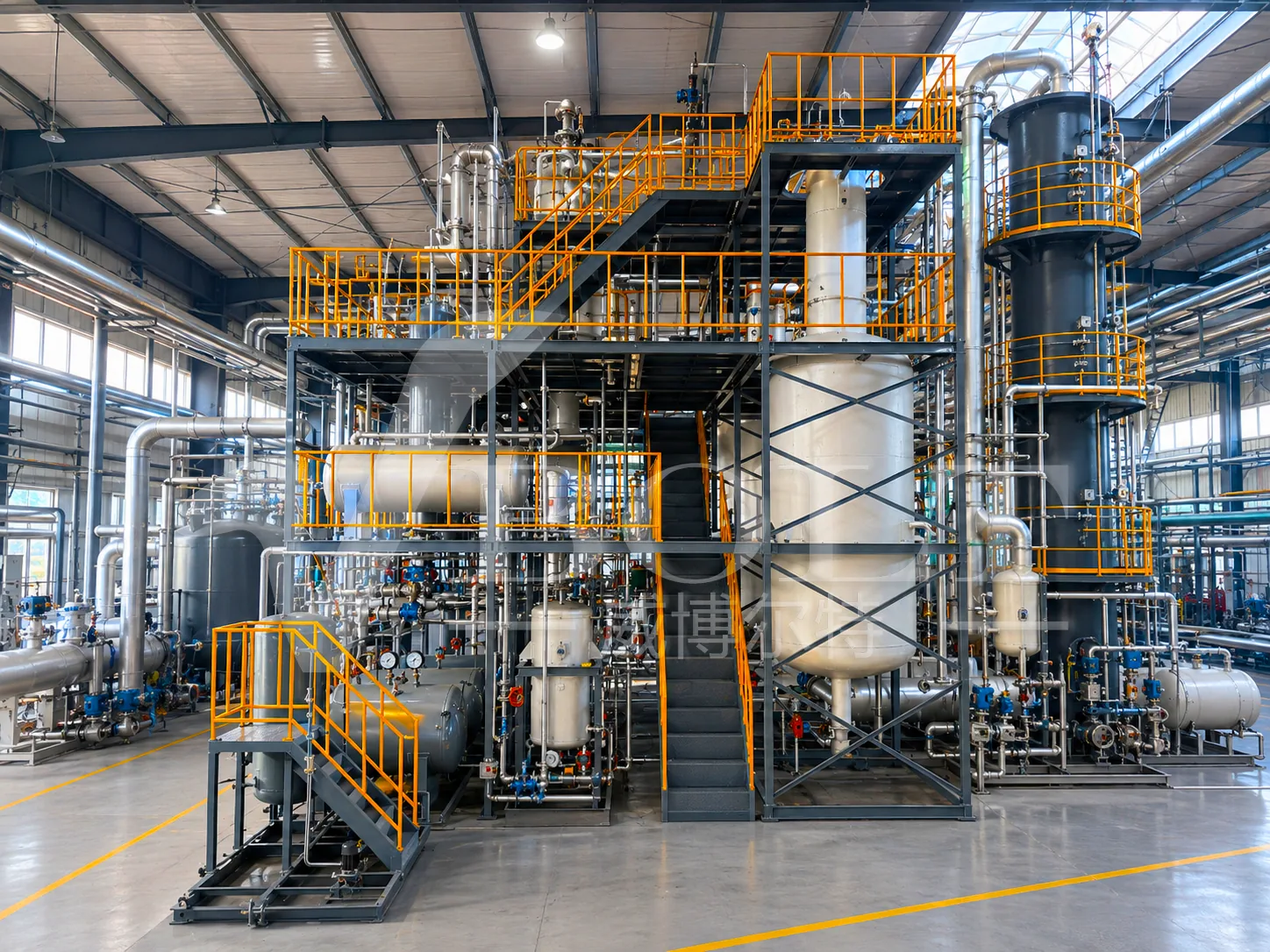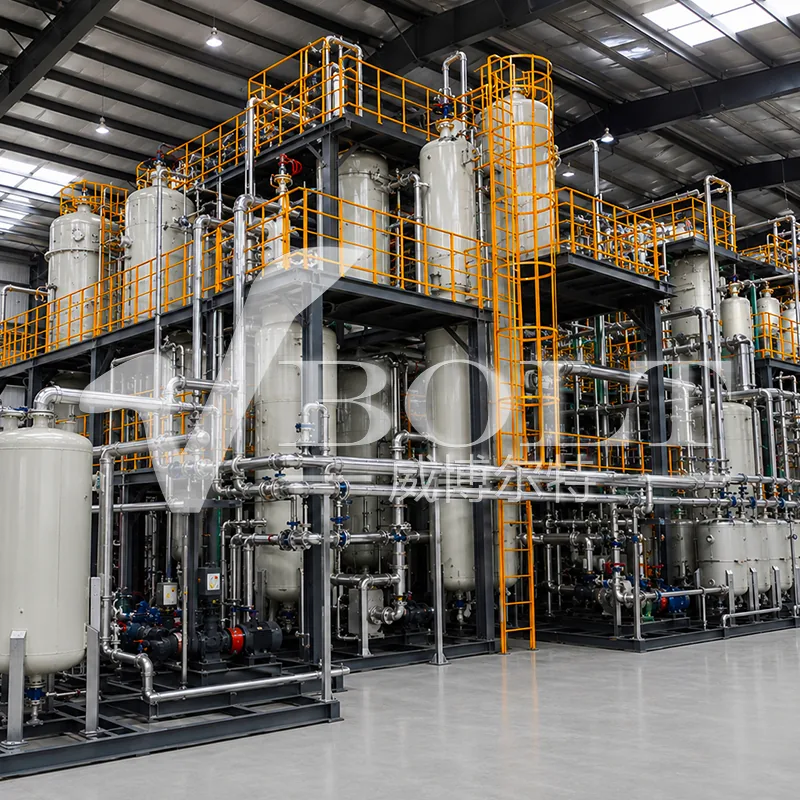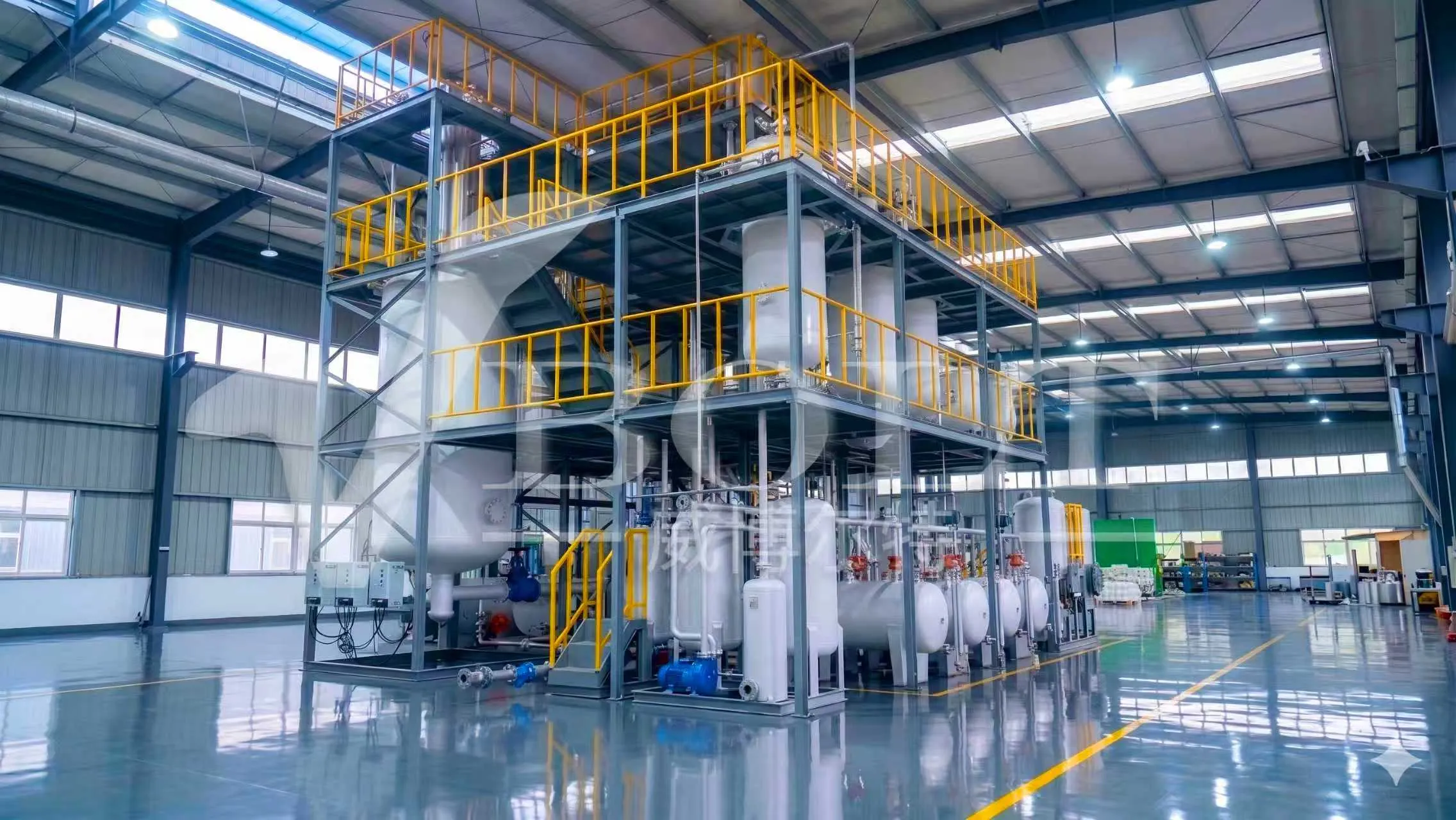





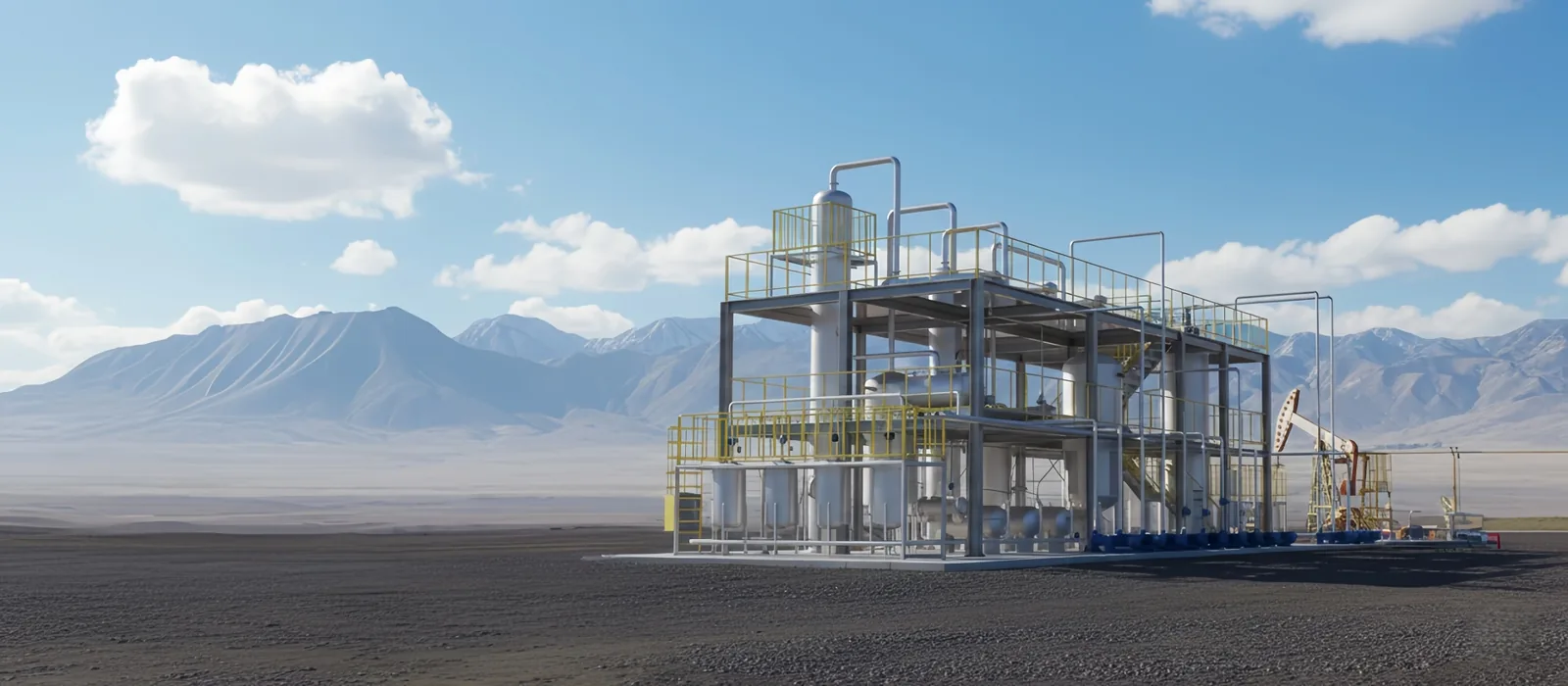
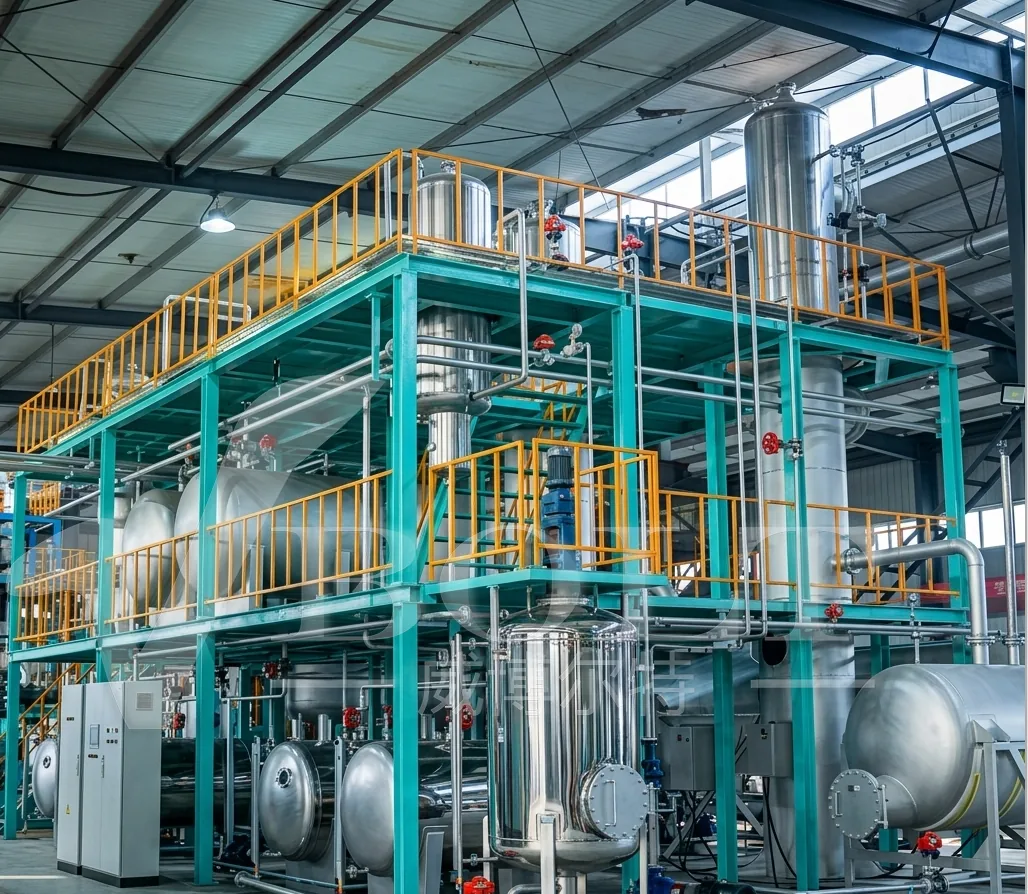
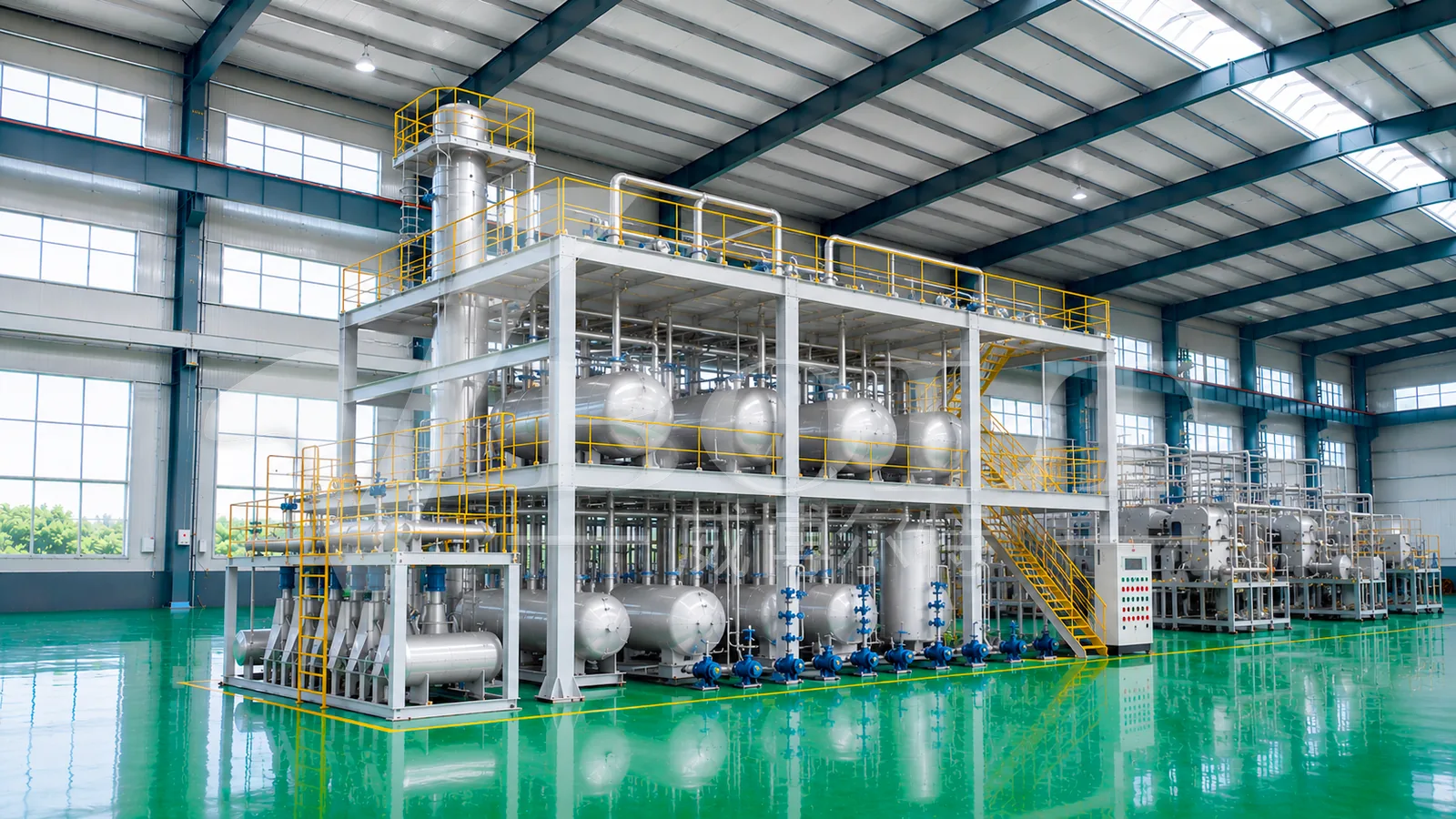
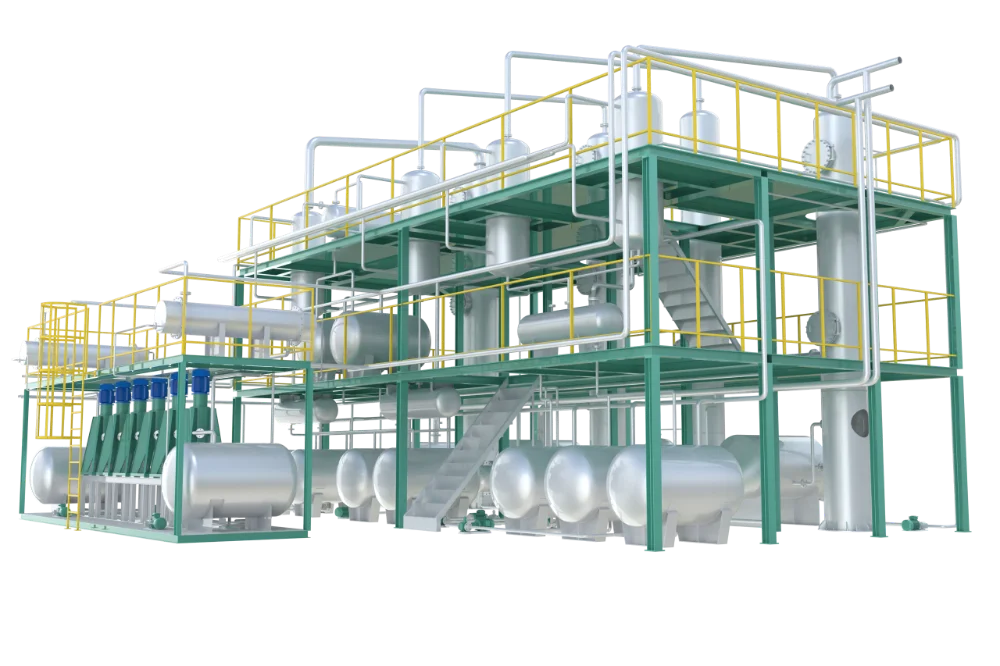
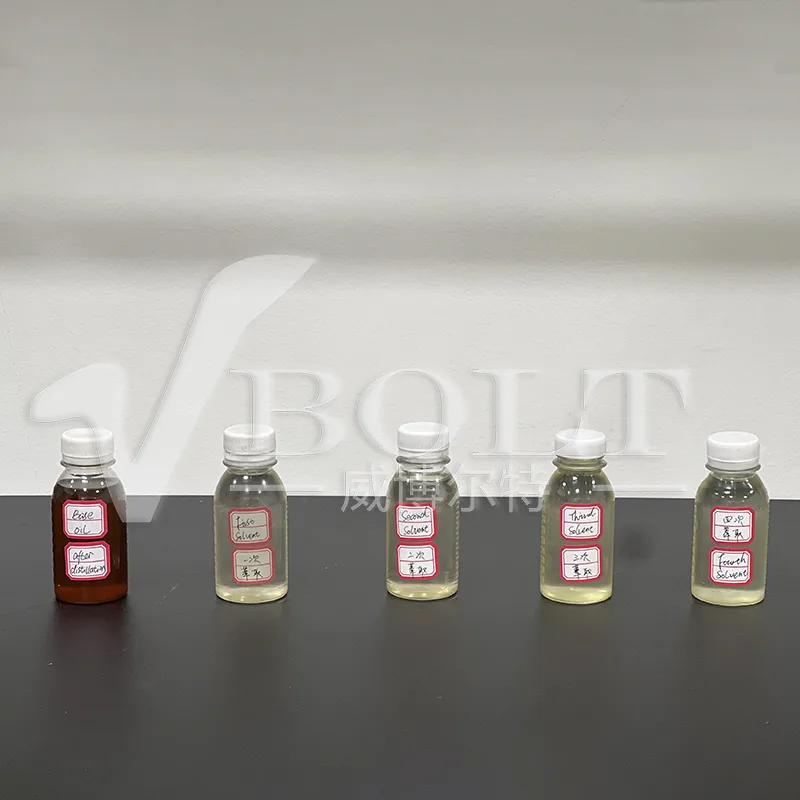
Base oil solvent extraction separates targeted aromatic, asphaltenic, resinous and unstable components from a laboratory-qualified base-oil intermediate. Feed composition, solvent selection and the solvent-to-oil ratio determine the achievable separation, so representative testing is required before equipment sizing.
1. Solvent Selection
Select the solvent and process route from representative feed analysis and bench or pilot trials. NMP may be used where testing confirms suitable selectivity, solvency, viscosity, safety and recovery behavior.
2. Mixing and Dissolution
Contact the qualified oil intermediate with the selected solvent at a controlled temperature, solvent-to-oil ratio and residence time established by testing. Target compounds transfer into the solvent-rich phase.
3. Separation Stage
After mass transfer, the centrifugal extractor separates the raffinate and extract phases according to density. Each phase leaves through its designated outlet for solvent recovery and downstream treatment.
4. Solvent Recovery
Recover solvent from both the raffinate and extract streams by project-specific vacuum distillation and stripping. Verify the solvent balance, containment performance and residual solvent before recirculation or product release.
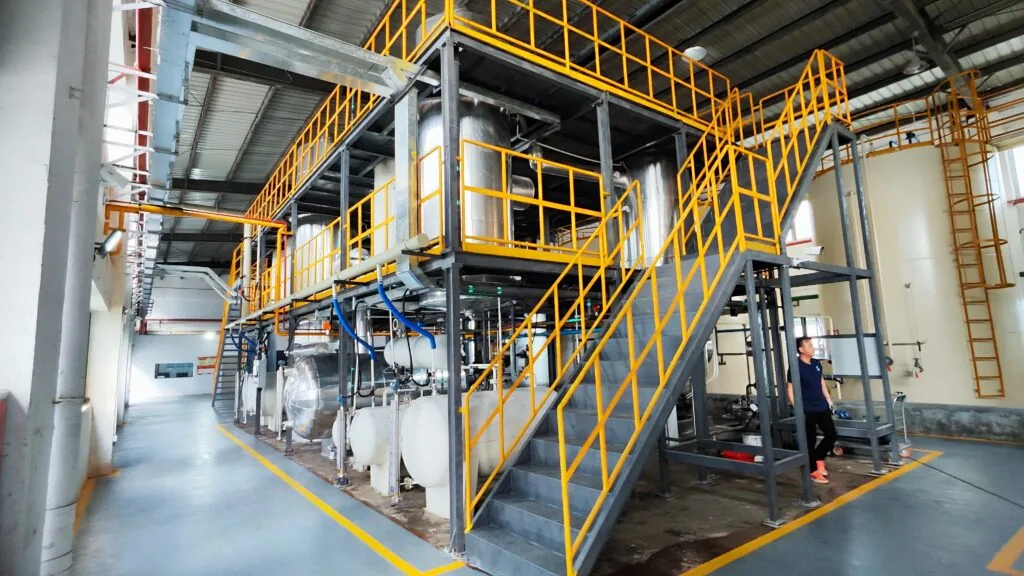
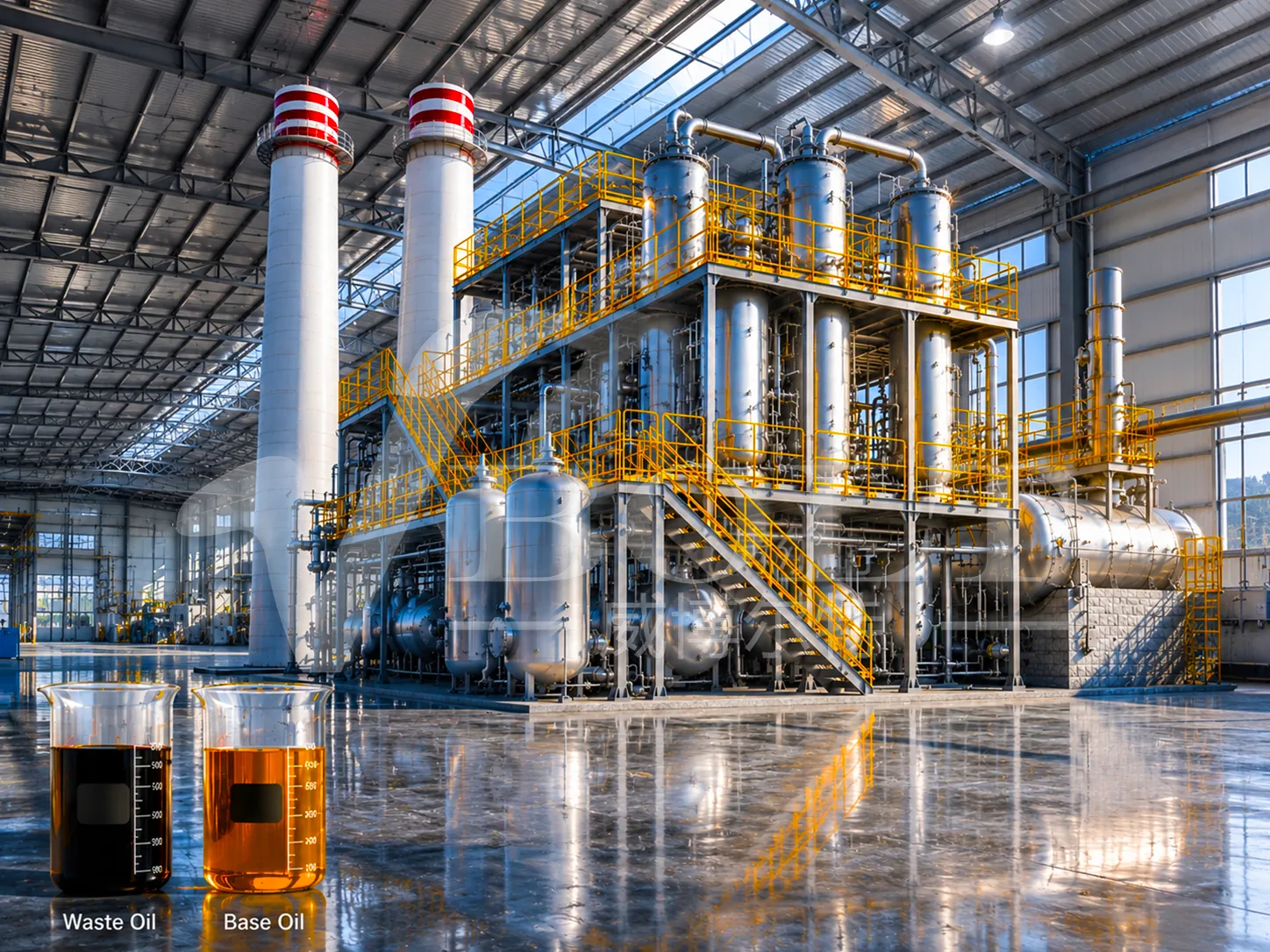
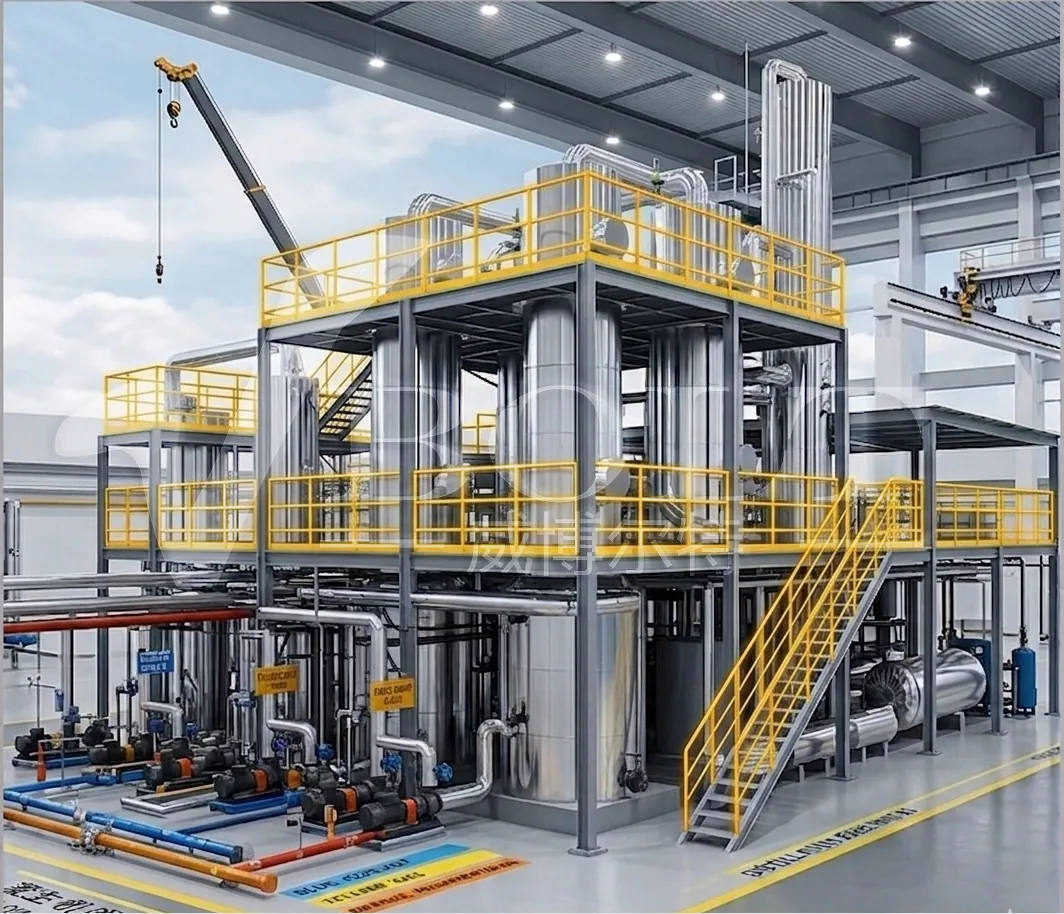
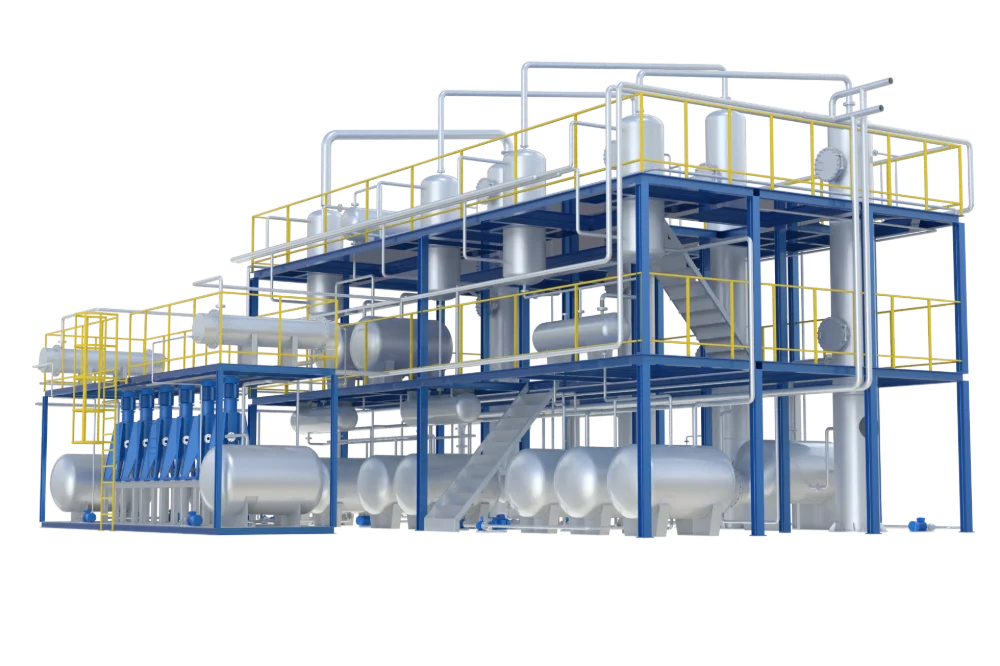
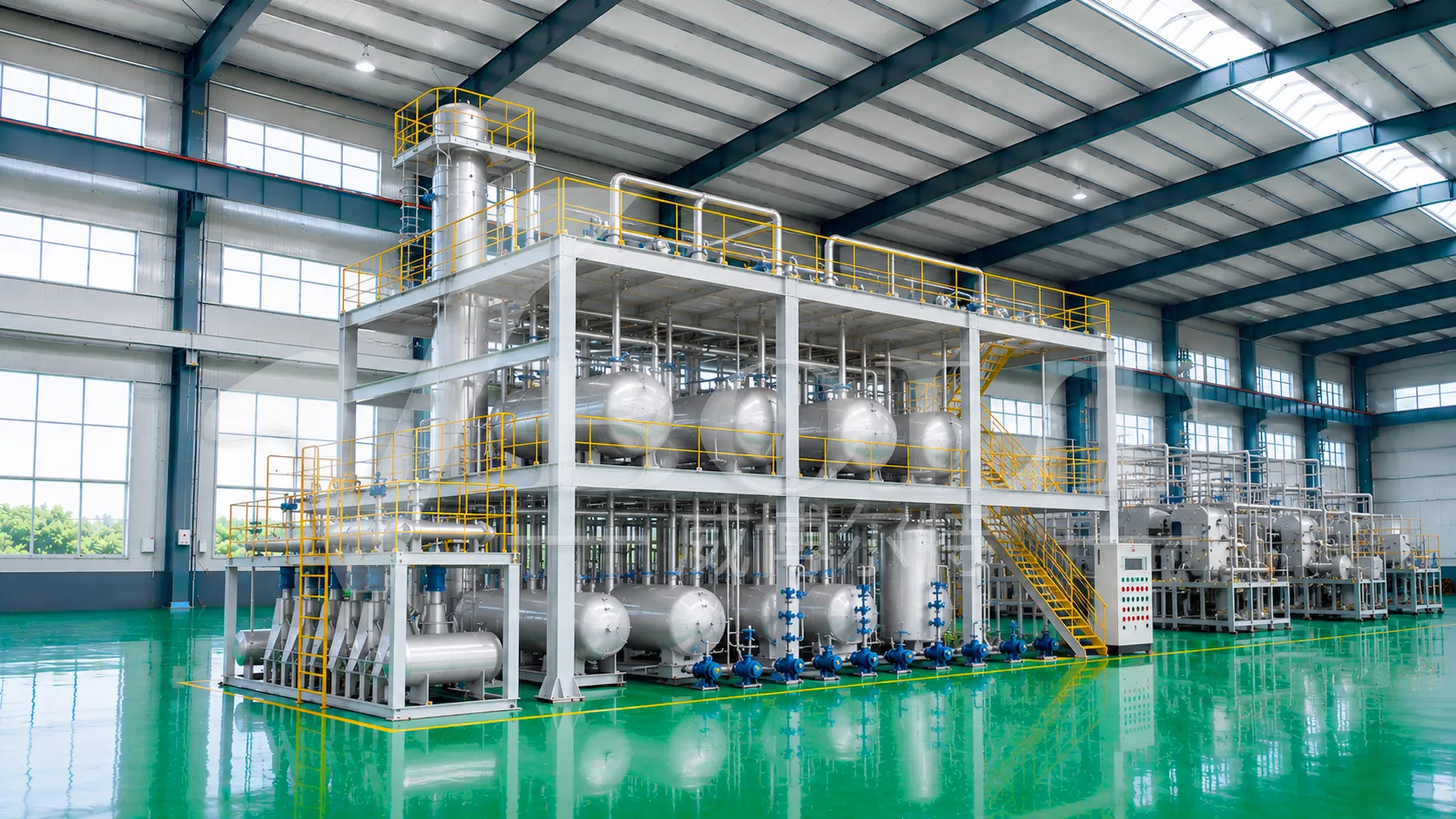
Base Oil Solvent Extraction Plant
The Base Oil Solvent Extraction Plant upgrades a laboratory-qualified base-oil intermediate through test-selected solvent extraction, phase separation and solvent recovery. It can separate targeted aromatic, asphaltenic, resinous and unstable components; final grade and permitted use require complete laboratory analysis and local compliance review.
Plant Product Highlights
- Target-component separation verified with representative feed tests
- Integrated extraction, phase separation and solvent recovery
- Solvent-balance, leak-control and containment review
- Final configuration based on tests, utilities, safety and permits
Product Highlights
This equipment is configured from representative feed analysis, solvent screening, pilot results, material and solvent balances, utility data, site safety requirements and the target base-oil specification.
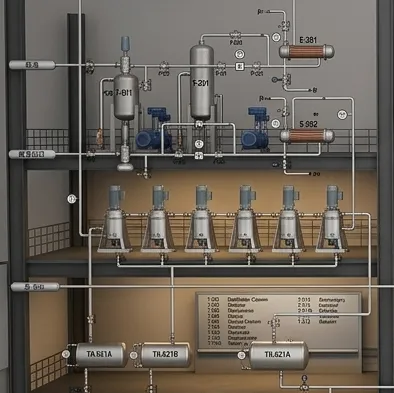
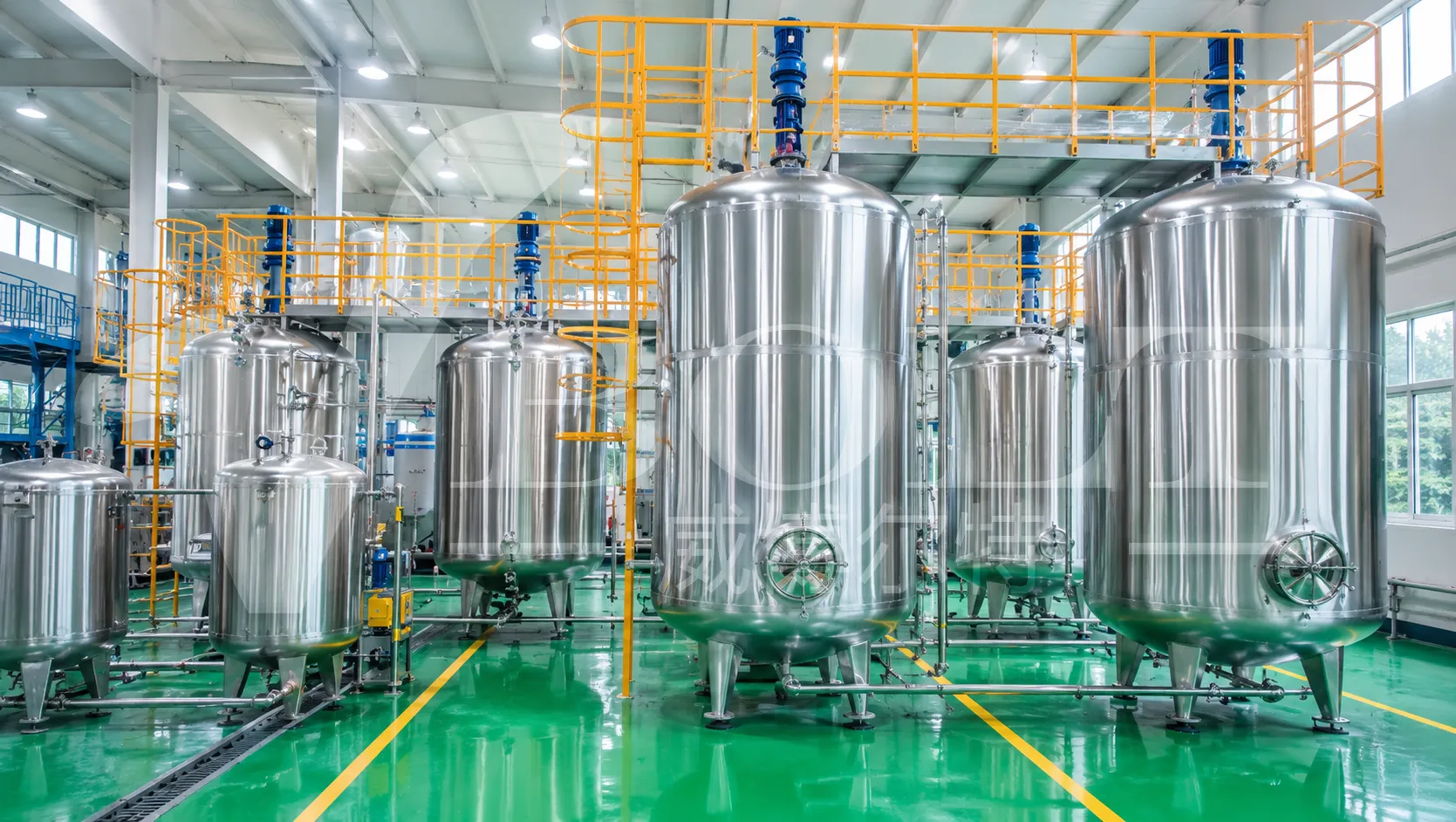
Centrifugal Extraction Technology
A centrifugal extractor can provide controlled mass transfer and phase separation in a compact arrangement. Selection against tower extraction depends on validated feed behavior, solvent ratio, stage requirements and maintainability.
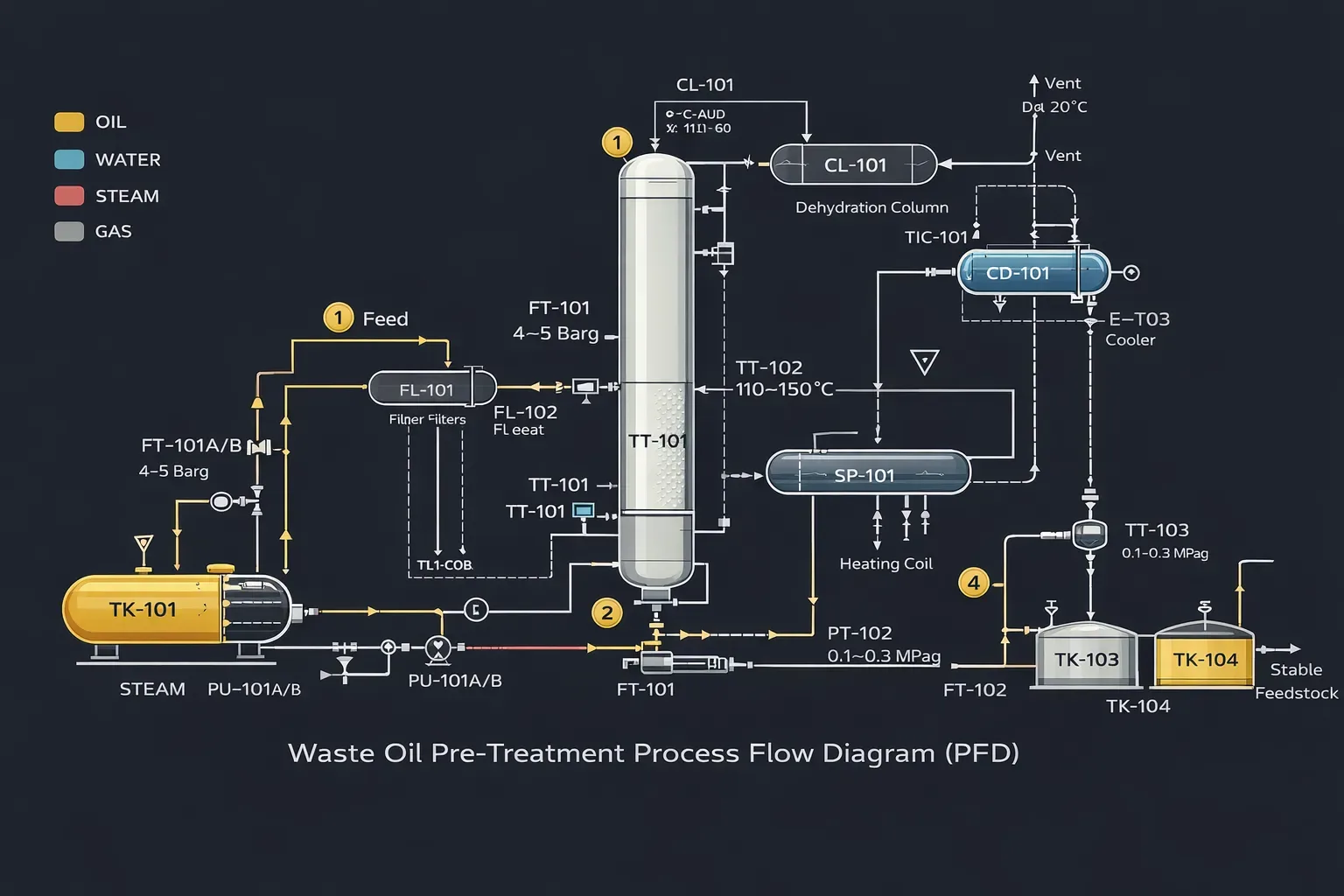
Solvent Recovery and Balance Control
Vacuum recovery and stripping return solvent to the circuit where testing validates the route. Solvent consumption is estimated from the project solvent balance, containment design and operating schedule.
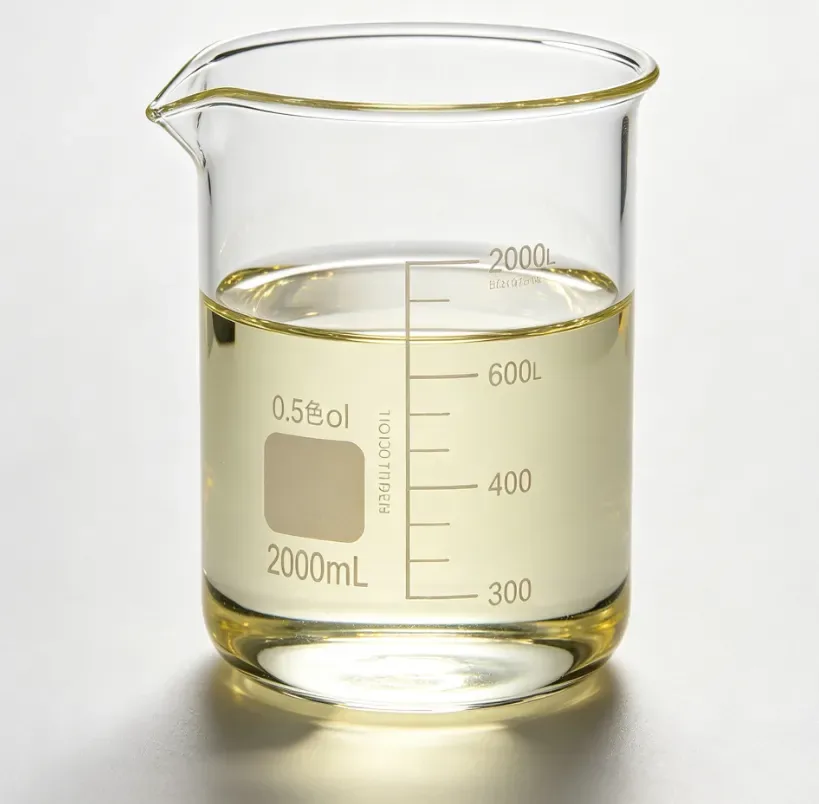
Tested Base Oil Improvement
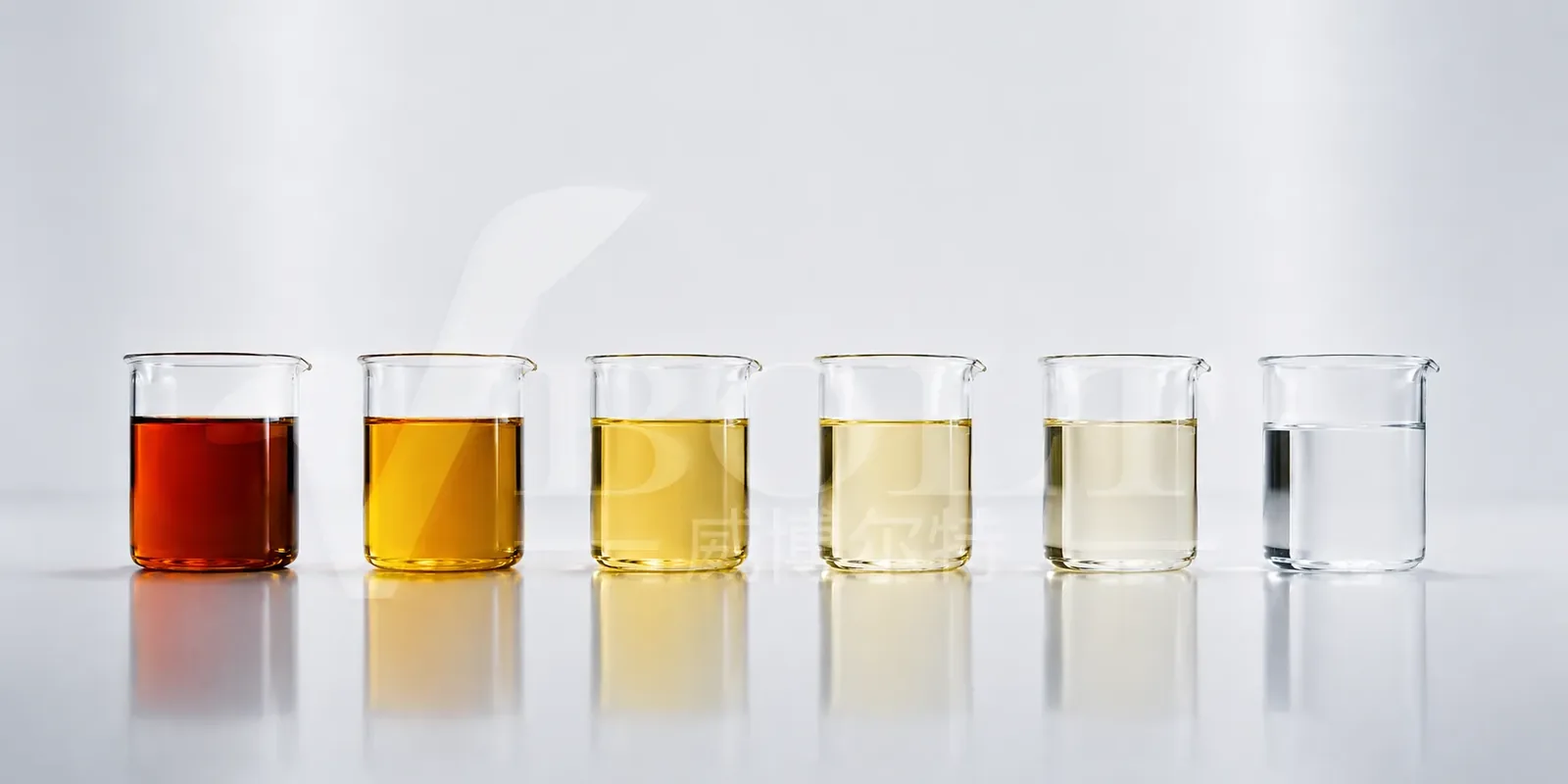
The process may improve color, oxidation stability and carbon-residue properties for suitable feeds. Each lot requires laboratory release testing, and all extract, residue and solvent-loss routes must be documented.
Core Process Technology Modules
The project route combines controlled extraction, phase separation, solvent recovery, stripping and drying. Operating mode and stage count are confirmed from feed tests, the solvent balance and product requirements.
Extraction
The validated solvent transfers targeted components from the qualified oil feed.
Recovery
Project-specific vacuum separation recovers solvent from raffinate and extract.
Stripping
Validated stripping conditions reduce residual solvent in the oil stream.
Drying
Drying prepares the oil for laboratory sampling and release review.
Storage
Released product is transferred to designated storage after required testing.
Detailed Process Introduction
The following modules form an engineering basis only. Final equipment, operating conditions and controls are selected after representative feed testing and project review.
The Core Separation Stage of Base Oil Solvent Refining
The qualified base-oil intermediate and selected solvent enter the extractor within a project-specific temperature range established by testing. Controlled contact transfers targeted aromatic, asphaltenic, resinous and unstable components into the solvent-rich phase before density-based separation.
- Test-Based Selectivity: targets compounds identified during feed analysis.
- Layout Review: footprint is confirmed against access and maintenance needs.
- Controlled Mass Transfer: uses a validated solvent ratio and stage basis.
- Defined Control Basis: matches the approved operating and safety philosophy.
Recovering Solvent with a Verified Material Balance
After extraction, both raffinate and extract contain solvent. Project-specific heating, vacuum distillation and condensation separate and return recoverable solvent to designated storage. Recovery performance and make-up demand are verified from the solvent balance rather than assumed.
- Measured Recovery: verified during commissioning and routine operation.
- Vacuum Operation: uses conditions selected for the solvent and oil matrix.
- Contained Recirculation: includes storage, transfer and leak-control provisions.
- Utility Review: heat and vacuum demand are estimated for the project basis.
Residual Solvent Reduction Before Product Testing
Residual solvent may remain after primary recovery. The stripping stage uses project-selected conditions to reduce it before drying and laboratory testing. The allowable residual-solvent limit comes from the agreed product specification and local requirements.
- Residual Solvent Check: measured against the agreed release limit.
- Product Testing: confirms properties rather than assuming a grade.
- Operating Mode: defined from throughput, control and maintenance needs.
- Integrated Utilities: reviewed with steam, vacuum and condensate systems.
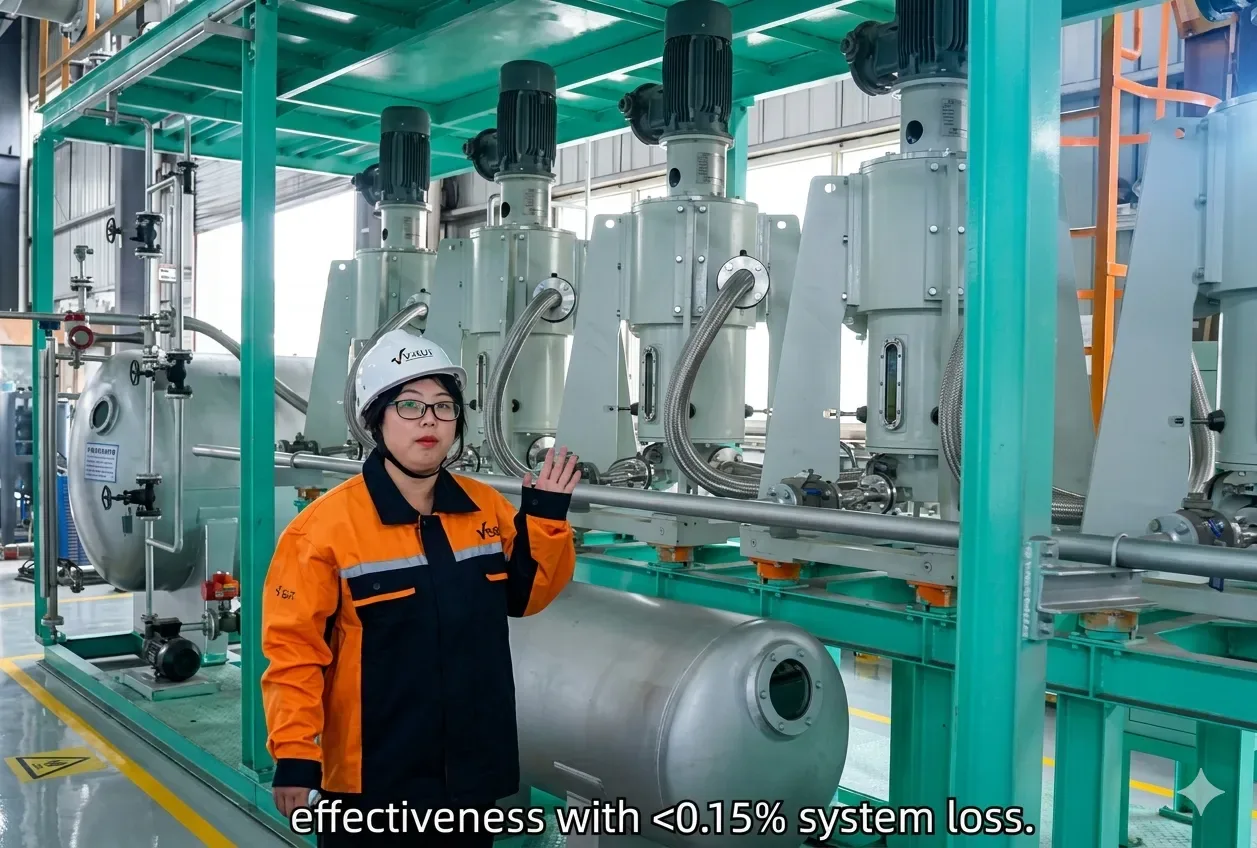
Final Moisture Removal Before Product Storage
The oil enters the drying stage under controlled conditions to reduce moisture before representative sampling. Transfer to the designated product tank occurs only after the required laboratory results satisfy the agreed release specification.
- Moisture Verification: confirms the result against the product limit.
- Appearance Review: records color and visible contamination.
- Downstream Suitability: depends on the complete laboratory report.
- Controlled Release: prevents untested oil from entering product storage.
Project Testing and Product Release Basis
The figures below illustrate the engineering review sequence only. They are not guaranteed product, yield, recovery, cost or operating results; project values require representative feed and solvent trials.
Model Selection Guide
Use these ranges only for preliminary discussion. Final capacity and configuration require representative feed analysis, solvent trials, a material and solvent balance, target product tests, utilities, containment, safety and permit review.
| Model Type | Preliminary Feed Range | Typical Project Context | Engineering Scope | Selection Basis |
|---|---|---|---|---|
| Pilot Unit | 5–10 L / Batch | Bench and pilot work for feed, solvent and process validation | Bench or pilot scope | Generates data required before commercial equipment selection |
| Compact Plant | 5 – 15 T / Day | Qualified lower-throughput projects with confirmed feed and product targets | Project-specific compact scope | Confirm layout, utilities and solvent handling for the site |
| Standard Plant | 20 – 30 T / Day | Qualified medium-throughput projects after pilot and engineering review | Project-specific standard scope | Requires validated feed, solvent balance and release specification |
| Large Scale Plant | 30 – 60 T / Day | Qualified industrial projects with documented feed supply and utilities | Project-specific industrial scope | Selection depends on verified feed volume, campaign schedule and site integration |
Pilot Unit
TestingCompact Plant
EntryStandard Plant
Engineering ReviewLarge Scale Plant
IndustrialVerified Intermediate Feed
Confirm the available feed is a suitable base-oil intermediate and document its variability before sizing.
Solvent and Safety Basis
Select the solvent, ratio, containment, ventilation and hazardous-area provisions from test and site data.
Product Specification and Release
Define the target base-oil specification and release every lot only after the required laboratory tests pass.
Project Parameters and Product Tests
These entries define what must be confirmed during testing and engineering. They are not fixed guarantees and must be finalized for the representative feed, solvent, site and target product.
| Parameter | Project Verification Basis | Engineering or Release Requirement |
|---|---|---|
| Extraction Solvent | Selected from feed tests; NMP where validated | Selection based on representative feed and solvent screening |
| Extraction Conditions | Defined by feed tests, solvent ratio and stage configuration | Confirm the operating window during pilot and commissioning work |
| Solvent Balance | Estimated from recovery design, containment and schedule | Verify recovery, make-up, leaks and inventory during operation |
| Operation Mode | Defined by the approved process and maintenance basis | Match controls, staffing, shutdown and maintenance requirements |
| Equipment Footprint | Confirmed by final layout and access requirements | Compare equipment access, maintenance and site constraints |
| Environmental Controls | Solvent containment, ventilation, emissions and residue plan | Requires project-specific environmental and permit review |
| Product Tests | Viscosity, VI, flash point, sulfur, color, CCR, water and required properties | Use complete results to assess the agreed base-oil specification |
| Product Release | Each lot checked against the agreed product specification | Transfer only released product to the designated storage tank |
Extraction Solvent
Extraction Conditions
Solvent Balance
Operation Mode
Equipment Footprint
Environmental Controls
Product Tests
Product Release
Third-Party Verification
Representative feed tests support process design, while every base-oil product lot requires independent release testing against the agreed grade. A sample report is evidence of one tested sample, not a guarantee for other feeds or projects.
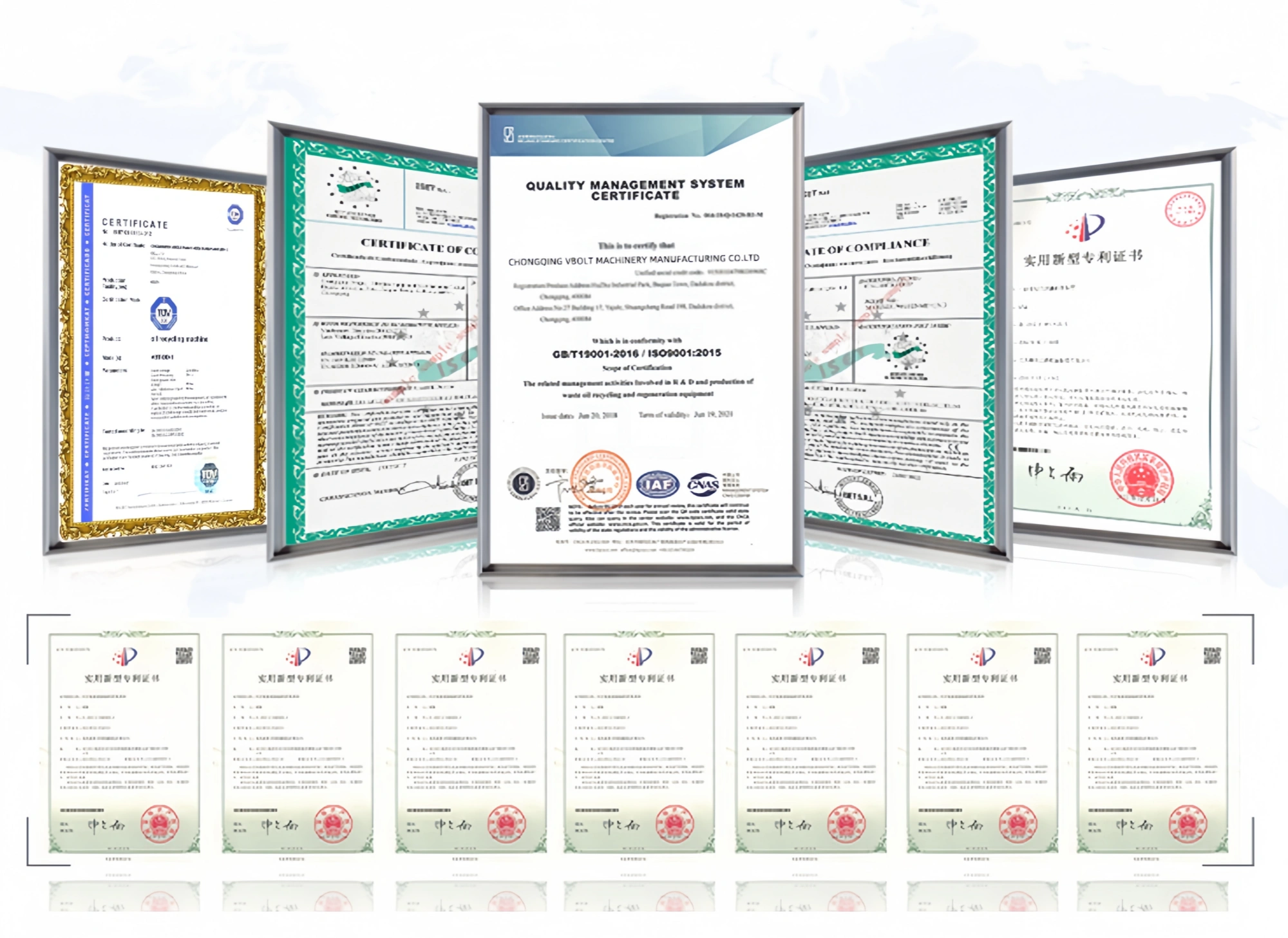
Independent Base Oil Product Testing
Qualified laboratories can test viscosity, viscosity index, flash point, sulfur, color, carbon residue, water, acidity and any additional properties required by the target base-oil specification.
- Viscosity and viscosity-index results
- Water, acidity and contamination checks
- Flash point, sulfur, color and carbon residue
- Release decision against the agreed base-oil specification
Applications & Feedstocks
The system is intended for qualified base-oil intermediates from re-refining or industrial oil upgrading projects. Raw waste oil is not accepted by name alone; representative analysis and pretreatment requirements must be reviewed first.
Qualified Re-Refined Intermediate
A tested oil intermediate with defined contaminants and target properties.
Upstream Pretreatment Review
Confirm dehydration, solids removal, distillation and other required upstream steps.
Integrated Re-Refining Projects
Integrate extraction and recovery only after the full process route is verified.
Solvent Recovery Integration
Review solvent storage, recovery, containment, make-up and waste handling.
Representative Feed Testing
Test each feed family before confirming suitability or equipment capacity.
Vacuum-Distilled Intermediate
A common candidate where analysis supports selective solvent extraction.
Selected Industrial Oil Fractions
Accept only fractions supported by composition, safety and solvent tests.
Target Product Specification
Set laboratory release limits for every property required by the intended use.
Project Cases
Representative configurations and sample images for engineering discussion. They do not guarantee capacity, product grade, operating cost or commercial results for another feed or site.
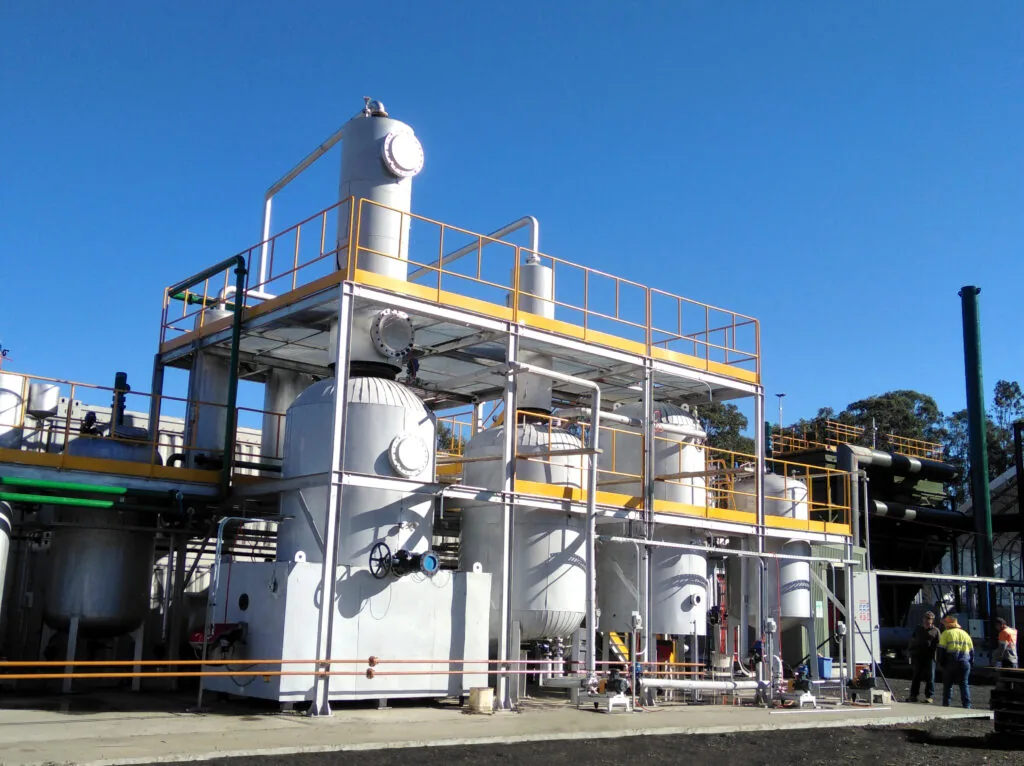
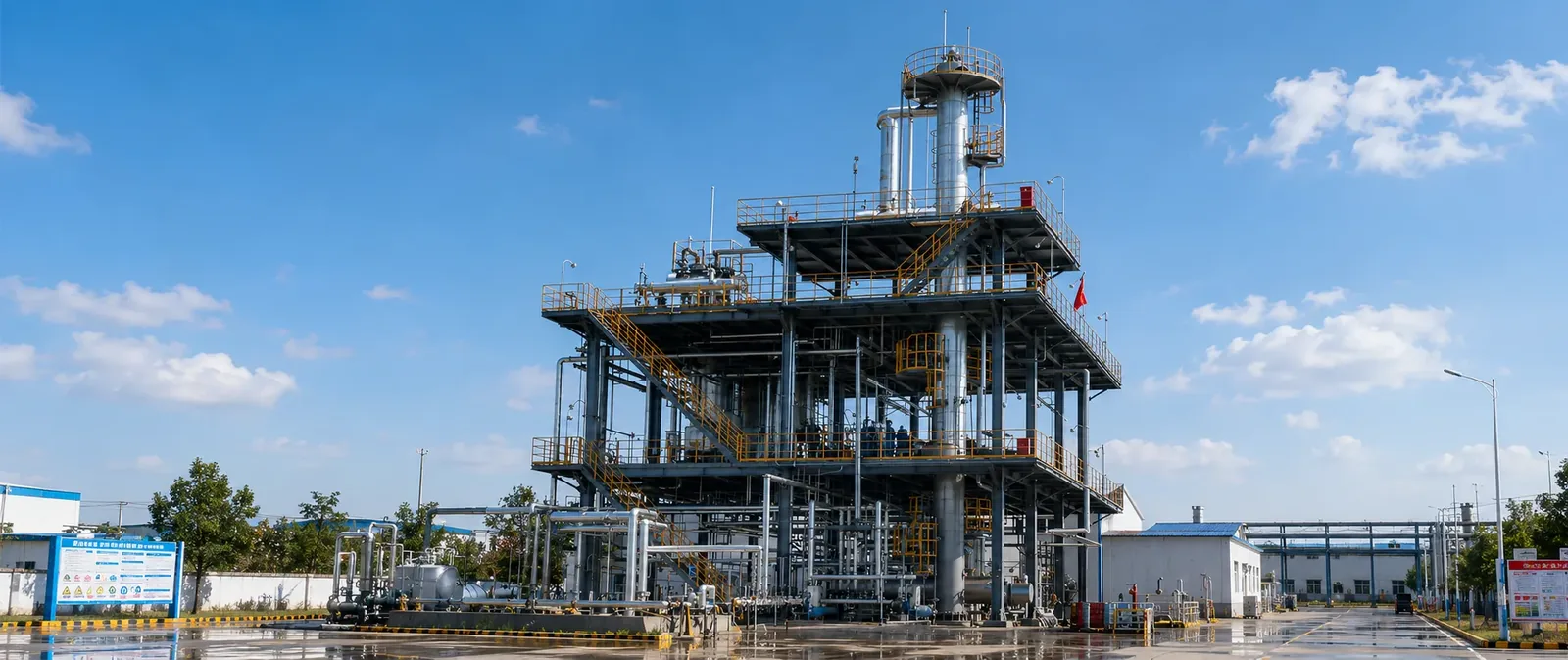
Representative Vietnam Project Reference
Reference Scope: Nominal 30 T / Day
This reference indicates the equipment arrangement used for a base-oil upgrading project. Feed suitability, operating conditions, product results and local compliance must be verified from project records.
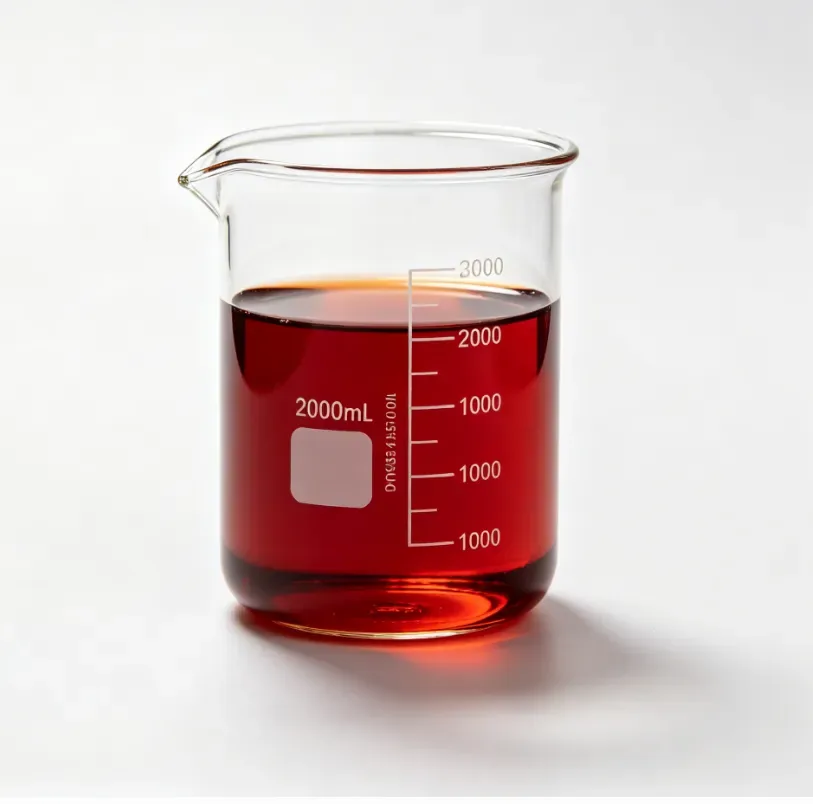
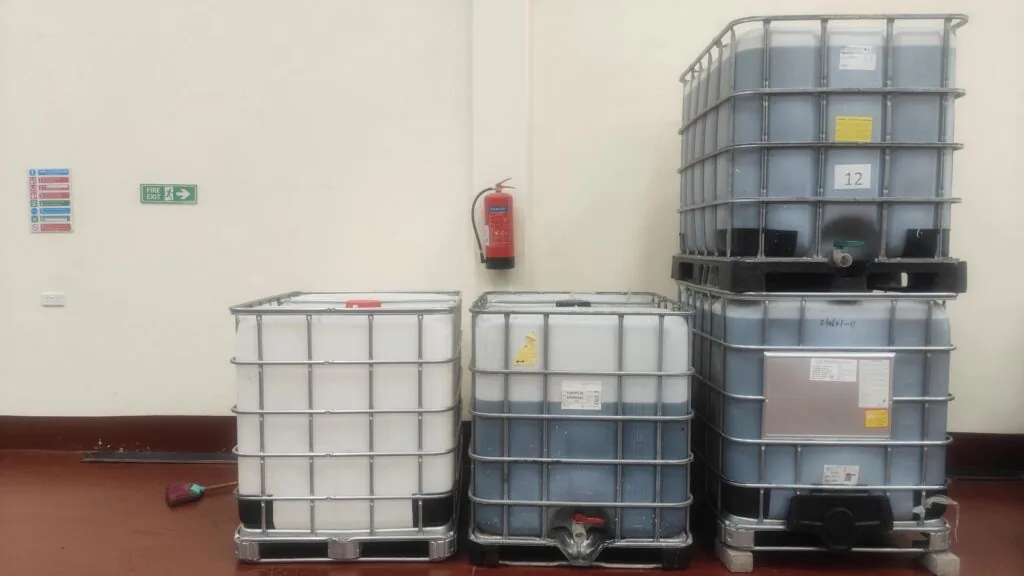
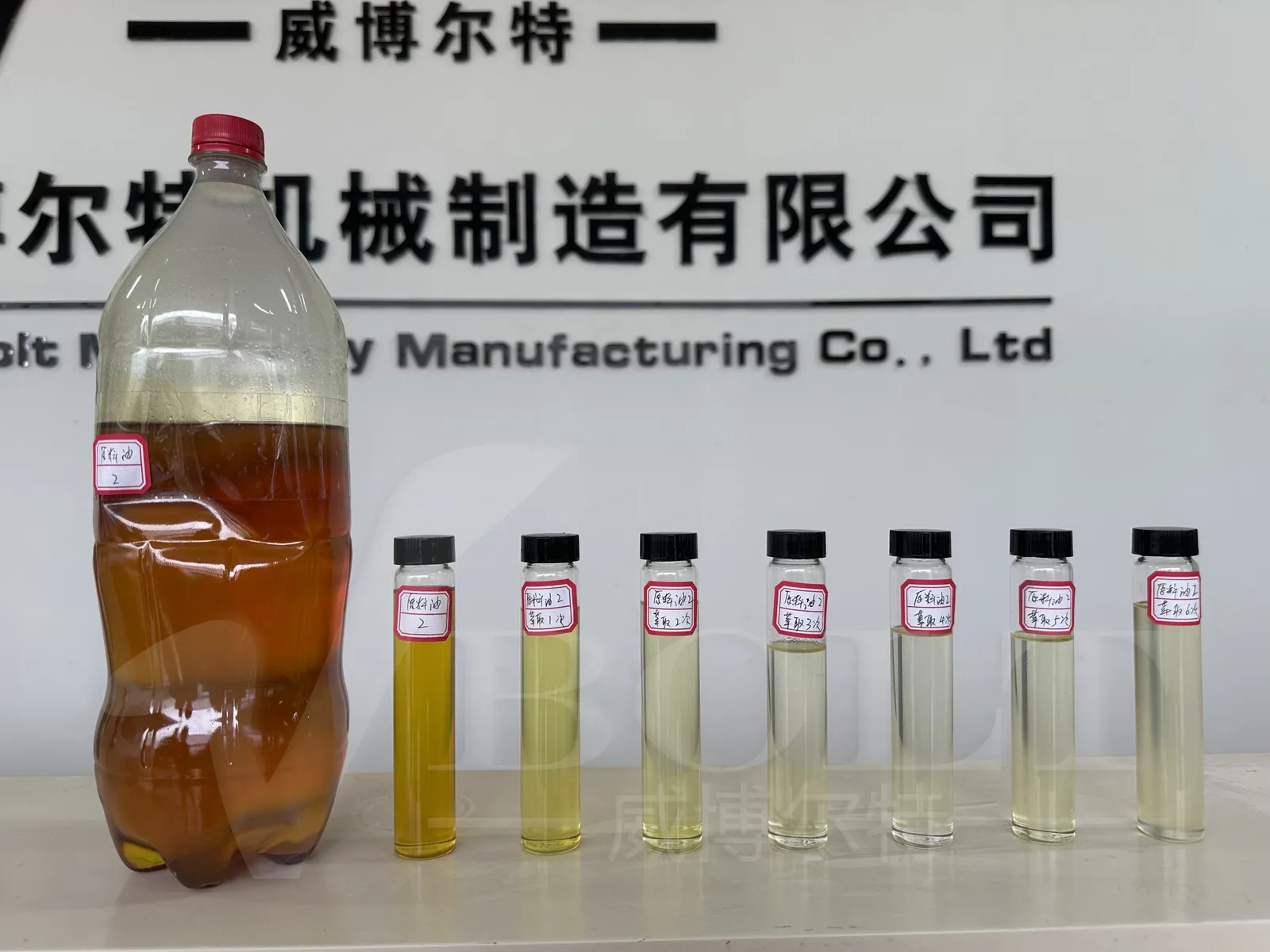
Representative Feed Sample
Status: Illustrative pre-extraction sample
Appearance alone cannot determine suitability. Viscosity, carbon residue, sulfur, water, solids and other required properties must be measured before process selection.
Representative Post-Extraction Sample
Status: Illustrative post-extraction sample
A visual change does not establish a base-oil grade. Release requires the complete laboratory report to satisfy the agreed product specification and intended-use requirements.
Frequently Asked Questions
Key technical and compliance questions to resolve before selecting a solvent extraction system.
The system treats a qualified base-oil intermediate with test-selected solvent extraction, phase separation, solvent recovery, stripping and drying. The exact target compounds and achievable product properties depend on feed and trial data.
NMP may be considered where representative trials confirm its selectivity, solvency, viscosity, safety and recovery behavior. The final solvent and ratio are project-specific.
The operating mode and campaign schedule are defined from validated throughput, control philosophy, staffing, maintenance and safety requirements. Continuous operation is not assumed without that review.
Suitable feeds may show changes in color, carbon residue and oxidation-related properties, but no grade is guaranteed. Complete laboratory testing determines whether the agreed specification is met.
The route avoids introducing an acid-clay treatment stage, but it still requires solvent containment, ventilation, emissions control and documented handling of extract, residues and wastes. Local permits and compliance review remain mandatory.
Need a Base Oil Solvent Extraction Plant?
Send representative feed analysis, target product specification, required throughput, campaign schedule, utility data and site safety or permit constraints. These inputs support a preliminary process and layout review.
Request Project Review