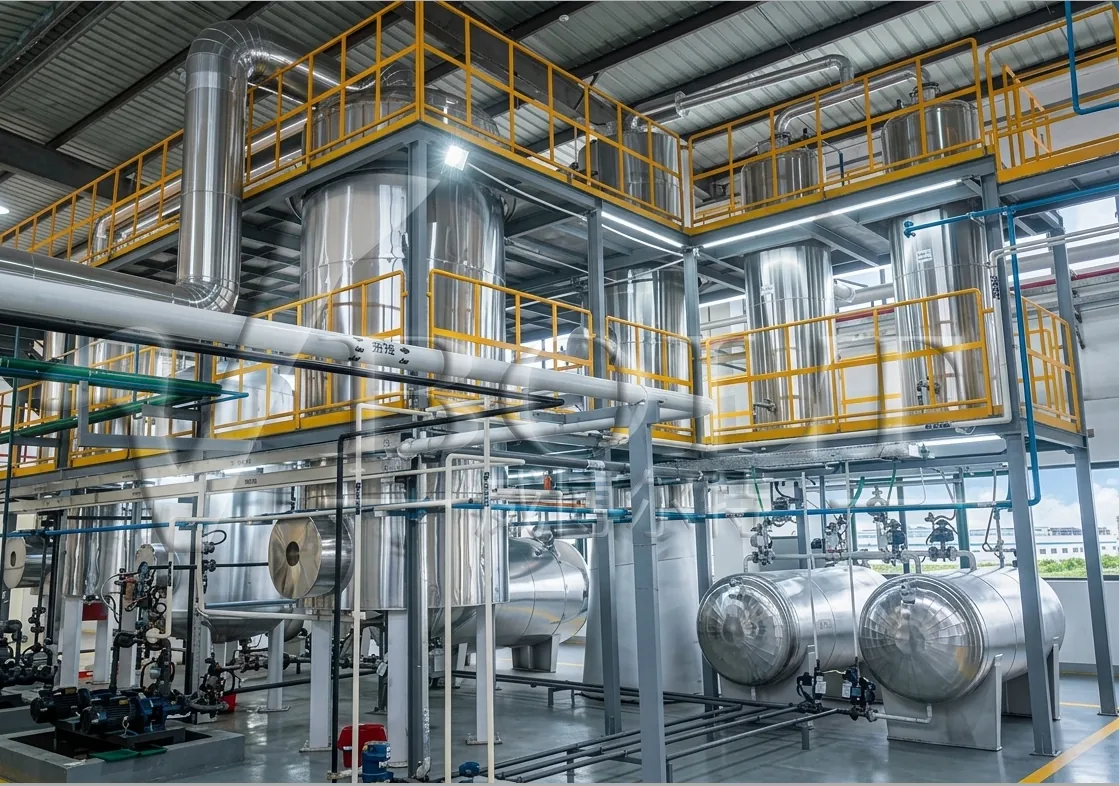
Waste oil recycling solutions and project engineering
HomeSolutions

Waste Oil Recycling Solutions

VBOLT develops project-specific process routes for used-oil re-refining to base oil, waste-oil distillation to diesel-range fractions, base-oil solvent extraction, lubricant blending, diesel desulfurization and industrial oil purification. The right route depends on the feedstock, target product, required capacity and local operating conditions.

A project review starts with representative feedstock data and a defined product specification. VBOLT then evaluates pretreatment, separation, finishing, utilities, automation, emissions, residue handling and laboratory testing as one system. Yield and product quality are engineering estimates under stated assumptions; they should be confirmed through agreed testing and acceptance criteria.

  • Waste oil recycling process and equipment planning
  • Waste oil treatment project engineering

Project Design Objectives

Match Feedstock to the Process Route

Use representative analysis to identify water, light ends, solids, metals, additives, sulfur and other contaminants before selecting equipment.

Define a Measurable Product Target

Set laboratory limits for the intended base-oil fraction, diesel-range fraction, blended lubricant or purified industrial oil.

Size the Plant from Material Balance

State feed rate, operating hours, recoverable fractions, water, gas and residue instead of treating nameplate capacity as saleable output.

Integrate Utilities and Compliance

Coordinate heating, cooling, vacuum, power, storage, ventilation, emissions control and residue handling with the actual site.

Verify Performance at Acceptance

Define the feedstock window, test method, sampling plan, operating period and responsibilities before commissioning.

Feedstock Characterization

Used engine oil, mixed lubricants, hydraulic oil, transformer oil and pyrolysis oil do not behave the same way. A representative sample should be tested for water, sediment, viscosity, density, ash, metals, sulfur, flash point and distillation behavior as applicable. Uncontrolled mixtures of solvents, chlorinated compounds or other hazardous contaminants can change the process route and permitting requirements.

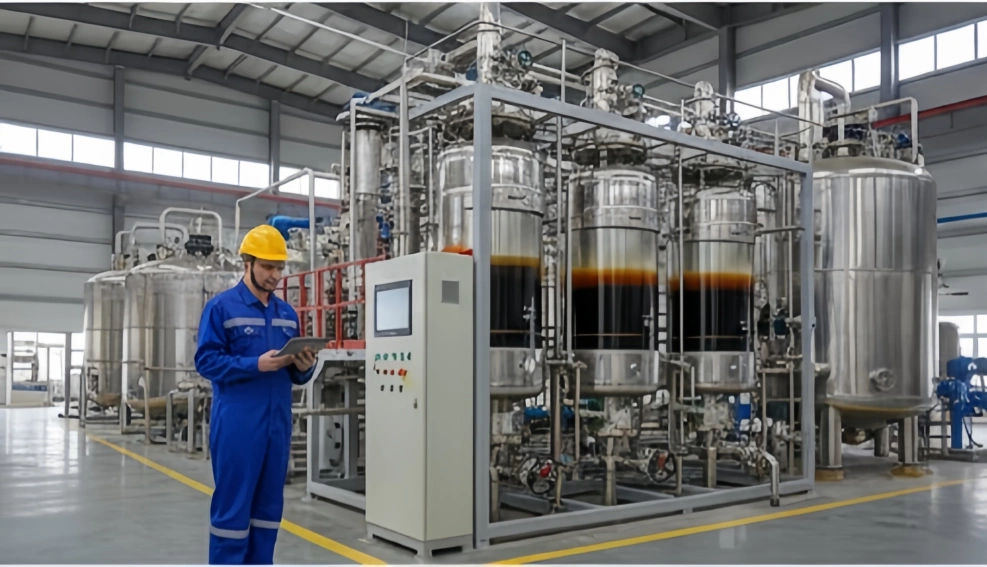
Waste oil feedstock and process route assessment

Product Route and Quality Targets

The target must be defined before equipment selection. Base-oil classification depends on measured properties and the applicable standard, not on color or the use of a distillation unit. Diesel-range distillate is not automatically road diesel; use in vehicles, engines or generators requires testing against the applicable fuel specification and local law. Lubricant blending also requires an approved formulation, compatible additives and batch-release testing.

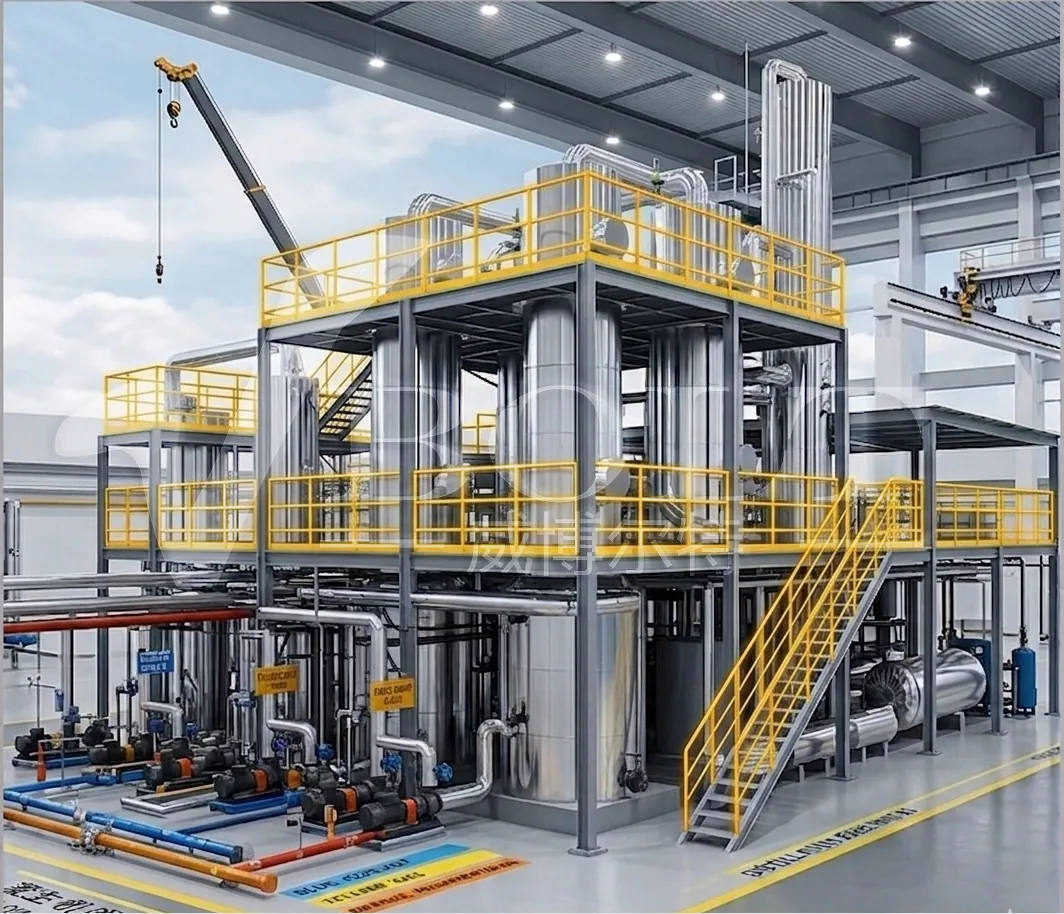
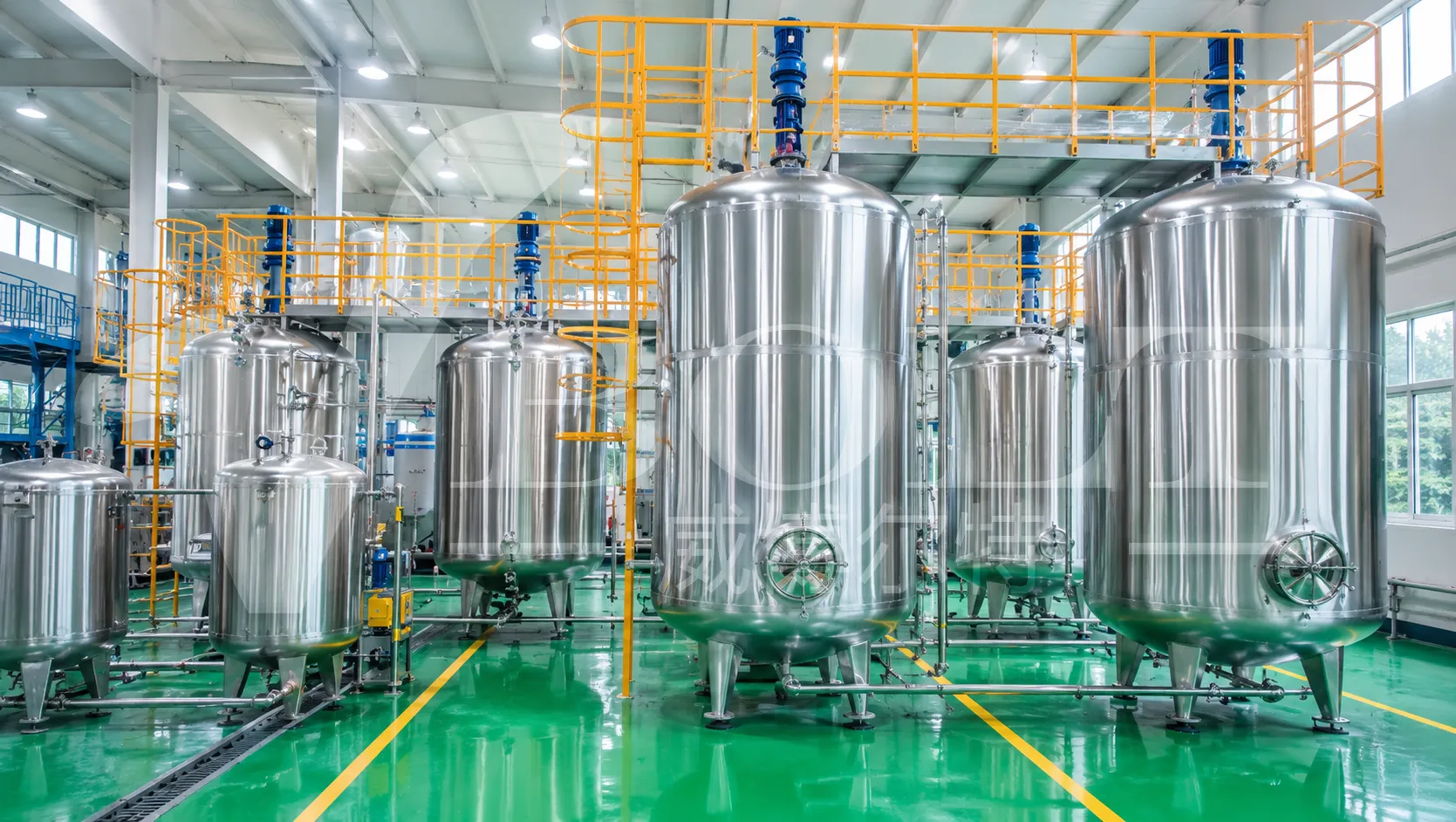
Waste oil recycling process and equipment planning

Pretreatment and Core Separation

Pretreatment may include screening, settling, filtration, dehydration and light-ends removal. Vacuum distillation can recover lubricant-range fractions while limiting thermal stress; atmospheric or vacuum fractionation may be used for suitable diesel-range feedstocks. The exact sequence, operating pressure and cut points should follow feedstock trials and product targets.

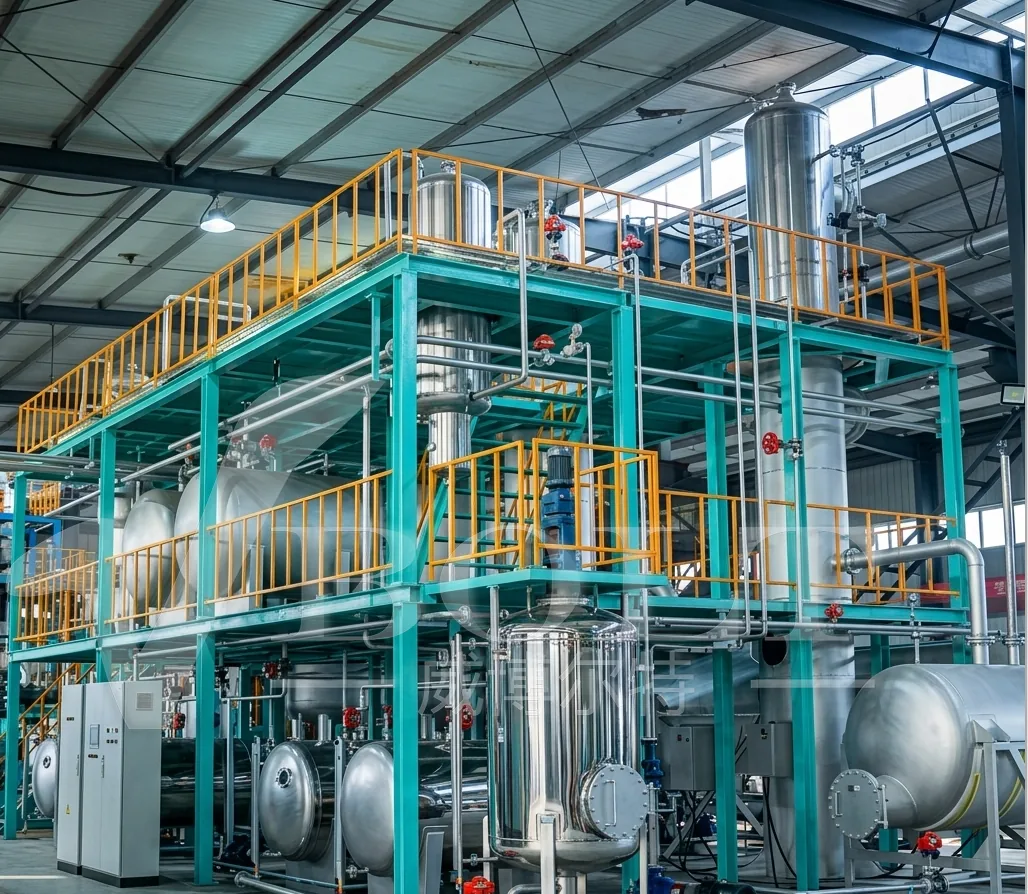
Waste oil treatment project engineering

Finishing and Product Verification

Finishing can include solvent extraction, adsorption, fine filtration or another project-specific step when supported by testing. A laboratory plan should define sampling points and release limits for viscosity, flash point, water, sulfur, carbon residue, acidity, color and other properties required by the intended application. No single polishing step guarantees a marketable product from every feedstock.

Waste oil feedstock and process route assessment

Capacity, Utilities and Automation

Plant capacity should be stated as feed throughput at defined operating hours. The design should also identify heating duty, electrical load, cooling demand, vacuum requirements, storage, transfer systems, instrumentation and operator coverage. Batch, semi-continuous and continuous configurations have different feedstock, maintenance and operating requirements; selection should follow the project duty rather than a generic efficiency claim.

Waste oil recycling process and equipment planning

Safety, Emissions and Residue Handling

The scope should address closed transfer, pressure and temperature protection, non-condensable process gas, ventilation, fire protection, wastewater, sludge and heavy residue. Storage, testing, transport, treatment, recovery or disposal routes must match the site's permits and local requirements. Heavy residue should not be assumed to be a saleable product.

Waste oil treatment project engineering

Project Engineering and Acceptance

A complete proposal should define battery limits, included equipment, excluded civil work, utilities, control philosophy, documentation, installation support, commissioning and operator training. Performance acceptance should use an agreed feedstock window, operating period, sampling method and independent or mutually accepted laboratory testing. Material-balance figures remain engineering estimates until the agreed test is completed.

Waste oil feedstock and process route assessment

What a Project-Specific Solution Delivers

Waste oil treatment project engineering

VBOLT treats the solution as an equipment and engineering scope built around the supplied project data. It is not a blanket promise that every waste oil will produce the same yield or meet the same product specification.

1. A defensible process route linked to representative feedstock analysis and the intended product.

2. A transparent material balance covering recovered fractions, water, process gas and heavy residue.

3. A defined equipment boundary that identifies included systems, utilities, storage and site responsibilities.

4. Measurable quality criteria supported by documented sampling and laboratory test methods.

5. Safer project integration through review of controls, emissions, residue handling and local compliance inputs.

6. Clear commissioning and acceptance with agreed operating conditions, training, documents and performance checks.

Recommended Products

Limited Resources Infinite Recycling

Empowering Industries with Innovation.

View More Contact Us Now

Home

Tel

Email

WhatsApp

Talk to an Expert