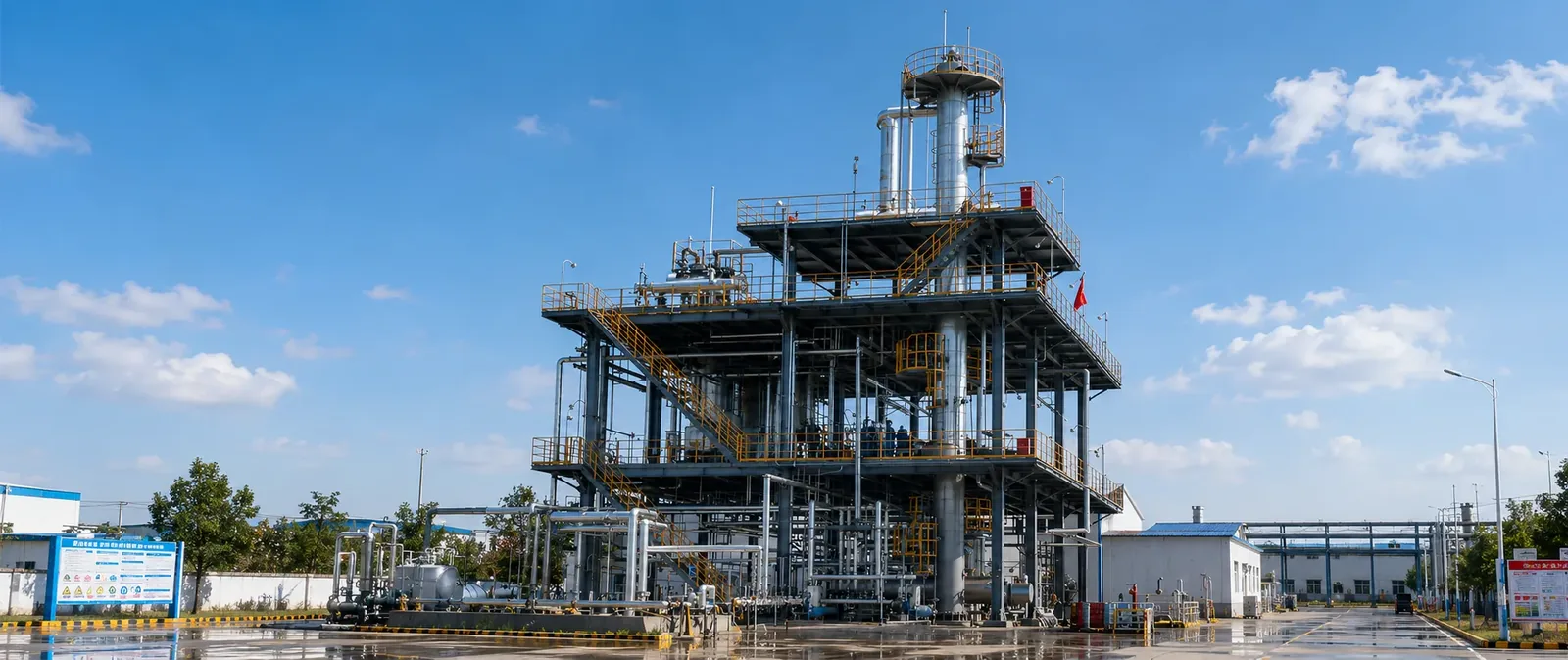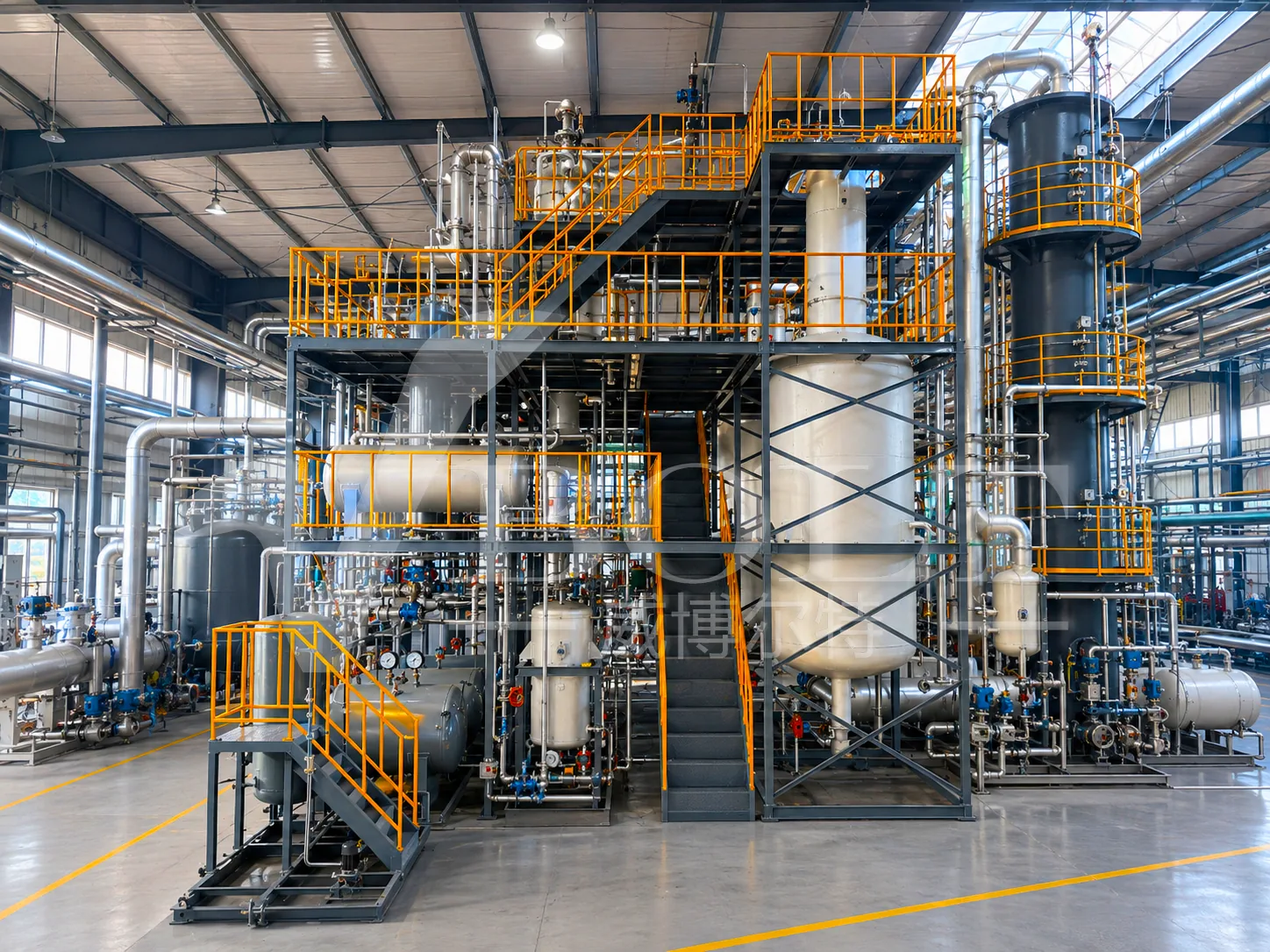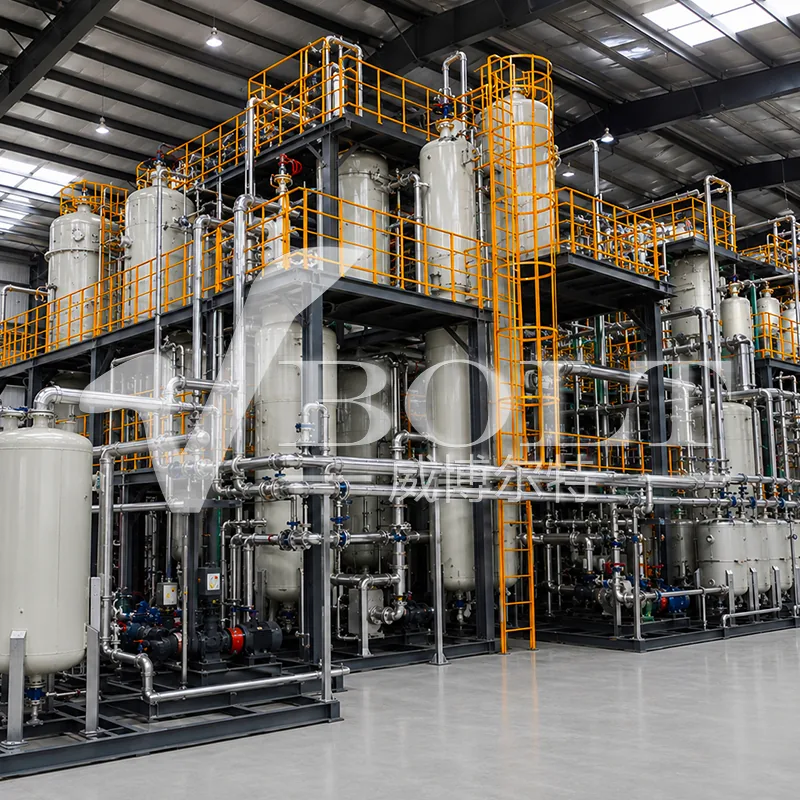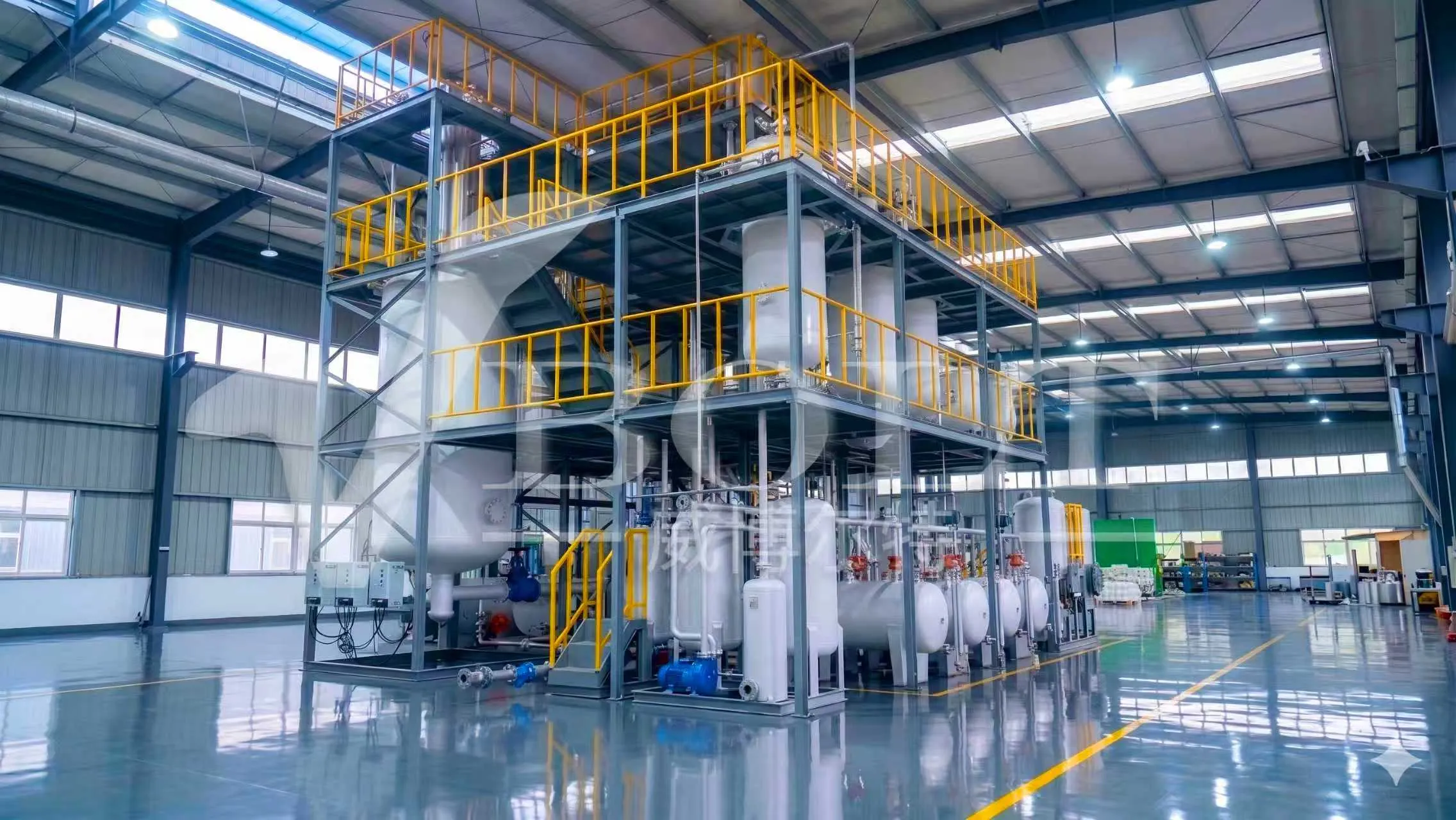






1. Fully Automatic Blending Process
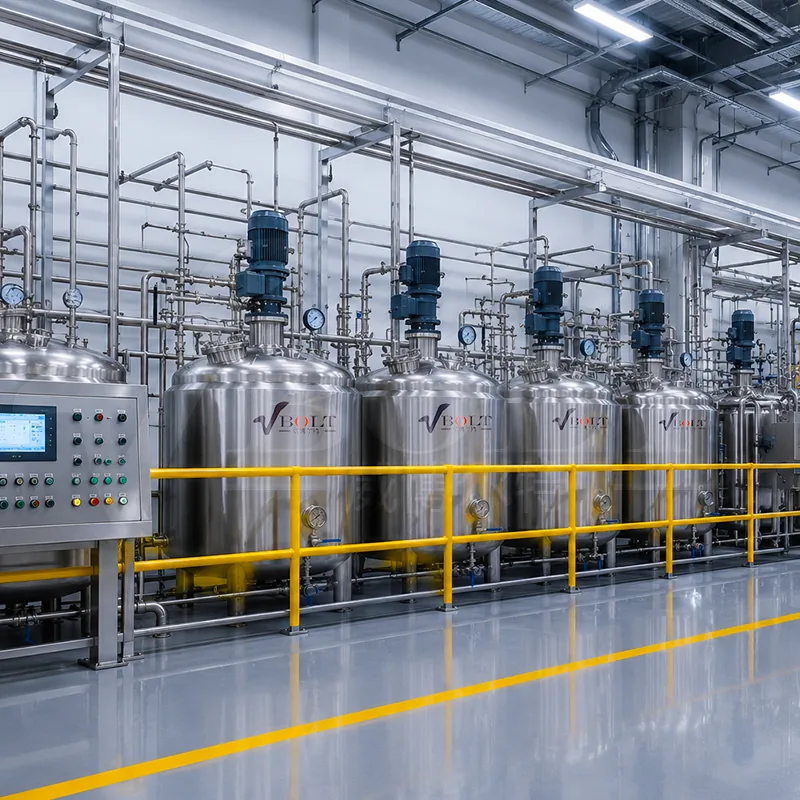
PLC and HMI controls can manage dosing, recipe sequencing, mixing and discharge. The approved control philosophy, instrument accuracy and batch records define the achievable level of automation and repeatability.
2. High Precision and Consistency
Flow meters and weighing instruments support controlled dosing when selected, calibrated and maintained for the recipe range. Finished-product uniformity must be confirmed by sampling and laboratory tests.
3. Energy-Saving & Rapid Mixing
Mixer type, circulation rate, temperature and batch size are selected from formulation trials. Blending time and energy demand are project-specific engineering results, not fixed savings claims.
4. Flexible Formula Management
The controller is configured for the approved number of base-oil and additive streams. Recipe permissions, revision history, batch records and data retention are defined by the customer quality system.
5. Clean and Environmental Design
Closed transfer and optional cleaning provisions can reduce cross-contamination when correctly designed and operated. Ventilation, hazardous-area classification, emissions control and local compliance require project-specific review.
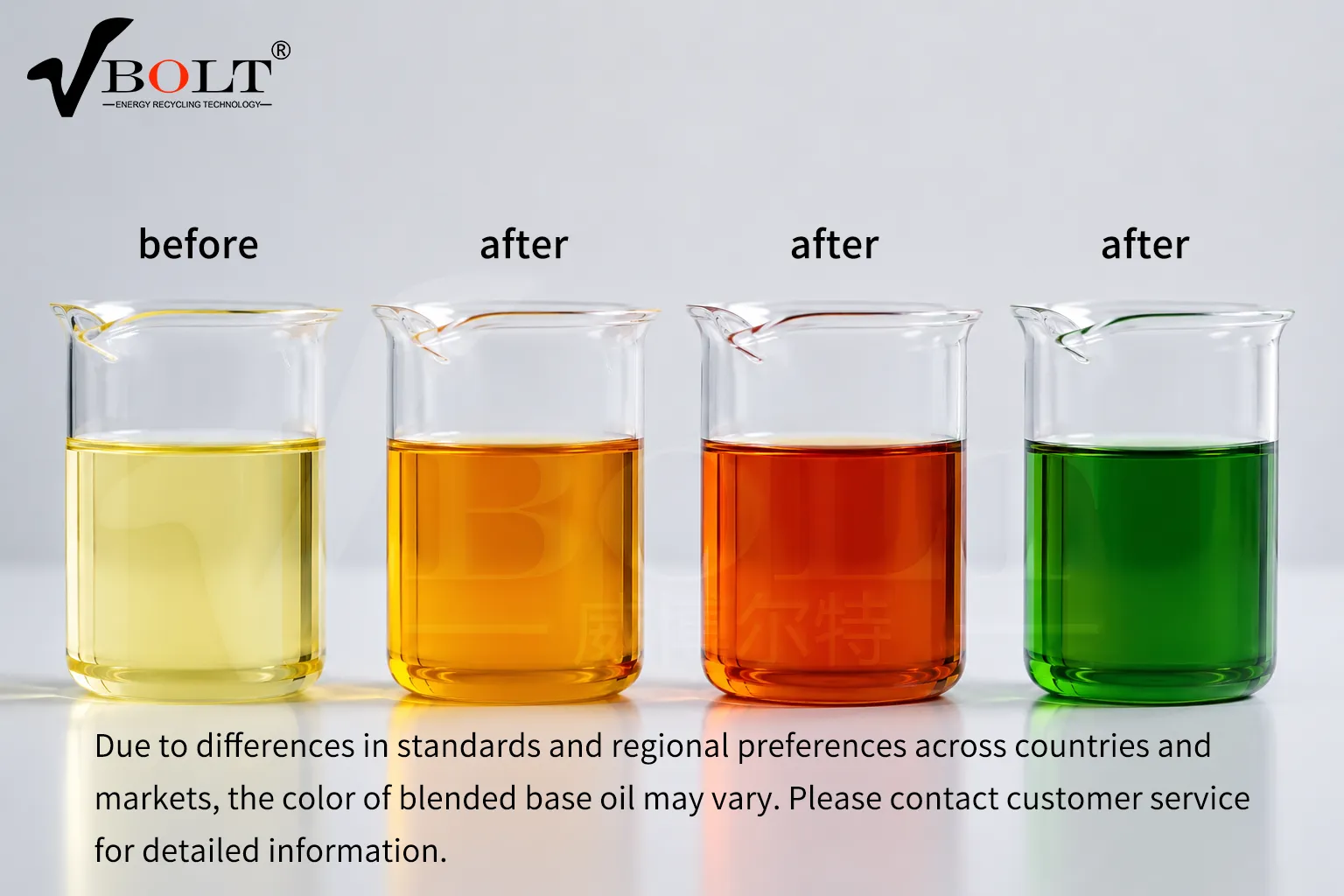
Lubricating Oil Blending Production Line
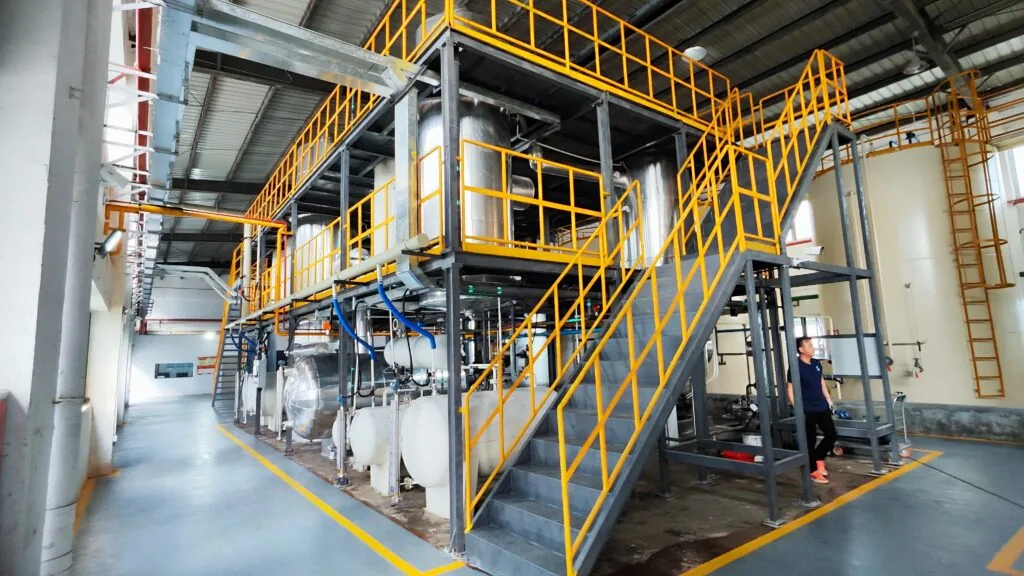
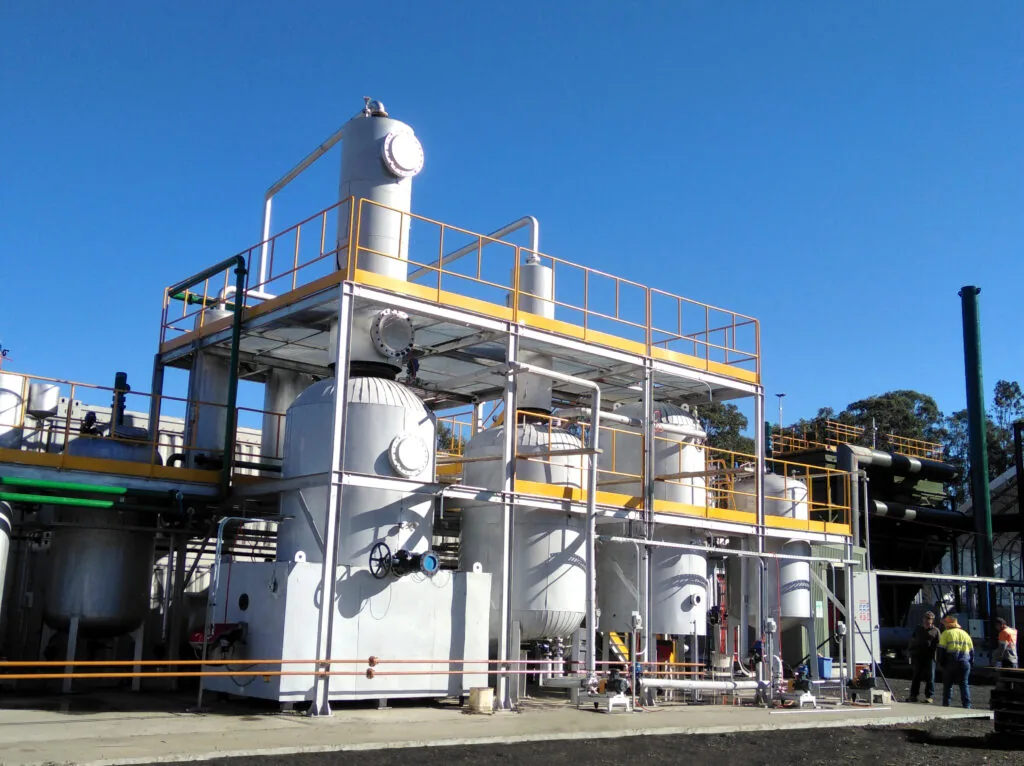
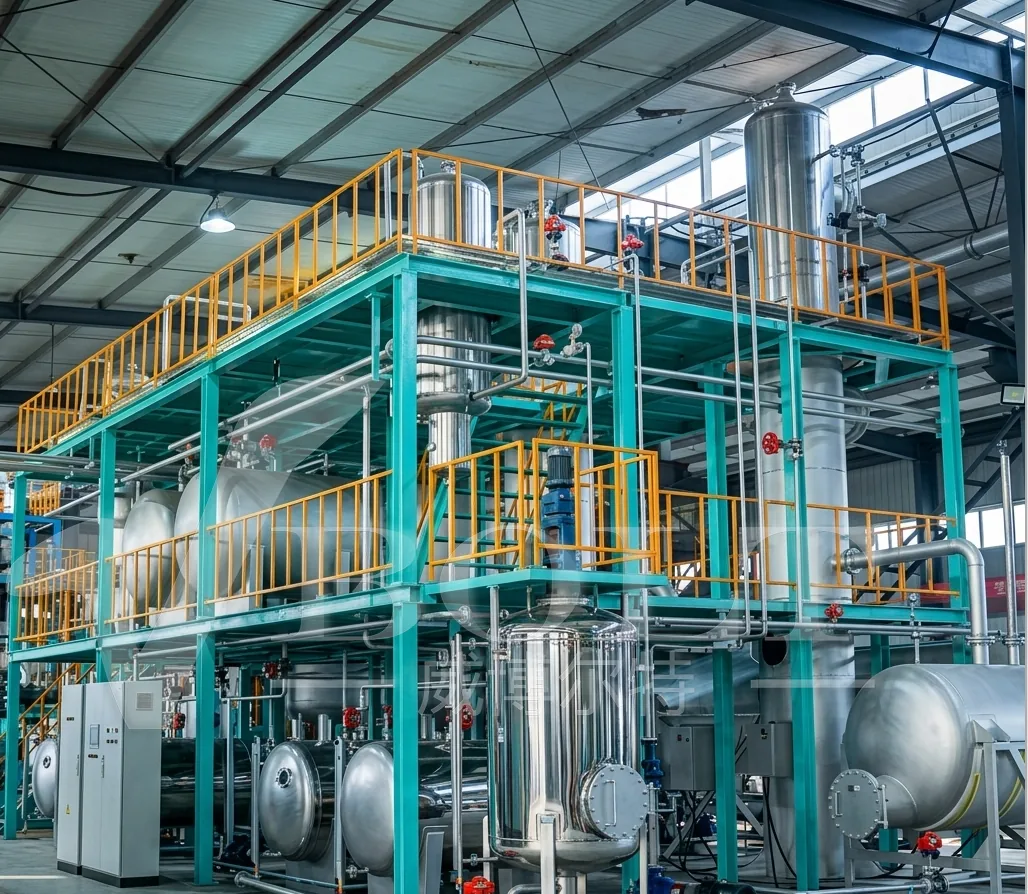
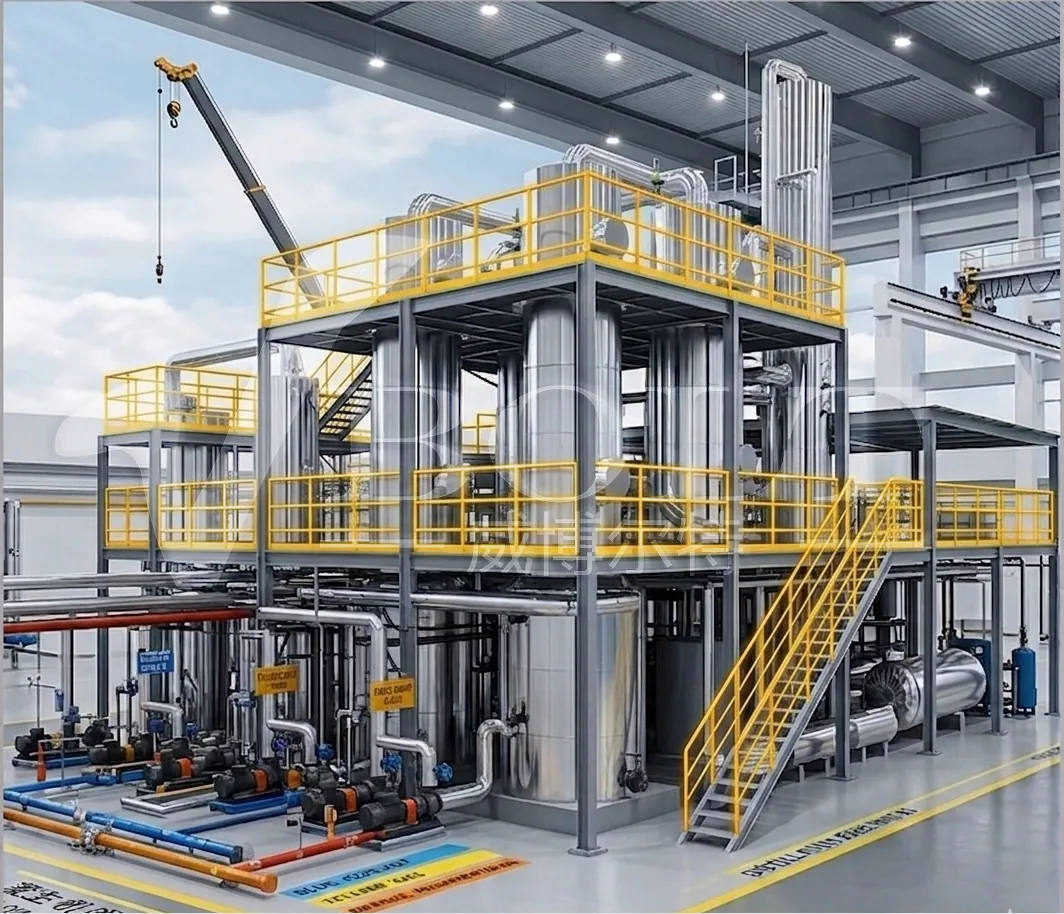
The VBOLT-LOBP series is a configurable lubricating oil blending line for approved automotive, industrial or specialty formulations. A project may integrate heating, metering, controlled blending, filtration, filling interfaces and batch monitoring according to the recipe, throughput, utilities and quality plan.
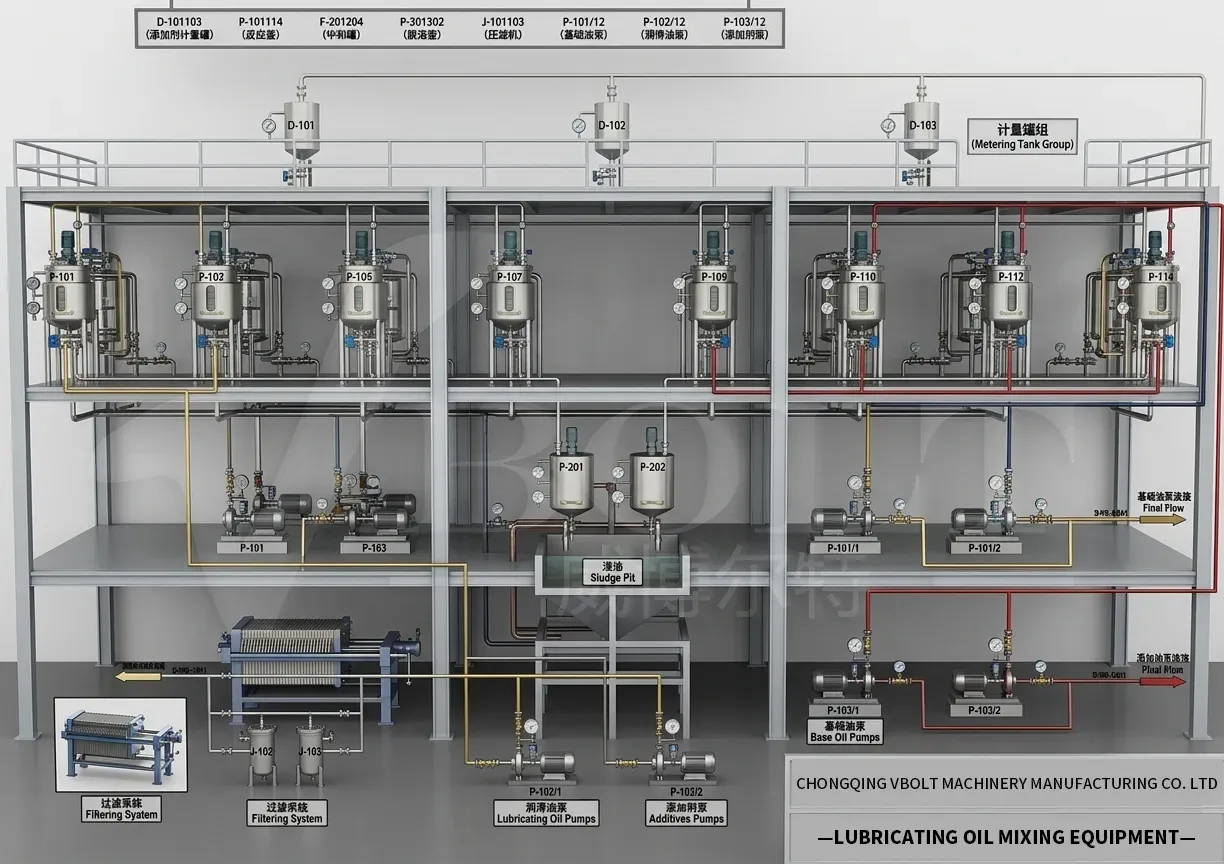 Plant Product Highlights
- Configured for customer-approved lubricant formulations
- Integrated metering, blending, filtration and control modules
- Supports controlled batch management and recipe permissions
- Supports traceability; product quality requires laboratory release
Product Highlights
The line is configured from approved formulations, batch size, production schedule, ingredient properties, cleaning strategy, utilities, hazardous-area requirements and the finished-lubricant quality plan.
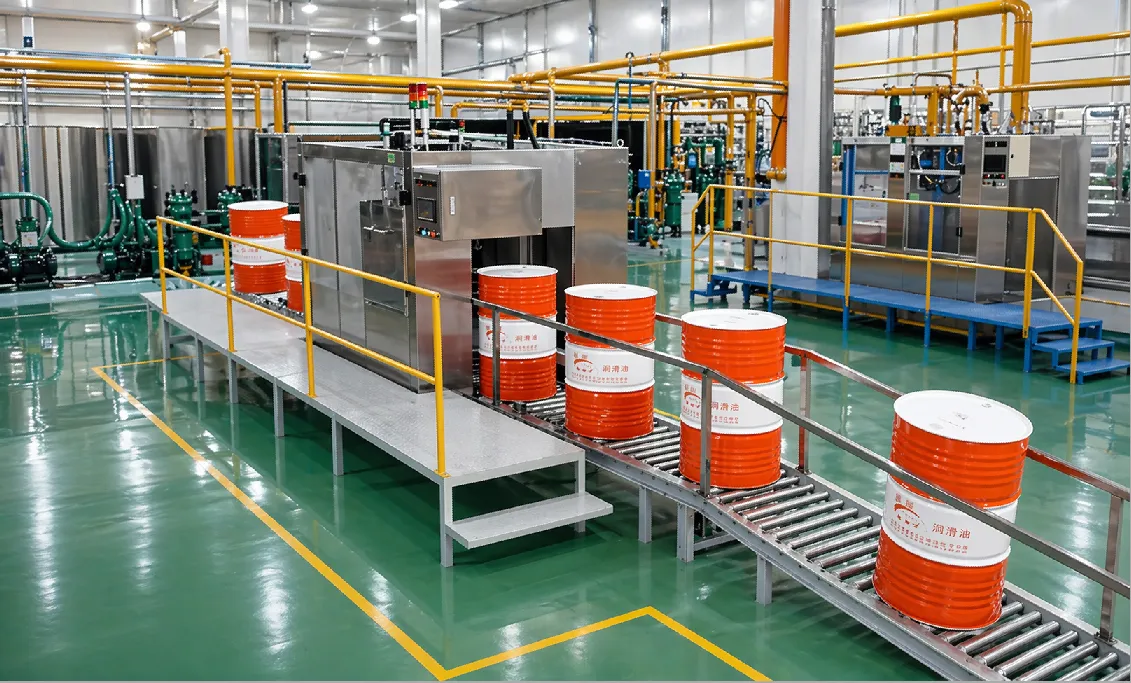
Precise Metering Technology
Selected and calibrated flow or weighing instruments support controlled dosing. Accuracy and repeatability are verified for the actual ingredient range and recipe tolerances.
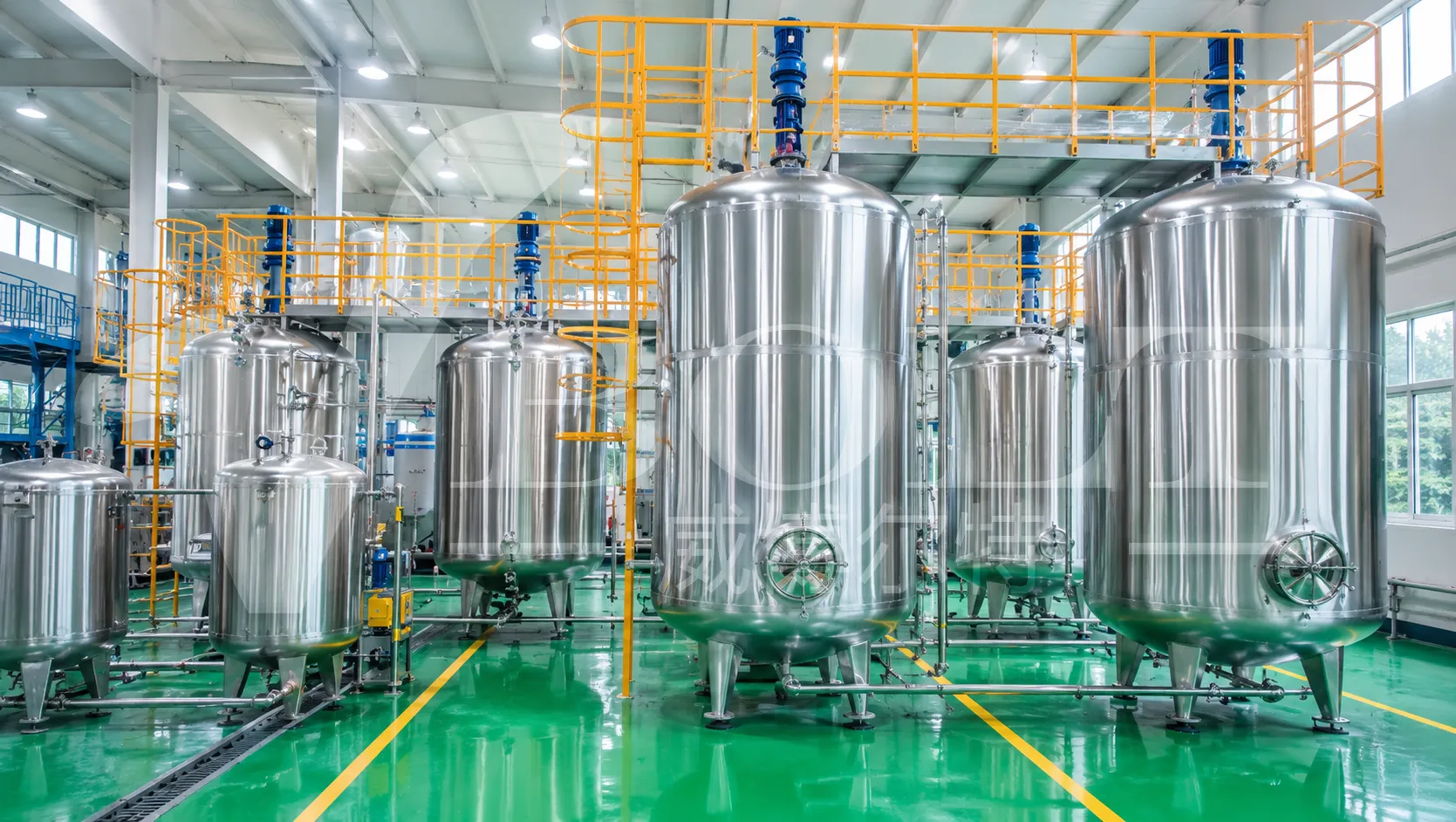
Validated Blending and Circulation
Mixer and circulation design are selected from formulation behavior, viscosity, batch size and heat-transfer needs. Homogeneity is confirmed by an approved sampling plan.
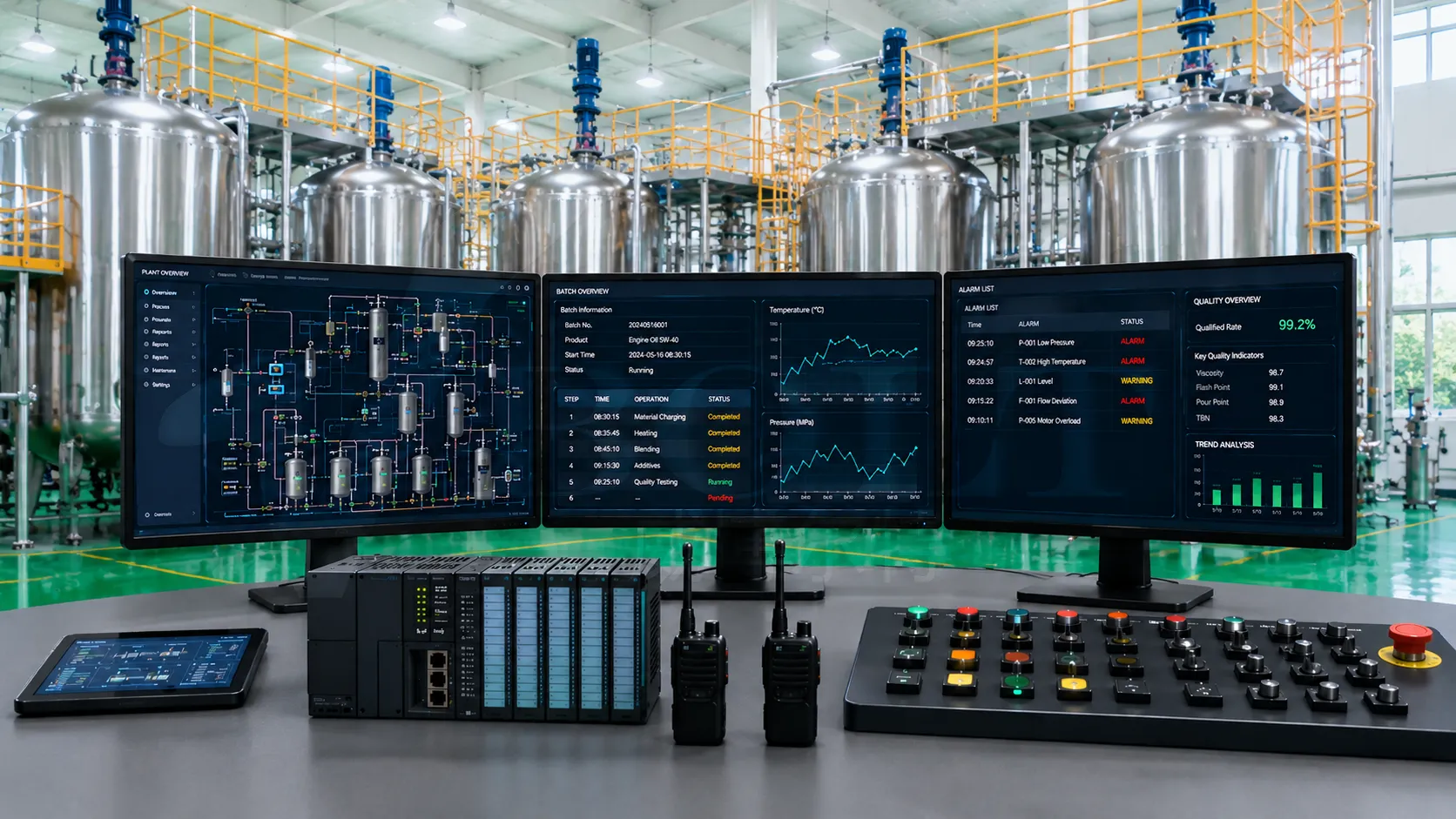
Intelligent Monitoring & Control
PLC or SCADA functions can record approved recipes, process conditions, alarms and batch history. Final product release remains a laboratory and quality-authority decision.
Core Process Technology Modules
The line manages approved base oils and additives through heating, metering, controlled blending, filtration, sampling and batch records. Each finished lot is released only after the required laboratory tests pass.
Pre-heating
Adjust base oil viscosity for stable downstream dosing.
Precise Metering
Meter oils and additives within validated instrument ranges.
Pulse Blending
Blend for the validated time, temperature and circulation rate.
Filtration
Filter to the project cleanliness target before sampling.
Real-Time Monitoring
Record selected process conditions, alarms and batch status.
Detailed Process Introduction
These modules form a preliminary engineering basis. Final equipment, instruments, control logic and release tests depend on approved recipes, representative ingredients and site requirements.
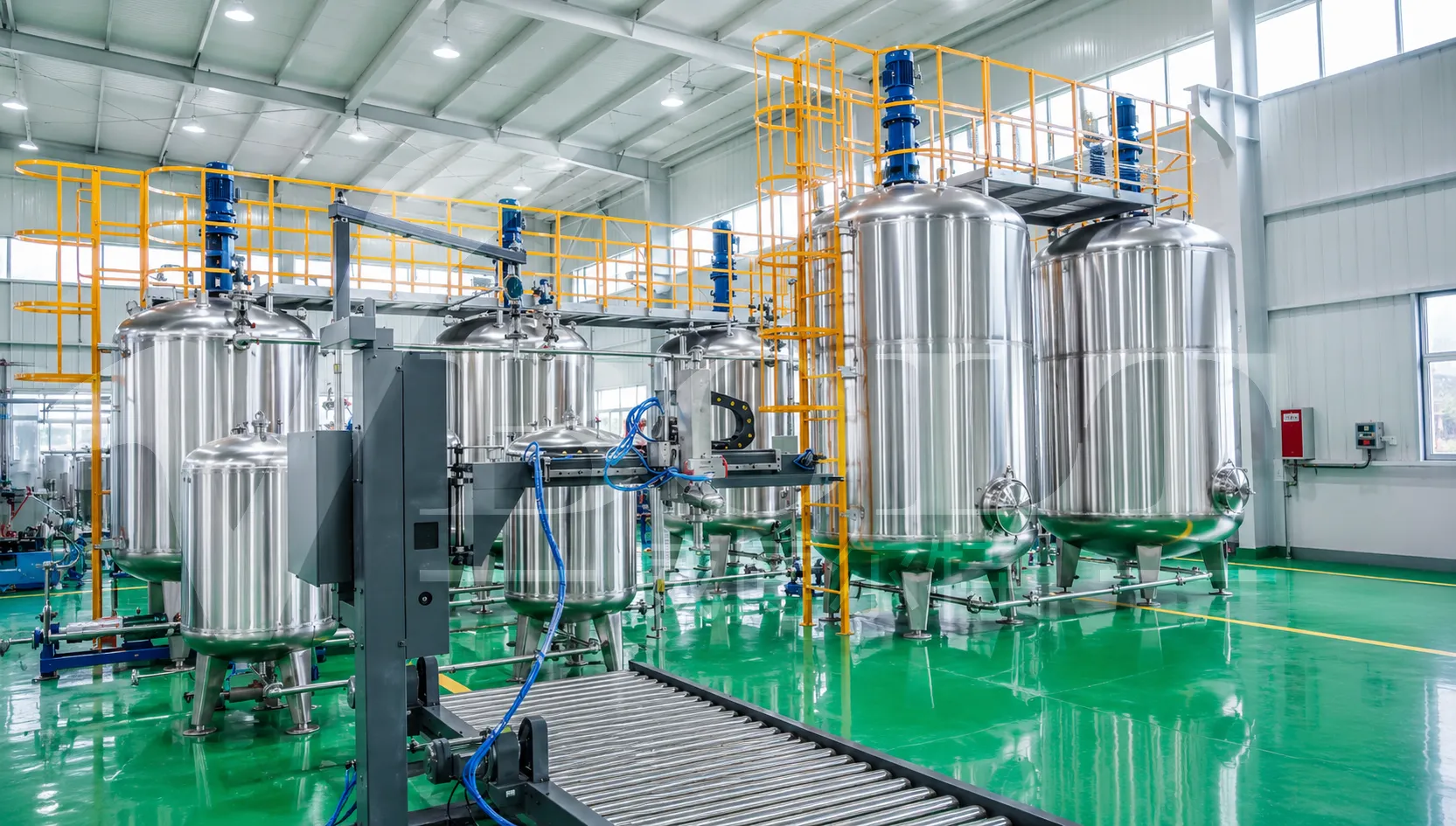
The First Step for Stable and Accurate Blending
The heating stage brings each base oil into a recipe-specific temperature and viscosity range before metering. Setpoints, heating duty and safeguards are confirmed from ingredient data and operating tests.
- Indirect Heat Exchange: provides safer and more controllable heating.
- Viscosity Adjustment: supports better downstream dosing accuracy.
- Energy-Saving Control: helps optimize thermal efficiency.
- Process Stability: improves consistency before blending starts.
One of the Core Technologies for Formula Accuracy
Each ingredient is dosed with instruments selected for its flow, viscosity and required tolerance. Calibration, interlocks and batch reconciliation support recipe execution; laboratory testing confirms the finished formulation.
- High Dosing Accuracy: supports precise recipe execution.
- Closed-Loop Control: enables automatic correction during production.
- Reduced Additive Loss: helps control operating cost.
- Automated Formula Management: improves repeatability between batches.
- Low Human Intervention: reduces manual error risk.
High-Uniformity Mixing for Advanced Lubricant Production
The selected mixer or circulation system disperses additives within a validated batch procedure. Mixing time, power demand and homogeneity depend on formulation, temperature, viscosity, vessel geometry and scale.
- Improved Homogeneity: supports highly uniform finished oil.
- Efficient Dispersion: improves additive distribution quality.
- Lower Energy Consumption: reduces power demand versus traditional agitation.
- Reduced Mechanical Wear: helps lower maintenance pressure.
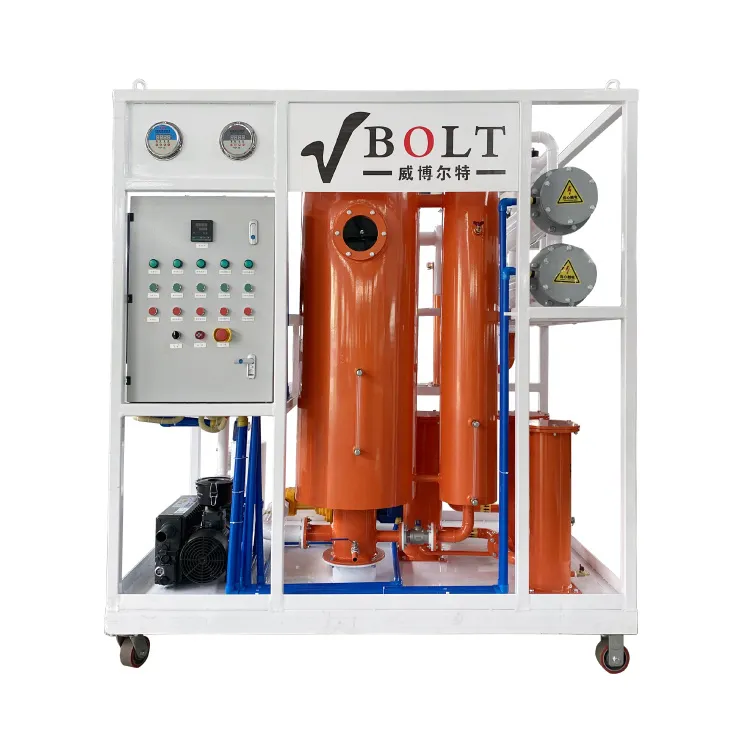
Improving Product Cleanliness and Storage Stability
The filtration stage controls particulates to the agreed cleanliness target before representative sampling and transfer. Filter grade, pressure drop and change-out criteria are selected for the formulation and filling system.
- Specified Filtration: uses a project-selected filter grade and integrity basis.
- Cleaner Appearance: improves finished oil clarity.
- Storage Stability: helps reduce contamination-related deterioration.
- Product Protection: safeguards downstream filling and use performance.
Digital Control for Traceable and Reliable Production
PLC and optional SCADA functions supervise selected temperatures, flows, weights, levels and equipment status. Recipe revisions, alarms and batch records support traceability, while composition and product compliance require laboratory testing.
- Defined Monitoring: records the approved process signals during operation.
- Alarm & Feedback Loops: supports safer automated response.
- Data Archiving: improves batch traceability and reporting.
- Quality-System Support: records evidence required by the customer quality plan.
Project Testing and Finished-Lubricant Release
The sequence below illustrates the engineering and quality review only. It is not a guarantee of dosing accuracy, filtration, energy use, product performance or standards compliance.
Model Selection Guide
Use these categories only for preliminary discussion. Final line capacity and configuration require approved formulations, campaign schedule, ingredient logistics, batch trials, filling scope, utilities, cleaning, safety and permit review.
| Model Type | Preliminary Batch Range | Typical Project Context | Engineering Scope | Selection Basis |
|---|---|---|---|---|
| Pilot Unit | Lab / Trial Batch | Formula verification, sample production and technical testing | Bench or pilot scope | Suitable for recipe validation before industrial deployment |
| Compact Line | Small Batch Production | Small lubricant brands, workshops and startup manufacturers | Project-specific compact scope | Confirm recipes, batch size, layout and control requirements |
| Standard Line | Medium Industrial Scale | Commercial lubricant manufacturing, multi-product blending and stable regional supply | Project-specific standard scope | Requires validated recipes, changeover plan, controls and release tests |
| Large Scale Line | High-Volume Production | Large lubricant plants and integrated industrial oil manufacturing projects | Project-specific industrial scope | Selection depends on validated recipes, campaign volumes and site integration |
Pilot Unit
TestingCompact Line
EntryStandard Line
Engineering ReviewLarge Scale Line
IndustrialValidated Recipe Basis
Confirm formulations, ingredient properties, batch size and allowable recipe tolerances before sizing.
Sampling and Release Plan
Define sampling points, laboratory tests, acceptance limits and quality-authority release responsibilities.
Utilities and Changeover Basis
Verify heating, cooling, power, cleaning, flushing, storage and filling needs for the planned campaign schedule.
Project Parameters and Quality Release Tests
These entries define what must be confirmed during formulation trials, engineering, commissioning and finished-product release. They are not fixed performance guarantees.
| Parameter | Project Verification Basis | Engineering or Release Requirement |
|---|---|---|
| Metering Verification | Defined by ingredient properties, instrument range and recipe tolerance | Calibrate, challenge and reconcile each critical dosing loop |
| Filtration Basis | Selected from cleanliness target, viscosity and filling requirements | Verify filter integrity, pressure drop and finished-oil cleanliness |
| Control System | PLC with optional HMI or SCADA functions | Configure permissions, alarms, recipes and batch data for the quality plan |
| Operation Mode | Defined by the approved batch and operating philosophy | Match staffing, interlocks, shutdown and maintenance requirements |
| Monitoring Items | Selected temperatures, flows, weights, levels and equipment status | Composition and conformance require representative laboratory tests |
| Product Specification | Customer-approved lubricant specification and test methods | Release each lot only after all required results pass |
| Batch Homogeneity Tests | Defined by sampling locations, timing and acceptance limits | Compare representative samples before product release |
| Utility Estimate | Estimated from project heat, power and campaign balances | Verify actual consumption during commissioning and operation |
Metering Verification
Filtration Basis
Control System
Operation Mode
Monitoring Items
Product Specification
Batch Homogeneity Tests
Utility Estimate
Third-Party Verification
Finished lubricants require laboratory release testing against the approved formulation, product specification and applicable test methods. A sample report represents one tested lot and is not a guarantee for other recipes or projects.
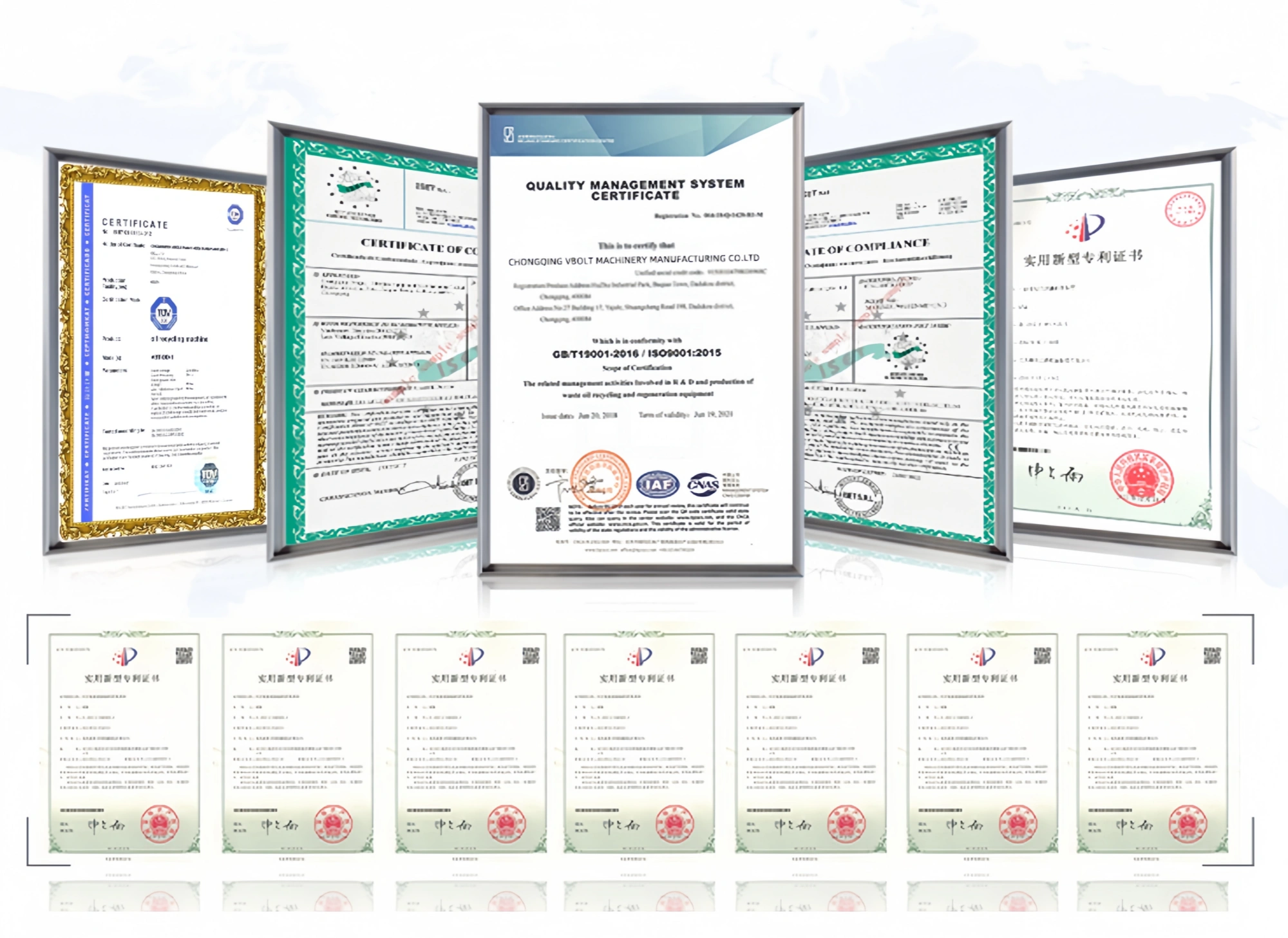
Independent Finished-Lubricant Testing
Qualified laboratories can test viscosity at required temperatures, viscosity index, flash point, pour point, water, acidity or TBN, elemental content, cleanliness and any formulation-specific performance properties.
- Viscosity and viscosity-index results
- Water, cleanliness and contamination checks
- Flash point, pour point and formulation-specific tests
- Release decision against the approved lubricant specification
Applications & Feedstocks
The line is designed for lubricant manufacturers serving automotive, industrial and specialty oil markets with a wide range of base oils and additive systems.
Passenger Car Motor Oil
Suitable for blending SAE-grade engine oils with controlled additive dosing, viscosity management and repeatable batch quality.
Heavy Duty Engine Oil
Supports diesel engine lubricant production requiring robust detergent-dispersant additive packages and high batch consistency.
Hydraulic Oil
Designed for anti-wear hydraulic oil blending with accurate base oil proportioning, cleanliness control and stable viscosity output.
Gear Oil & Transmission Fluid
Handles EP additive packages and multi-component formulations for automotive and industrial gear lubrication products.
Group I / II / III Base Oils
Compatible with multiple mineral base oil grades used as primary feedstocks in mainstream lubricant production lines.
Synthetic Base Stocks
Applicable to PAO and other synthetic components for premium lubricants requiring tighter formulation precision and cleaner processing.
Additive Packages
Supports anti-wear, antioxidant, detergent, dispersant, VI improver and pour-point additive dosing under automated control.
Flexible Multi-SKU Production
Enables fast switching between lubricant recipes for plants serving multiple brands, viscosities and end-use market segments.
Project Cases
Representative configurations for engineering discussion. Names, capacities and results must be verified against signed project documents, commissioning records and laboratory reports before publication as performance claims.
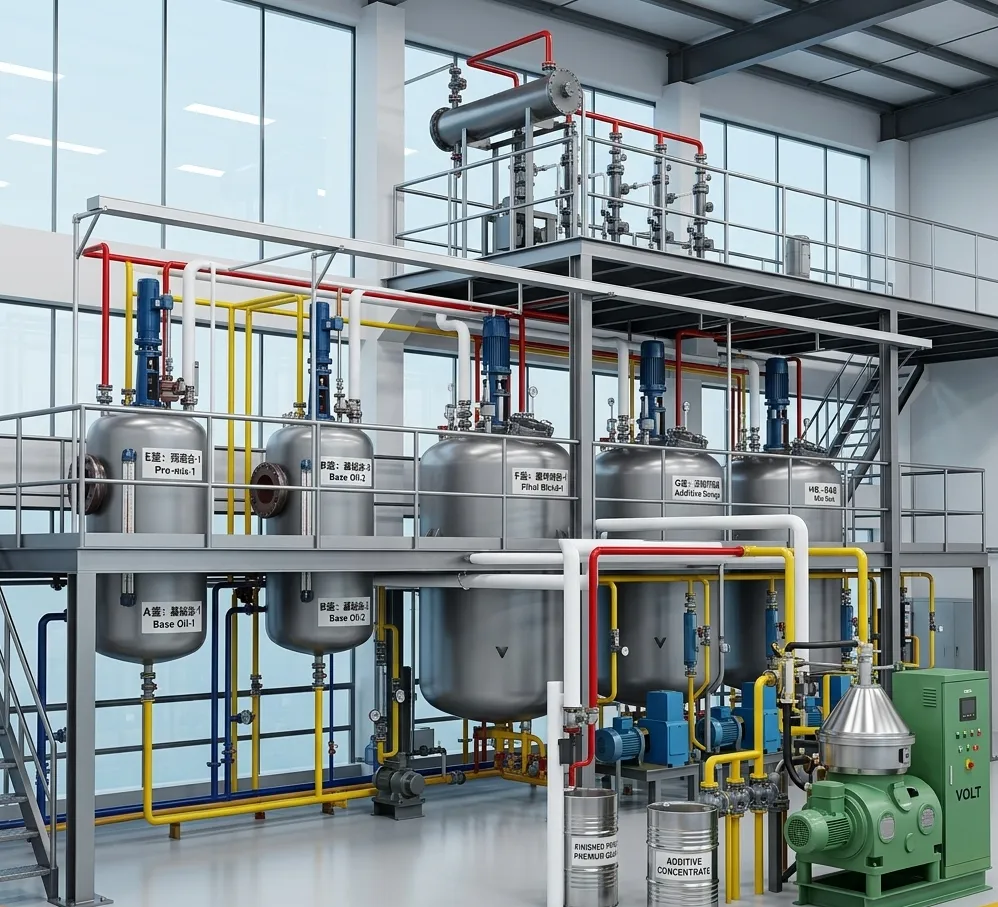
Reference Configuration A
Project Type: New-built automated lubricant blending line
This reference arrangement illustrates tank-farm supply, additive metering, blending, filtration and filling interfaces for a multi-formula project. Final scope depends on documented project data.
Reference Configuration B
Project Type: Containerized LOBP modules
This modular reference illustrates transportable metering, blending and control units. Installation time, civil scope and safe operation require site-specific engineering and commissioning records.
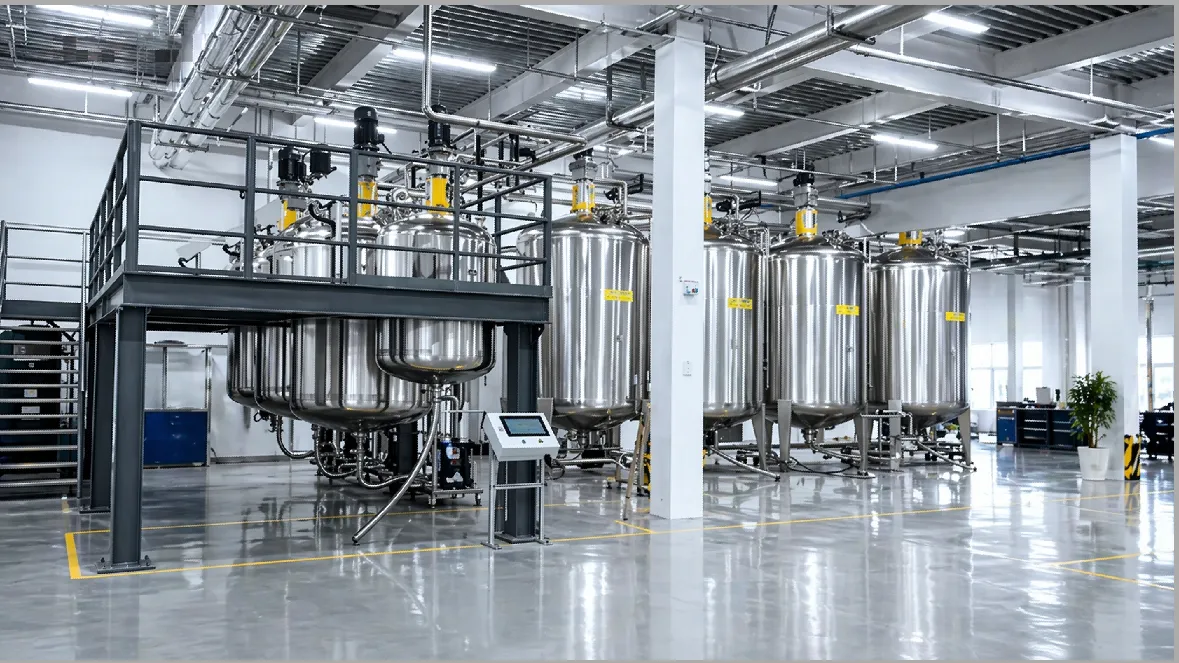
Reference Configuration C
Project Type: Existing blending line modernization
This reference illustrates a retrofit review for blending, filtration and batch data functions. Any claimed improvement requires before-and-after sampling, energy and maintenance records.
Reference Configuration D
Project Type: Regional industrial lubricant production base
This reference illustrates a multi-SKU industrial lubricant line linked to storage and filling. Changeover and cleanliness performance must be validated for the approved formulations.
Reference Configuration E
Project Type: Commercial lubricant blending facility
This reference illustrates recipe permissions, batch records and parameter tracking for frequent changeovers. Results depend on controls, procedures, operator training and QC review.
Reference Configuration F
Project Type: Large-scale intelligent lubricant manufacturing line
This reference illustrates tank-farm, blending, QC and dispatch integration for a larger campaign plan. Throughput and repeatability require verified design and operating data.
Frequently Asked Questions
Common questions from customers evaluating this lubricating oil blending production line as a product purchase.
Configuration starts with approved formulations, ingredient properties, batch size, campaign schedule, storage and filling interfaces, utilities, cleaning strategy, controls, safety and the finished-product quality plan.
The line may be configured for customer-approved automotive, industrial, marine or specialty formulations when ingredient compatibility, process needs, cleaning and release tests are defined.
A project can include heating, calibrated metering, selected mixing or circulation, filtration, sampling, PLC control and optional HMI or SCADA functions.
Automation is project-specific. Approved recipes, access permissions, interlocks, alarms, batch records, manual steps, staffing and maintenance responsibilities are defined during engineering.
In-line instruments support process control but do not replace product testing. Each finished lot requires representative sampling and the laboratory tests specified by the approved formulation and product standard.
Need a Lubricating Oil Blending Production Line?
Send approved formulation sheets, ingredient properties, batch size, campaign schedule, storage and filling scope, utility data, cleaning requirements, target product tests and site safety or permit constraints for a preliminary review.
Request Project Review