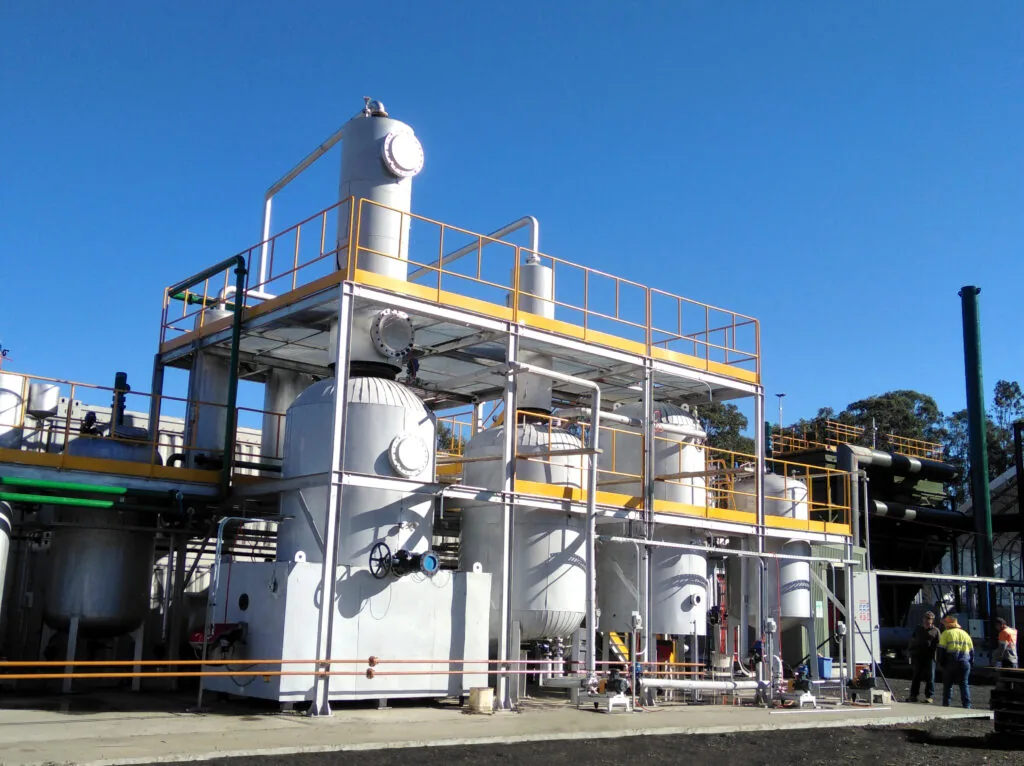





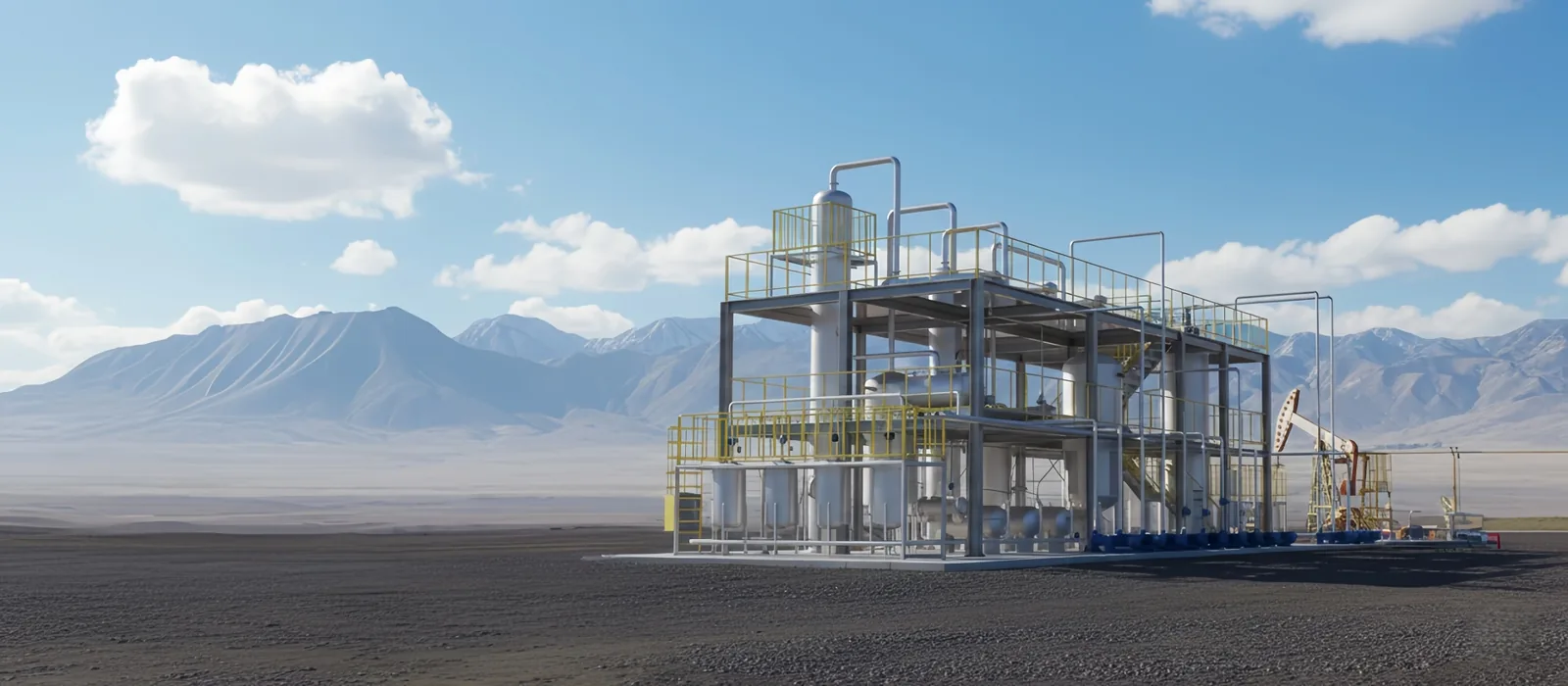
Thailand 1 TPD Project Record
This page records a nominal 1-tonne-per-day waste oil distillation project for Thailand. The photographs document the equipment and process configuration associated with the project. Performance is agreed separately through the project specification and commissioning records; the public page does not present a signed acceptance report, batch certificate, utility log or permit file as evidence of a guaranteed yield or fuel grade.
The project objective is to recover usable diesel-range or industrial fuel fractions from compatible waste oil while controlling water, solids, heavy residue, non-condensable gas and wastewater. The recovered product must be tested against the buyer's intended use and applicable Thai requirements before it is sold or introduced into an engine, generator, burner or blending operation.
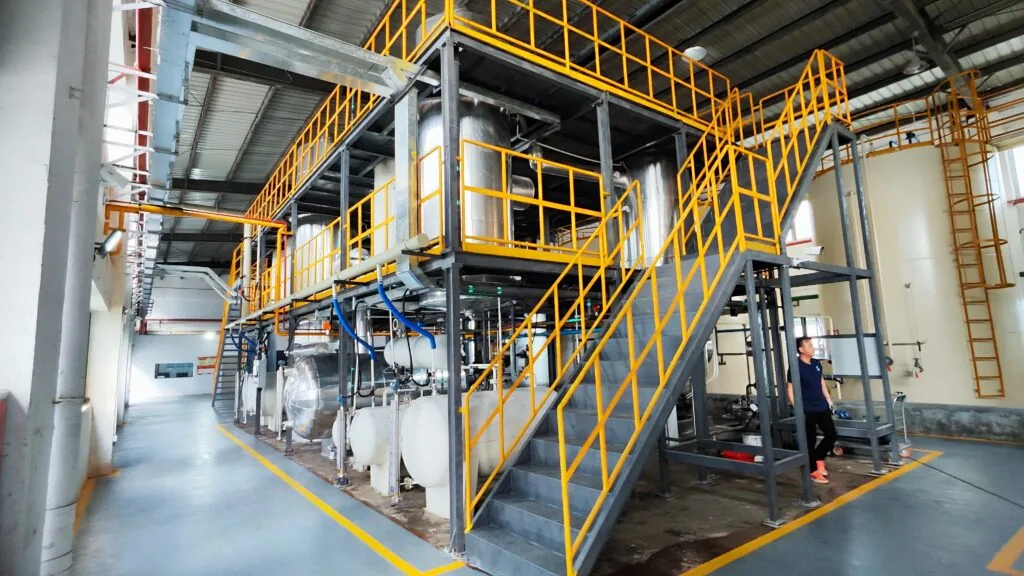
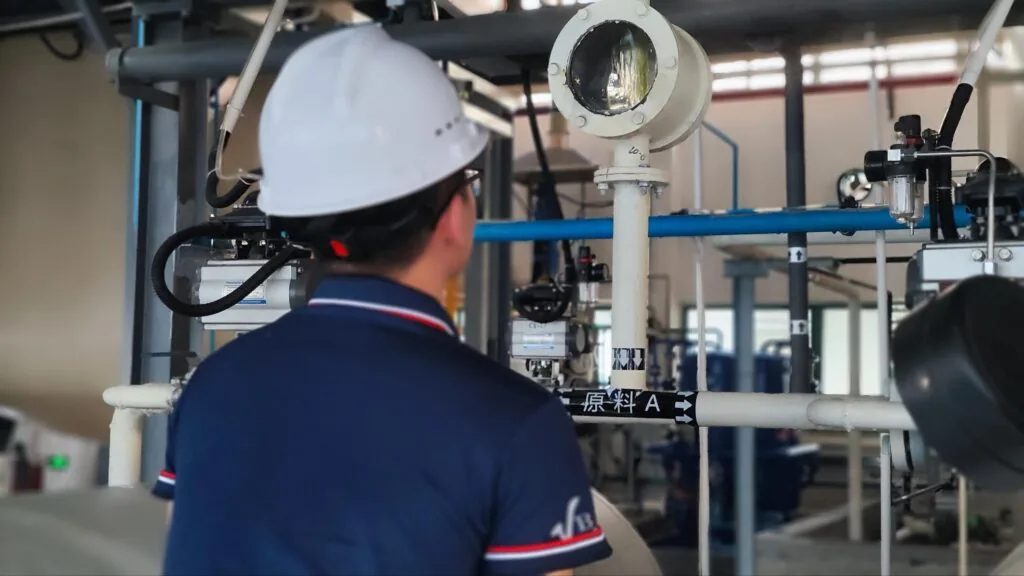
Project Basis for a 1 TPD Line
In this context, 1 TPD is a nominal feed-capacity basis per 24-hour operating day, not a promise of one tonne of saleable fuel. Sustainable throughput depends on feed water and solids, heating duty, vacuum capacity, selected cut points, cleaning frequency and plant availability. Net product quantity should be established from a complete mass balance during an agreed test run.
Representative feed samples should be checked for water and sediment, ash, density, viscosity, flash point, distillation range, sulfur, total halogens, acid number, metals and glycol. Unknown or incompatible streams should be quarantined. Halogenated oils, transformer oils, chemical waste and water-rich emulsions require separate review and must not be accepted unless a specifically engineered and legally permitted treatment route is in place.
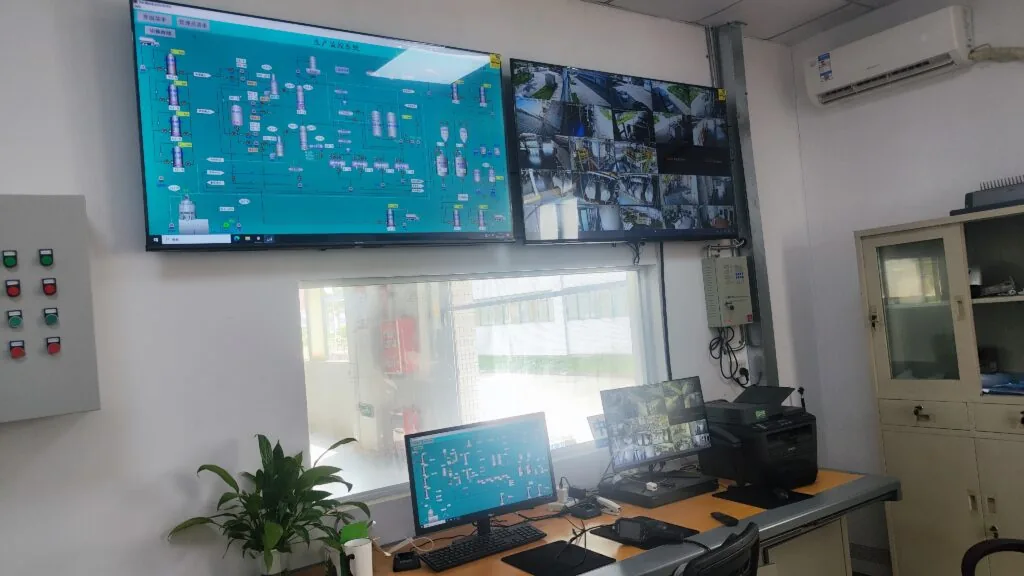
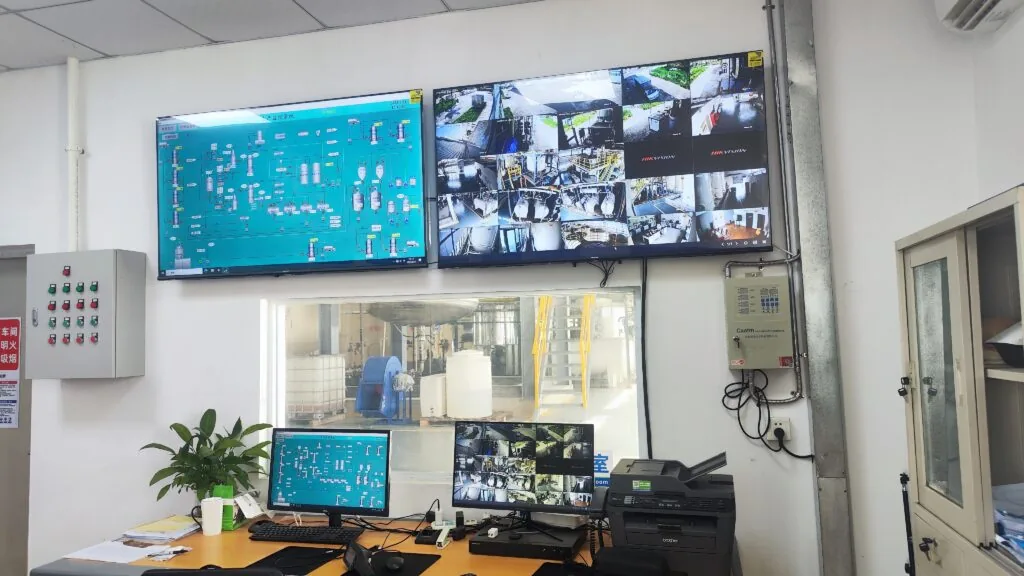
Process Configuration
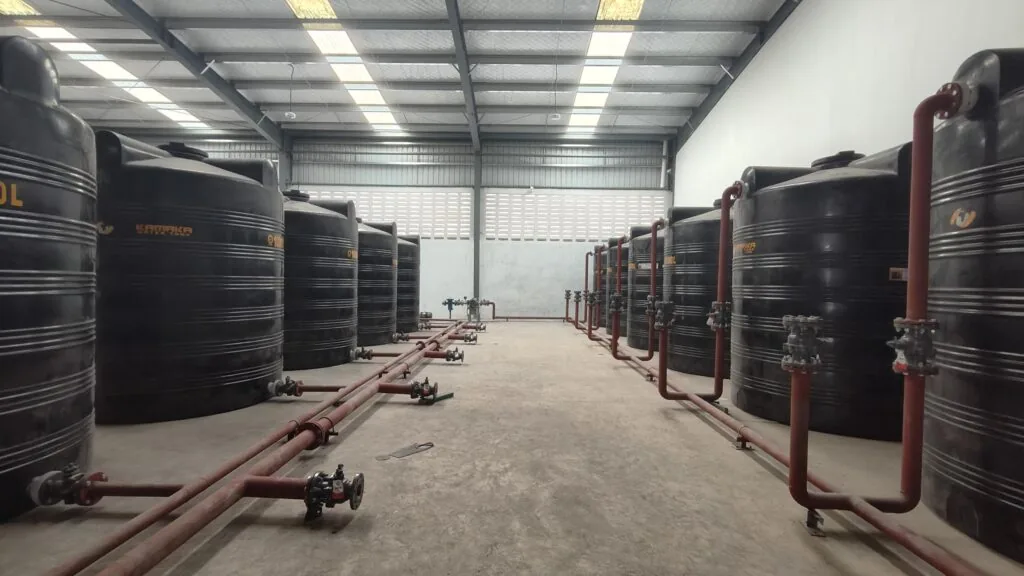
A practical small-capacity line can include feed receipt and settling, screening or filtration, dehydration, controlled vacuum distillation, vapor-liquid separation, condensation into segregated product tanks and a finishing step selected from laboratory results. Heavy bottoms, wastewater and non-condensable gas should be collected in controlled systems for permitted reuse, treatment or disposal.
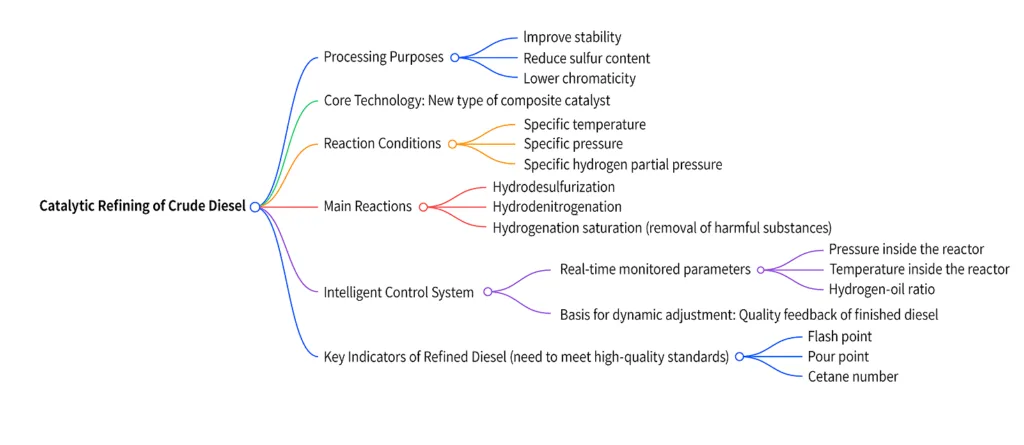
Operating temperature, pressure, residence time and product cut points are set during commissioning for the approved feed envelope. Distillation and basic polishing do not by themselves prove compliance with automotive diesel requirements. If deep desulfurization or hydrotreating is required, its hydrogen supply, pressure equipment, catalyst system and safety scope must be engineered and quoted as a separate process section.
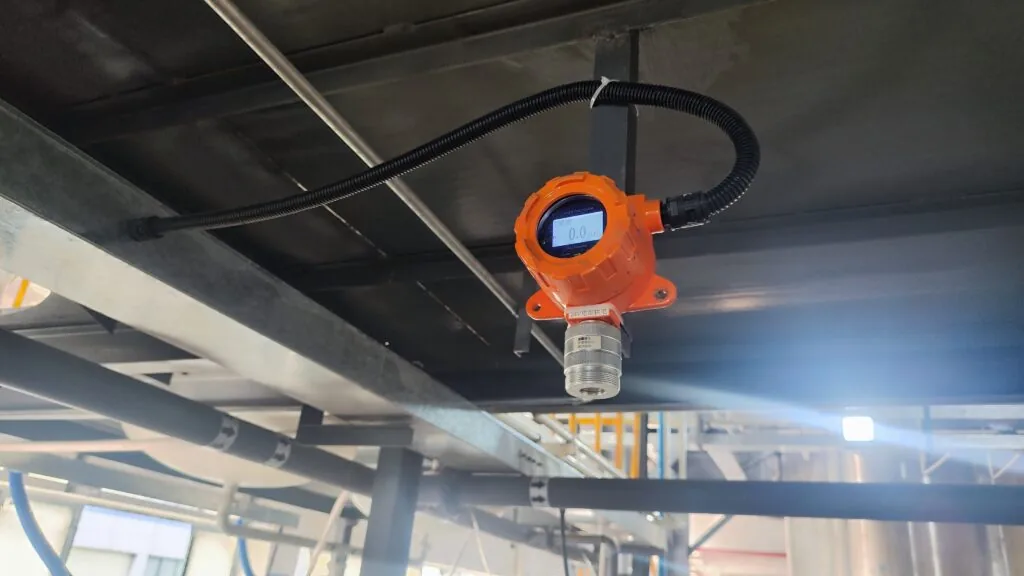
Safety and Environmental Controls
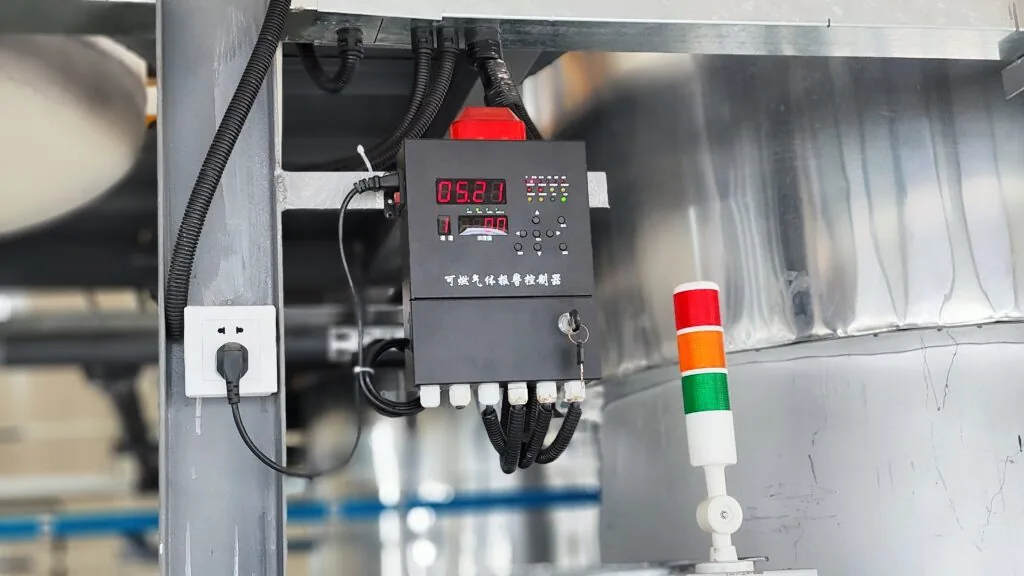
The site design should address closed transfer, overpressure and vacuum protection, high-temperature and high-level trips, flame safeguards, grounding and bonding, ventilation, gas detection, fire protection and emergency response. Non-condensable gas requires knock-out and safety devices before controlled use as fuel or permitted treatment. Residue is not automatically a saleable asphalt product and should be characterized before authorized recovery or disposal.
The project owner is responsible for Thai approvals covering waste-oil receipt, hazardous-waste handling, air emissions, wastewater, fuel production, product storage, transport and fire safety. Required sampling points, emission-control equipment and recordkeeping should be confirmed with the competent authorities before installation.
Commissioning and Acceptance
Acceptance should use a documented feed envelope, calibrated instruments and stable operating conditions over an agreed test period. The report should record feed quantity, water and light ends removed, on-spec and off-spec product fractions, heavy residue, non-condensable gas, normal process loss, utility consumption and downtime. Independent laboratory analysis should confirm the product properties required for its stated end use.
Documents to Confirm Before Ordering
Before purchase, confirm the process flow diagram, equipment list, materials of construction, utility schedule, plot plan, electrical standard, control philosophy, battery limits, civil and installation responsibilities, spare parts, operator training, commissioning support, performance-test method and warranty exclusions. These documents provide a safer basis for comparing a small project than an unsupported yield or fuel-quality claim.
Review the waste engine oil to diesel plant design criteria for feedstock testing, product release, residue control and scale-up planning.