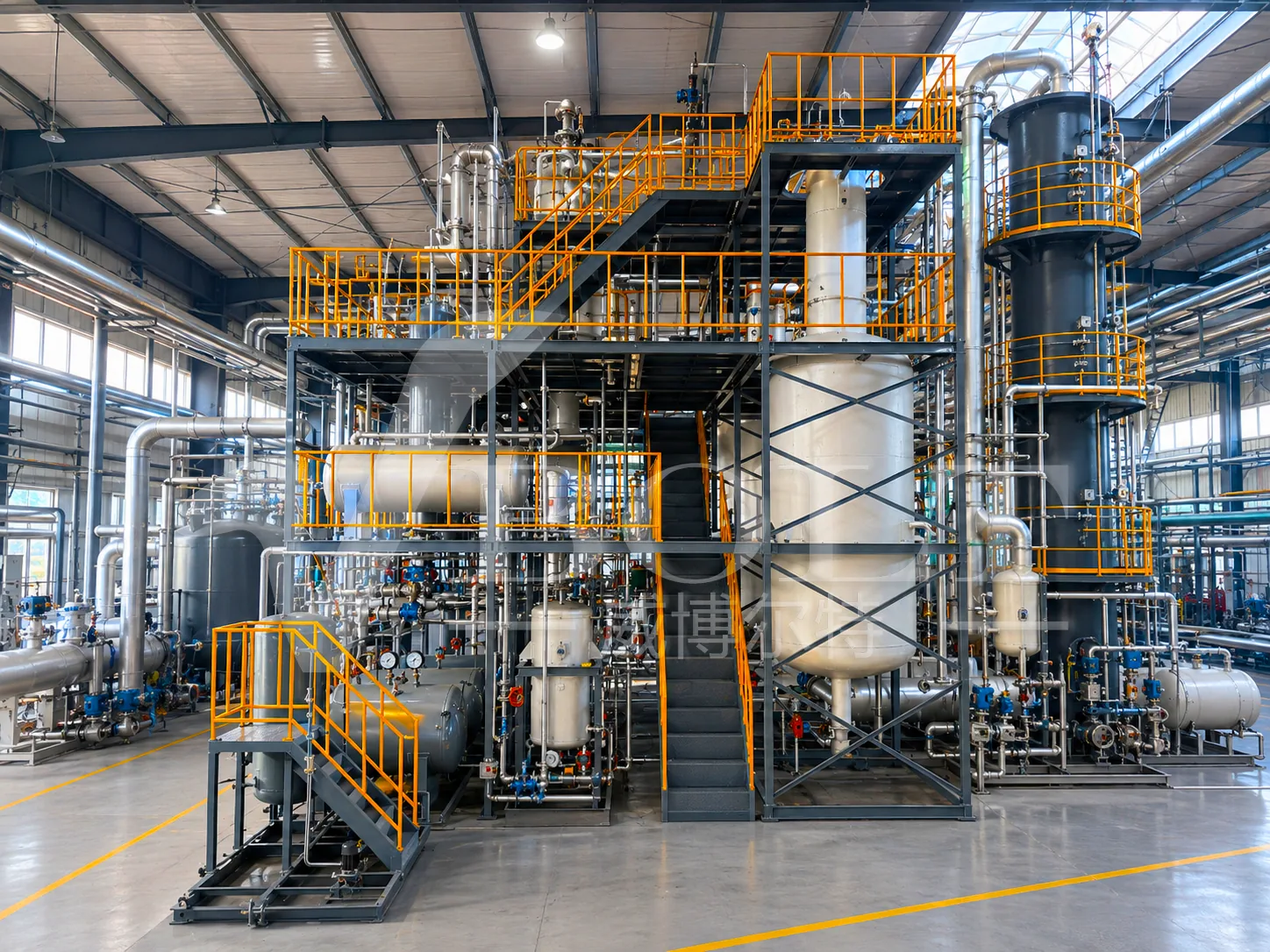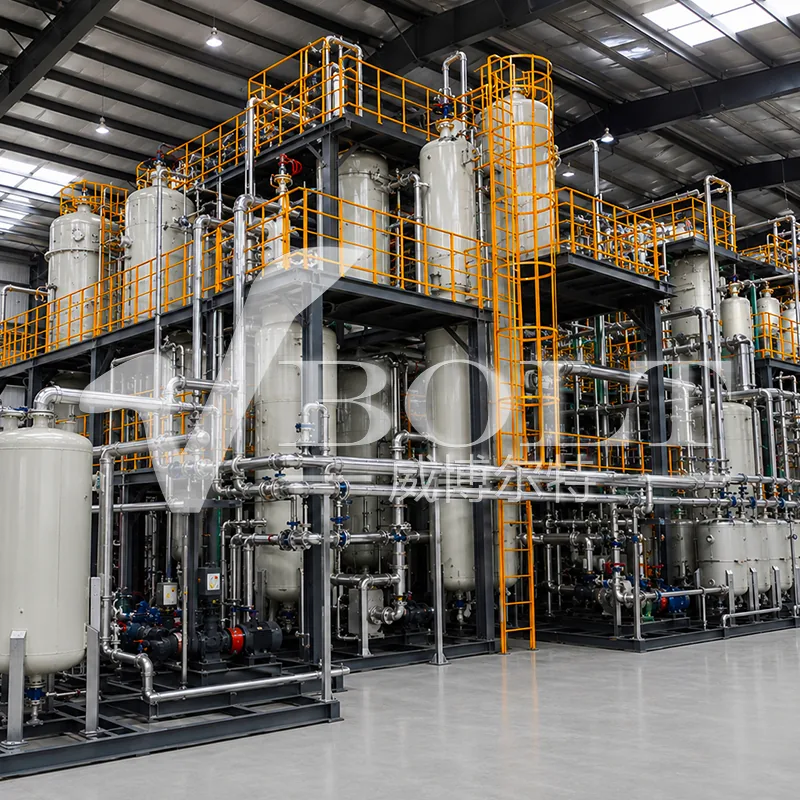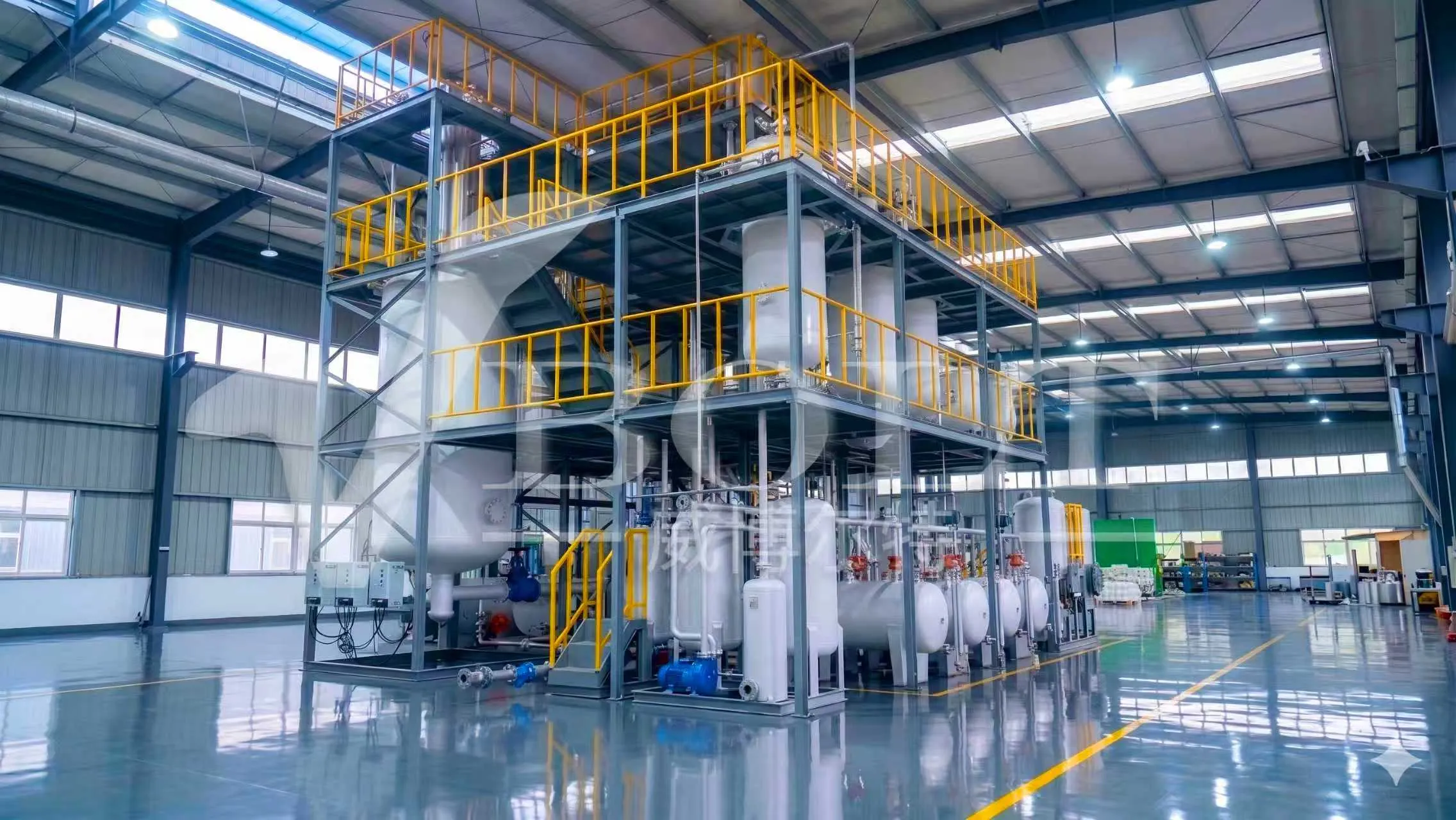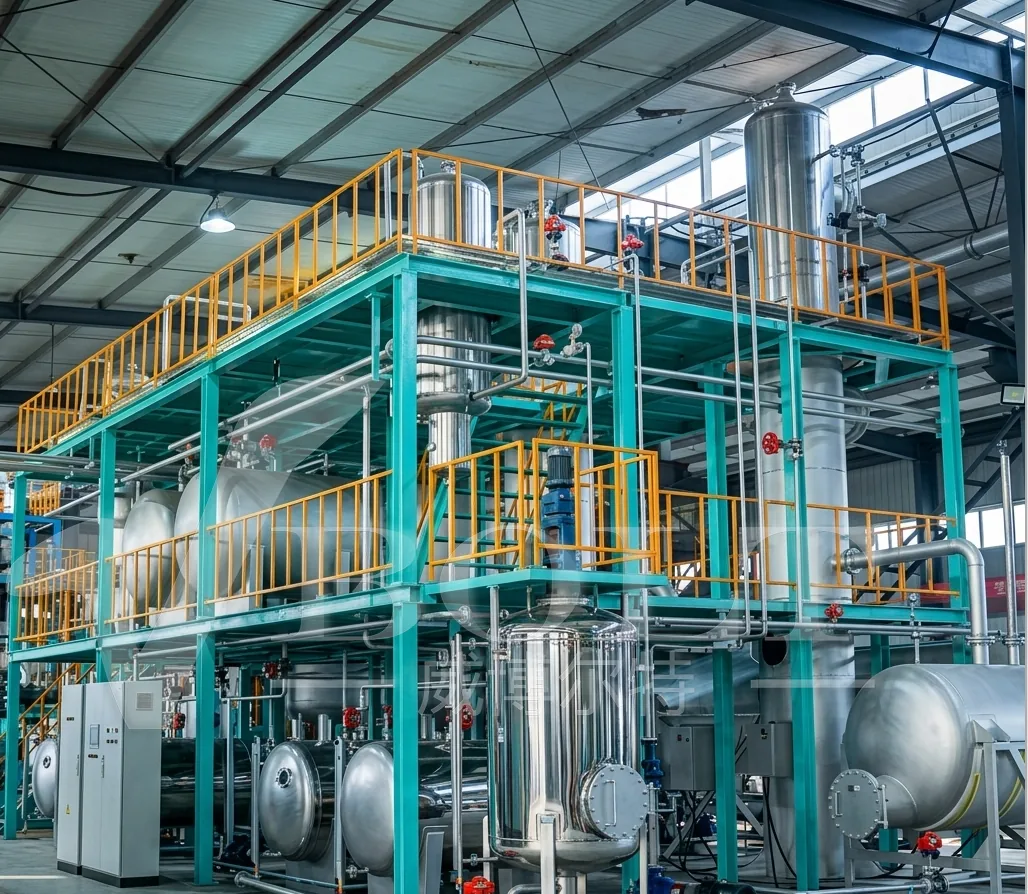






Waste Oil Recycling Plant Selection
Waste oil recycling plants generally follow one of two project routes: recovery of a diesel-range fuel fraction or re-refining to lubricating base oil. These routes are not interchangeable. Feed composition, the intended product, applicable specifications and local regulations should determine the process configuration.
Match Feedstock to the Process Route
Used engine, hydraulic, gear and industrial lubricating oils differ from mixed waste oils and pyrolysis oils. Representative samples should be tested for water, solids, density, viscosity, flash point, distillation range, sulfur, chlorine, ash, carbon residue and metals. High contaminant levels may require added pretreatment, corrosion-resistant materials and specific residue controls.
Define Capacity, Products and Project Scope
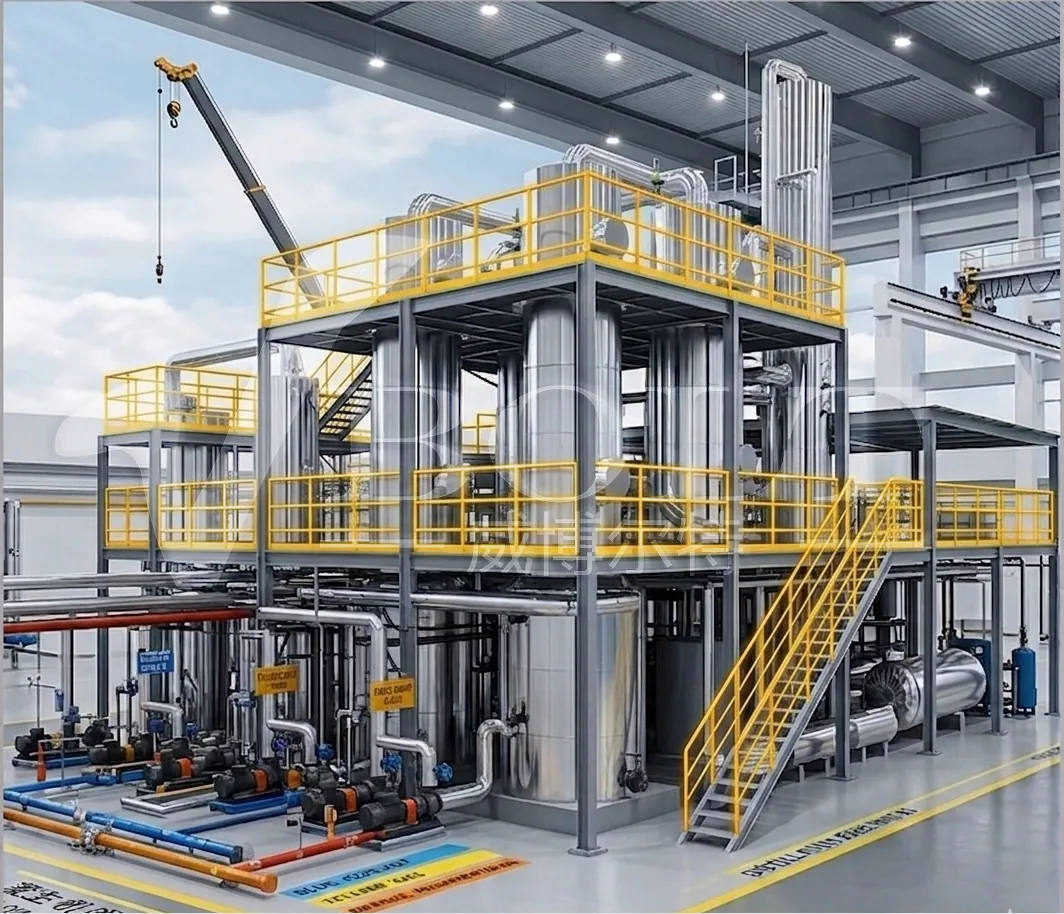
Specify daily feed availability, operating hours, utilities, final-product requirements and an agreed mass balance. Project scope may include feed storage, filtration, dehydration, distillation, product finishing, process-gas treatment, residue storage, laboratory testing, safety systems, commissioning and operator training. Compare proposals using verified feed data and acceptance criteria rather than headline yield claims.