




Waste Engine Oil to Diesel Plant: Project Scope
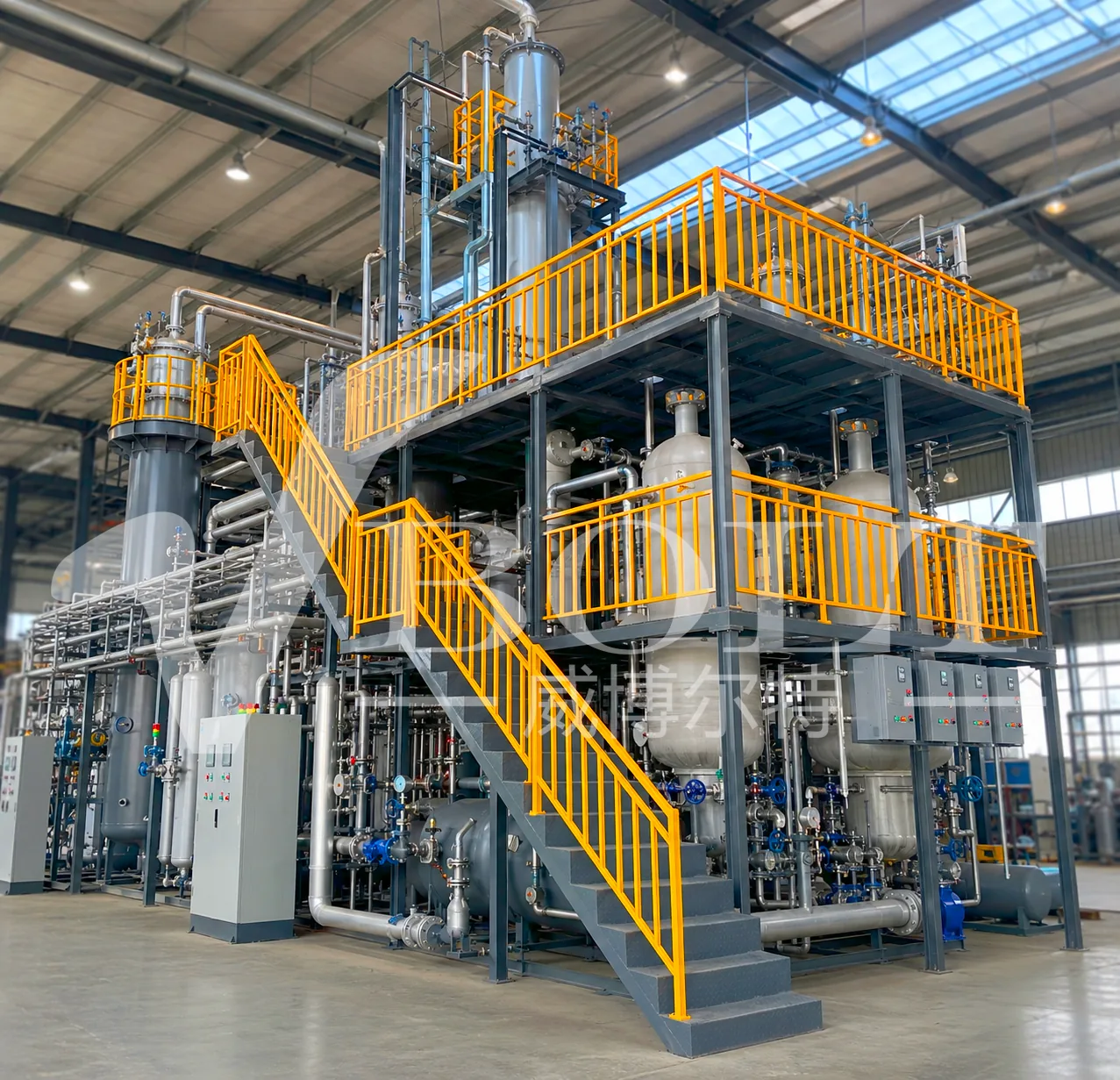
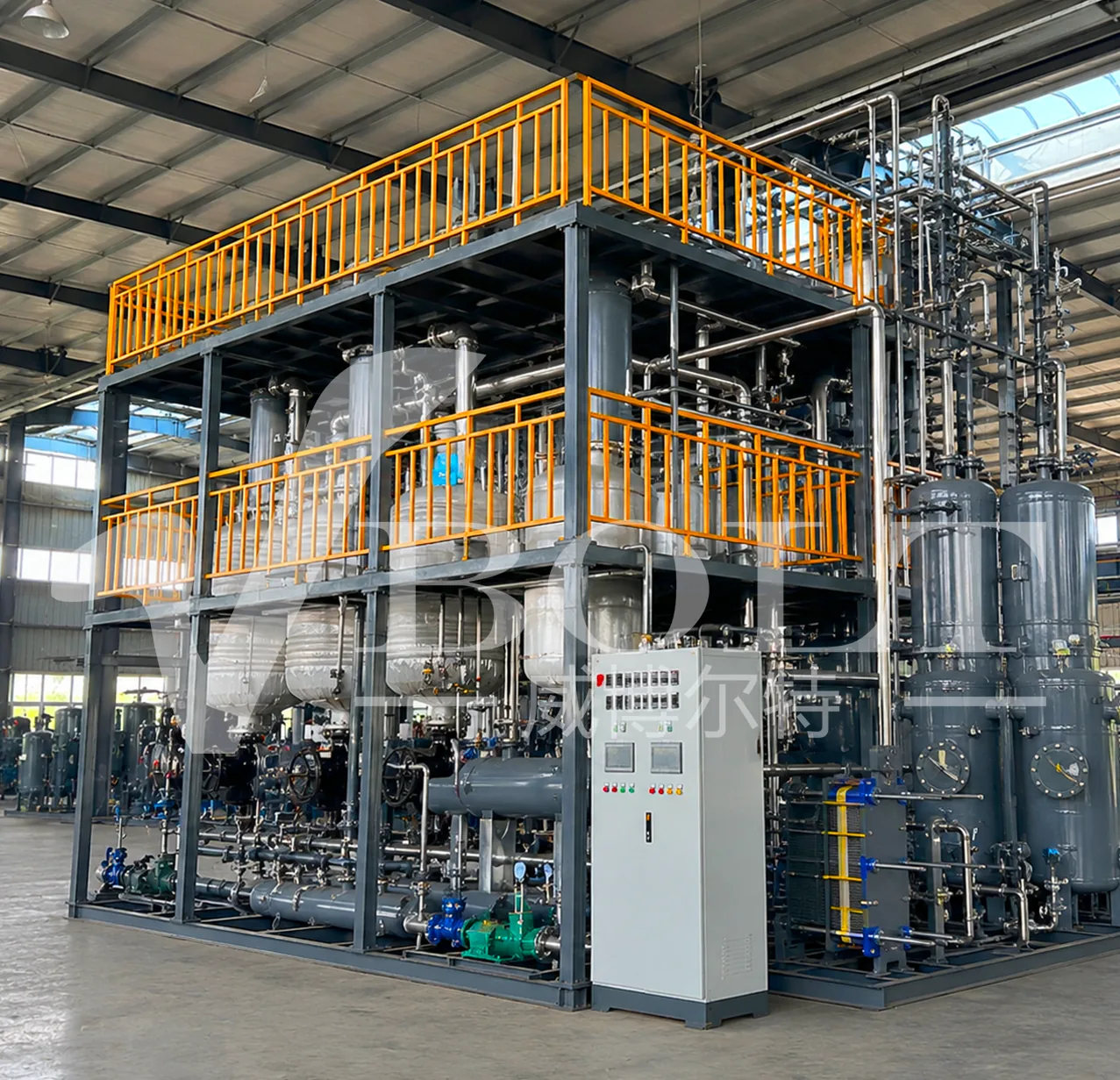
A waste engine oil to diesel plant recovers usable hydrocarbon fractions from drained engine oil and compatible used lubricants through feedstock conditioning, dehydration, vacuum distillation, condensation and product finishing. The process must be selected for the actual feed and required fuel specification; distillation alone does not make every output suitable for road vehicles.
VBOLT configures the plant around representative feed samples, planned operating hours, utility conditions, target throughput, product cut points, local emissions limits and agreed acceptance criteria. The recovered oil should be marketed or used only after an accredited laboratory confirms compliance with the applicable fuel standard and end-use rules.
Feedstock Definition and Pre-Acceptance Testing
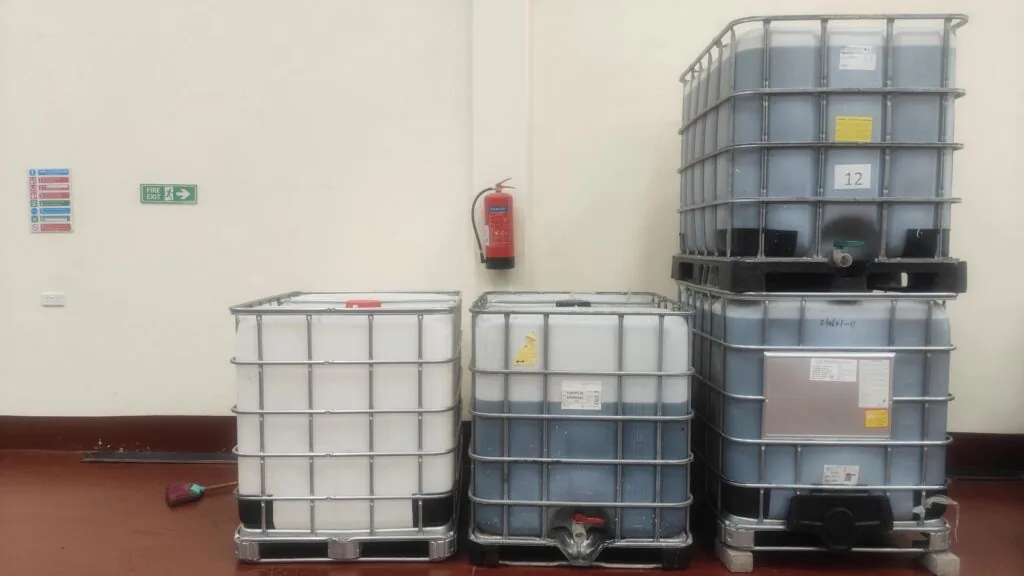
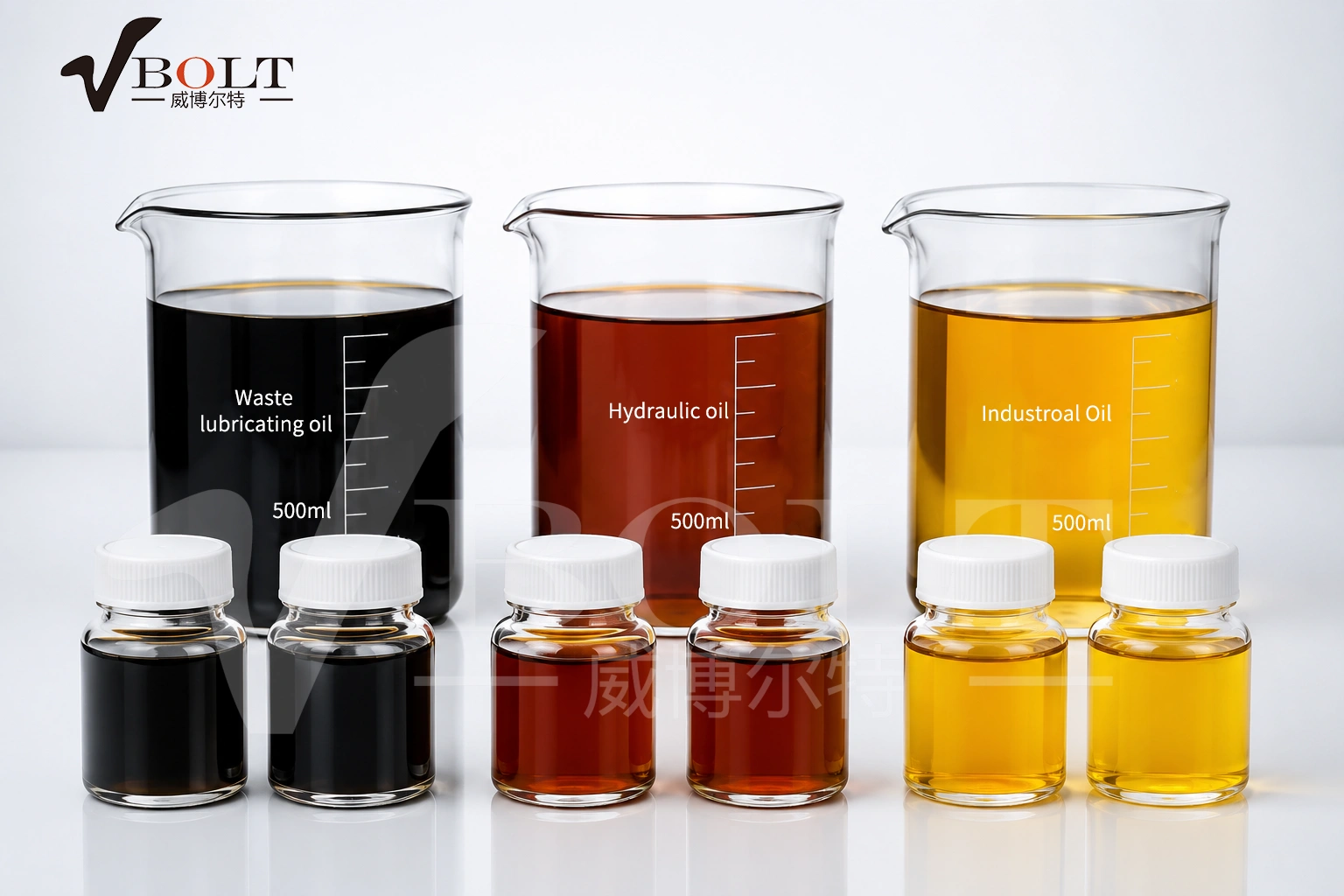
Used engine oil can contain water, glycol, fuel dilution, soot, wear metals, additives and suspended solids. Representative samples should be tested for water and sediment, ash, density, viscosity, flash point, distillation range, sulfur, total halogens, acid number, metals and glycol. Unknown or incompatible oils should be quarantined; halogenated oil, transformer oil, water-rich emulsions and chemical waste require a specifically engineered and legally permitted treatment route.
Process Configuration
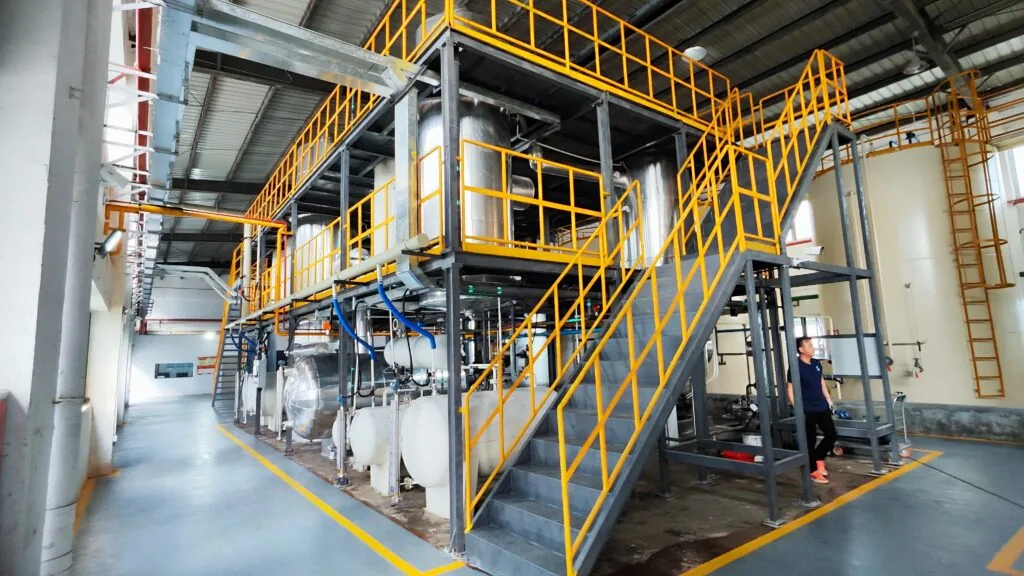
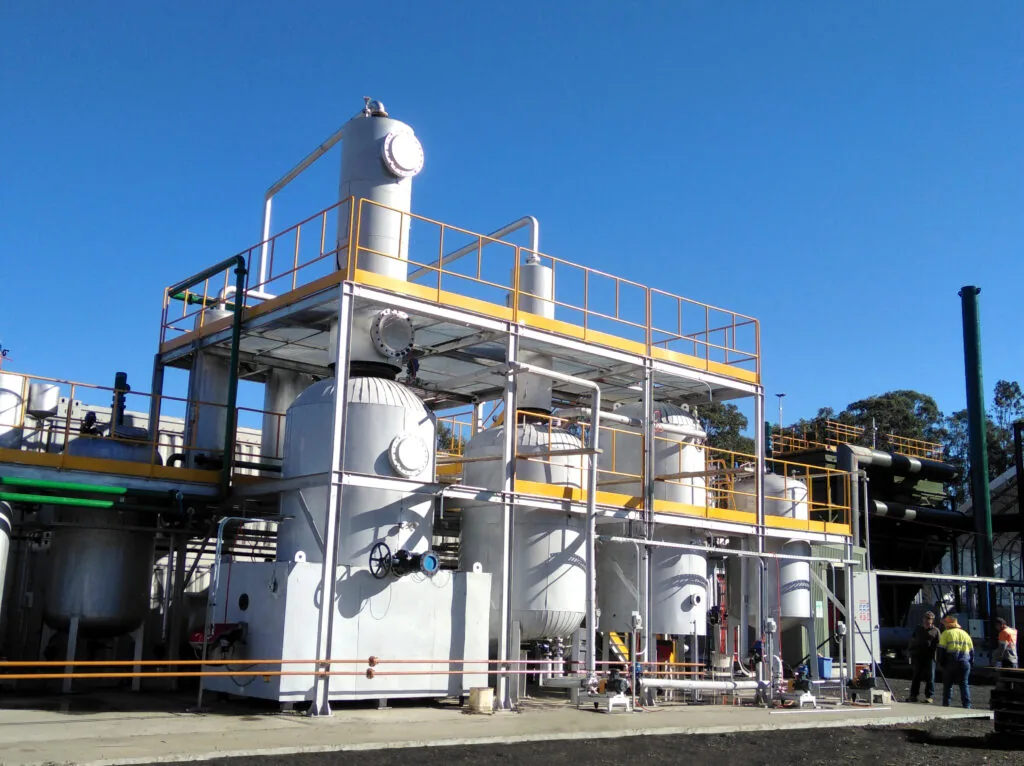
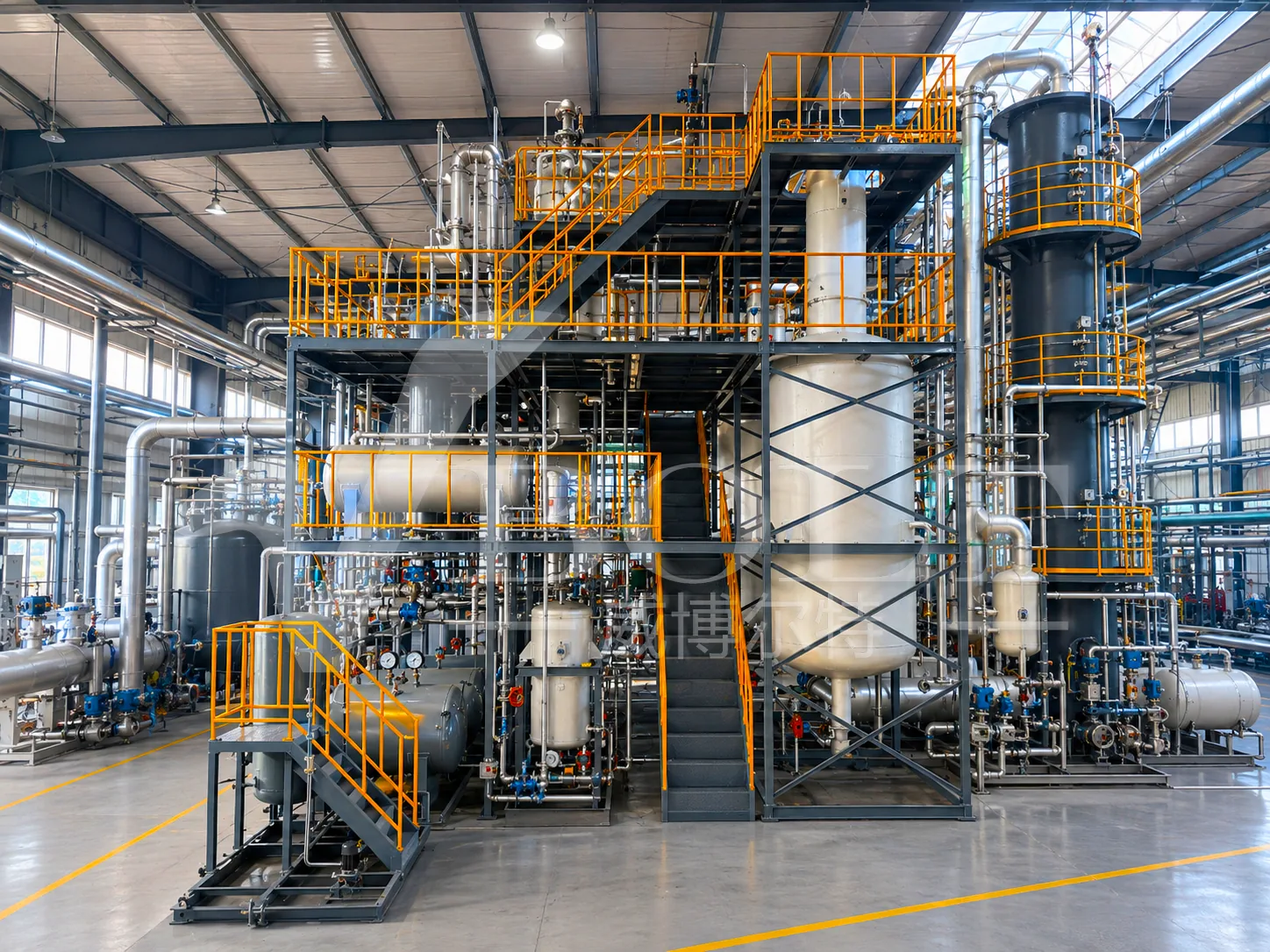
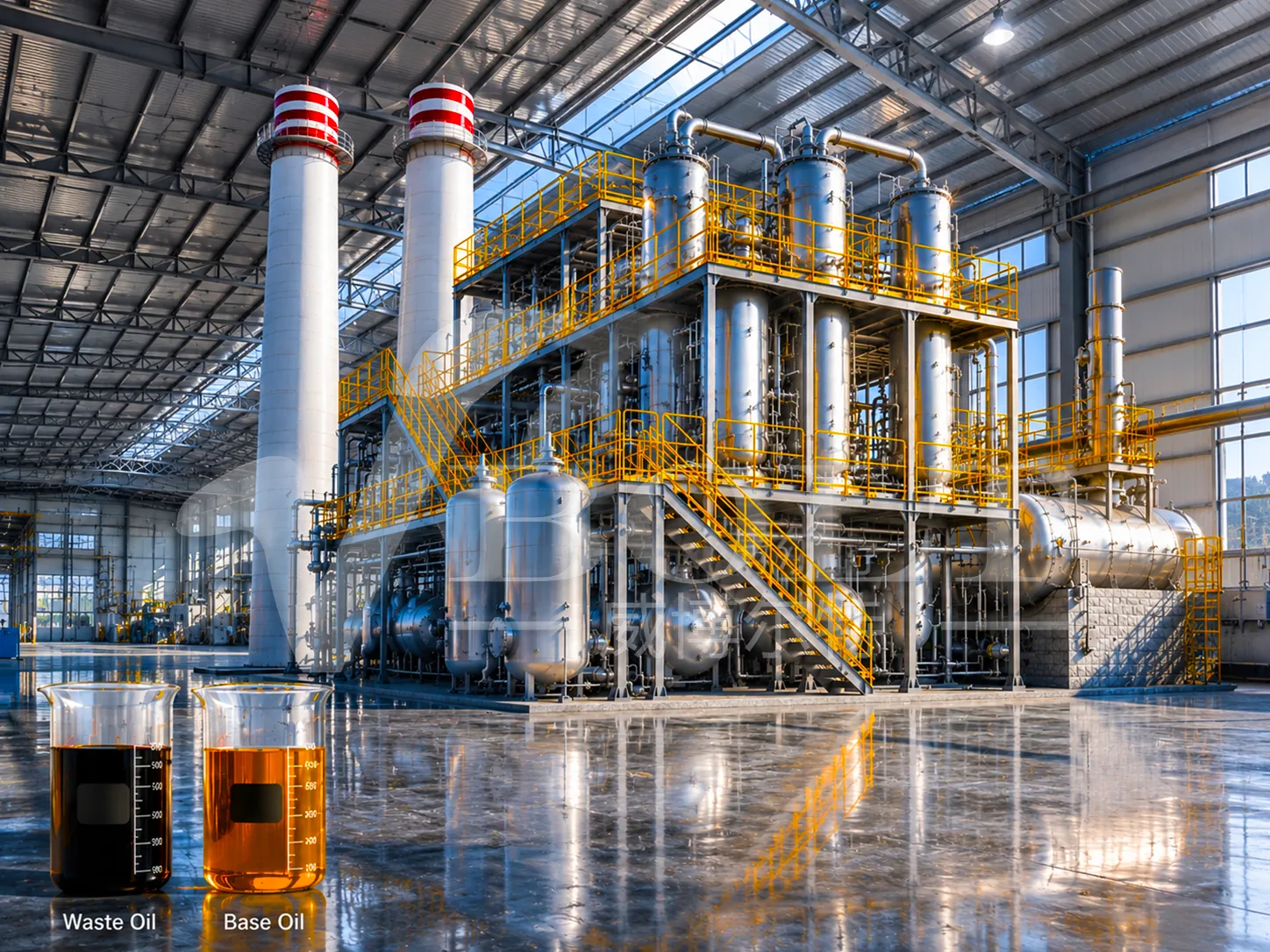
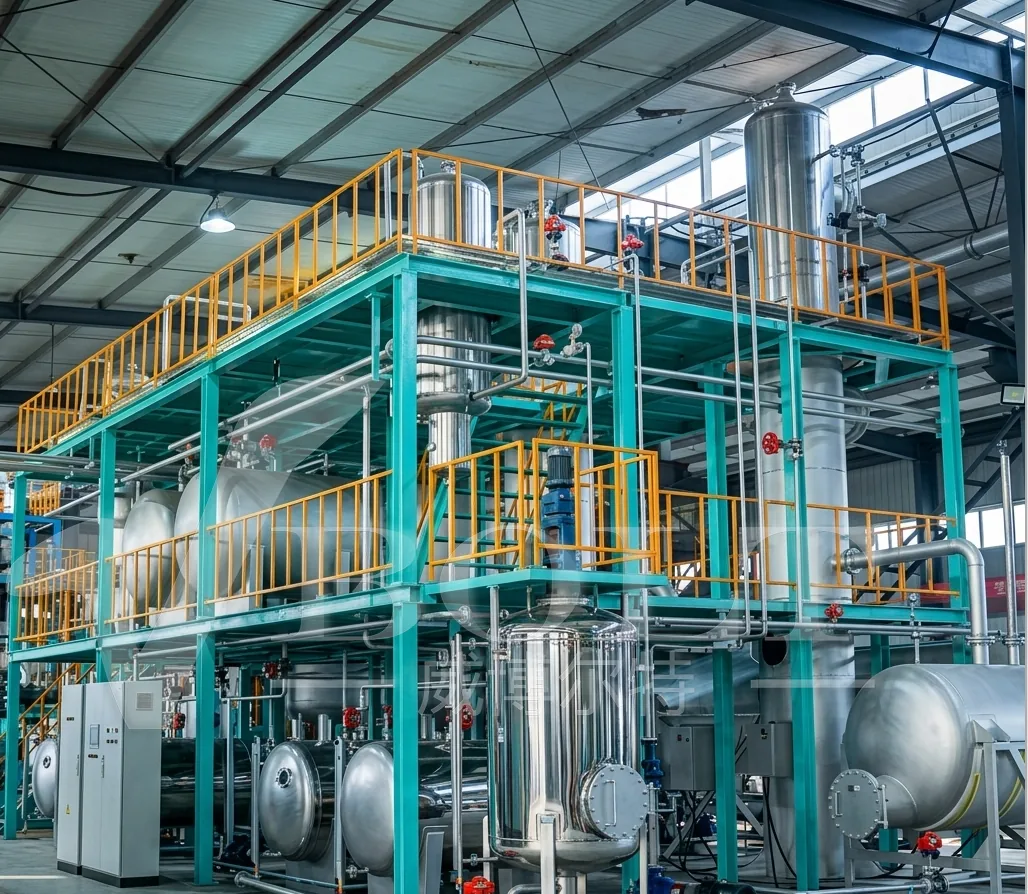
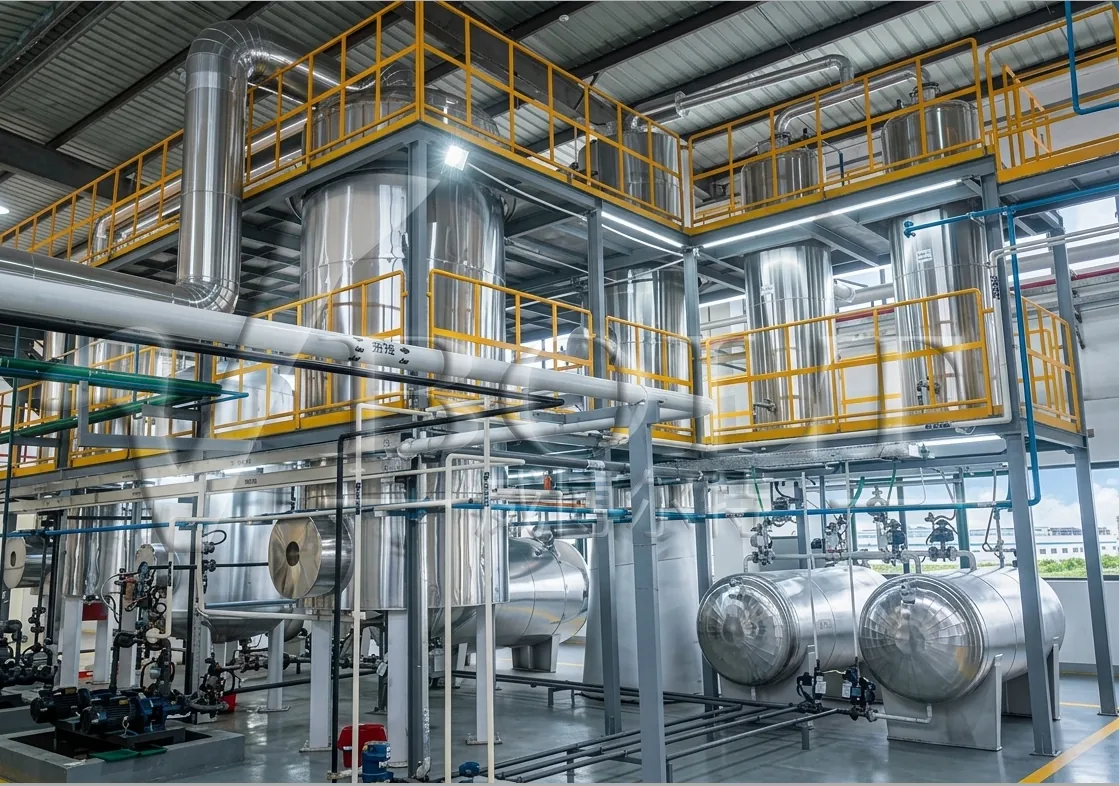
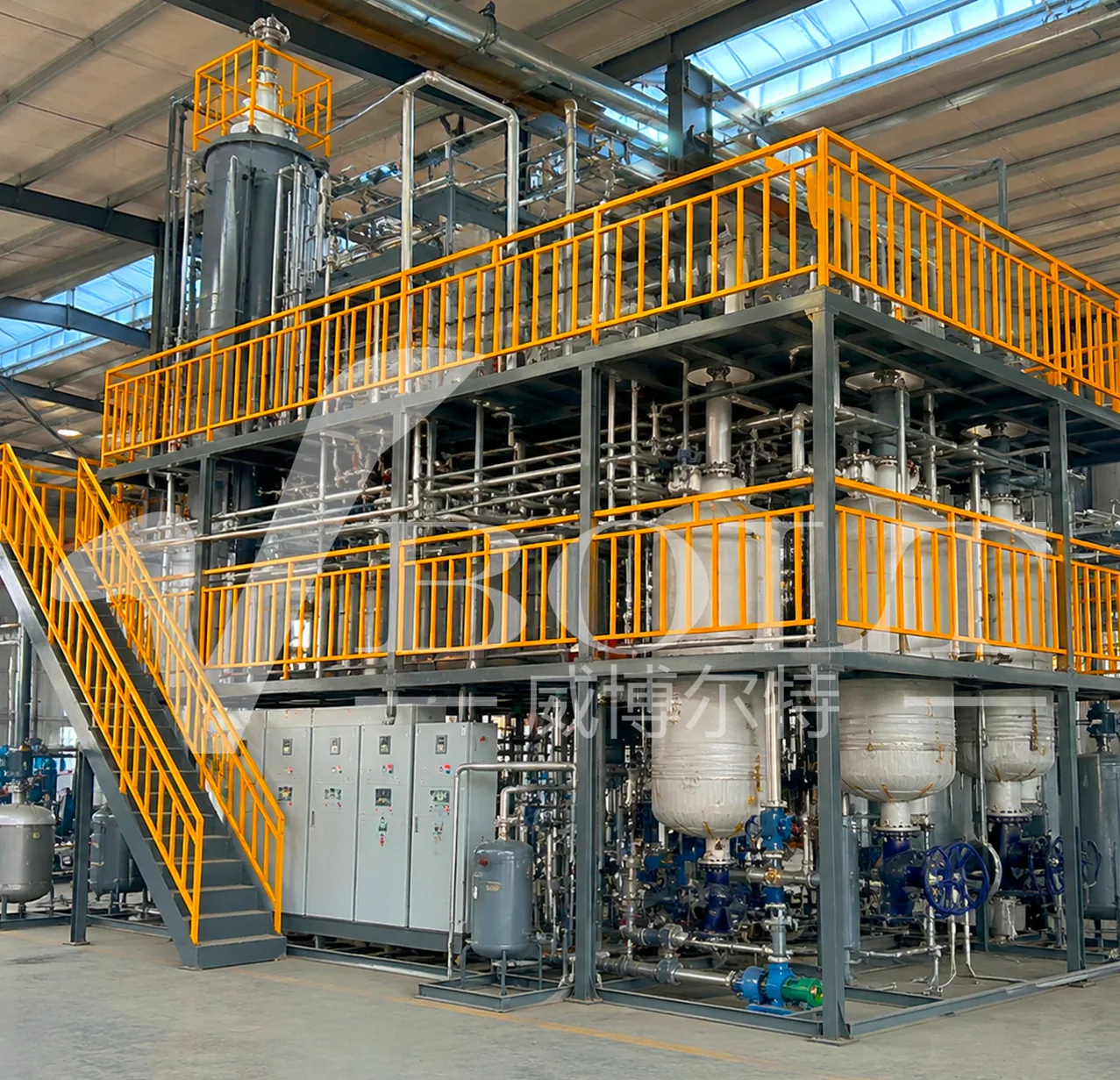
The approved feed is screened, stored in segregated tanks and dehydrated before vacuum distillation. Controlled temperature and reduced pressure separate selected hydrocarbon fractions, while demisting and condensation direct them to dedicated product tanks. Filtration, adsorption, stabilization or another verified finishing step is selected from laboratory results. Heavy bottoms, wastewater and non-condensable gas are collected in controlled systems for permitted reuse, treatment or disposal.
Recovered Fuel Quality and Intended Use
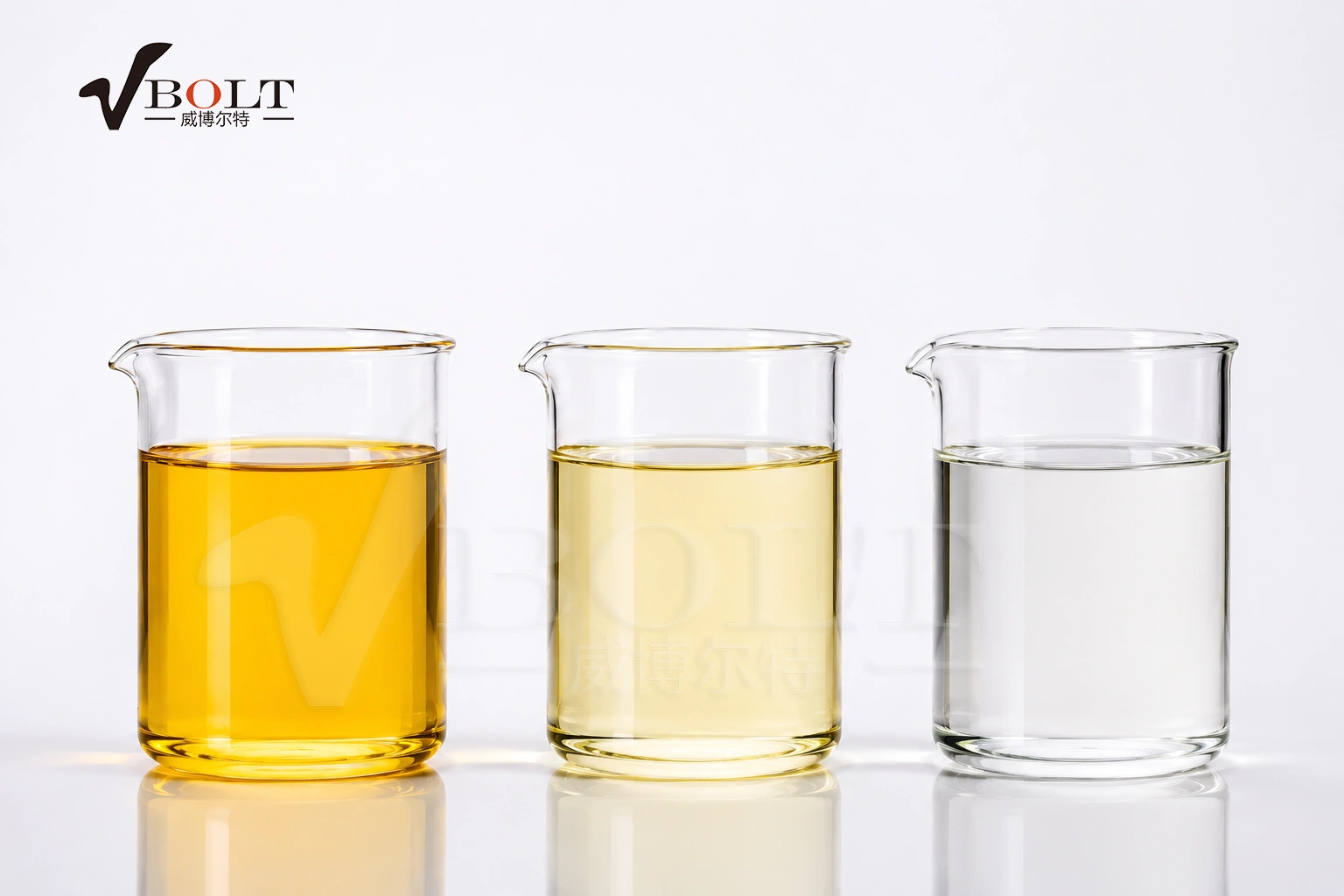
Each batch should be released against an agreed test schedule covering water and sediment, density, viscosity, distillation curve, flash point, sulfur, acidity, ignition quality, ash, carbon residue and metals. Potential outlets may include permitted industrial burners, furnaces, stationary generators or blending operations, subject to equipment-maker approval and local law. Road-vehicle use normally requires a regulated automotive diesel specification and may need upgrading beyond distillation and basic purification.
Throughput, Yield and Mass Balance
Nominal capacities such as 1, 5, 10 or 20 tonnes per day are engineering starting points, not guaranteed net production rates. Sustainable throughput depends on water and solids loading, heating duty, vacuum capacity, cut points, cleaning frequency and on-stream availability. Recoverable fuel yield must be established from representative feed trials and a complete mass balance that separately reports feed oil, removed water and light ends, on-spec and off-spec fractions, heavy residue, non-condensable gas and normal process loss.
Main Equipment and Optional Systems
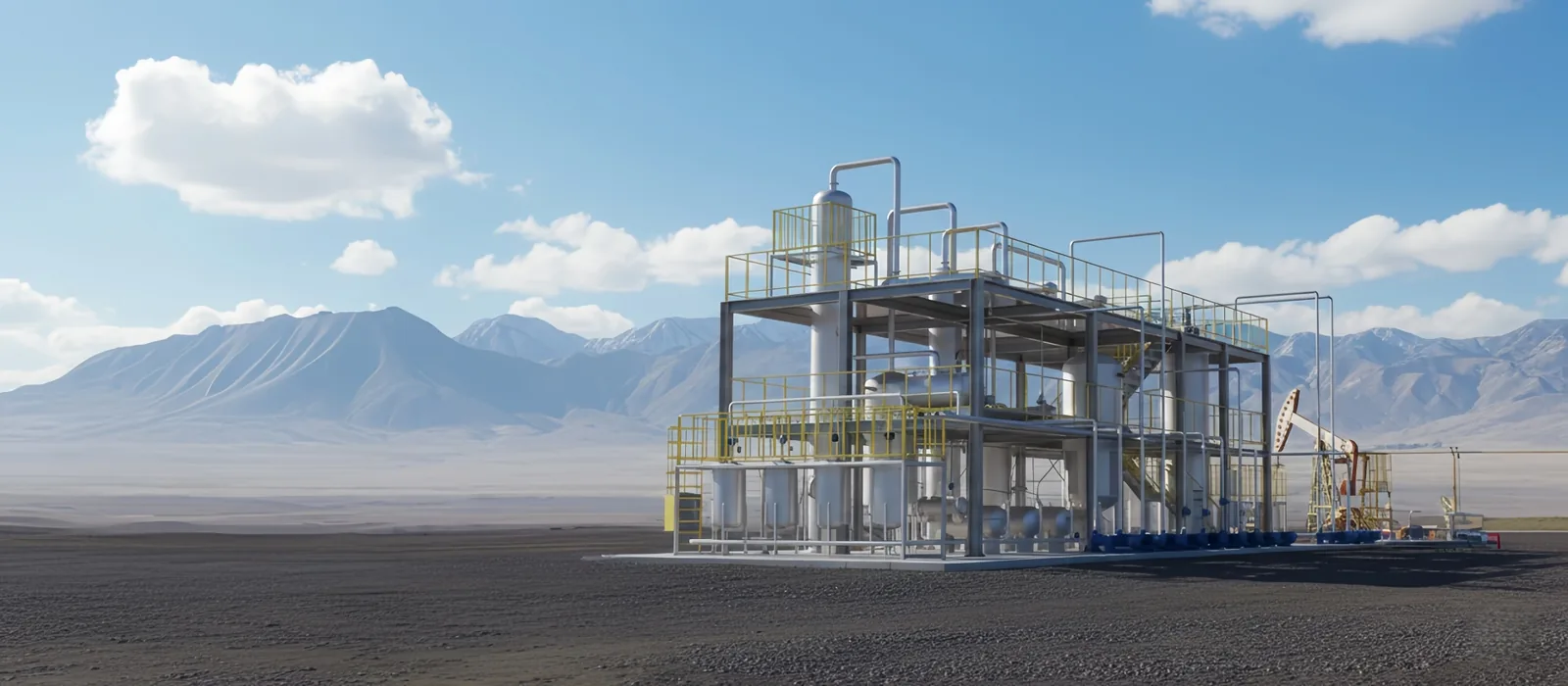
A project-specific line may include feed tanks, transfer pumps, strainers, filters, dehydration equipment, a heater or reboiler, vacuum distillation equipment, a demister, condensers, receivers, product tanks, a vacuum package, cooling and heating circuits, PLC controls, alarms, interlocks, emergency shutdown functions and residue, wastewater and gas-treatment systems. Optional polishing, heat recovery, SCADA and explosion-protected electrical equipment are selected after process and site review.
Safety, Emissions and Residue Management
Project design should address closed transfer, nitrogen blanketing where justified, pressure and vacuum protection, temperature and level trips, flame safeguards, grounding and bonding, gas detection, ventilation, fire protection and emergency procedures. The site owner remains responsible for local hazardous-waste, air-emission, wastewater, fuel-production, storage and fire approvals.
Non-condensable gas should pass through knock-out and safety devices before controlled use as fuel or permitted treatment. Heavy residue is not automatically a saleable asphalt product: it should be characterized for flash point, metals, ash and regulated contaminants, then transferred to an authorized recovery or disposal route.
Project Data, Commissioning and Acceptance
A reliable proposal starts with feed analyses, daily and annual throughput, required product tests, utility data, climate, plot limits, the local electrical standard and the required automation level. The agreed scope should define process design, equipment supply, installation interfaces, operator training, spare parts, documentation and commissioning support. Acceptance should use the agreed feed envelope, stable operating conditions, a measured mass balance and independent laboratory results.