




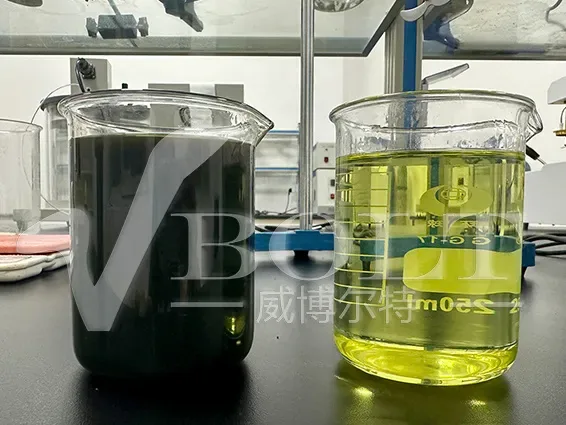
Convert Suitable Waste Oil Into Controlled Fuel Fractions
Use feed testing, pretreatment, vacuum distillation, fractionation and configurable finishing to process suitable waste oil with the VBOLT-DD Series.
Final product grade and permitted use depend on release testing and local requirements.
✔ Preliminary material balance
✔ Project utility and site review
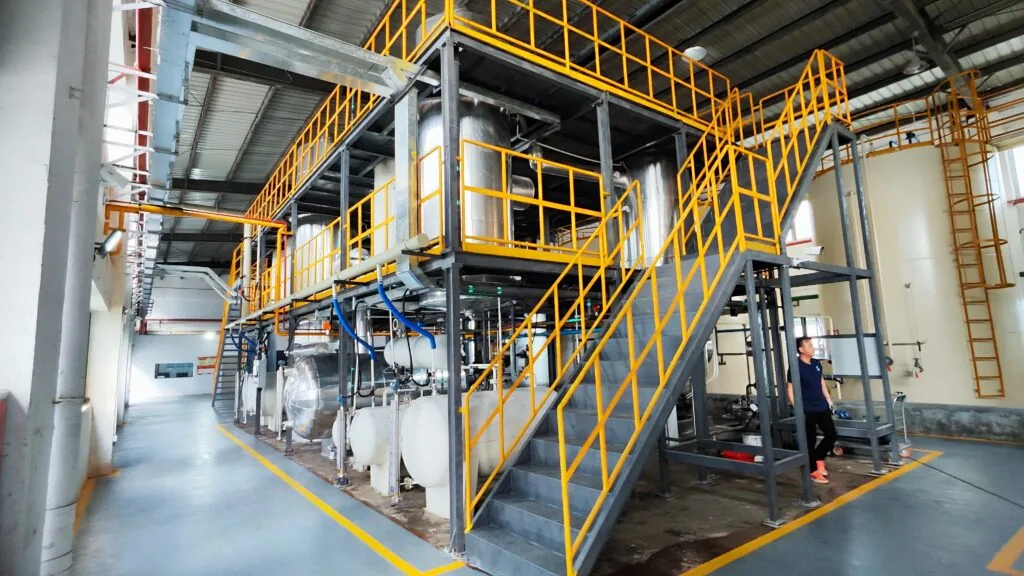
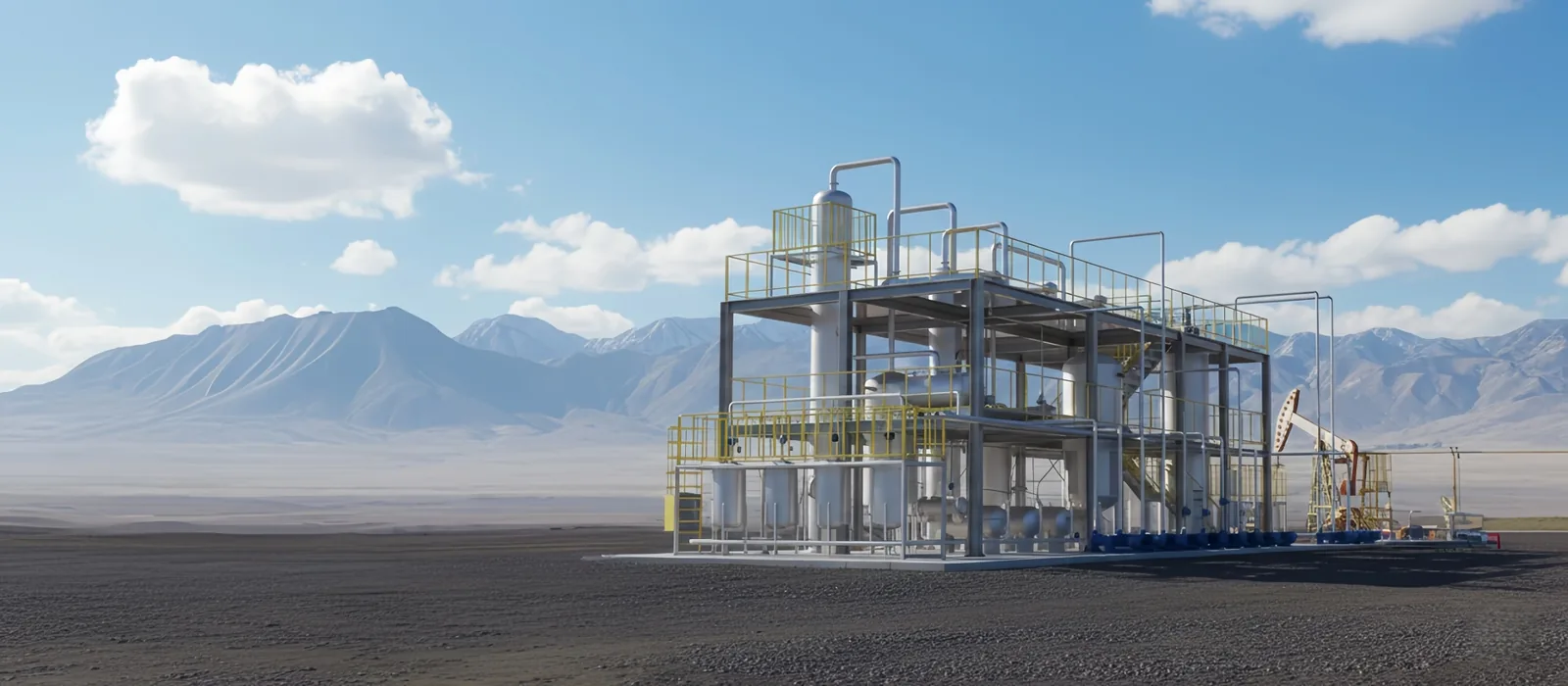
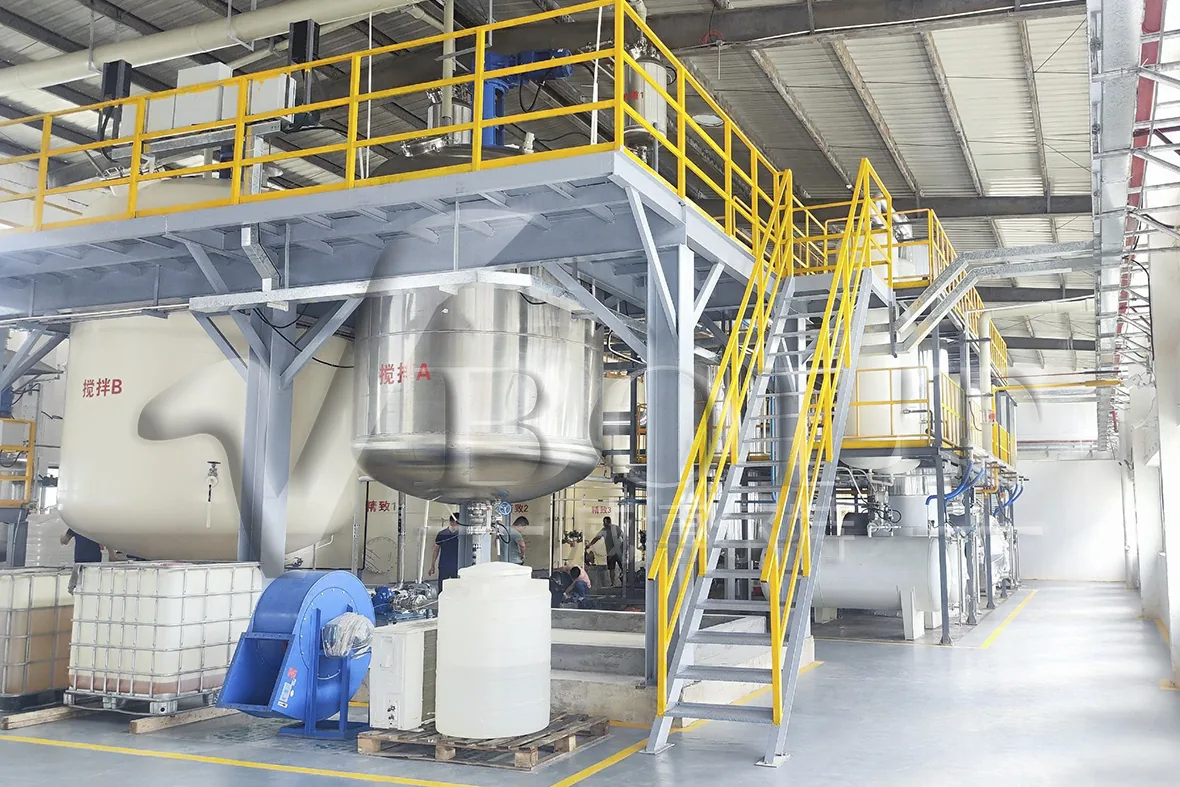
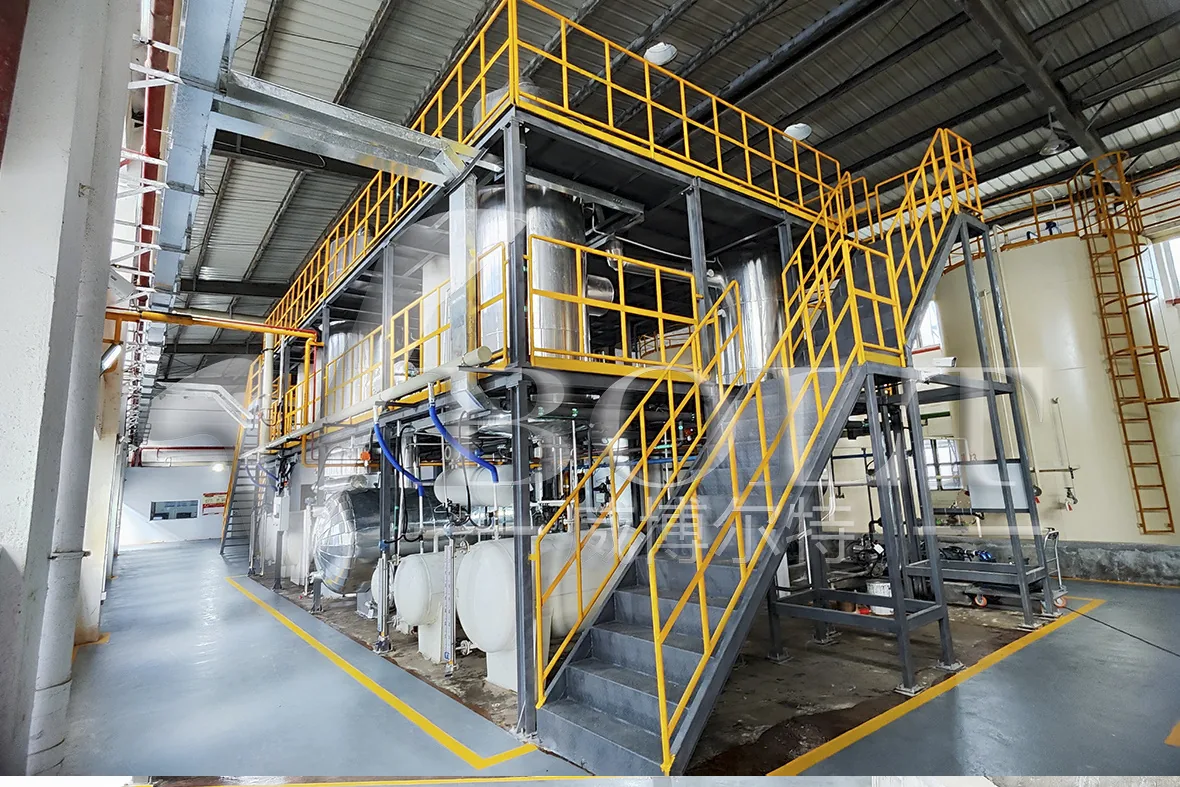
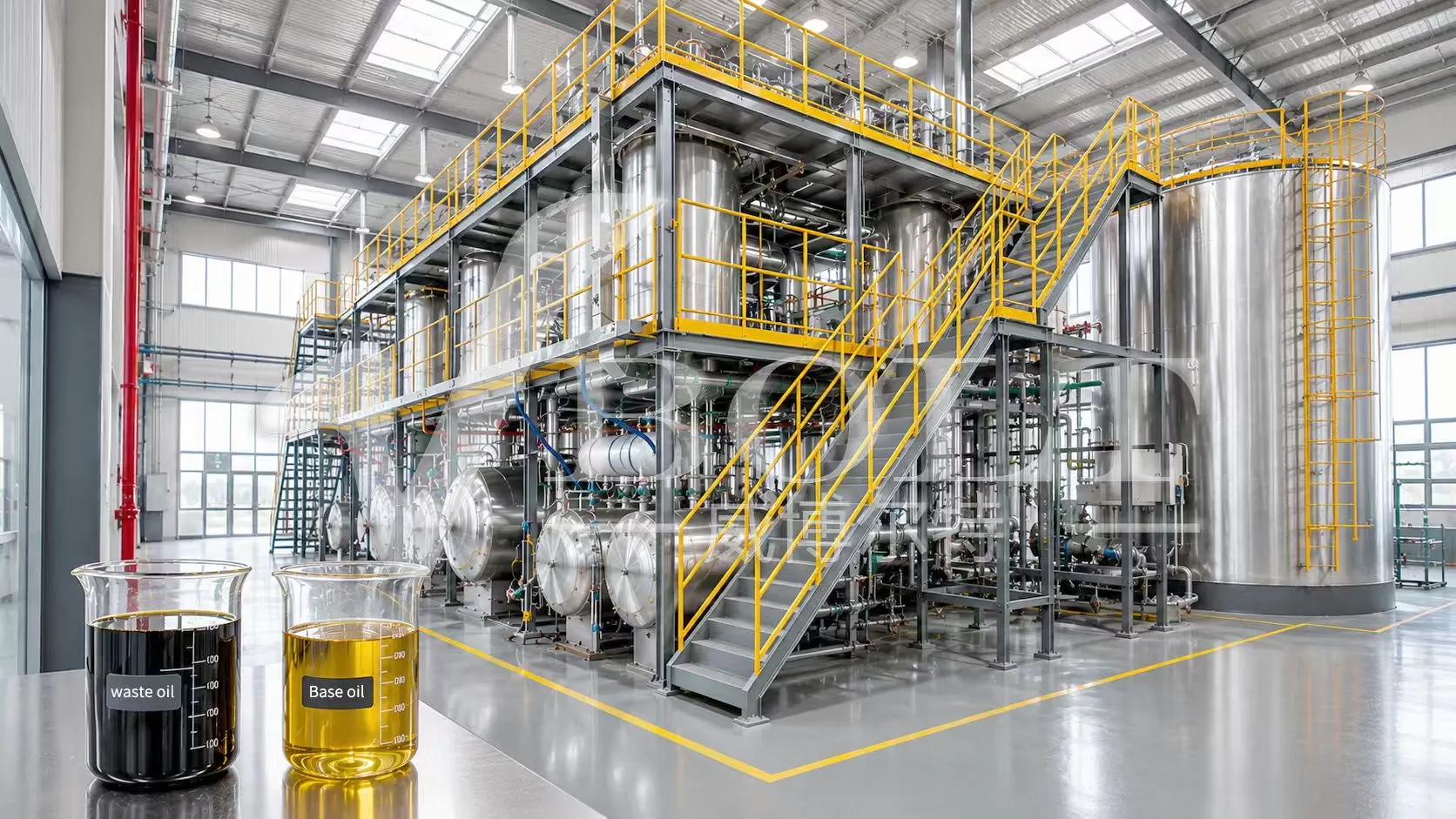
See the equipment arrangement and process stages in the video.
Request a Feed-Specific Configuration and QuoteWaste Oil to Diesel Distillation Plant
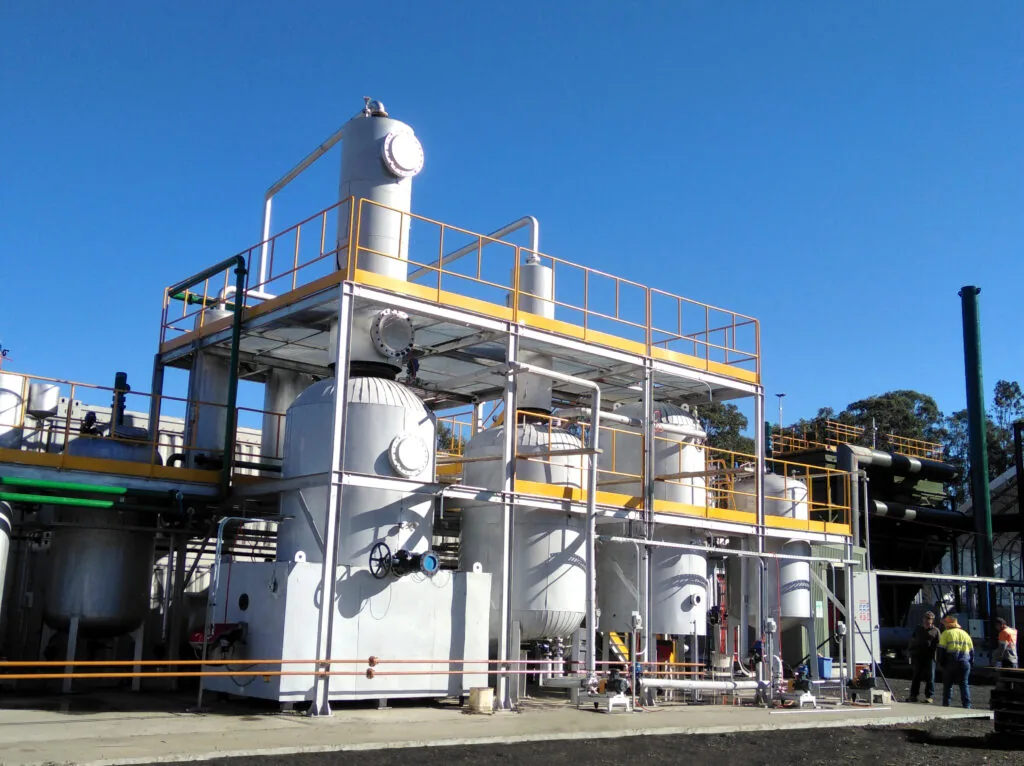
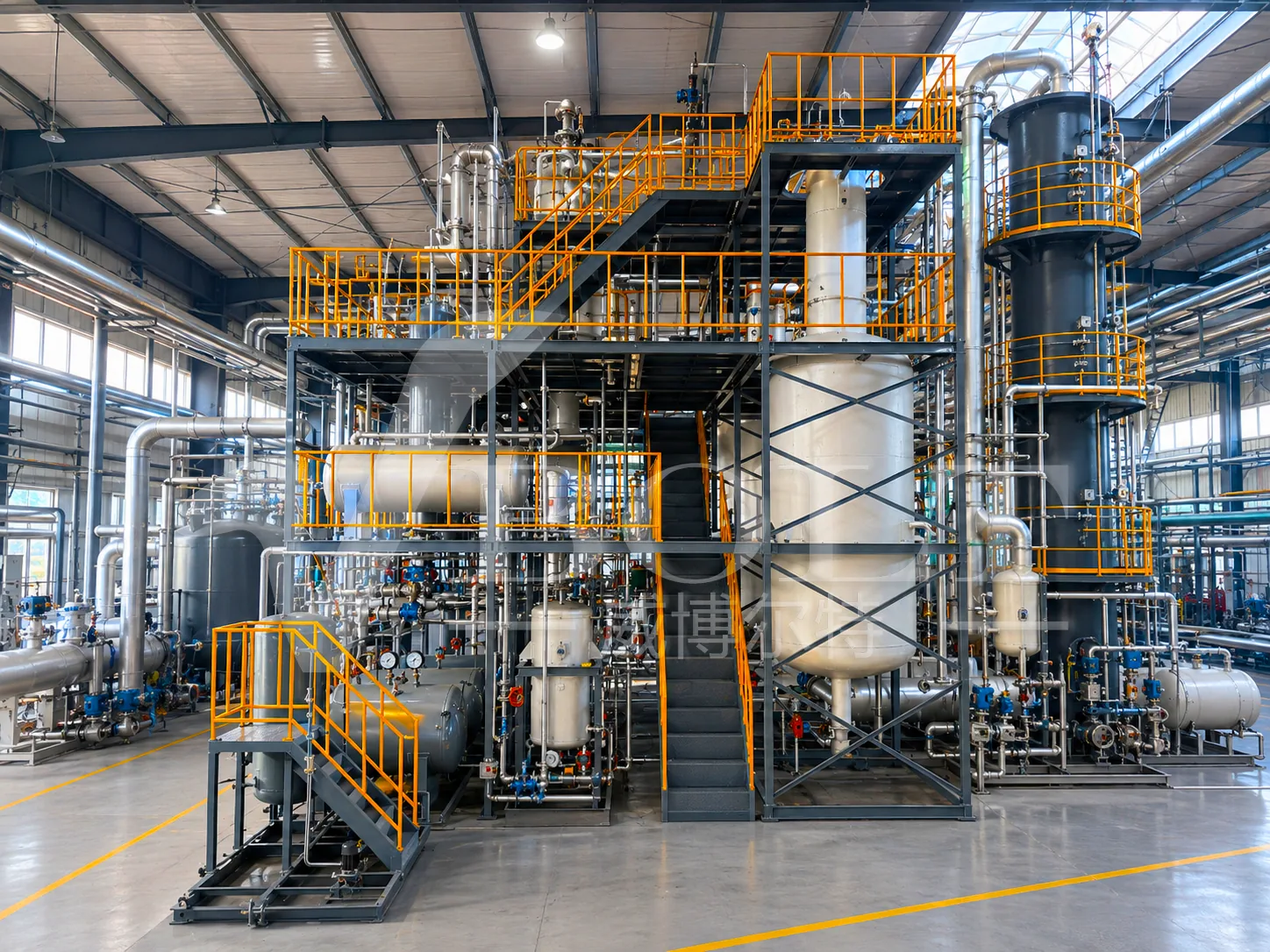
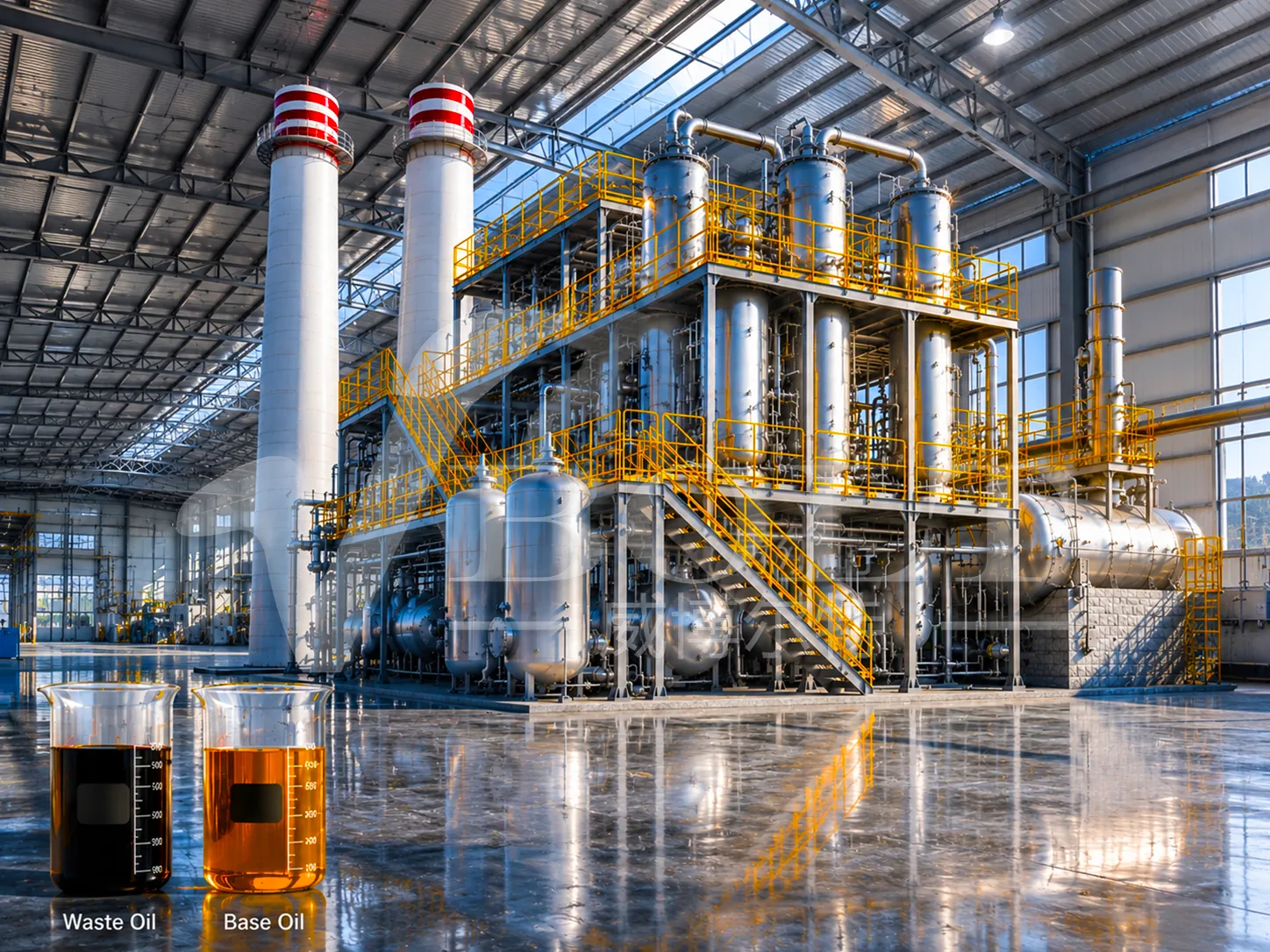
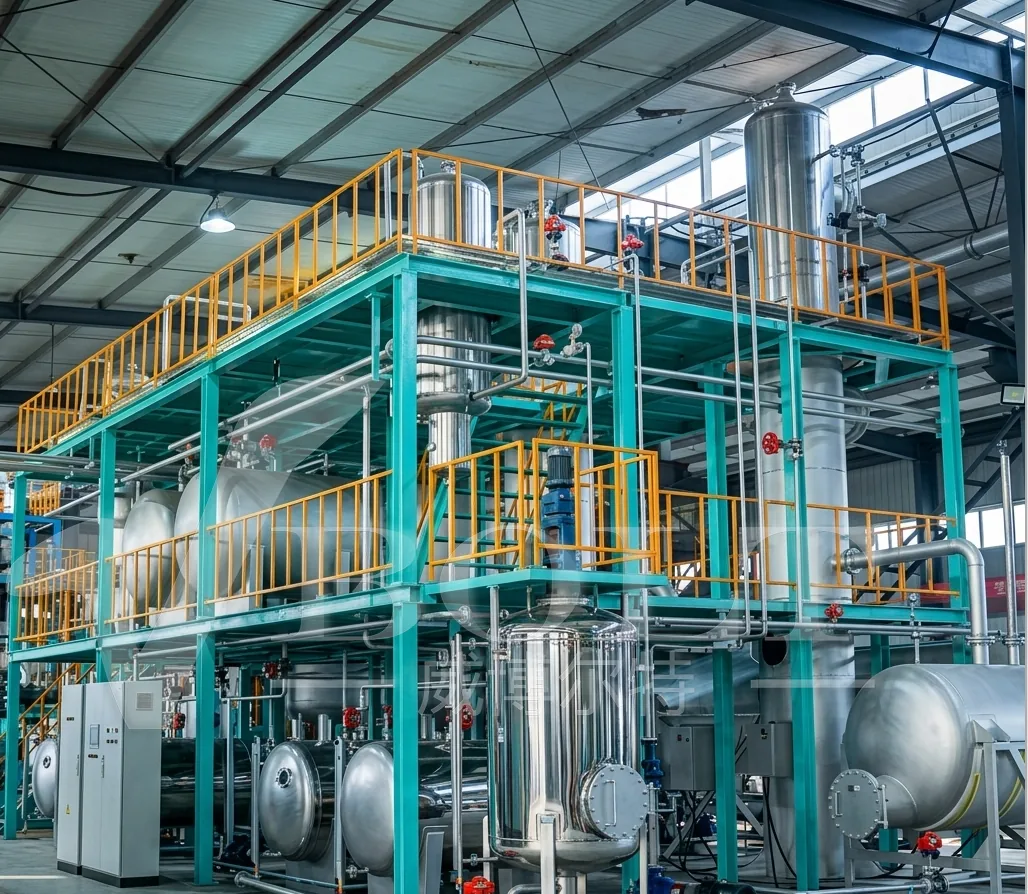
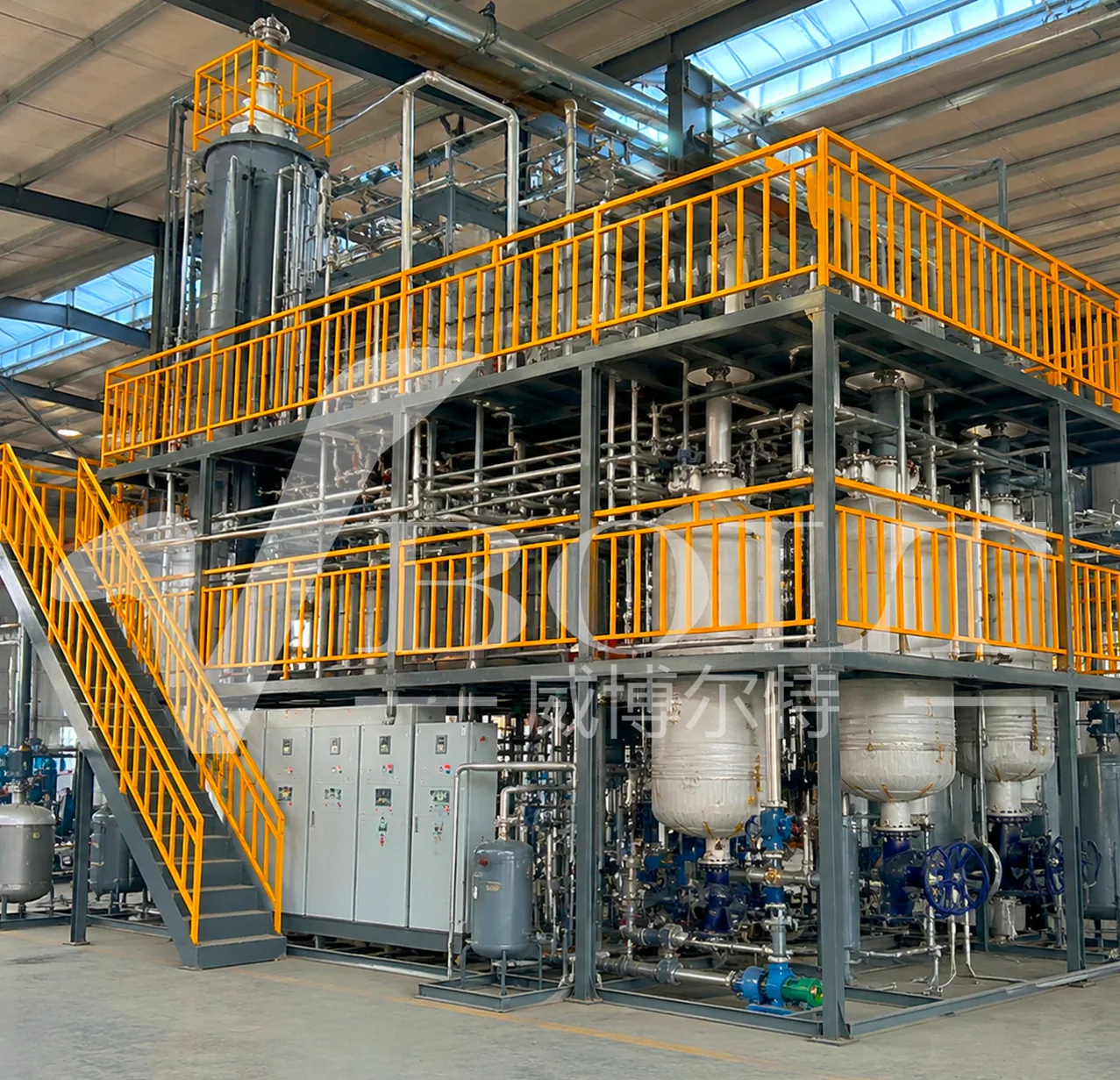
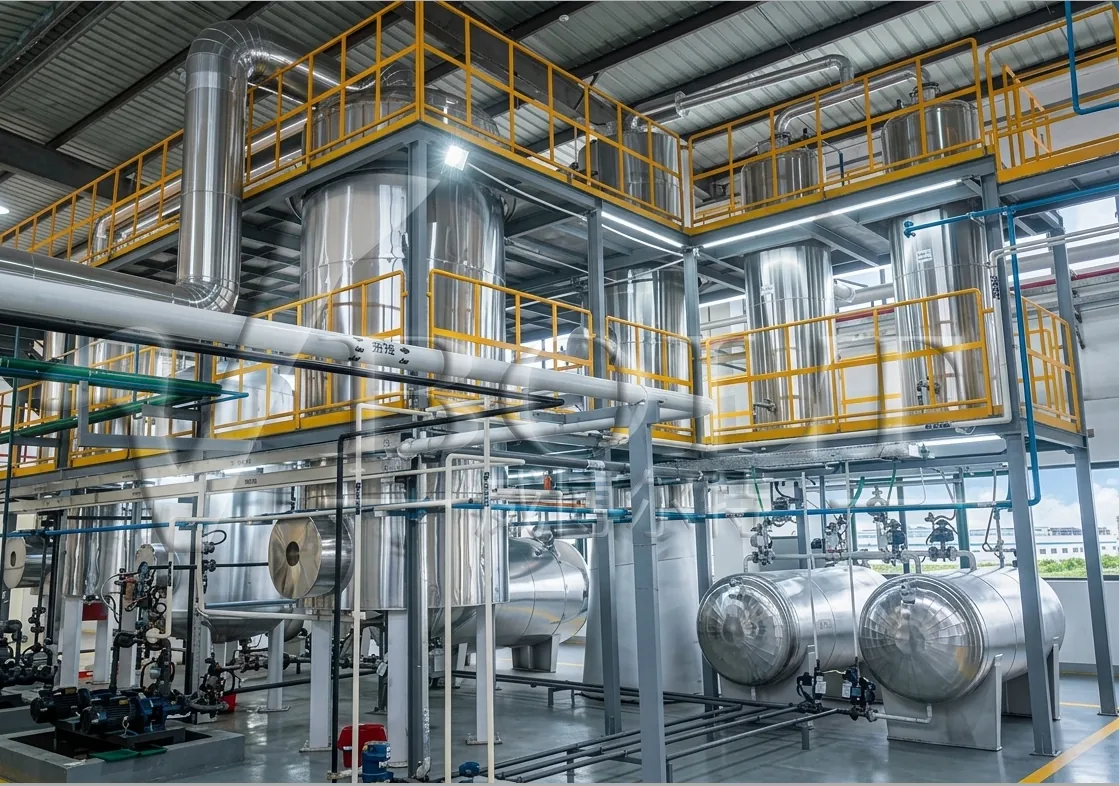
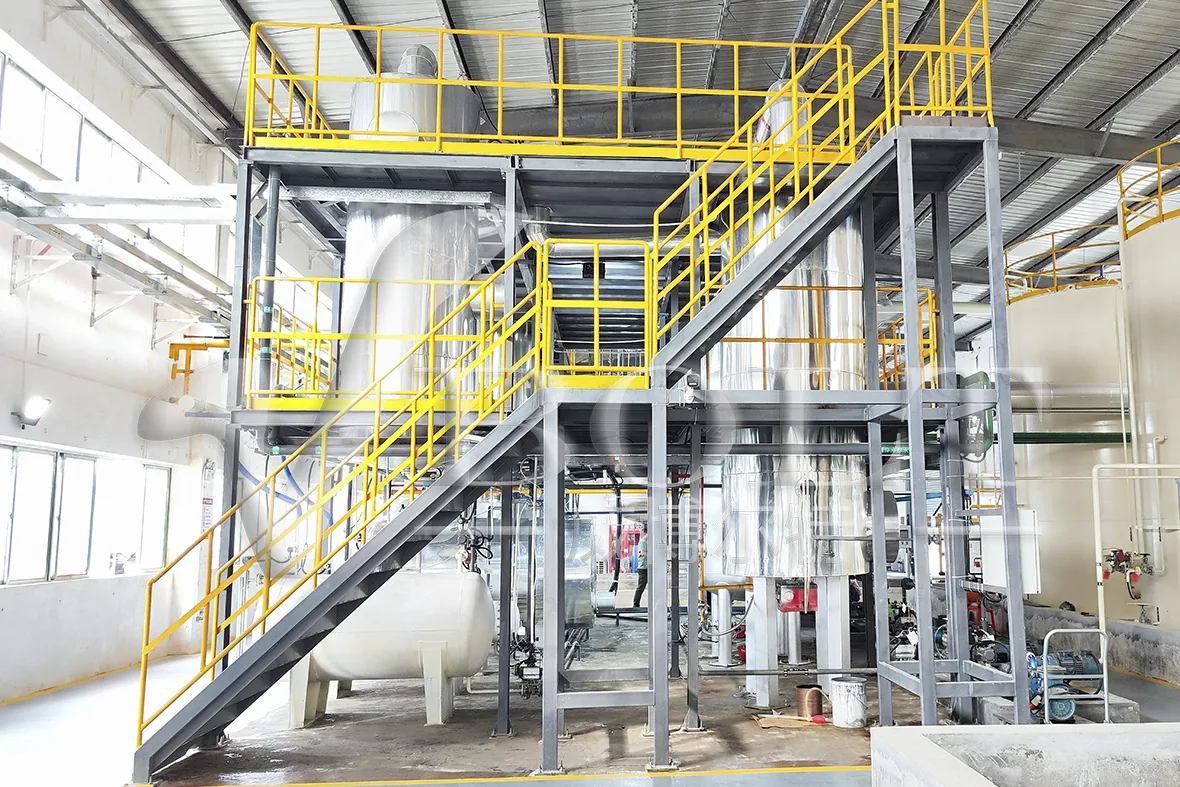
The VBOLT-DD series is a modular industrial plant for separating suitable waste oils into controlled boiling-range fuel fractions. The design combines feed pretreatment, vacuum thin-film distillation, fractionation and a finishing route selected from feed-test data.
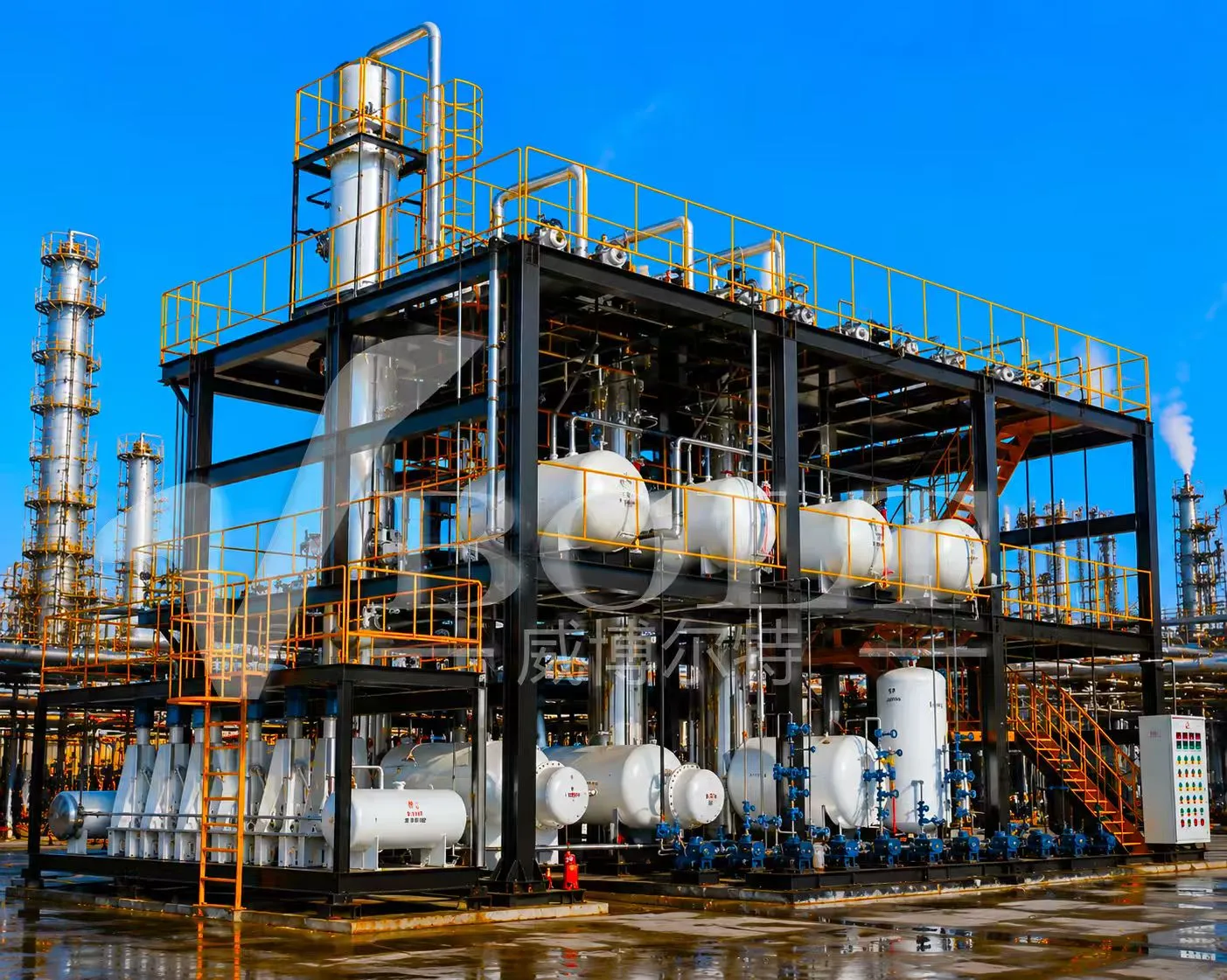 Plant Product Highlights
- Configuration based on representative feed testing
- Integrated pretreatment, vacuum separation and fractionation
- Capacity sized from verified feed supply and operating schedule
- Optional finishing selected for the required product specification
Product Highlights
This product page explains the process modules, feed qualification, preliminary sizing and quality-control steps used to configure a waste oil vacuum distillation and fuel fractionation project.
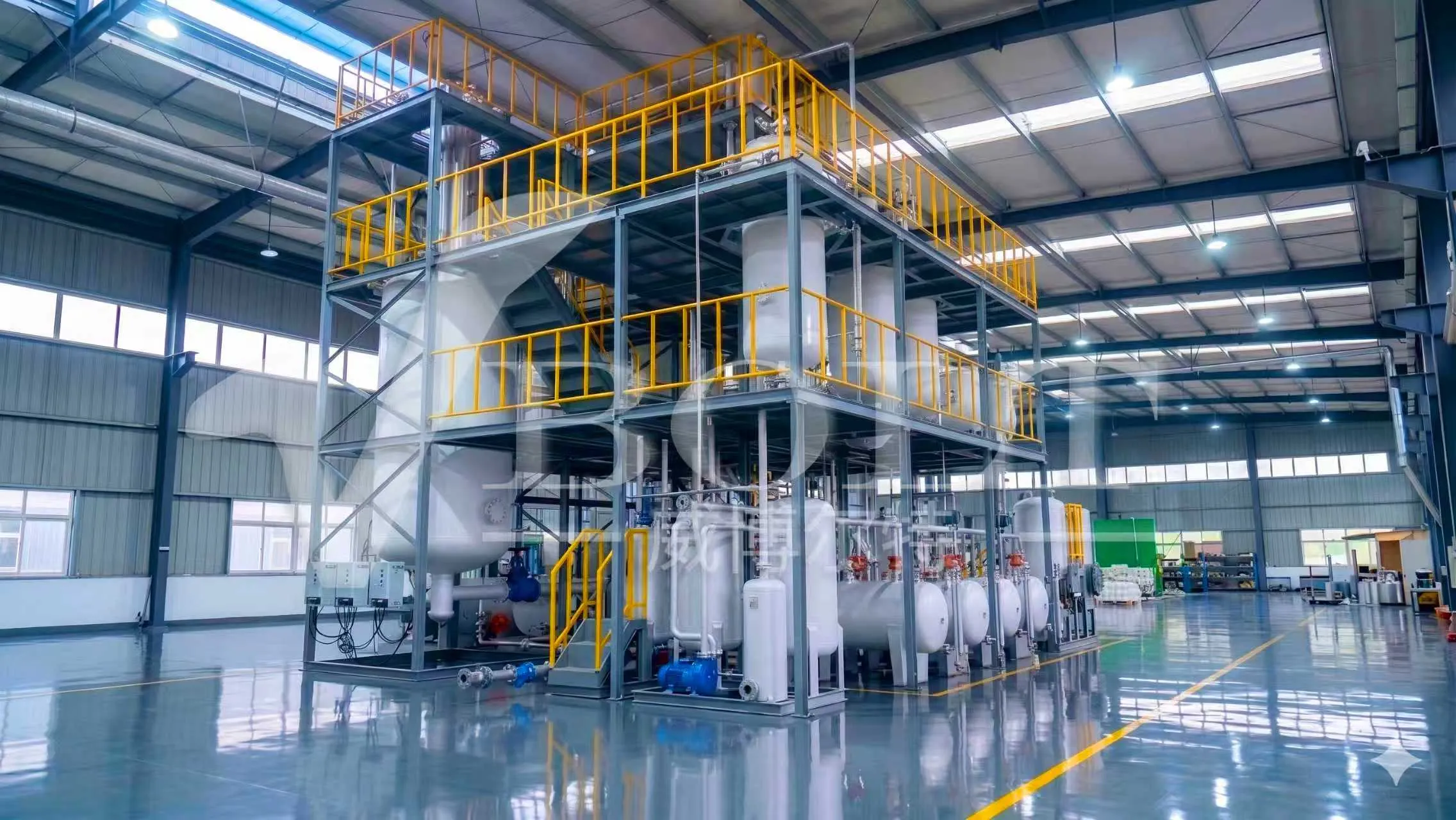
Core Distillation Technology
Vacuum thin-film separation shortens residence time and supports controlled recovery of selected boiling-range fractions. Final performance is established from the approved design basis.
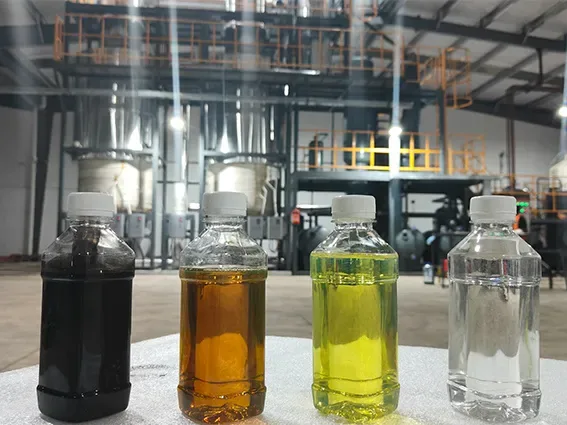
Controlled Fuel Fractions
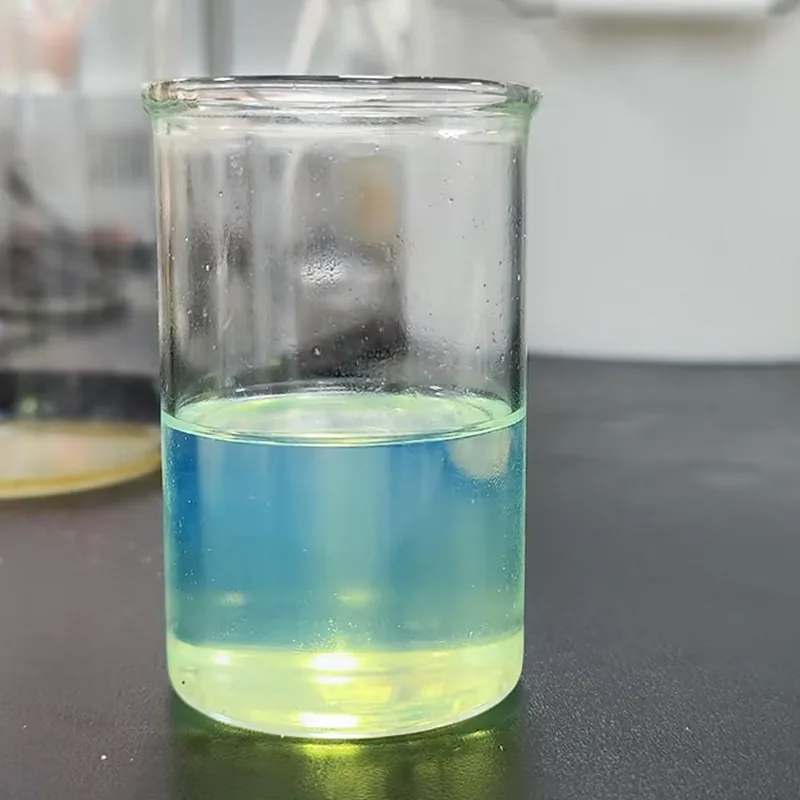
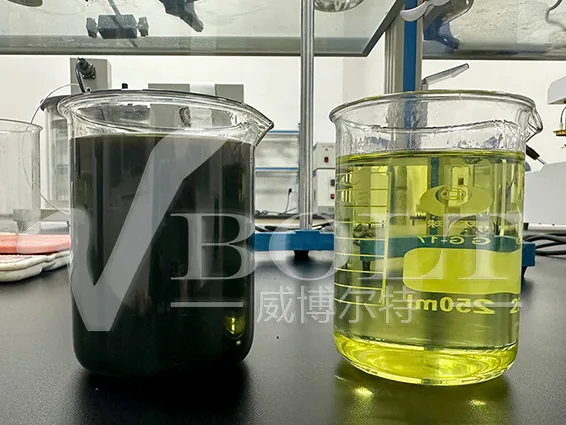
A feed-specific finishing route can target clarity, stability, contaminant reduction and other agreed properties. Each product lot still requires laboratory release testing.
Optional Oxidative Desulfurization (ODS)
ODS may be evaluated when sulfur reduction is required. Its applicability, chemical consumption and achievable result must be confirmed with representative feed and product testing.
Core Process Technology Modules
From feed receipt to product release, the modular route separates pretreatment, vacuum distillation, fractionation, configurable finishing and laboratory verification into defined control stages.
Pretreatment
Remove water, sludge and suspended contaminants.
Thin Film Distillation
Rapid evaporation under controlled conditions.
Fractionation
Separate target boiling-range fuel fractions.
Refining
Condition selected fractions for the agreed quality targets.
Desulfurization
Evaluate sulfur reduction against feed data and the required specification.
Detailed Process Introduction
A more detailed display of the main process modules, matching product-level technical presentation needs for industrial buyers.
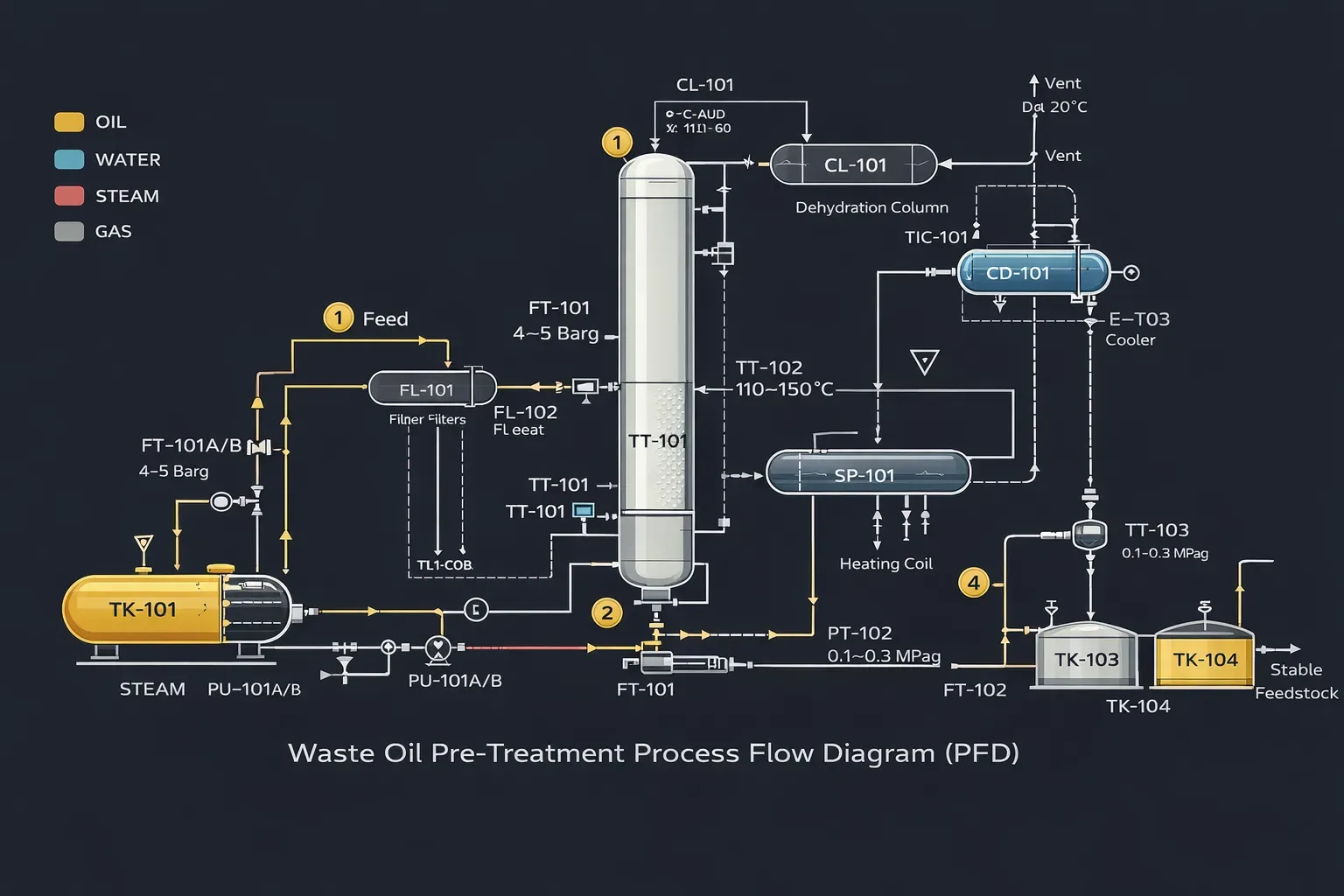
The First Critical Step in Waste Oil to Diesel Processing
The pretreatment system is the first key stage in the waste oil to diesel process. Its function is to remove water, impurities and unstable components from the raw feed, providing more stable and controllable conditions for downstream distillation and refining.
- Impurity Removal: removes solid particles and metallic contaminants.
- Dehydration: reduces water content to a safer operating range.
- Feedstock Stabilization: minimizes raw material fluctuation.
- Equipment Protection: helps reduce coking, blockage and corrosion risks.
One of the Core Separation Technologies
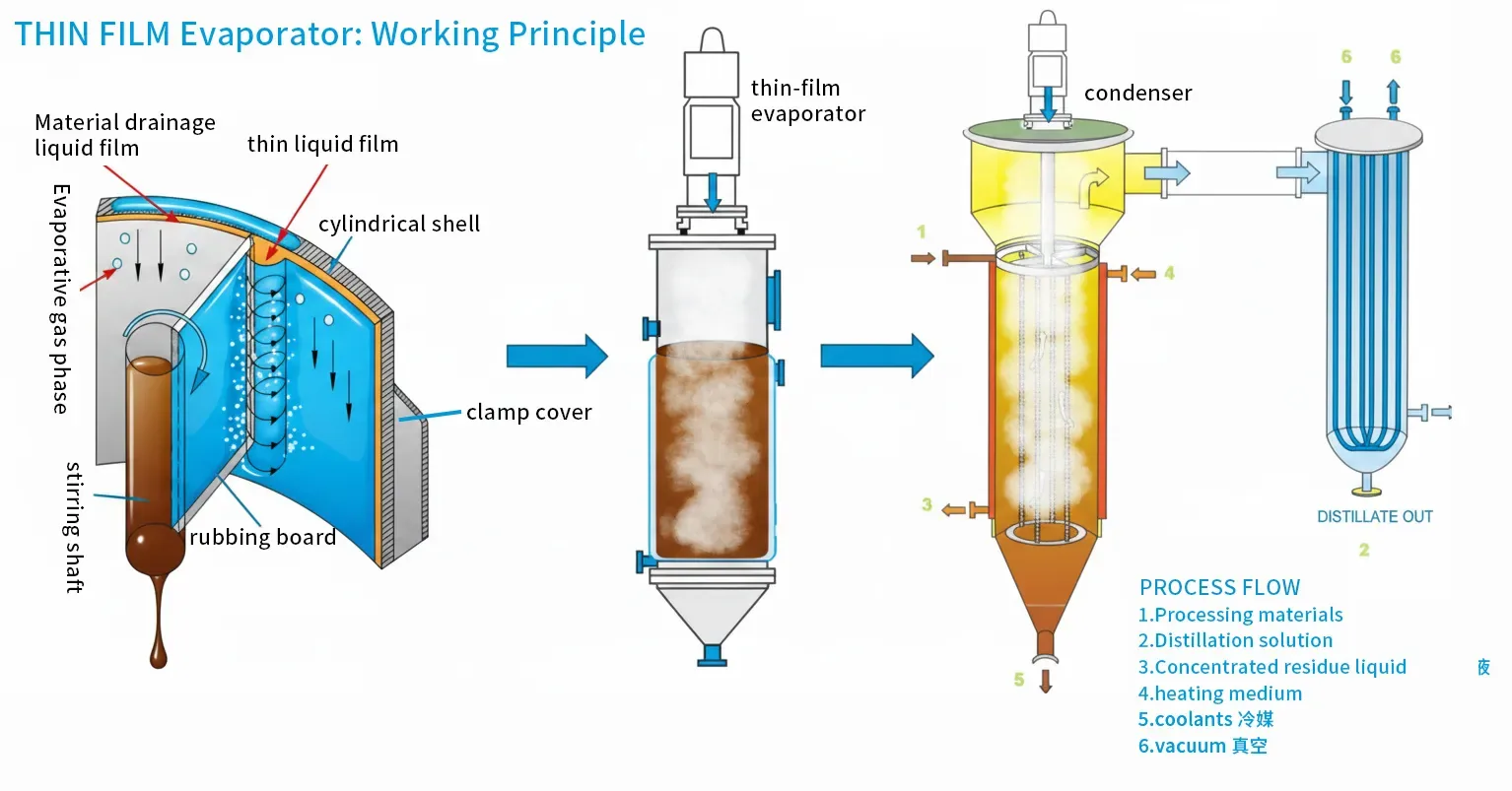
Thin film distillation is one of the core separation technologies in the plant. Under controlled vacuum and temperature conditions, the feed forms a thin liquid film, enabling rapid evaporation and efficient component separation with shorter residence time.
- High Heat Transfer Efficiency: improves thermal exchange performance.
- Lower Boiling Temperature Under Vacuum: helps reduce thermal stress on the separated fractions.
- Short Residence Time: helps minimize cracking and oxidation.
- Continuous Processing: supports stable industrial production.
- Anti-Coking Design: lowers carbon deposition risk.
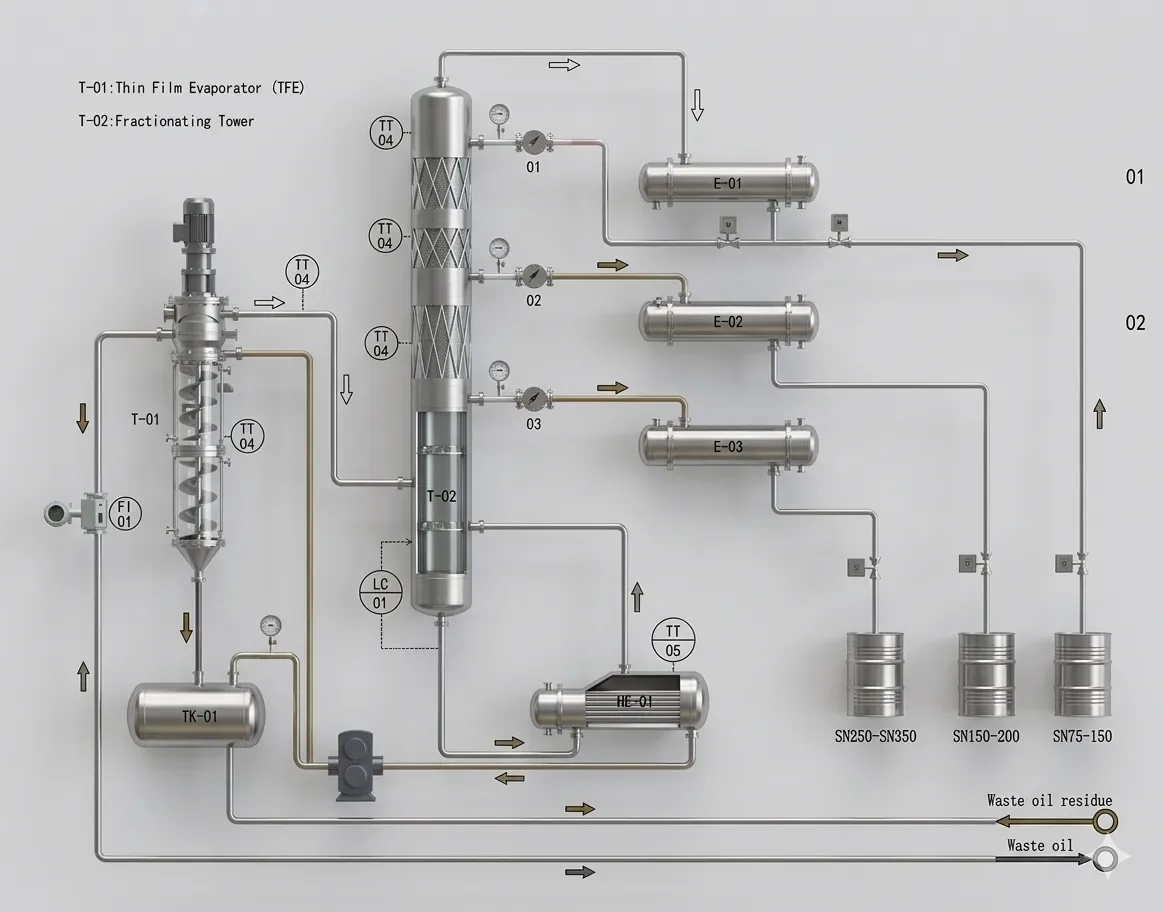
Precise Separation of Different Boiling Point Fractions
The fractionation system is a key separation unit in the waste oil to diesel process. By separating components according to boiling range, it enables controlled recovery of light, target fuel and heavier fractions while supporting product consistency.
- Defined Boiling Ranges: controls cut points for the selected product route.
- Multi-Product Recovery: improves resource utilization.
- Reduced Downstream Load: lowers burden on later refining stages.
- Stable Production: supports continuous output consistency.
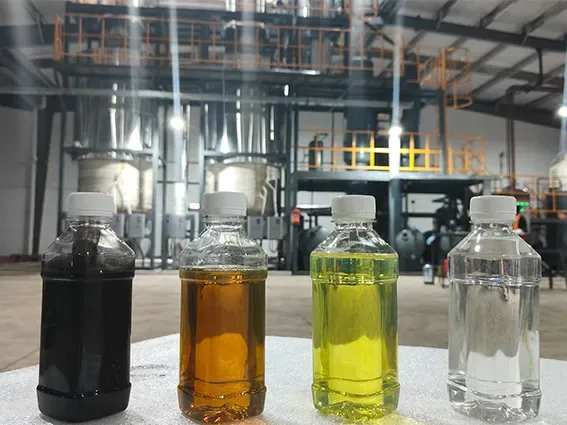
Configurable Finishing for Product Quality Targets
The refining system is the deep-treatment stage of the plant. The selected finishing system addresses residual impurities and unstable components after distillation. The route is chosen from test data and the agreed product specification.
- Higher Product Quality: lowers impurity content.
- Specified Properties: targets the agreed laboratory parameters.
- Stability Control: addresses oxidation and storage requirements where specified.
- Release Decision: links test results to a permitted product use and market specification.
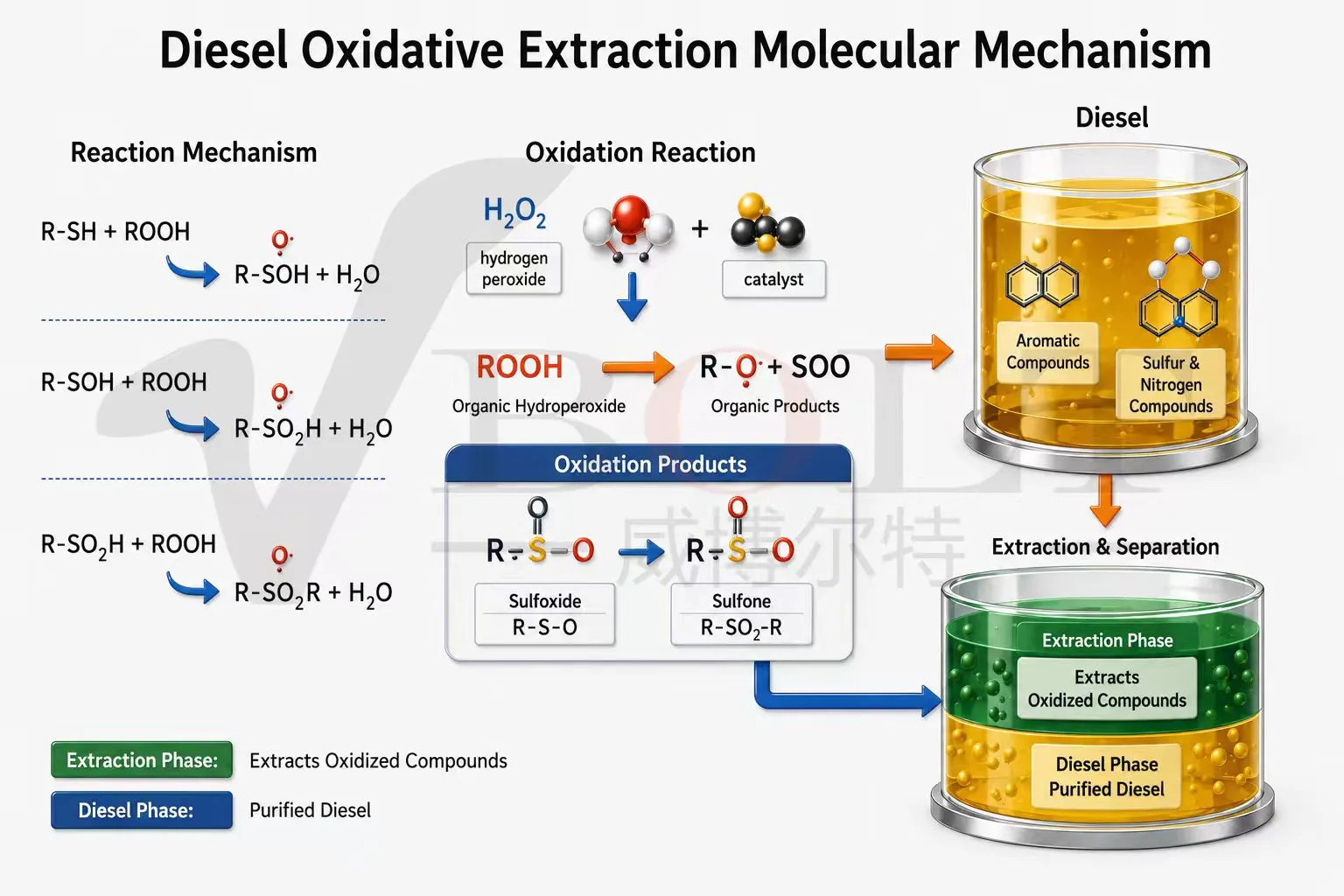
Test-Based Desulfurization for Defined Sulfur Targets
Oxidative extraction combines a controlled oxidation step with solvent extraction. The route is optional and must be validated with representative material before equipment and reagent requirements are finalized.
- Feed-Specific Evaluation: checks sulfur species, reagent demand and achievable reduction.
- Controlled Operating Window: temperature and residence time are set from process testing.
- Synergistic Process Design: oxidation and extraction work together.
- Solvent Management: recovery and reuse are engineered where the selected route permits.
Illustrative Process Data, Not Guaranteed Product Specifications
The charts below illustrate how engineering data may be presented. They are not a quotation, guaranteed yield or product certificate; project values come from feed tests, design calculations and release tests.
Model Selection Guide
Choose the right waste oil to diesel distillation plant based on verified feed supply, planned operating schedule, site utilities, product specification, permits and maintenance strategy.
| Model Type | Preliminary Feed Range | Typical Project Context | Engineering Scope | Selection Basis |
|---|---|---|---|---|
| Pilot Unit | 5–10 L / Batch | Lab testing, feedstock trial and technical validation | Test program | Characterizes representative feed before scale-up decisions |
| Compact Plant | 0.5 – 10 T / Day | Small verified feed streams and staged project development | Project-specific | Confirm feed continuity, utilities, residue handling and product route |
| Standard Plant | 10 – 50 T / Day | Commercial projects with documented feed supply and product offtake route | Project-specific | Sized after feed testing, material balance and site utility review |
| Large Scale Plant | 50 – 200 T / Day | Large industrial projects with verified logistics, utilities and permits | Project-specific | Requires detailed engineering, phased commissioning and operating controls |
Pilot Unit
TestingCompact Plant
EntryStandard Plant
Engineering ReviewLarge Scale Plant
IndustrialVerified Feed Supply
Use documented collection volumes, seasonal variation and storage capacity to establish a realistic design feed rate.
Operating Schedule and Utilities
Confirm planned run hours, power, fuel, cooling water, labor, maintenance windows and backup arrangements before sizing the plant.
Product Route and Compliance
Define the target specification, permitted use, release-test plan, emissions controls and residue route before final equipment selection.
Product Quality Parameters to Verify
Product quality is not fixed by the equipment name. Agree the target specification first, then verify each required parameter through representative testing and documented product release.
| Parameter | Project-Specific Verification | Control Purpose |
|---|---|---|
| Appearance | Recorded during release testing | Supports visual consistency checks; appearance alone does not define grade |
| Density (at 20°C) | Measured for each product lot | Compared with the agreed product specification |
| Kinematic Viscosity | Measured by the specified laboratory method | Confirms suitability only when matched to the intended application |
| Flash Point | Set by the required grade and local rules | Supports storage and handling decisions after laboratory verification |
| Water Content | Controlled and measured for each product lot | Checks dehydration and finishing performance |
| Mechanical Impurities | Measured by the agreed test method | Checks solids removal and product cleanliness |
| Calorific Value | Determined by product analysis | Used with other test results to assess the permitted application |
| Sulfur Reduction | Measured after the selected finishing route | Matched to the product specification and local limits |
Appearance
Density (at 20°C)
Kinematic Viscosity
Flash Point
Water Content
Mechanical Impurities
Calorific Value
Sulfur Reduction
Third-Party Verification
Representative feed tests support process design, while each product lot should be released against the agreed specification before sale or use. A sample report is not a guarantee for future production.
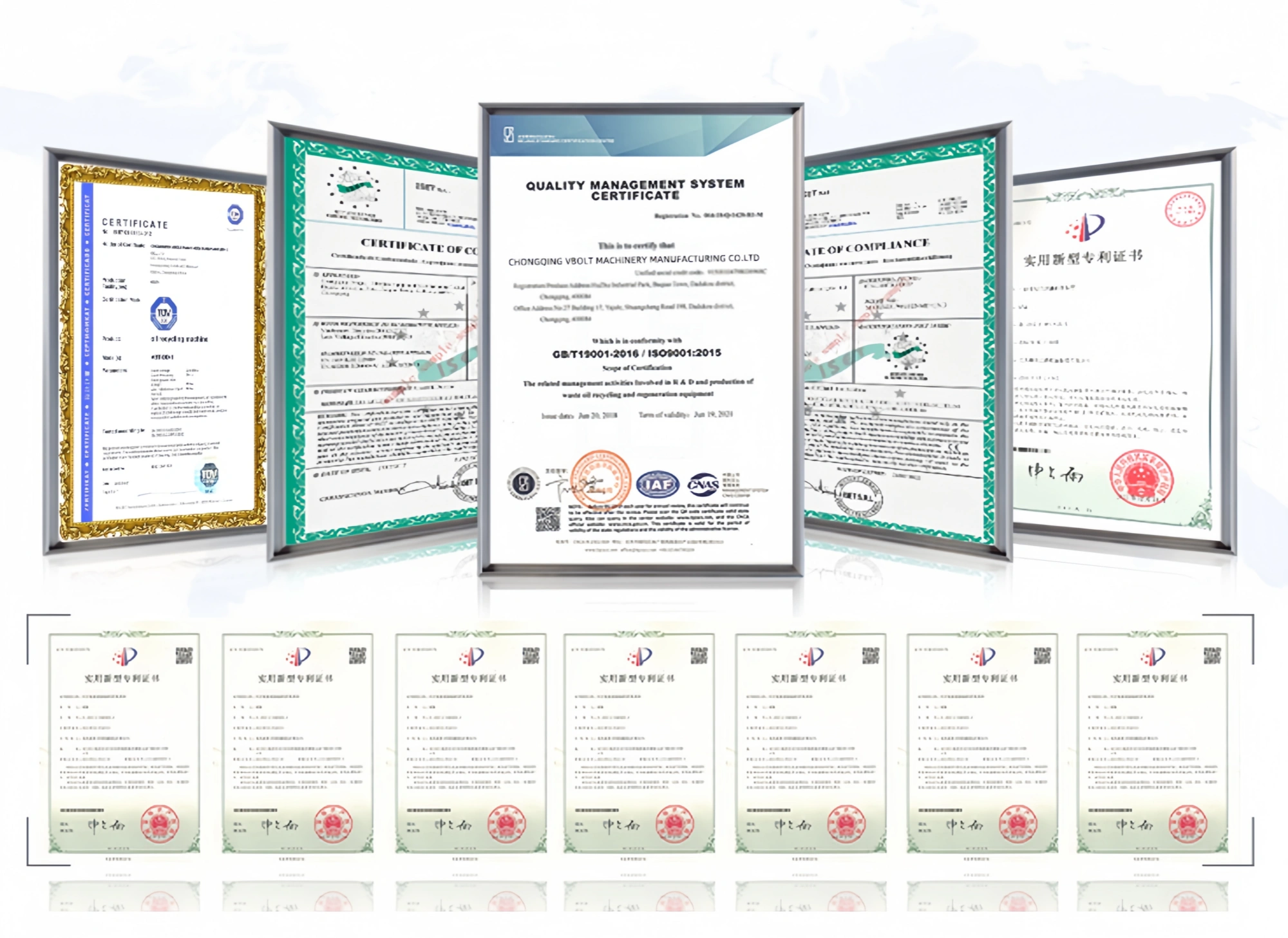
Independent Product Release Testing
Qualified laboratories can measure viscosity, density, water, mechanical impurities, flash point, sulfur and any other properties required by the target product specification.
- Viscosity measured by the specified method
- Water and mechanical impurities measured
- Flash point measured for handling and product control
- Sulfur and other required properties checked before release
Applications & Feedstocks
The plant is intended for licensed industrial and recycling projects. Every proposed feed requires representative sampling, contaminant screening and confirmation that it is suitable for the selected route.
Industrial Manufacturing
Mechanical, mining, metallurgy, power plant and chemical sectors.
Recycling Companies
Licensed waste oil collection and processing enterprises.
Auto Service Centers
Repair shops, fleet maintenance and service station waste oil streams.
Environmental Projects
Environmental companies and industrial park resource projects.
Lubricating Oils
Waste engine oil, motor oil and used lubricating oil.
Industrial Oils
Hydraulic oil, gear oil and mineral oil.
Special Oils
Selected transformer, marine and other oil streams only after feed testing.
Mixed Waste Oils
Mixed waste oils and selected pyrolysis-derived streams only after compatibility, contaminant and process testing.
Reference Configuration Examples
These examples show the information needed for project scoping. They do not promise yield, capacity, profitability or product compliance.
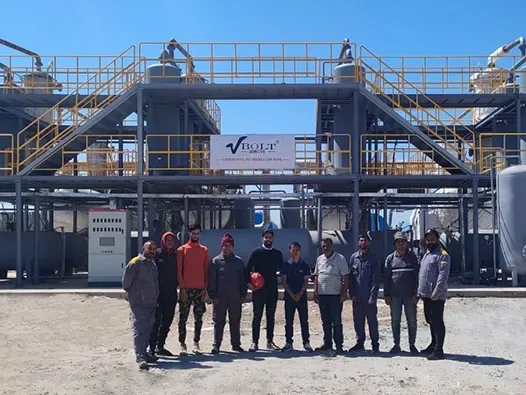
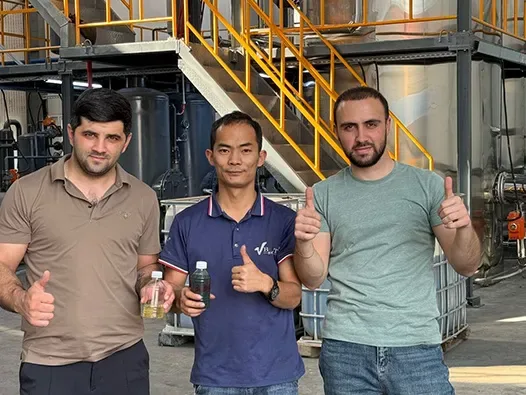
Reference A — Used Engine Oil
Example Model: VBOLT-DD-15
The final configuration depends on feed composition, planned run hours, product targets, utilities and residue management.
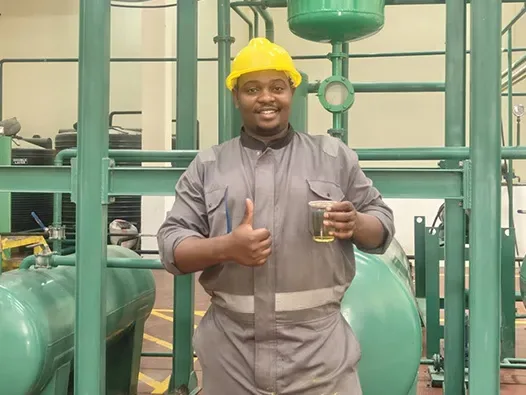
Reference B — Mixed Waste Oils
Example Model: VBOLT-DD-20
Product fractions require laboratory testing and a documented release decision for the intended local application.
Reference C — Large-Capacity Study
Example Model: VBOLT-DD-100
Large-capacity design requires verified logistics, utility loads, environmental controls, maintenance access and phased commissioning.
Frequently Asked Questions
Common questions from customers evaluating this waste oil to diesel distillation plant as a product purchase.
This product page describes the equipment platform and the engineering inputs used to configure it. A project proposal is prepared only after feed, site, capacity and product requirements are reviewed.
Potential feeds include selected waste engine, lubricating, hydraulic, gear and mineral oils. Suitability must be confirmed by sampling and contaminant testing; regulated or incompatible streams need separate handling and may be rejected.
The process separates controlled boiling-range fuel fractions plus light and heavy streams. Product classification and permitted use depend on feed composition, finishing, laboratory results and applicable local rules.
Continuous operation can be engineered where feed supply, utilities, staffing, maintenance and safety controls support it. Approved run hours are defined in the project operating basis.
Yes. Representative samples should be tested by a qualified laboratory against every parameter required by the selected product specification before each release decision.
Need a Waste Oil to Diesel Distillation Plant?
Send representative feed data, verified daily volume, planned run hours, site utilities, target product specification and market location. We will prepare a preliminary process route, material balance and layout basis.
Get A Quote