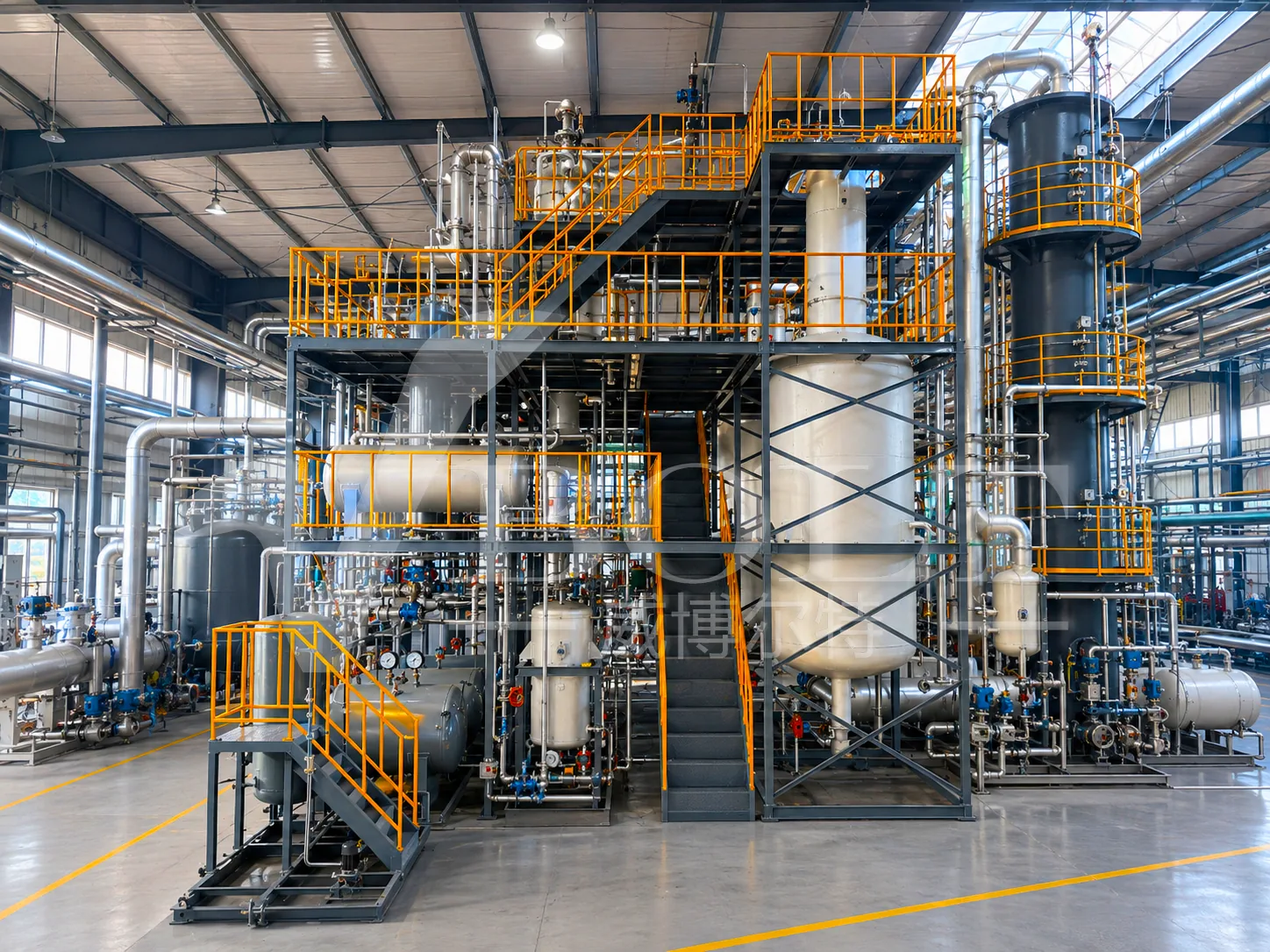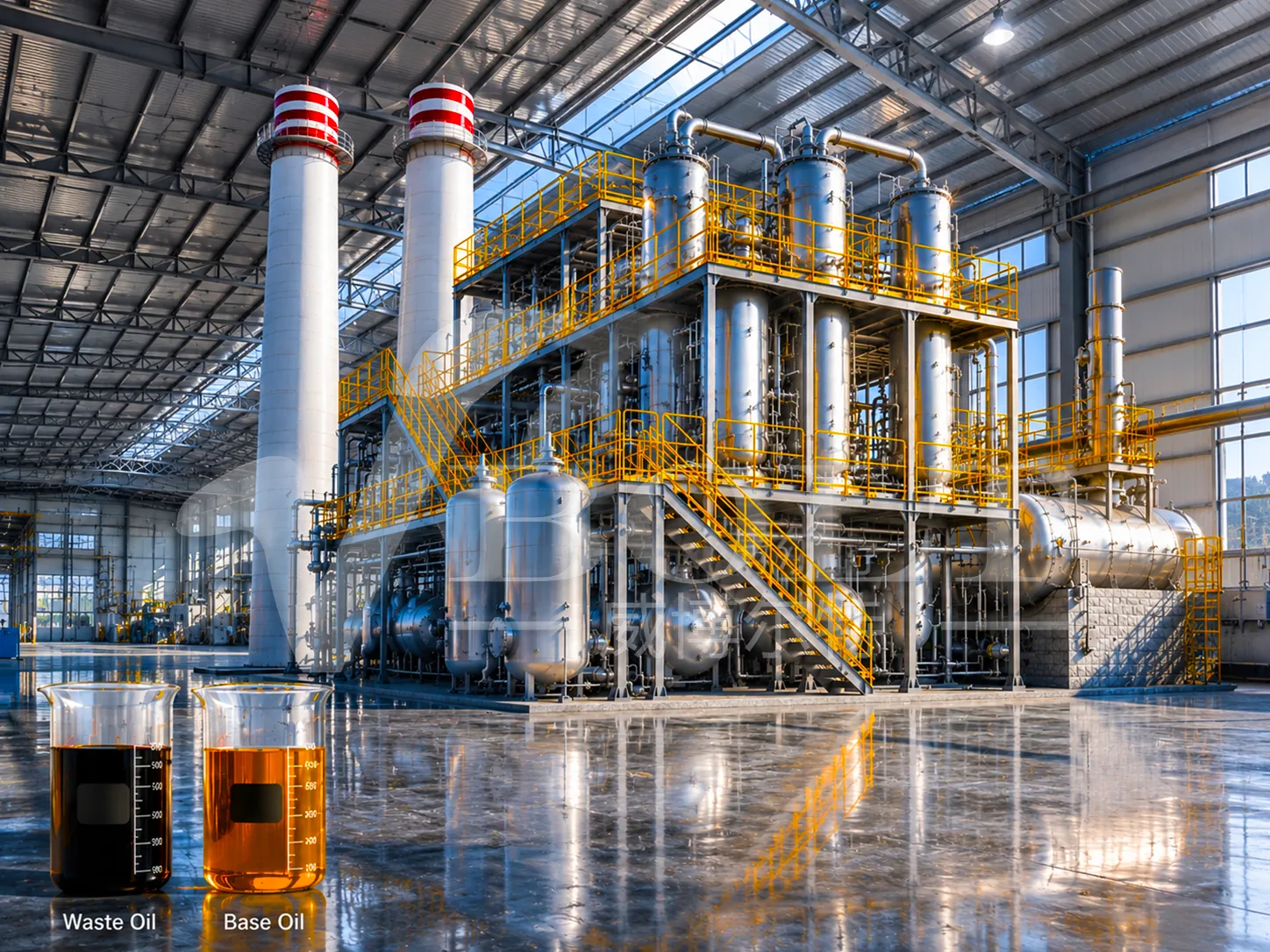





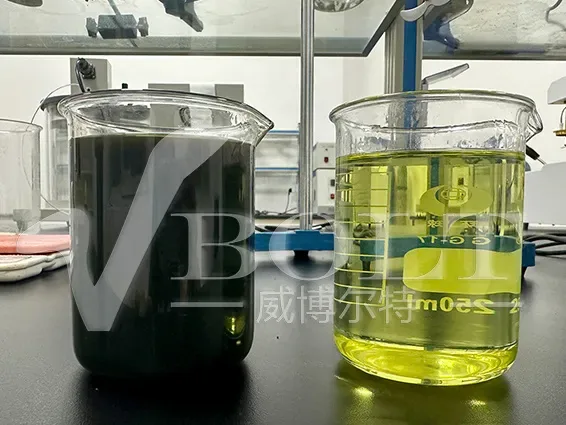
Convierta aceite usado apto en fracciones de combustible controladas
La serie VBOLT-DD procesa aceite usado apto mediante análisis de la materia prima, pretratamiento, destilación al vacío, fraccionamiento y tratamiento final configurable.
La clasificación final y el uso autorizado dependen de los ensayos de liberación del lote y de los requisitos locales.
✔ Balance de materiales preliminar
Revisión de los servicios y del emplazamiento
Echa un vistazo a la disposición de los equipos y a las fases del proceso en el vídeo.
Solicite una configuración y oferta adaptadas a la materia primaPlanta de destilación de aceite usado para combustible de rango diésel
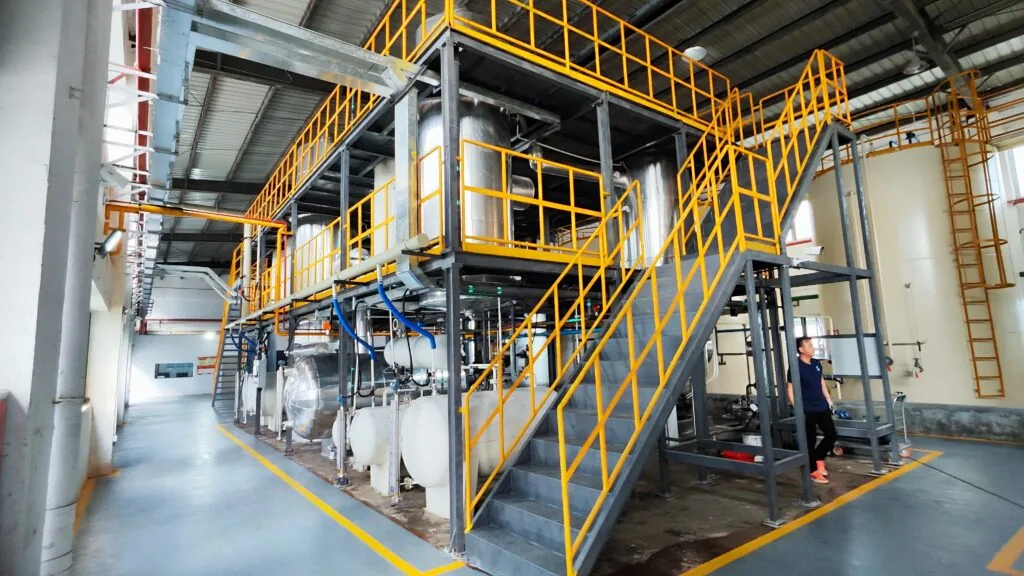
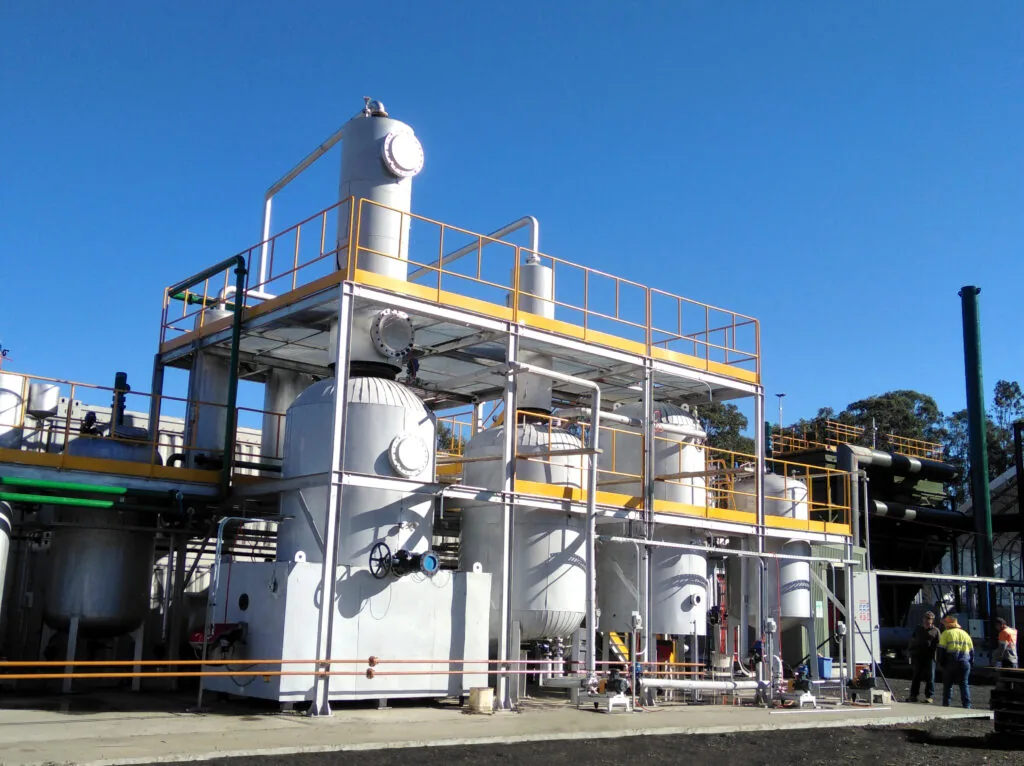
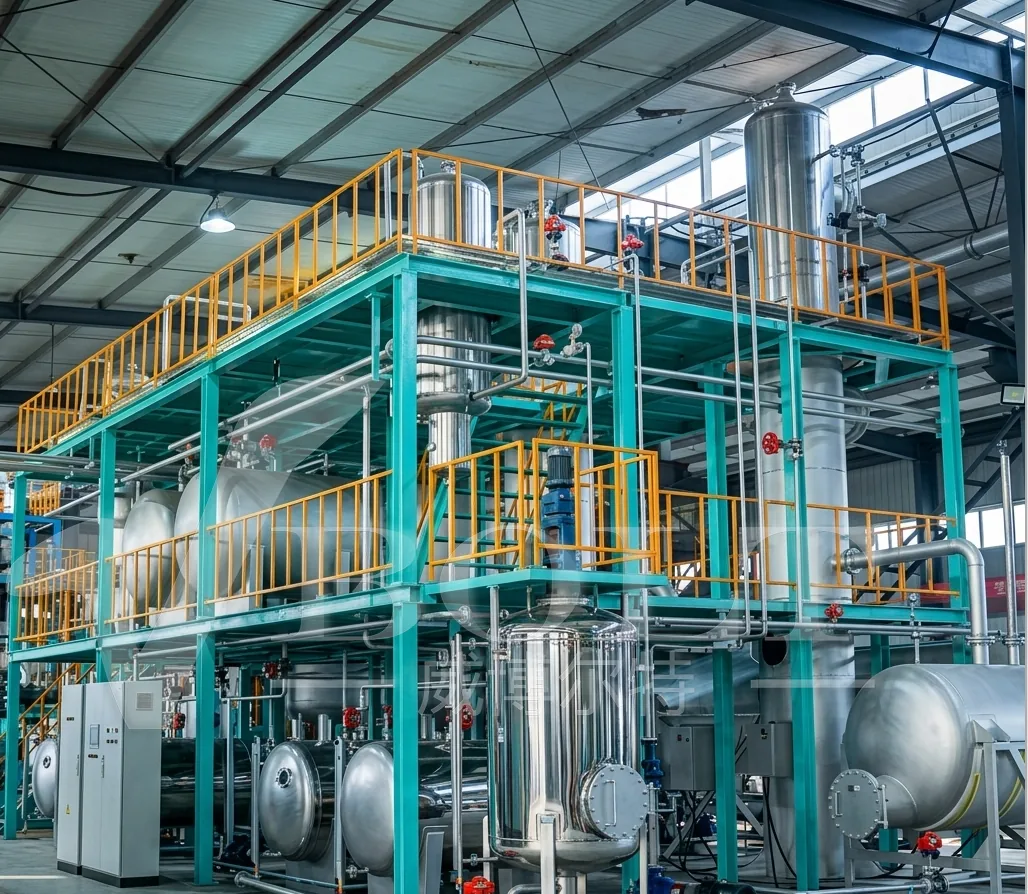
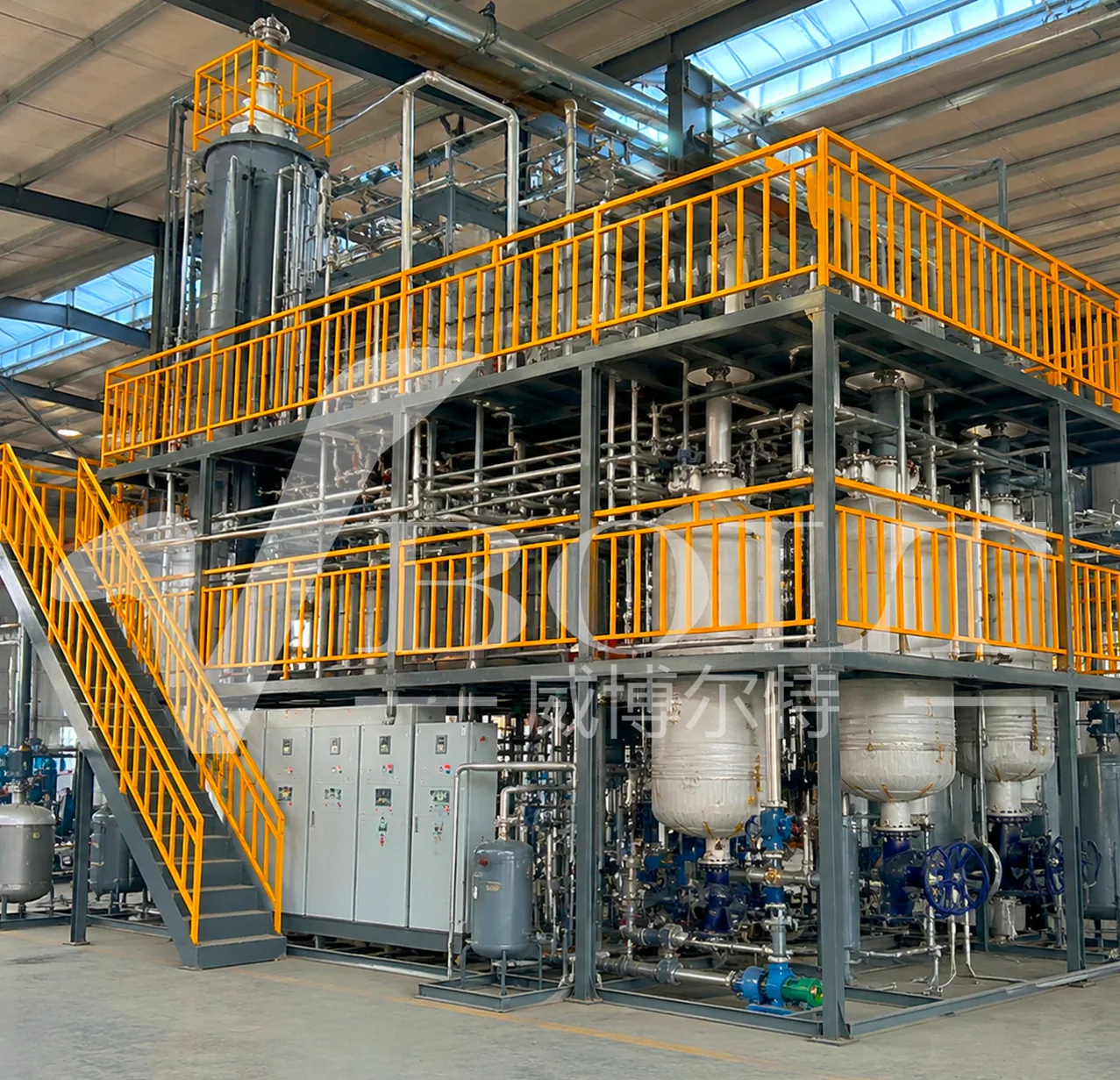
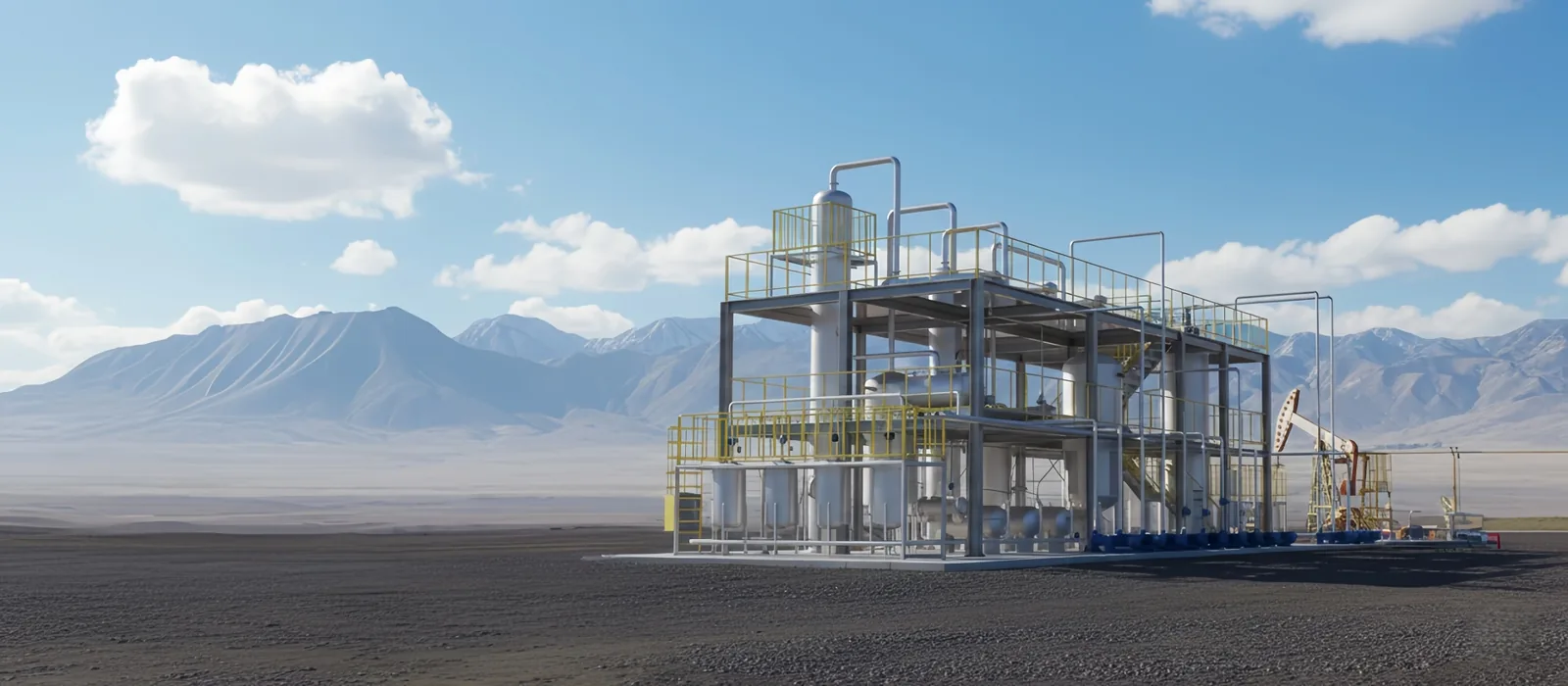
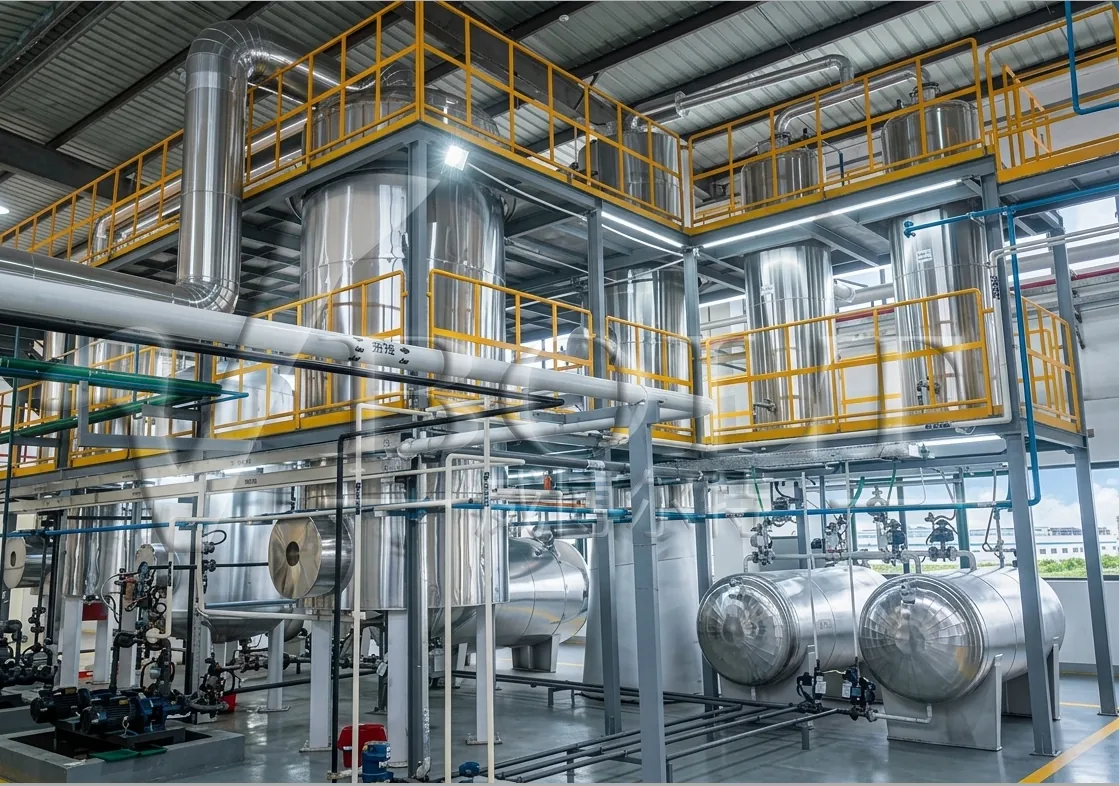
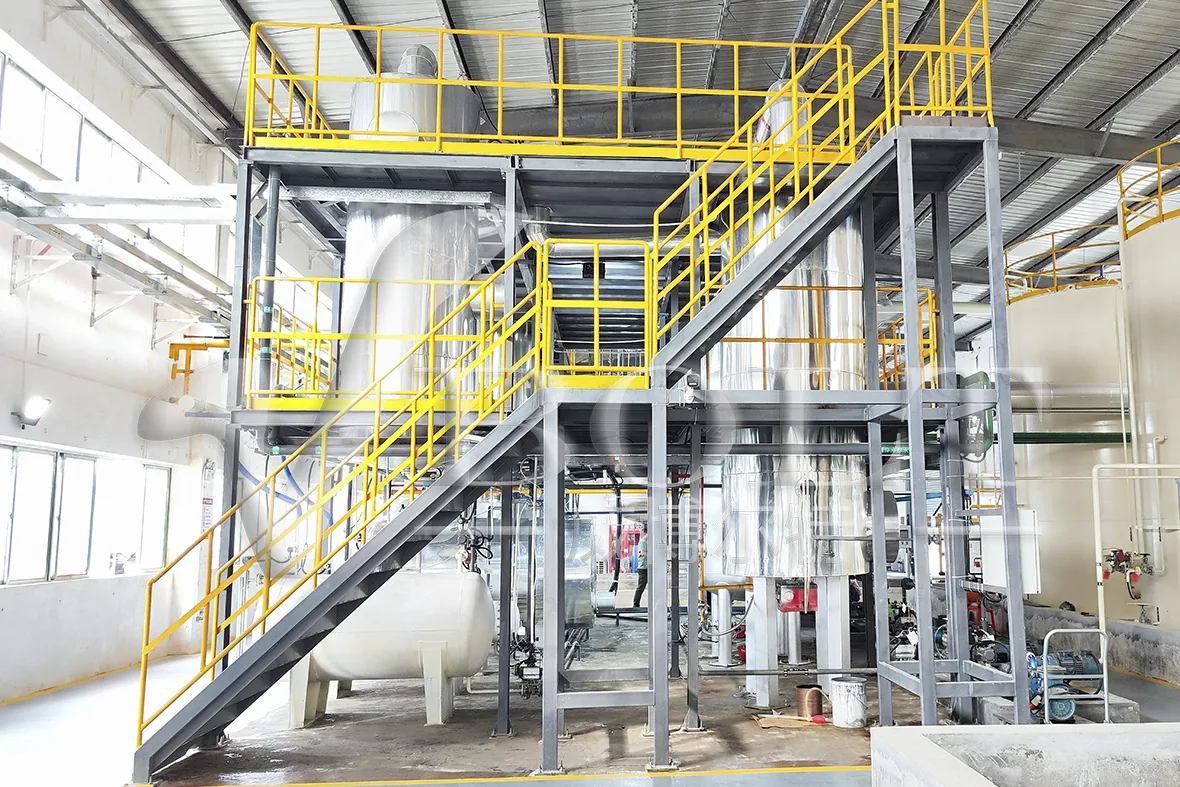
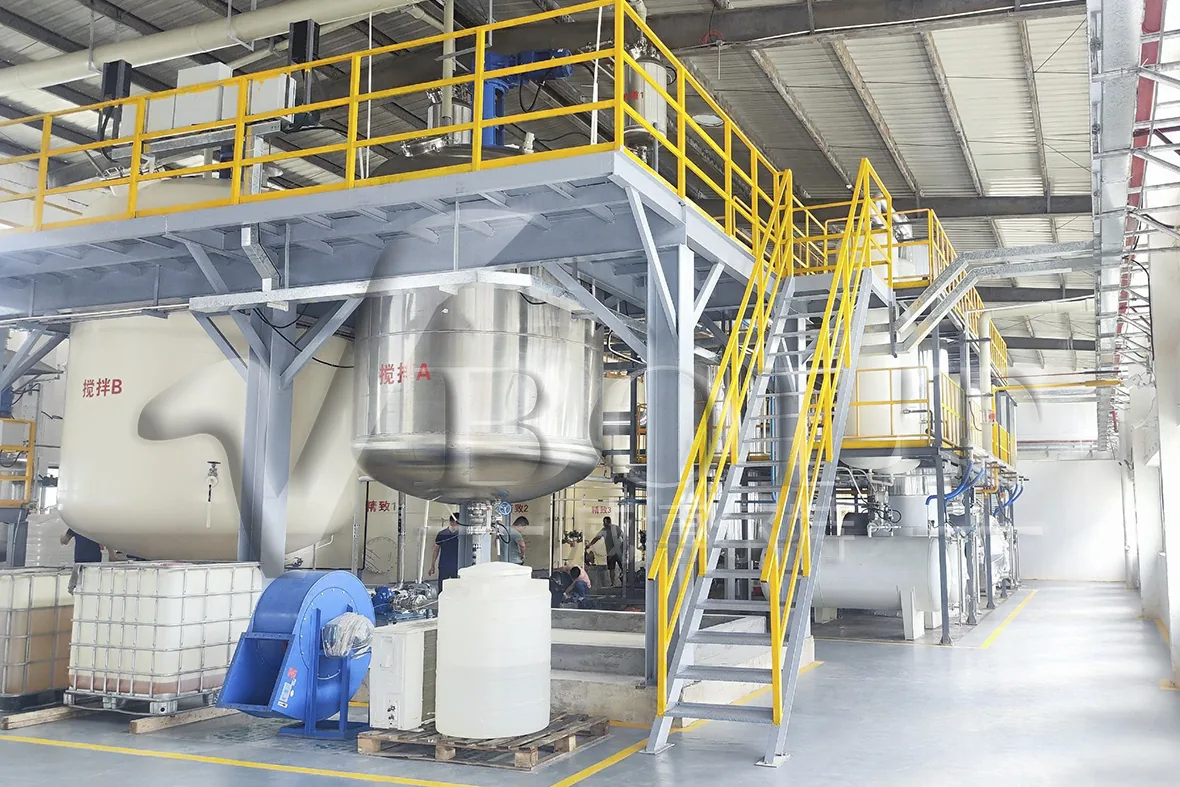
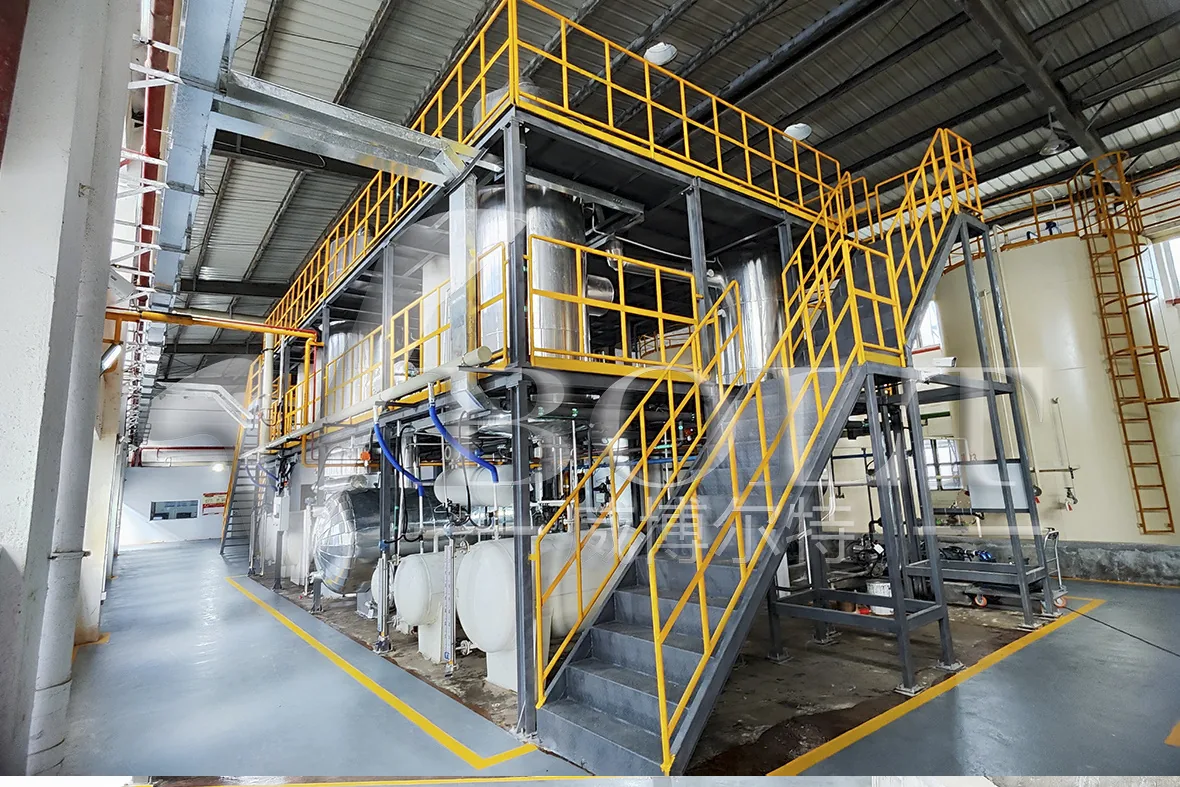
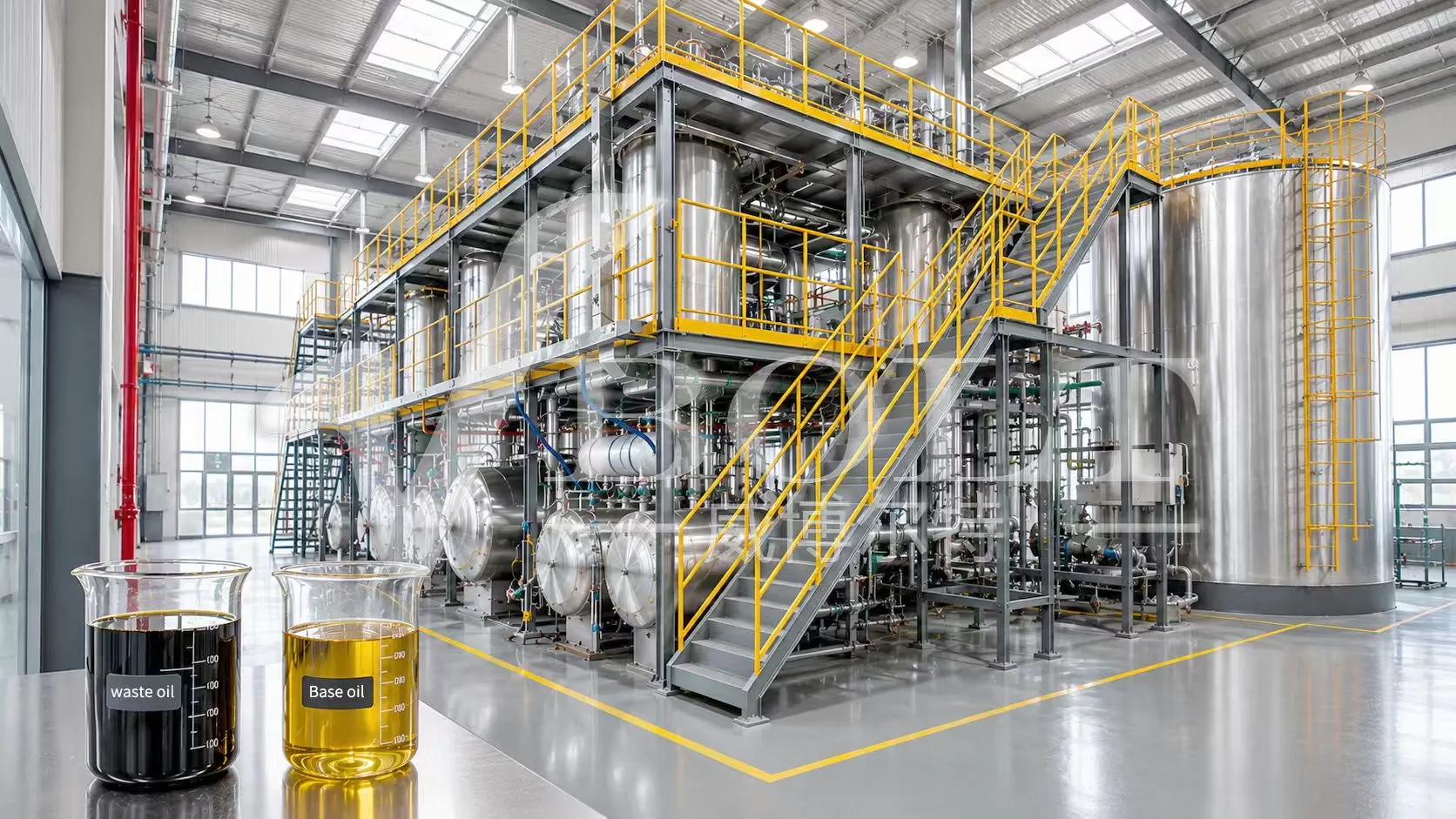
La serie VBOLT-DD es una planta industrial modular que separa aceites usados aptos en fracciones de combustible con intervalos de ebullición controlados. El diseño integra pretratamiento de la materia prima, destilación al vacío en película fina, fraccionamiento y una ruta de tratamiento final definida a partir de sus ensayos.
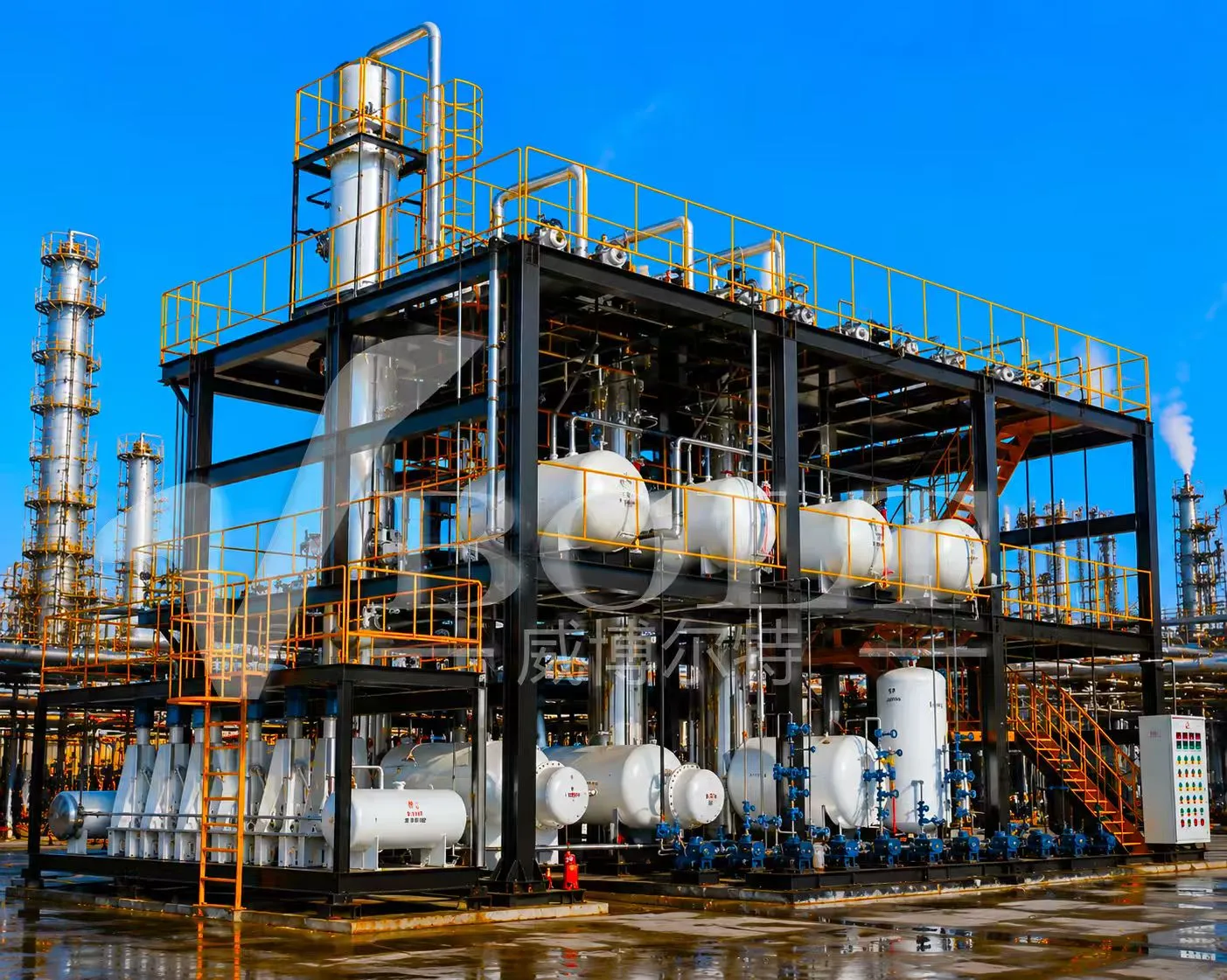 Principales ventajas de la planta
- Configuración basada en ensayos representativos de la materia prima
- Pretratamiento integrado, separación al vacío y fraccionamiento
- Capacidad dimensionada según el suministro verificado de materia prima y el programa operativo
- Tratamiento final opcional seleccionado según la especificación requerida
Principales ventajas del producto
Esta página explica los módulos del proceso, la calificación de la materia prima, el dimensionamiento preliminar y las etapas de control de calidad para configurar un proyecto de destilación al vacío de aceite usado y fraccionamiento de combustible.
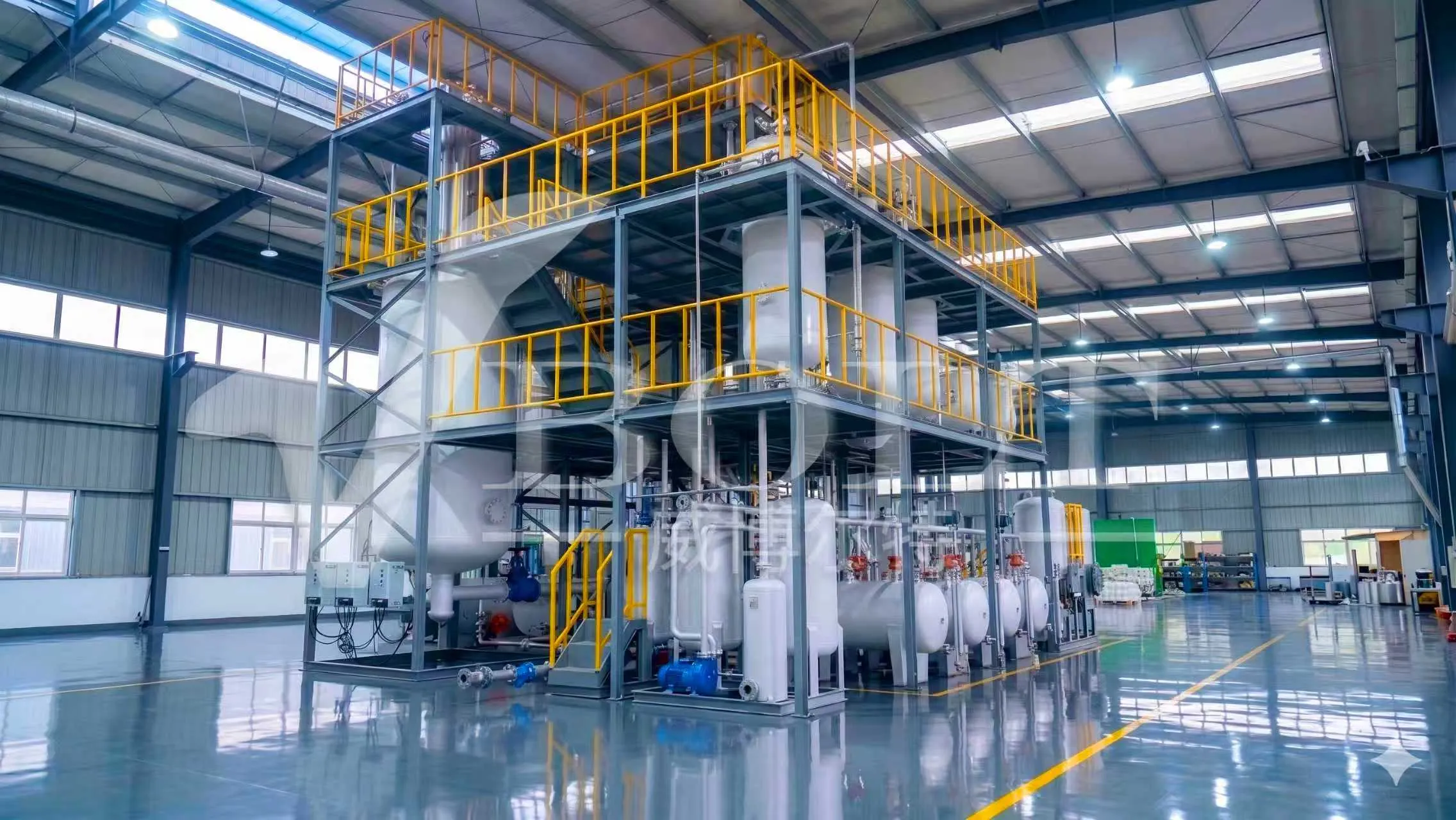
Tecnología principal de destilación
La separación por película fina al vacío reduce el tiempo de residencia y permite la recuperación controlada de fracciones seleccionadas dentro del intervalo de ebullición. El rendimiento final se establece a partir de las bases de diseño aprobadas.
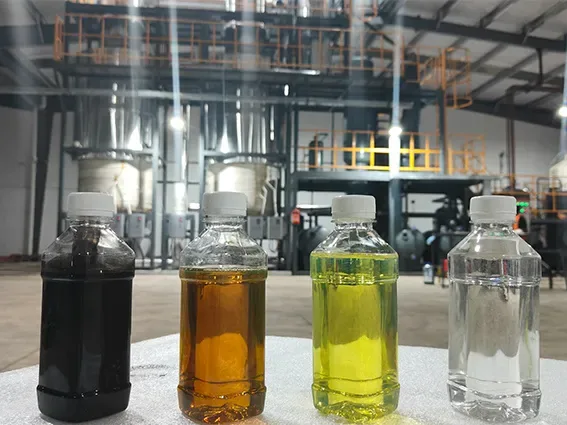
Fracciones de combustible controladas
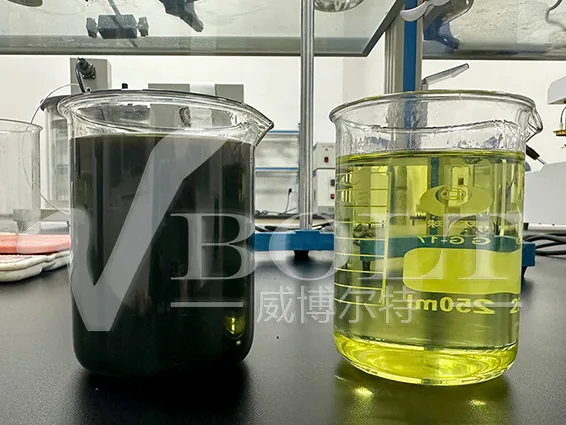
Una ruta de tratamiento final adaptada a la materia prima puede buscar claridad, estabilidad, reducción de contaminantes y otras propiedades acordadas. Cada lote sigue requiriendo ensayos de liberación en laboratorio.
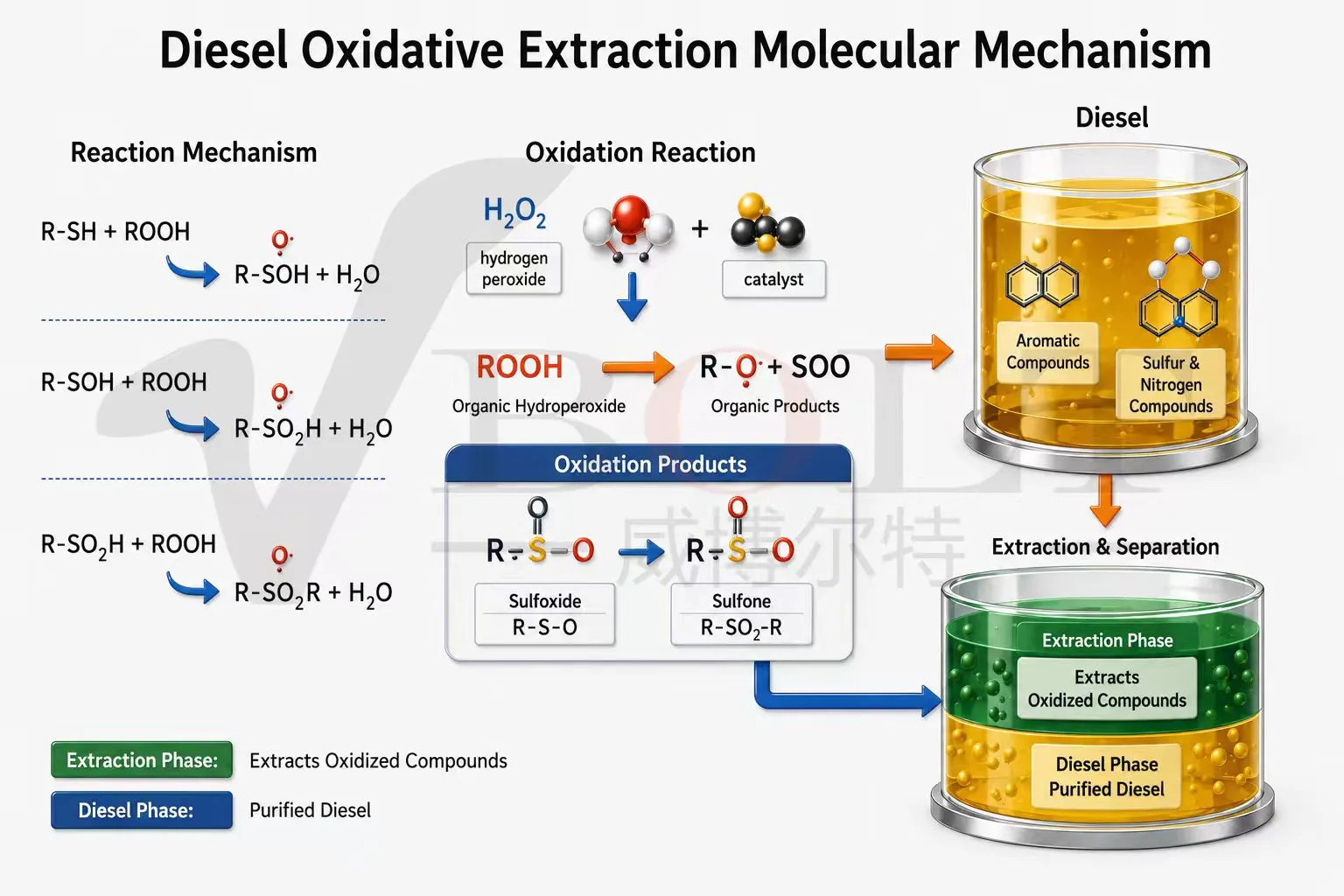
Desulfuración oxidativa (ODS) opcional
El ODS puede evaluarse cuando sea necesaria la reducción del azufre. Su aplicabilidad, el consumo de productos químicos y los resultados que se pueden obtener deben confirmarse mediante ensayos representativos con la materia prima y el producto.
Módulos tecnológicos principales del proceso
Desde la recepción de la materia prima hasta la liberación del producto, la ruta modular organiza el pretratamiento, la destilación al vacío, el fraccionamiento, el tratamiento final configurable y la verificación de laboratorio en etapas de control definidas.
Tratamiento previo
Eliminación de agua, lodos y contaminantes en suspensión.
Destilación en capa fina
Evaporación rápida en condiciones controladas.
Fraccionamiento
Separación de las fracciones de combustible en los intervalos de ebullición objetivo.
Refinado
Acondicionamiento de las fracciones seleccionadas para cumplir los objetivos de calidad acordados.
Desulfuración
Evaluación de la reducción del contenido de azufre según los datos de la materia prima y la especificación requerida.
Descripción detallada del proceso
Una presentación más detallada de los principales módulos del proceso, que se adapta a las necesidades de información técnica sobre el producto de los compradores industriales.
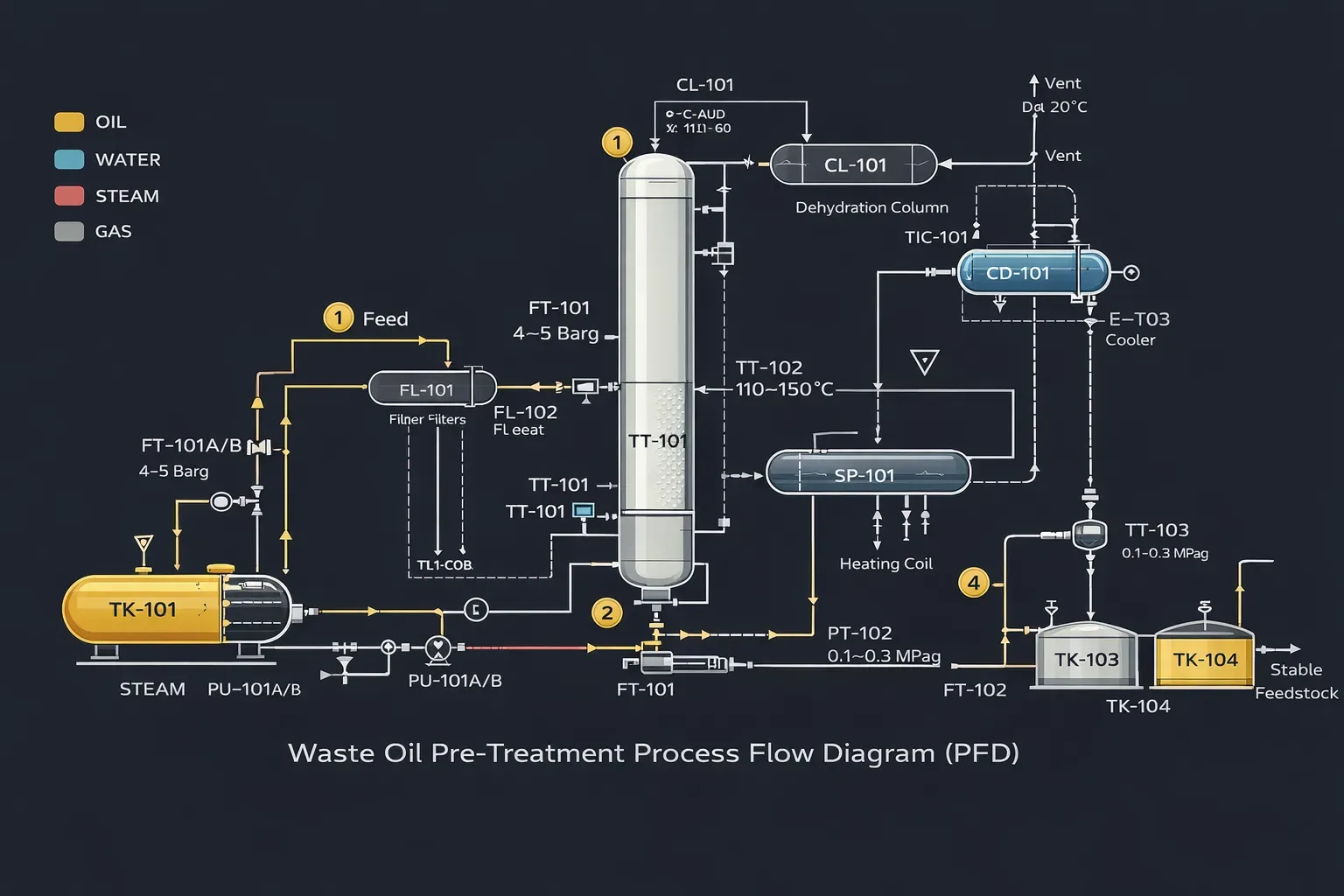
El primer paso fundamental en el procesamiento de aceite usado para combustible de rango diésel
El sistema de pretratamiento es la primera etapa clave del proceso de recuperación de fracciones de combustible de rango diésel a partir de aceite usado. Su función consiste en eliminar el agua, las impurezas y los componentes inestables de la materia prima, lo que proporciona condiciones más estables y controlables para las fases posteriores de destilación y tratamiento final.
- Eliminación de impurezas: elimina las partículas sólidas y los contaminantes metálicos.
- Deshidratación: reduce el contenido de agua hasta un rango de funcionamiento más seguro.
- Estabilización de la materia prima: reduce la variación de las propiedades de la materia prima.
- Protección del equipo: ayuda a reducir los riesgos de formación de coque, obstrucciones y corrosión.
Una de las principales tecnologías de separación
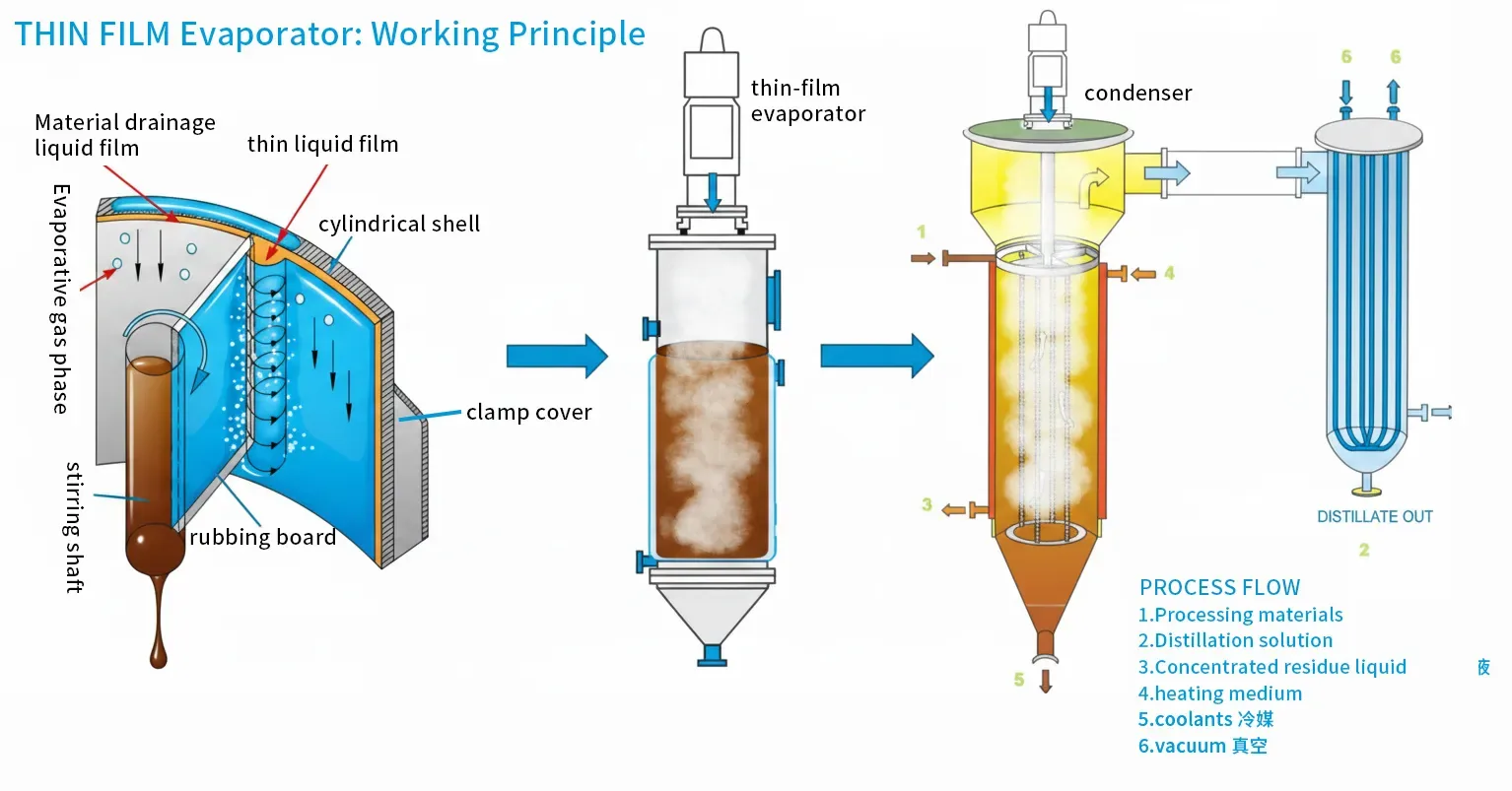
La destilación en película fina es una de las principales tecnologías de separación de la planta. En condiciones controladas de vacío y temperatura, la materia prima forma una fina película líquida, lo que permite una evaporación rápida y una separación eficaz de los componentes con un tiempo de residencia más corto.
- Alta eficiencia de transferencia de calor: mejora el rendimiento del intercambio térmico.
- Temperatura de ebullición más baja al vacío: ayuda a reducir el estrés térmico en las fracciones separadas.
- Tiempo de residencia corto: ayuda a reducir el craqueo y la oxidación.
- Procesamiento continuo: contribuye a una producción industrial estable.
- Diseño para reducir la formación de coque: reduce el riesgo de acumulación de carbono.
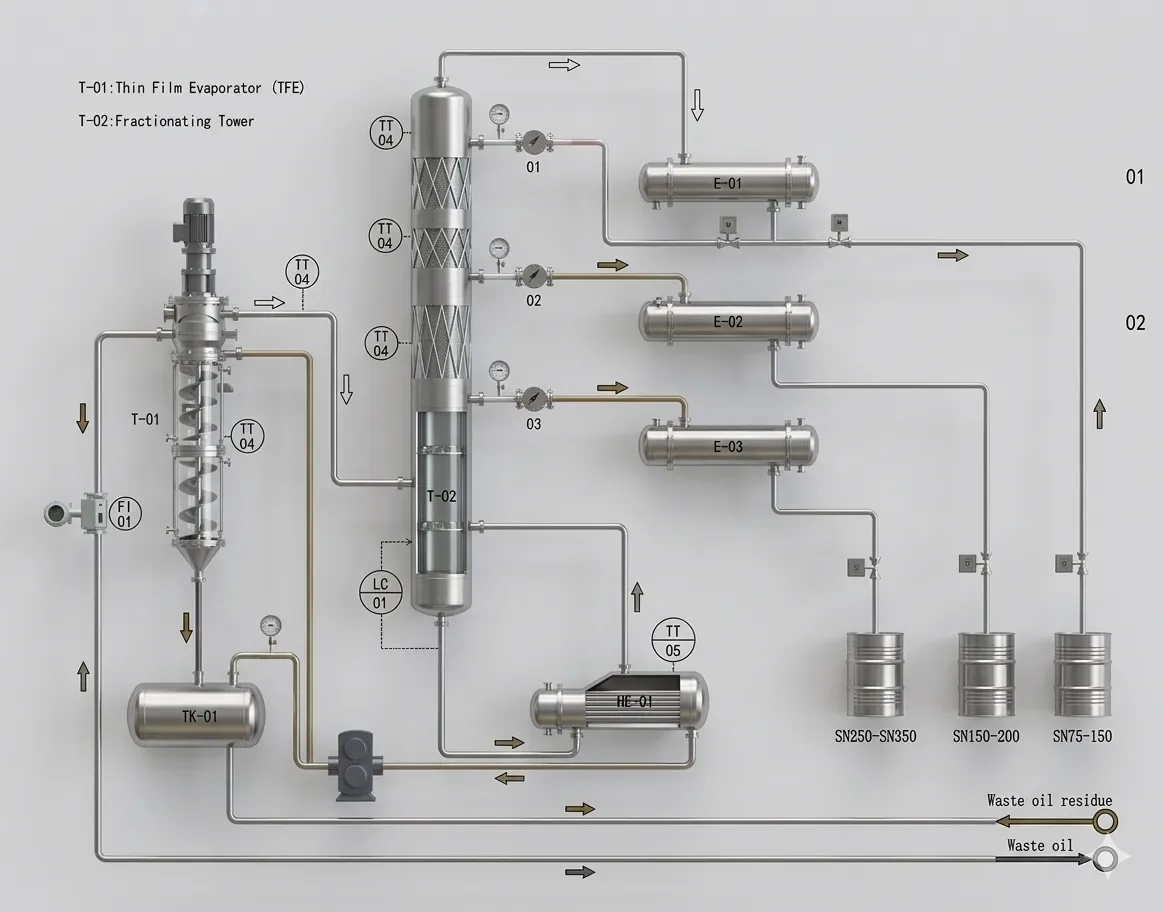
Separación precisa de fracciones con distintos puntos de ebullición
El sistema de fraccionamiento es una unidad de separación clave en el proceso de recuperación de fracciones de combustible de rango diésel a partir de aceite usado. Al separar los componentes según el intervalo de ebullición, permite recuperar de forma controlada las fracciones ligeras, la fracción de combustible objetivo y las fracciones más pesadas, manteniendo la uniformidad del producto.
- Intervalos de ebullición definidos: controla los puntos de corte de la ruta de producto seleccionada.
- Recuperación de varios productos: mejora la utilización de los recursos.
- Reducción de la carga en la fase posterior: alivia la carga en las fases posteriores del proceso de refinado.
- Producción estable: garantiza una coherencia constante en los resultados.
Tratamiento final configurable para los objetivos de calidad
El sistema de refinado es la etapa de tratamiento profundo de la planta. El tratamiento final seleccionado actúa sobre las impurezas residuales y los componentes inestables tras la destilación. La ruta se define a partir de los ensayos y la especificación acordada.
- Mayor calidad del producto: reduce el contenido de impurezas.
- Propiedades especificadas: se orienta a los parámetros de laboratorio acordados.
- Control de estabilidad: tiene en cuenta los requisitos de oxidación y almacenamiento cuando así se especifique.
- Decisión de liberación del lote vincula los resultados de los ensayos con el uso autorizado y la especificación de mercado.
Desulfuración basada en ensayos para objetivos definidos de azufre
La extracción oxidativa combina una etapa de oxidación controlada con extracción mediante disolvente. Es una ruta opcional que debe validarse con material representativo antes de definir equipos y reactivos.
- Evaluación específica de la materia prima: comprueba las especies de azufre, el consumo de reactivos y la reducción posible.
- Intervalo de funcionamiento controlado: La temperatura y el tiempo de permanencia se determinan a partir de las pruebas del proceso.
- Diseño integrado del proceso: La oxidación y la extracción actúan conjuntamente.
- Gestión de disolventes: se diseñan la recuperación y la reutilización cuando la ruta seleccionada lo permite.
Datos ilustrativos del proceso; no constituyen especificaciones garantizadas del producto
Los gráficos muestran cómo pueden presentarse los datos de ingeniería. No son una oferta, un rendimiento garantizado ni un certificado; los valores del proyecto proceden de ensayos de la materia prima, cálculos de diseño y ensayos de liberación.
Guía de selección de la configuración
Elija la planta de destilación de aceite usado para combustible de rango diésel en función del suministro verificado de materia prima, el programa operativo previsto, los servicios auxiliares de la planta, las especificaciones del producto, los permisos y la estrategia de mantenimiento.
| Tipo de modelo | Rango preliminar de alimentación de materia prima | Contexto típico de un proyecto | Alcance de ingeniería | Criterios de selección |
|---|---|---|---|---|
| Unidad piloto | 5–10 L por lote | Pruebas de laboratorio, ensayos con materias primas y validación técnica | Programa de pruebas | Caracteriza una muestra representativa de la materia prima antes de ampliar la escala |
| Planta compacta | 0,5 - 10 T / Día | Pequeños flujos verificados de materia prima y desarrollo por etapas | Específico del proyecto | Confirmar la continuidad de la materia prima, los servicios, la gestión de residuos y la ruta del producto |
| Planta estándar | 10 - 50 T / Día | Proyectos comerciales con suministro documentado de materia prima y una ruta definida de salida del producto | Específico del proyecto | Dimensionado tras ensayos de la materia prima, balance de materia y revisión de los servicios del emplazamiento |
| Planta a gran escala | 50 - 200 T / Día | Grandes proyectos industriales con logística, servicios públicos y permisos contrastados | Específico del proyecto | Requiere una ingeniería detallada, una puesta en marcha por fases y controles de funcionamiento |
Unidad piloto
PruebasPlanta compacta
Etapa inicialPlanta estándar
Revisión técnicaPlanta a gran escala
IndustrialSuministro verificado de materia prima
Utilice volúmenes de recogida documentados, variación estacional y capacidad de almacenamiento para definir un caudal de diseño realista.
Programa operativo y servicios auxiliares
Confirme las horas de funcionamiento previstas, la potencia, el combustible, el agua de refrigeración, la mano de obra, los intervalos de mantenimiento y los planes de contingencia antes de determinar el tamaño de la planta.
Ruta del producto y cumplimiento normativo
Defina la especificación objetivo, el uso autorizado, el plan de ensayos de liberación, los controles de emisiones y la ruta de los residuos antes de seleccionar el equipo.
Parámetros de calidad del producto que deben verificarse
La calidad del producto no viene determinada por el nombre del equipo. Acuerde primero las especificaciones objetivo y, a continuación, verifique cada parámetro requerido mediante ensayos representativos y la liberación documentada del producto.
| Parámetro | Verificación específica del proyecto | Finalidad del control |
|---|---|---|
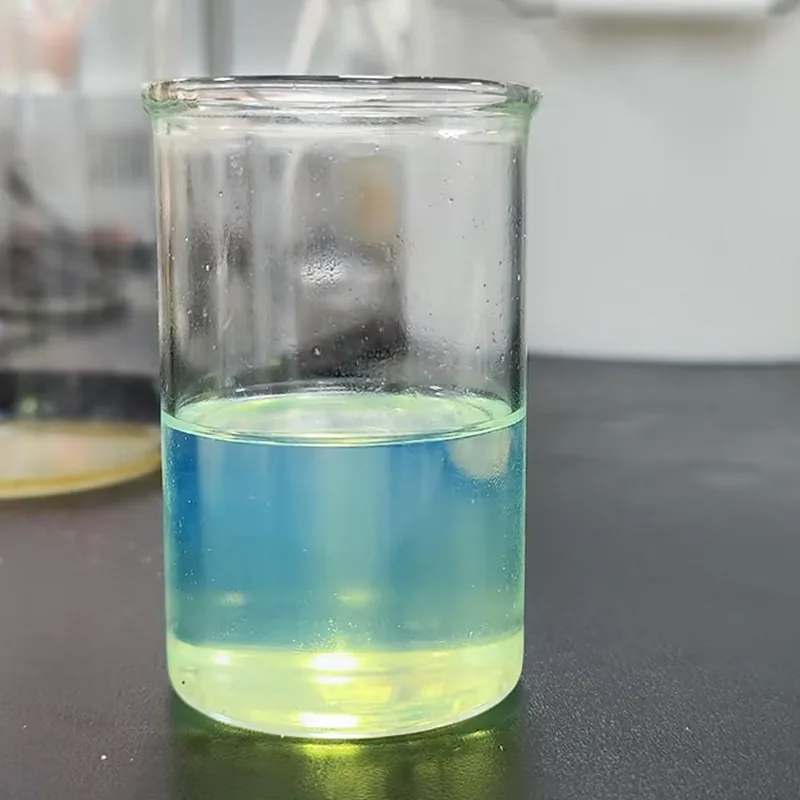
| Apariencia | Registrado durante los ensayos de liberación del lote | Sirve para comprobar la uniformidad visual; el aspecto por sí solo no define la clase |
| Densidad (a 20 °C) | Se mide para cada lote de producto | Se compara con la especificación de producto acordada |
| Viscosidad cinemática | Se mide mediante el método de laboratorio especificado | Confirma su idoneidad únicamente cuando se utiliza para la aplicación prevista |
| Punto de inflamación | Se establece según el grado requerido y la normativa local. | Orienta las decisiones de almacenamiento y manipulación tras la verificación de laboratorio |
| Contenido de agua | Se controla y mide en cada lote de producto | Comprueba la eficacia de la deshidratación y del tratamiento final |
| Impurezas mecánicas | Medido según el método de ensayo acordado | Comprueba la eliminación de sólidos y la limpieza del producto |
| Poder calorífico | Determinado mediante el análisis del producto | Se utiliza junto con otros resultados de ensayo para evaluar la aplicación autorizada |
| Reducción del azufre | Se mide después de la ruta de tratamiento final seleccionada | Se compara con la especificación del producto y los límites locales |
Apariencia
Densidad (a 20 °C)
Viscosidad cinemática
Punto de inflamación
Contenido de agua
Impurezas mecánicas
Poder calorífico
Reducción del azufre
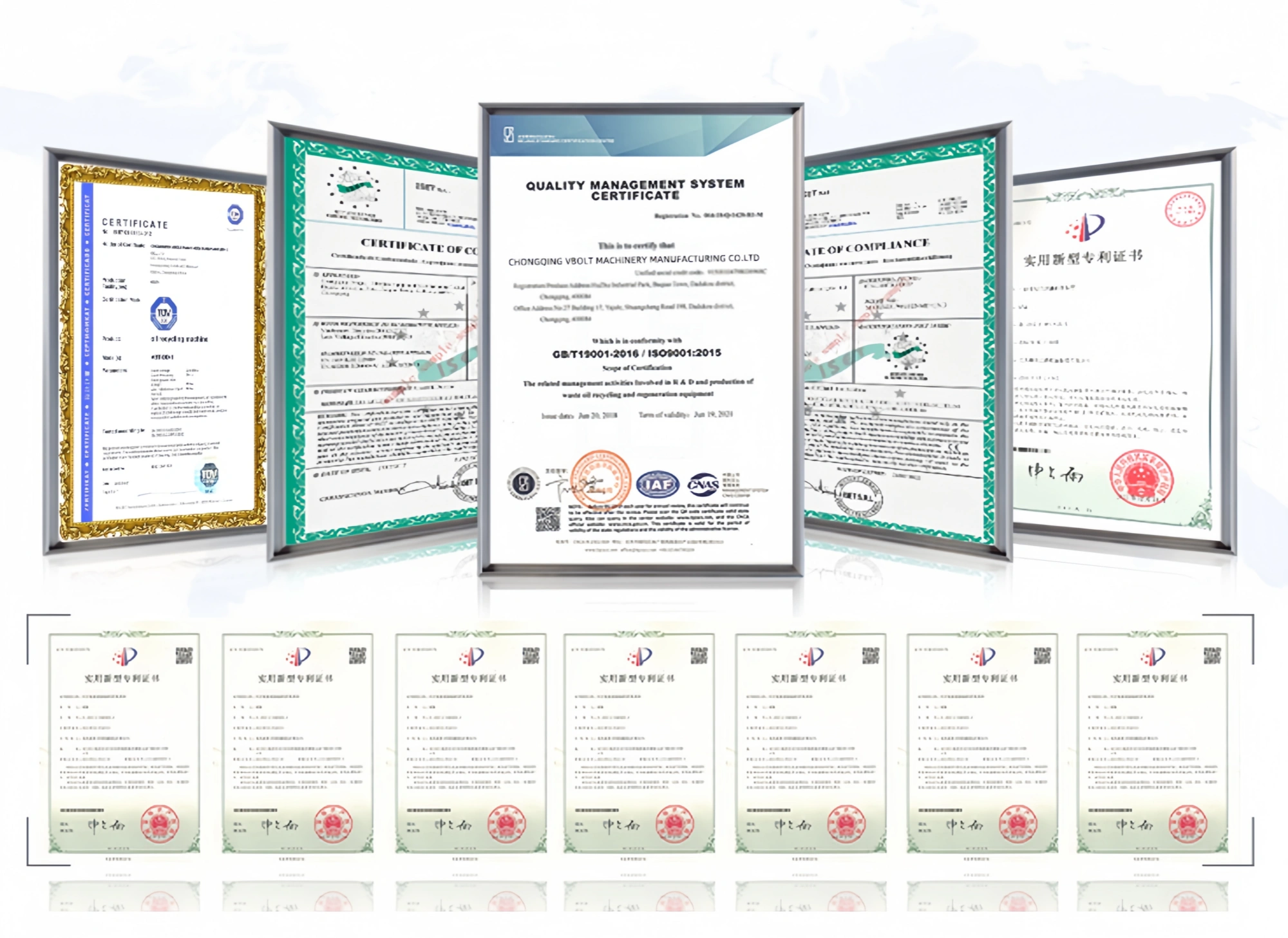
Verificación por laboratorio independiente
Los ensayos representativos de la materia prima sustentan el diseño del proceso, y cada lote debe liberarse conforme a la especificación acordada antes de su venta o uso. Un informe de muestra no garantiza la producción futura.
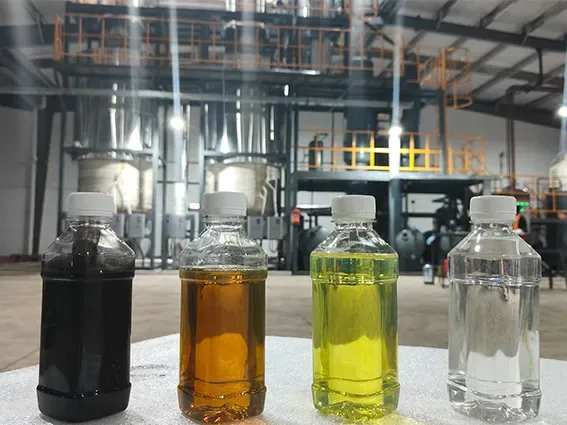
Ensayos independientes de liberación del producto
Los laboratorios acreditados pueden medir la viscosidad, la densidad, el contenido de agua, las impurezas mecánicas, el punto de inflamación, el azufre y cualquier otra propiedad exigida por las especificaciones del producto en cuestión.
- Viscosidad medida según el método especificado
- Se han medido el agua y las impurezas mecánicas
- Punto de inflamación medido con fines de manipulación y control del producto
- Se comprueban el contenido de azufre y otras propiedades requeridas antes de la liberación del producto.
Aplicaciones y materias primas
La planta está destinada a proyectos industriales y de reciclaje autorizados. Cada materia prima propuesta requiere un muestreo representativo, un análisis de contaminantes y la confirmación de que es adecuada para la vía de tratamiento seleccionada.
Fabricación industrial
Sectores de la ingeniería mecánica, la minería, la metalurgia, las centrales eléctricas y la industria química .
Empresas de reciclaje
Empresas autorizadas para la recogida y el tratamiento de aceites usados.
Talleres de reparación de automóviles
Flujos de aceite usado procedentes de talleres de reparación, mantenimiento de flotas y estaciones de servicio .
Proyectos medioambientales
Empresas medioambientales y proyectos de recursos en parques industriales.
Aceites lubricantes
Aceite de motor usado, aceite de motor y aceite lubricante usado.
Aceites industriales
Aceite hidráulico, aceite para engranajes y aceite mineral.
Aceites especiales
Los flujos seleccionados de aceites de transformadores, marinos y de otros tipos solo se aceptan tras ensayos de la materia prima.
Mezcla de aceites usados
Aceites usados mixtos y corrientes seleccionadas derivadas de la pirólisis, únicamente tras las pruebas de compatibilidad, de contaminantes y de proceso.
Ejemplos de configuraciones de referencia
Estos ejemplos muestran la información necesaria para definir el alcance del proyecto. No garantizan el rendimiento, la capacidad, la rentabilidad ni la conformidad del producto.
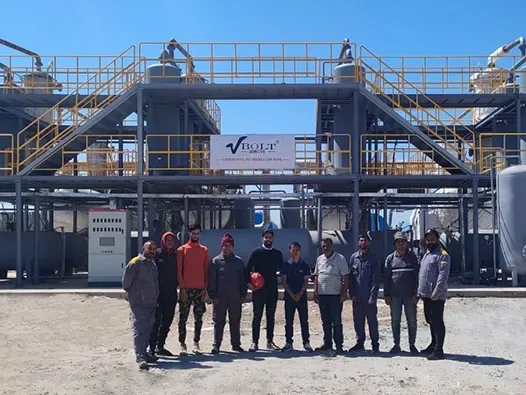
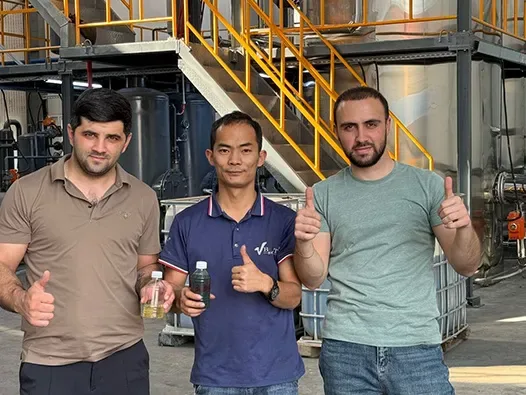
Referencia A — Aceite de motor usado
Modelo de ejemplo: VBOLT-DD-15
La configuración final depende de la composición de la materia prima, las horas de funcionamiento previstas, los objetivos de producción, los servicios públicos y la gestión de residuos.
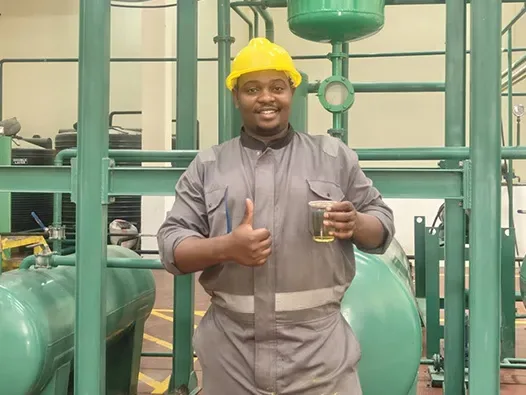
Referencia B — Aceites usados mezclados
Modelo de ejemplo: VBOLT-DD-20
Las fracciones del producto requieren ensayos de laboratorio y una decisión documentada de liberación para la aplicación local prevista.
Referencia C — Estudio de gran capacidad
Modelo de ejemplo: VBOLT-DD-100
Un diseño de gran capacidad requiere una logística contrastada, cargas de servicios públicos, controles medioambientales, acceso para el mantenimiento y una puesta en marcha por fases.
Preguntas frecuentes
Preguntas frecuentes de clientes que valoran la adquisición de esta planta de destilación de aceite usado para combustible de rango diésel.
Esta página describe la plataforma del equipo y los datos de ingeniería utilizados para configurarla. La propuesta del proyecto solo se prepara tras revisar la materia prima, el emplazamiento, la capacidad y los requisitos del producto.
Las materias primas potenciales incluyen determinados aceites usados de motor, lubricantes, hidráulicos, de engranajes y minerales. La idoneidad debe confirmarse mediante muestreo y análisis de contaminantes; las corrientes reguladas o incompatibles requieren una gestión separada y pueden rechazarse.
El proceso separa fracciones de combustible con intervalos de ebullición controlados, además de corrientes ligeras y pesadas. La clasificación y el uso autorizado dependen de la composición de la materia prima, del tratamiento final, de los resultados de laboratorio y de la normativa local.
Puede diseñarse una operación continua cuando lo permitan el suministro de materia prima, los servicios, el personal, el mantenimiento y los controles de seguridad. Las horas aprobadas se definen en la base operativa del proyecto.
Sí. Antes de cada liberación, un laboratorio cualificado debe analizar muestras representativas conforme a todos los parámetros exigidos por la especificación seleccionada.
¿Necesita una planta de destilación de aceite usado para combustible de rango diésel?
Envíe datos representativos de la materia prima, volumen diario verificado, horas previstas, servicios del emplazamiento, especificación objetivo y mercado de destino. Prepararemos una ruta preliminar del proceso, un balance de materia y la base de implantación.
Solicitar presupuesto