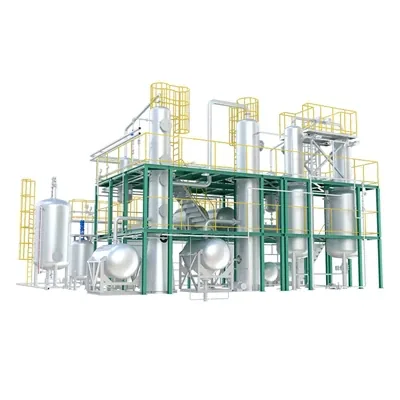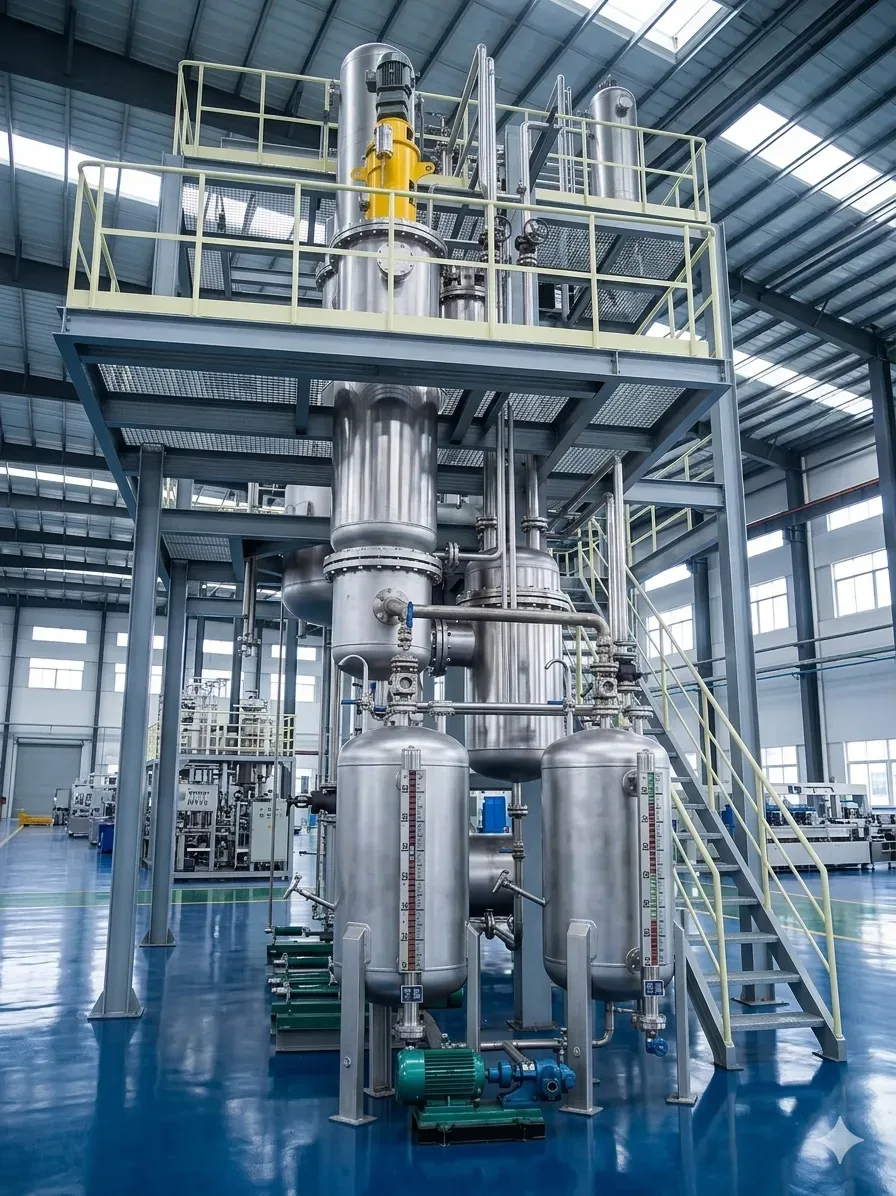





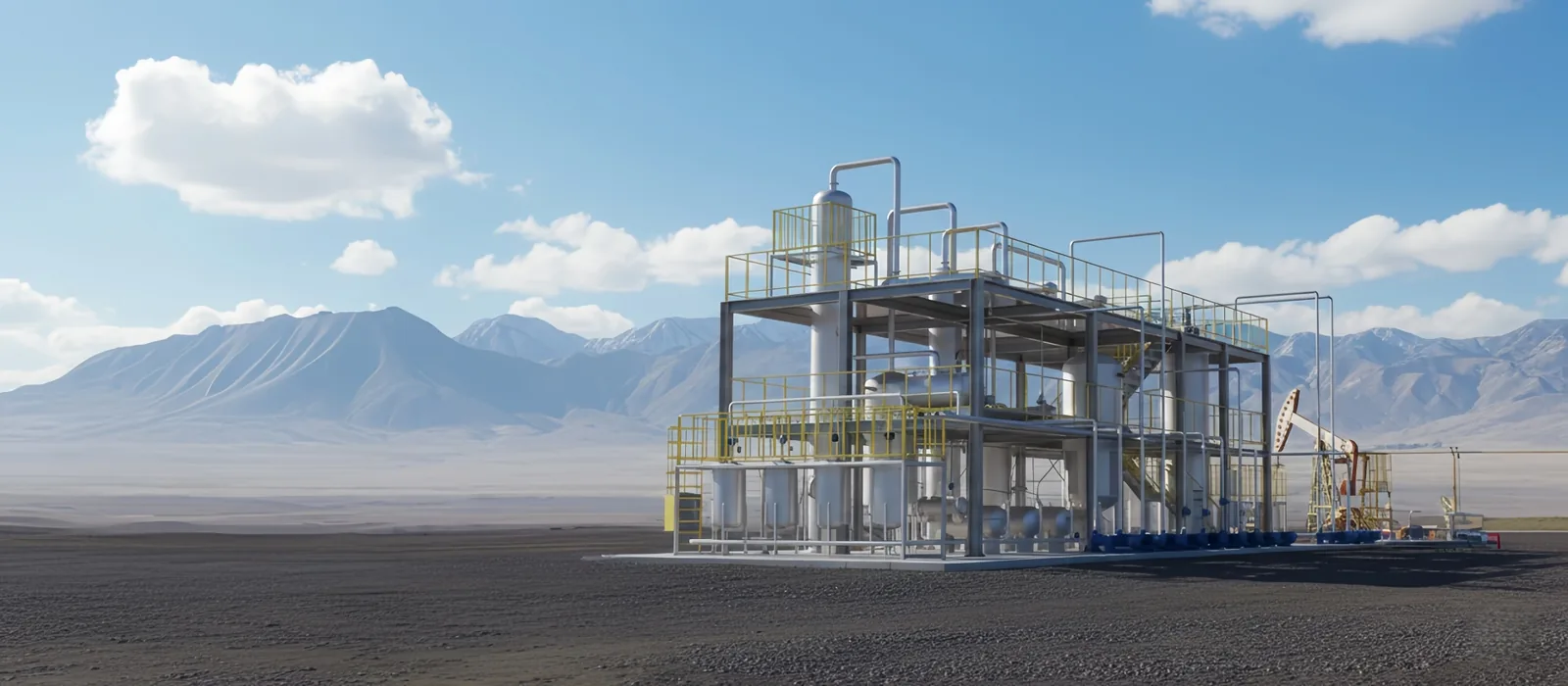
Отработанное моторное масло, отработанное смазочное масло и отработанное промышленное масло часто рассматриваются как проблема утилизации. Во многих мастерских, компаниях по переработке отходов, на электростанциях, горнодобывающих предприятиях и у операторов тяжелой техники эти масла собираются, хранятся и транспортируются как отходы, что приводит к постоянным затратам на обработку и негативным последствиям для окружающей среды.
Установка для переработки отработанного масла в дизельное топливо предлагает более практичный подход: она преобразует отработанное масло в пригодное для повторного использования топливо дизельного диапазона посредством контролируемой дистилляции, фракционного разделения и очистки. Вместо отправки ценных углеводородов на утилизацию предприятие может извлекать полезную энергию из собственного потока отработанного масла.
Компания VBOLT разрабатывает и производит оборудование для непрерывной переработки отработанных масел для клиентов, которым необходимы стабильная работа, гибкие возможности переработки и полное техническое решение от оценки сырья до поддержки при установке. Вы можете ознакомиться с нашей основной категорией продукции здесь: Оборудование для получения дизельного топлива из отработанного масла.
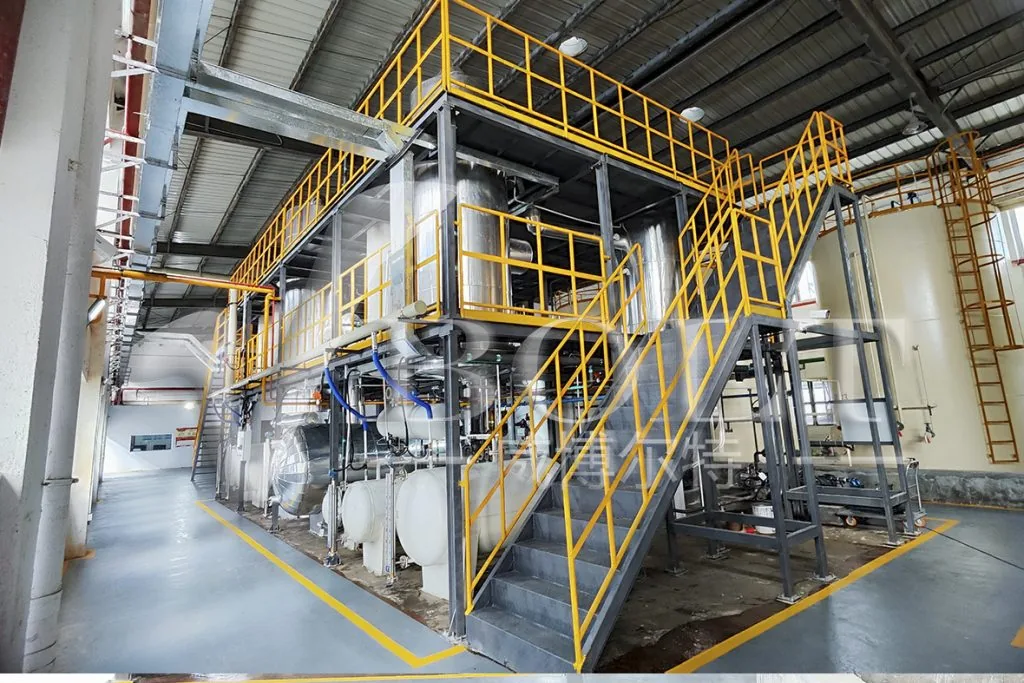
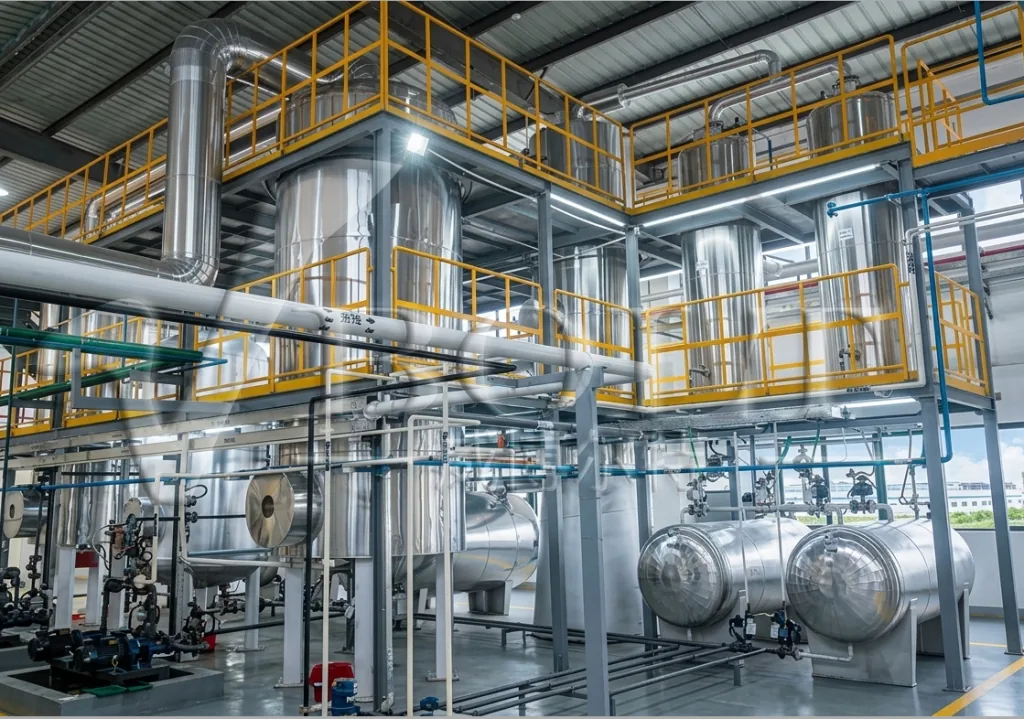
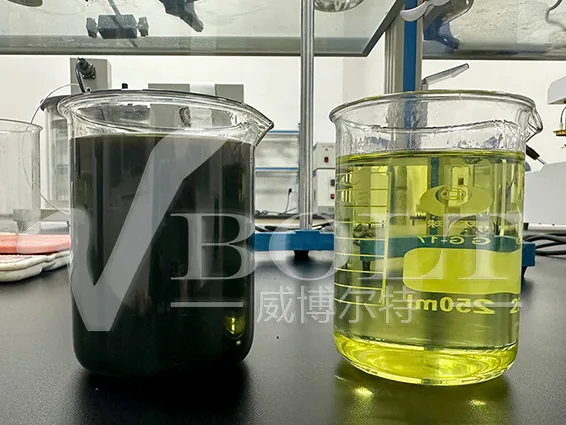
Что такое установка для переработки отработанного масла в дизельное топливо?
Установка по переработке отработанного масла в дизельное топливо - это промышленная система переработки отработанного масла в дизельное топливо. Оборудование обычно включает в себя секции предварительной обработки, обезвоживания, дистилляции, фракционирования, конденсации, рафинации и выгрузки остатков.
Основная задача — отделить пригодные к использованию легкие и средние дистиллятные фракции от тяжелых загрязнений, шлама, воды, углеродистого остатка и других нежелательных компонентов. После очистки и независимых испытаний продукт дизельного диапазона может применяться в разрешенных промышленных установках, например в горелках или системах отопления, либо направляться на дополнительную обработку. Использование в двигателях или дорожном транспорте допускается только при документально подтвержденном соответствии действующим топливным стандартам и местным требованиям.
Непрерывная установка VBOLT для переработки отработанного масла в дизельное топливо предназначена для переработки различных видов сырья, включая отработанное моторное и трансмиссионное масло, гидравлическое масло, а также продукты пиролиза шин или пластика. Конфигурация системы подбирается с учетом качества сырья, требуемых характеристик продукта, параметров местной электросети и проектной производительности.
Подходящее сырье для переработки отработанного масла
Разные клиенты производят разные типы отработанного масла. Компания по переработке отходов может собирать смешанные отработанные смазочные материалы на станциях технического обслуживания автомобилей, в то время как завод может производить в основном гидравлическое масло, трансмиссионное масло или компрессорное масло. Перед выбором машины необходимо тщательно проверить исходное сырье.
Обычное сырье включает в себя:
- Отработанное моторное масло
- Отработанное смазочное масло
- Отработанное гидравлическое масло
- Трансмиссионное масло
- Промышленное отработанное масло
- Некоторые виды пиролизного масла
- Смешанное отработанное минеральное масло после соответствующей предварительной обработки
Для стабильной работы отработанное масло необходимо проверить на содержание воды, механических примесей, шлама, золы, галогенов и других загрязняющих веществ. Во многих проектах правильная предварительная обработка является ключевым фактором для увеличения срока службы оборудования, повышения выхода дизельной фракции и улучшения качества конечного топлива.
Для проектов малого и среднего масштаба установка VBOLT производительностью 5 т/сутки для переработки отработанного масла в дизельное топливо служит практическим ориентиром. Она предназначена для непрерывной переработки отработанного моторного, смазочного, гидравлического и трансмиссионного масла и оснащена встроенными секциями очистки.
Как работает процесс переработки отработанного масла в дизельное топливо
Хотя каждый проект требует индивидуального подхода, типичный процесс переработки отработанного масла в дизельное топливо включает следующие этапы.
1. Предварительная обработка сырья
Отработанное масло сначала отстаивается, фильтруется и обезвоживается. На этом этапе удаляется свободная вода, крупные примеси, осадок и механические частицы. Хорошая предварительная обработка помогает защитить насосы, клапаны, трубопроводы и компоненты дистилляции.
Для сырья с высоким содержанием воды или твердых частиц может потребоваться дополнительная фильтрация, центрифугирование или химическое кондиционирование. Этот этап напрямую влияет на стабильность всей системы переработки.
2. Нагревание и вакуумная дистилляция
После предварительной обработки отработанное масло поступает в секцию дистилляции. При контролируемой температуре и давлении ценные углеводородные фракции отделяются от более тяжелого остатка.
Вакуумная дистилляция позволяет снизить требуемую температуру кипения и избежать чрезмерного крекинга, окисления или коксования. Для непрерывных систем стабильная подача, контроль температуры и разделение фракций важны для стабильного выхода дизельного топлива.
3. Фракционирование и конденсация
Испарившиеся фракции масла проходят через систему фракционирования и конденсатор. Различные диапазоны кипения разделяются таким образом, чтобы фракции дизельного топлива могли быть собраны более точно.
Это одно из ключевых отличий между простым оборудованием для подогрева масла и более полной установкой по переработке отработанного масла в дизельное топливо. Лучший контроль фракций означает лучшую стабильность продукта, более чистое топливо и меньшее количество нежелательных легких и тяжелых компонентов в конечном дизельном топливе.
4. Каталитическая рафинация и очистка
После дистилляции дизельная фракция может сохранять неприятный запах и содержать окрашивающие соединения, смолистые вещества, кислые и нестабильные компоненты. В зависимости от требований проекта применяют каталитическую обработку, фильтрацию через отбеливающую глину, очистку силикагелем или растворителем.
Цель очистки — улучшить цвет, запах, окислительную стабильность и эксплуатационные свойства продукта дизельного диапазона. Для некоторых применений может потребоваться дополнительная обработка в соответствии с более строгими местными топливными стандартами.
5. Обращение с остатками и отходящими газами
Тяжелый остаток выгружается из нижней части дистилляционной системы. В зависимости от состава и местных требований его можно использовать как асфальтоподобный побочный продукт либо передать лицензированной организации для дальнейшей обработки или утилизации.
Технологические газы и легкие фракции также требуют надлежащего обращения. Полный проект должен предусматривать системы конденсации, сбора и очистки технологических газов для безопасной эксплуатации в соответствии с требованиями.
Оборудование для непрерывной переработки отработанного масла: Почему это важно
Для коммерческих проектов непрерывный режим обычно эффективнее периодического. Такая установка обеспечивает стабильную подачу и нагрев сырья, дистилляцию, конденсацию паров и выгрузку остатка в непрерывном производственном цикле.
К основным преимуществам относятся:
- Большая ежедневная производительность
- Более стабильный контроль температуры
- Более низкая трудоемкость
- Более эффективное использование энергии
- Более простая интеграция с резервуарами для хранения и системами предварительной обработки
- Больше подходит для длительной промышленной эксплуатации
VBOLT предлагает варианты производительности для проектов разного масштаба. В зависимости от объема сырья, условий площадки и требований к конечному продукту можно подобрать конфигурацию от компактной системы до крупной промышленной установки.
Для заказчиков, начинающих проект среднего масштаба, непрерывная установка производительностью 5 т/сутки для переработки отработанного масла в дизельное топливо может служить ориентиром при оценке требуемой площади, численности операторов, энергопотребления, выхода дизельной фракции и дополнительных опций.
Основные технические характеристики установки для переработки отработанного масла в дизельное топливо VBOLT
Оборудование VBOLT для переработки отработанного масла в дизельное топливо предназначено для промышленного применения, а не только для простого нагрева масла. Система может включать несколько технологических секций, повышающих надежность работы и качество конечного продукта.
Ключевые особенности могут включать:
- Предварительная обработка для деметаллизации, удаления золы и снижения содержания примесей
- Высокоэффективная дегидратация и флэш-дистилляция
- Фракционная дистилляция для выделения дизельной фракции
- Каталитическая очистка для повышения качества
- Дополнительная очистка отбеливающей глиной, силикагелем или растворителем
- Автоматическая система управления с возможностью выбора ПЛК или DCS
- Сигнализации безопасности и системы защиты
- Несколько вариантов нагрева, включая природный газ, дизельную горелку, электромагнитный нагрев или нагрев расплавленной солью
- Исполнение по напряжению и частоте местной электросети
Для многих заказчиков основную ценность представляет не отдельная машина, а комплексное технологическое решение. VBOLT выполняет проектирование и изготовление оборудования, помогает с компоновкой, монтажом и обучением операторов, позволяя создать рабочую линию от хранения исходного масла до сбора готового продукта.
Какой выход дизельного топлива можно ожидать?
Выход дизельного топлива зависит от типа сырья, содержания воды, уровня примесей, диапазона кипения и требований к переработке. Чистое отработанное смазочное масло обычно дает лучший выход, чем сильно загрязненное смешанное отработанное масло.
Для подходящего сырья VBOLT указывает ориентировочный выход жидкого топлива около 85–90%, в зависимости от содержания воды, загрязненности, диапазона кипения и технологической конфигурации. Это инженерная оценка, а не гарантированный выход товарного дизельного топлива; до окончательного проектирования необходимо испытать репрезентативный образец сырья.
Однако проект не следует оценивать только по выходу продукта. Более важны следующие факторы:
- Доступность и постоянство исходного сырья
- Окончательное применение дизельного топлива
- Местные экологические требования
- Затраты труда и энергии
- Стоимость обслуживания
- Метод обработки остатков
- Срок окупаемости проекта
Перед подготовкой окончательного предложения VBOLT может оценить сырье заказчика и рекомендовать подходящую технологическую схему. Чтобы обсудить ваш проект, свяжитесь с инженерной командой через страницу «Связаться с нами».
Области применения восстановленного дизельного топлива
Применение восстановленного топлива дизельного диапазона в разрешенных промышленных установках допускается только после независимых испытаний, подтверждающих соответствие продукта требуемой спецификации и местным нормам.
Возможные области применения:
- Промышленные горелки
- Стационарные генераторы — только при соответствии топлива требуемой спецификации
- Системы отопления
- Заводское энергоснабжение
- Промышленное оборудование — после независимых испытаний и получения местного разрешения
- Энергетические нужды горнодобывающих и тяжелых промышленных предприятий — с учетом требований объекта
- Дальнейшая модернизация или смешивание после надлежащего тестирования
Если местные нормы разрешают такое применение, а испытания подтверждают пригодность продукта, переработка отработанного масла в топливо дизельного диапазона может частично сократить закупки промышленного топлива и превратить затраты на обращение с отходами в проект по возврату ресурсов.
Показательным примером является проект VBOLT в Австралии по регенерации отработанного масла с получением дизельного топлива, в котором заказчик применил индивидуально спроектированную систему, чтобы снизить нагрузку по обращению с отработанным маслом и получить продукт дизельного диапазона для разрешенного внутреннего промышленного использования после испытаний.
Кому нужен завод по переработке отработанного масла в дизельное топливо?
Установка для переработки отработанного масла в дизельное топливо подходит для предприятий, которые регулярно производят, собирают или перерабатывают отработанное масло.
Типичными клиентами являются:
- Компании по сбору отработанного масла
- Установки по переработке отработанного масла
- Сети автосервисов
- Горнодобывающие компании
- Мастерские по ремонту тяжелой техники
- Электрогенерирующие компании
- Судостроительные верфи и компании морского сервиса
- Индустриальные парки
- Компании по переработке опасных отходов
- Инвесторы в проекты по переработке топлива
Для клиентов, у которых уже есть стабильный источник отработанного масла, проект может принести двойную выгоду: снизить нагрузку на утилизацию и производить пригодное для использования топливо для дизельных двигателей. Для инвесторов в переработку главное - обеспечить надежные поставки сырья и выбрать мощность установки, соответствующую местному рынку.
Варианты проектной мощности
Для разных проектов требуются разные мощности. Небольшой мастерской может потребоваться только компактная система, а региональному центру переработки отходов - более крупная установка непрерывного действия.
Типовые варианты производительности:
- 1 т/сутки — для небольших пунктов сбора или пилотных проектов
- 3–5 т/сутки — для малых и средних перерабатывающих предприятий
- 10 т/сутки — для коммерческих предприятий по переработке
- 20–30 т/сутки — для региональных центров переработки отработанного масла
- Крупные специализированные системы для проектов промышленного масштаба
Подходящую мощность следует выбирать, исходя из суточной подачи отработанного масла, продолжительности рабочего дня, организации труда, объема резервуара для хранения и потребности в готовом дизельном топливе.
Чтобы сравнить доступные модели, посетите раздел оборудования VBOLT для дистилляции дизельного топлива и ознакомьтесь с доступными вариантами оборудования.
Требования безопасности и охраны окружающей среды
Переработка отработанного масла включает в себя нагрев, обработку паров, горючих жидкостей и остатков. Безопасность должна быть продумана с самого начала проекта.
Комплексная система переработки отработанного масла в дизельное топливо должна предусматривать:
- Контроль температуры и давления
- Аварийное отключение
- Защита от перегрева
- Защита от избыточного давления
- Герметичная перекачка масла
- Правильная вентиляция
- Взрывозащищенное электрическое исполнение, если требуется
- Конденсация и очистка отходящих газов
- Сбор и безопасная выгрузка остатка
- Обучение операторов и процедуры технического обслуживания
VBOLT оказывает техническую поддержку, включая разработку компоновки, сопровождение монтажа и обучение операторов. Для зарубежных проектов четкое согласование решений на этапе проектирования помогает избежать проблем при монтаже на площадке.
Почему стоит выбрать VBOLT?
VBOLT специализируется на промышленном оборудовании для дистилляции и фильтрации масел, включая установки для переработки отработанного моторного масла в дизельное топливо, системы получения базовых масел, маслоочистительные установки и связанное оборудование для доочистки. Компания объединяет НИОКР, проектирование и производство и предлагает комплексные проектные решения, а не только отдельные машины.
Клиенты выбирают VBOLT благодаря:
- Опыт работы с системами регенерации и дистилляции отработанного масла
- Линейки оборудования для дистилляции дизельных фракций и базовых масел, очистки масел и селективной очистки растворителями
- Производительность под требования проекта
- Практическая поддержка проекта от проектирования до установки
- Техническая поддержка операторов и ремонтных служб
- Международные проекты в различных условиях работы
Подробнее об истории компании, производственных возможностях и принципах обслуживания можно узнать на странице «О компании VBOLT».
Примеры проектов по переработке отработанного масла в дизельное топливо
При выборе оборудования для переработки отработанного масла важен опыт реализации реальных проектов. В разных странах различаются характеристики сырья, стандарты электроснабжения, климат, требования к монтажу и экологические нормы.
VBOLT опубликовала примеры проектов по переработке отработанного масла в дизельное топливо на разных рынках, включая:
- Проект по регенерации отработанного масла в дизельное топливо - Австралия
- История успеха: Проект по регенерации отработанного масла в дизельное топливо в Ираке
Эти примеры показывают, как оборудование для переработки отработанного масла помогает снизить нагрузку на систему утилизации, получать пригодное к использованию топливо и повышать эффективность использования ресурсов.
Как правильно выбрать установку для переработки отработанного масла в дизельное топливо
Перед покупкой установки для переработки отработанного масла в дизельное топливо покупателям необходимо подготовить следующую информацию:
- Тип отработанного масла
- Ежедневный или ежемесячный объем отработанного масла
- Содержание воды и примесей
- Желаемая производительность
- Целевое использование продукта
- Местное электропитание
- Доступная площадь мастерской
- Предпочтительный вид топлива для нагрева
- Местные экологические требования
- Бюджетный диапазон и ожидаемый срок окупаемости
Располагая этой информацией, VBOLT может рекомендовать более точное техническое решение, включая конфигурацию процесса, модель оборудования, схему расположения и дополнительные блоки рафинирования.
Запросите индивидуальное решение по переработке отработанного масла
Каждый проект по переработке отработанного масла индивидуален. Выбор оптимального оборудования зависит от исходного сырья, производительности, конечной потребности в дизельном топливе, условий на участке и местных норм.
Если вы планируете перерабатывать отработанное моторное, смазочное или гидравлическое масло либо пиролизное масло в пригодное для повторного использования дизельное топливо, VBOLT поможет оценить проект и разработать подходящее техническое решение.
Обратитесь в компанию VBOLT, чтобы получить:
- Рекомендация по модели оборудования
- Разработка технологического процесса
- Подбор производительности
- Рекомендации по компоновке
- Анализ выхода дизельного топлива
- Коммерческое предложение и план поставки
- Поддержка при установке и обучении
Отправьте сведения о типе сырья, суточной производительности и предполагаемом применении дизельного топлива через страницу «Связаться с нами».
ЧАСТО ЗАДАВАЕМЫЕ ВОПРОСЫ
Действительно ли отработанное моторное масло можно превратить в дизельное топливо?
Да. Отработанное моторное масло содержит восстанавливаемые углеводородные фракции. Путем предварительной обработки, вакуумной дистилляции, разделения фракций и рафинации из подходящего отработанного масла можно получить дизельное топливо.
Какое отработанное масло может перерабатывать машина?
Машина может перерабатывать отработанное моторное масло, отработанное смазочное масло, гидравлическое масло, трансмиссионное масло и некоторые виды пиролизного масла после соответствующей оценки и предварительной обработки.
Каков типичный выход дизельного топлива?
Степень извлечения зависит от качества сырья и конфигурации процесса. Для подходящего сырья расчетный выход жидкого топлива может составлять около 85–90%, однако фактический выход товарного дизельного топлива необходимо подтвердить анализом сырья и испытаниями продукта.
Система непрерывного или периодического действия?
Компания VBOLT может предоставить оборудование для непрерывной переработки отработанного масла для клиентов, которым требуется стабильная работа в промышленном режиме и большая ежедневная производительность.
Какую мощность может обеспечить VBOLT?
VBOLT может изготовить установку для переработки отработанного масла в дизельное топливо под требования проекта — от компактной системы до крупной промышленной линии. Типовые варианты производительности: 1, 3, 5 и 10 т/сутки, а также более мощные исполнения.
Какая информация необходима для составления коммерческого предложения?
Укажите тип отработанного масла, содержание воды, если оно известно, требуемую суточную производительность, назначение конечного продукта, страну, напряжение и частоту сети, предпочтительный способ нагрева и условия на площадке.
Предоставляет ли VBOLT поддержку при установке?
Да. Компания VBOLT предоставляет технические услуги, включая поддержку при компоновке оборудования, руководство по установке, помощь при вводе в эксплуатацию, обучение операторов и послепродажное обслуживание.