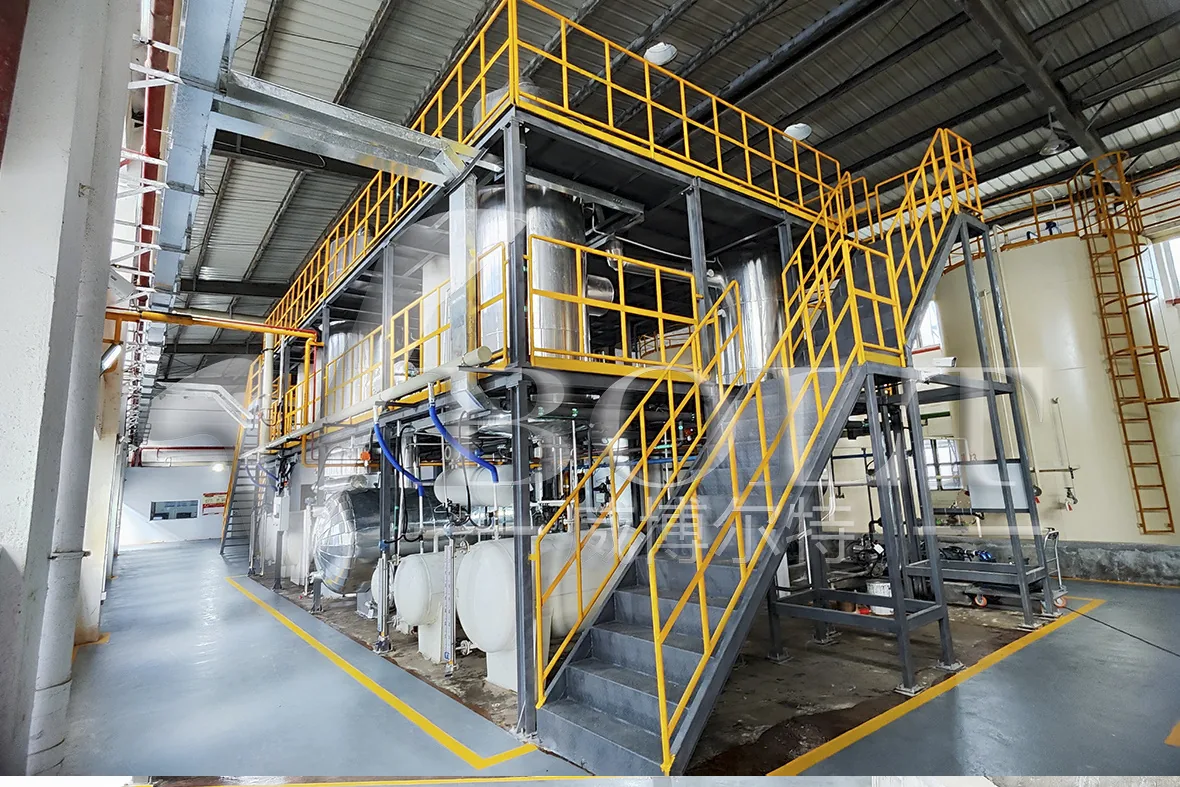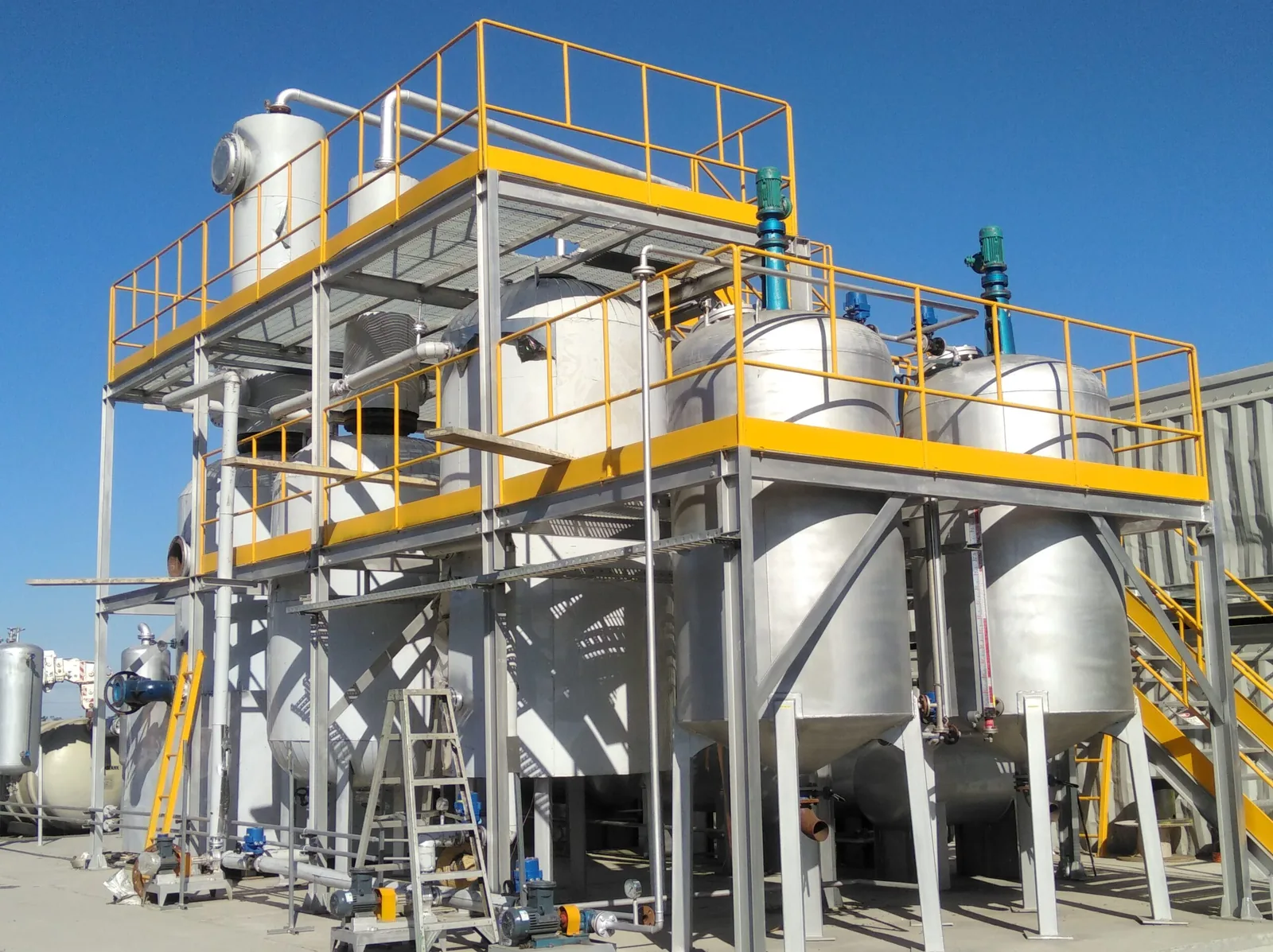





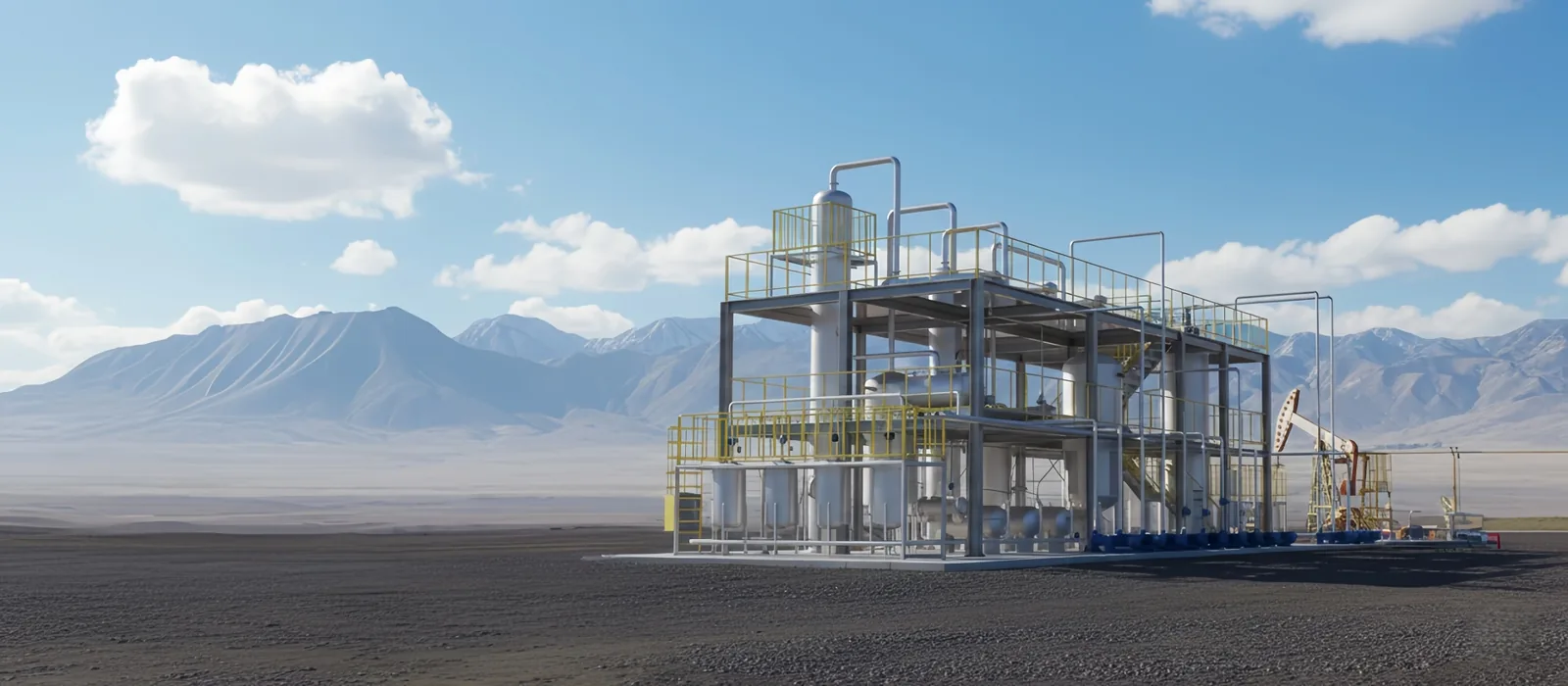
If you are looking for a waste oil recycling machine for sale, the most important question is not only “How much does the machine cost?” A real waste oil recycling project depends on your raw material, daily processing capacity, target final product, local environmental requirements, and the level of automation you need.
A waste oil recycling machine can process used lubricating oil, waste motor oil, industrial oil, and other recoverable oil materials into diesel-range fuel fractions, regenerated base oil, or purified oil for defined permitted uses. For investors, oil collectors, recycling companies, and industrial plants, selecting the right system affects product specifications, operating cost, regulatory feasibility, and long-term reliability.
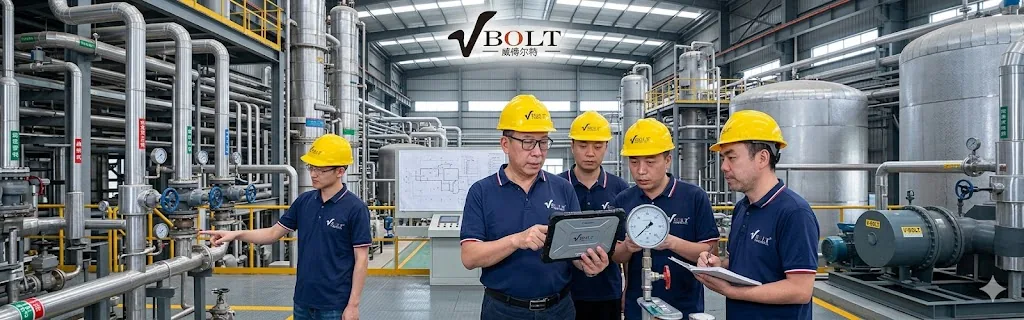
This guide explains how to evaluate capacity, process flow, equipment configuration, and cost factors before ordering a waste oil recycling machine.
What Is a Waste Oil Recycling Machine?
A waste oil recycling machine is an industrial system designed to treat used oil and recover usable oil products through physical separation, filtration, dehydration, distillation, refining, or purification.
Depending on the project goal, the system can be designed for different applications:
- Recovering diesel-range fuel fractions for testing and permitted use
- Regenerating used lubricating oil into base oil
- Purifying industrial oil for reuse
- Removing water, sludge, carbon particles, and mechanical impurities
- Reducing waste disposal cost and improving oil recovery value
The machine is not a single standard product. In most industrial projects, it is a complete recycling line that may include pretreatment equipment, heating system, vacuum distillation unit, condensation system, filtration unit, refining section, storage tanks, control cabinet, and environmental protection devices.
That is why buyers should not only compare machine price. They should compare the full process solution.
What Types of Waste Oil Can Be Processed?
A properly designed waste oil recycling machine can handle many types of used oil, but the process should be selected according to the raw material condition.
Common feedstock includes:
- Used motor oil
- Waste engine oil
- Used lubricating oil
- Hydraulic oil
- Gear oil
- Industrial waste oil
- Mixed waste oil from workshops or recycling stations
- Some types of fuel oil residue or contaminated oil
Before confirming the equipment model, it is important to understand the raw oil condition, such as:
- Water content
- Solid impurities
- Sludge level
- Fuel contamination
- Additives
- Heavy components
- Odor and color
- Target final product quality
For example, a diesel-range fuel project may focus on controlled distillation, fraction recovery, condensation, product testing, and permitted end use. A base oil project usually needs a more complete re-refining route and testing against the target base oil specification.
Main Process of a Waste Oil Recycling Machine
Although each project may have a different design, a typical waste oil recycling process usually includes the following stages.
- Raw Oil Collection and Pretreatment
The first step is to remove large particles, water, and heavy sludge from the waste oil. This stage helps protect the distillation or refining equipment and improves operating stability.
Pretreatment may include:
- Settling
- Coarse filtration
- Dehydration
- Sludge separation
- Preheating
- Pumping and storage
Good pretreatment is very important. If the waste oil contains too much water or sludge, it can affect heating efficiency, product yield, and equipment maintenance frequency.
- Heating and Distillation
For projects targeting diesel-range fuel fractions or base oil recovery, distillation is usually a core process. The oil is heated under controlled conditions, often under vacuum, so fractions can be separated by boiling range and directed to the required downstream treatment and testing.
The distillation section may include:
- Distillation reactor
- Heating furnace or heating system
- Vacuum pump
- Fractionating system
- Condenser
- Cooling system
- Residue discharge system
Vacuum distillation can help lower the boiling temperature and reduce thermal cracking risk. This is important for improving product quality and reducing unnecessary energy consumption.
- Condensation and Oil Recovery
After the oil vapor is separated, it passes through the condensation system and becomes liquid oil again. Different fractions can be collected based on the process design.
The recovered product may be:
- Diesel-range fuel fractions
- Light oil fraction
- Base oil fraction
- Reusable industrial oil
- By-product oil fractions
The recovered fractions and material balance depend on representative feedstock quality, operating temperature, vacuum level, condensation efficiency, and refining process. Any yield figure should be stated as an estimate for defined operating conditions, not as a guaranteed product yield.
- Refining and Filtration
After distillation, some projects need further refining to improve color, odor, stability, and impurity removal.
Refining methods may include:
- Fine filtration
- Decolorization
- Odor reduction
- Solvent extraction
- Adsorbent treatment
- Polishing filtration
For base oil regeneration projects, this stage is especially important because buyers usually care about viscosity, color, flash point, odor, water content, and impurity level.
- Final Product Storage
The final product should be stored in suitable tanks after treatment. A complete project may require tanks for raw oil, intermediate oil, final product, residue, and wastewater.
Good tank layout helps improve production efficiency and makes operation easier.
How to Choose the Right Capacity
Capacity is one of the most important factors when selecting a waste oil recycling machine for sale. Many buyers ask for a price first, but the supplier needs to know how many tons of waste oil you want to process per day.
Common capacity options include:
- 1 TPD to 5 TPD small-scale systems
- 10 TPD medium-scale recycling systems
- 20 TPD to 30 TPD industrial recycling plants
- Larger continuous systems for high-volume projects
Small Capacity: 1-5 TPD
A small waste oil recycling machine is suitable for:
- New investors
- Small oil collectors
- Local workshop oil recovery
- Pilot projects
- Customers with limited raw oil supply
Advantages:
- Lower initial investment
- Smaller installation area
- Easier operation
- Suitable for testing the local market
Limitations:
- Lower daily output
- Higher unit processing cost compared with large plants
- May not be ideal for large commercial recycling businesses
Medium Capacity: 10 TPD
A 10 TPD waste oil recycling plant is often suitable for growing recycling companies. It can balance investment, production volume, and operating flexibility.
Suitable users include:
- Regional waste oil collectors
- Used oil recycling companies
- Small refineries
- Industrial oil service companies
This capacity is often a practical choice when the customer already has stable waste oil supply and wants to build a commercial project.
Large Capacity: 20-30 TPD or More
A larger waste oil recycling plant is suitable for industrial-scale operation.
Typical buyers include:
- Large waste oil recycling companies
- Oil refining businesses
- Industrial park recycling projects
- Government-supported waste oil treatment projects
- Companies with long-term feedstock contracts
Advantages:
- Higher production efficiency
- Potentially lower unit processing cost at verified utilization
- Better automation options
- More suitable for continuous operation
However, large projects also require more careful planning, including land, utilities, environmental permits, installation, operator training, and final product market channels.
Batch Type or Continuous Type: Which One Is Better?
Waste oil recycling machines can be designed as batch systems or continuous systems.
Batch Type Waste Oil Recycling Machine
A batch system processes one batch of oil at a time. It is often suitable for smaller or medium projects.
Advantages:
- Lower investment
- Flexible operation
- Easier to handle different feedstock batches
- Suitable for new investors
Limitations:
- Lower automation
- More manual operation
- Lower production efficiency than continuous systems
Continuous Waste Oil Recycling Plant
A continuous system is designed for stable, long-term operation. It can continuously feed, process, condense, and discharge oil under controlled conditions.
Advantages:
- Higher efficiency
- More stable output
- Better for large capacity
- Lower labor intensity
- More suitable for industrial projects
Limitations:
- Higher investment
- Requires more stable raw oil supply
- Needs better project planning and technical management
If your daily waste oil supply is small or unstable, a batch system may be enough. If you have stable feedstock and want industrial production, a continuous waste oil recycling plant may be more suitable.
Waste Oil to Diesel or Waste Oil to Base Oil?
Before buying a waste oil recycling machine, confirm the target product and its required specification. Equipment for diesel-range fuel fractions differs from a base oil re-refining system.
Waste Oil to Diesel Machine
This type of system uses distillation and condensation to recover diesel-range or lighter fuel fractions. The product is not automatically road diesel and must be tested against the applicable specification, equipment requirements, and permitted use.
It is suitable for customers who want:
- A tested fuel product for a permitted industrial use
- A relatively direct recovery process
- A practical solution for used motor oil or mixed waste oil
- A project focused on fuel recovery
Buyers should pay attention to:
- Distillation temperature control
- Fuel fraction collection
- Odor control
- Sulfur and impurity level
- Applicable product specifications, required testing, equipment compatibility, and permitted use
Waste Oil to Base Oil Plant
This type of system is designed to regenerate used lubricating oil into base oil fractions. The process is usually more demanding because base oil quality requirements are higher.
It is suitable for customers who want:
- Higher-value oil products
- Base oil for lubricant blending
- A more advanced recycling project
- Better long-term market value
Buyers should pay attention to:
- Feedstock quality
- Vacuum distillation performance
- Refining process
- Color improvement
- Odor reduction
- Viscosity range
- Final oil testing standards
If you are not sure which route is suitable, compare local demand, product specifications, permitted uses, feedstock cost, energy cost, and environmental requirements. A qualified supplier can then evaluate the process after reviewing representative feedstock data and the target market.
What Affects the Cost of a Waste Oil Recycling Machine?
The cost of a waste oil recycling machine depends on many factors. A low equipment price does not necessarily mean a low total project cost; a more complete configuration may support tighter process control, defined product testing, and lower operating risk.
Main cost factors include:
- Processing Capacity
Larger capacity usually means higher total investment, but the unit processing cost may be lower. A 30 TPD plant requires more equipment, larger tanks, stronger heating capacity, and more automation than a 5 TPD machine.
- Target Final Product
A waste oil to diesel system and a waste oil to base oil regeneration system have different equipment requirements. Base oil projects usually require more refining steps and stricter quality control.
- Batch or Continuous Design
Continuous systems are usually more expensive than batch systems, but they can provide higher efficiency and better production stability for large projects.
- Equipment Material and Configuration
The cost is also affected by:
- Steel material
- Reactor design
- Condenser size
- Vacuum system quality
- Pump and valve brand
- Control system
- Heating method
- Safety protection devices
- Environmental Protection Requirements
Different countries and regions may require different emission, odor, wastewater, and residue treatment standards. Environmental protection devices can increase investment but are very important for legal and stable operation.
- Automation Level
A simple system may use more manual operation, while a higher-level system can use PLC control, temperature monitoring, pressure control, automatic feeding, automatic discharge, and alarm protection.
- Installation and After-Sales Service
A complete project may also include:
- Process design
- Layout drawing
- Equipment manufacturing
- Shipping
- Installation guidance
- Commissioning
- Operator training
- Spare parts
- Technical support
When comparing suppliers, buyers should check whether the quotation includes only the machine or a complete project solution.
What Information Should You Prepare Before Asking for a Quotation?
To get an accurate proposal, you should prepare the following information:
- What type of waste oil do you want to process?
- How many tons per day do you want to handle?
- What is the water and sludge content of the raw oil?
- Do you want to produce diesel-like fuel, base oil, or purified oil?
- What final product quality do you expect?
- Do you prefer batch or continuous operation?
- Which country will the machine be installed in?
- Do you already have land, workshop, power, and fuel supply?
- Do you need installation guidance and operator training?
The more information you provide, the more accurate the equipment recommendation and project cost estimate will be.
How to Evaluate a Waste Oil Recycling Machine Supplier
Choosing the supplier is just as important as choosing the machine. A waste oil recycling project involves process design, equipment manufacturing, installation, operation, and long-term maintenance.
Before placing an order, buyers should evaluate:
- Does the supplier understand your feedstock and target product?
- Can they explain the complete process clearly?
- Do they offer different capacity options?
- Can they provide project layout and technical proposal?
- Do they have experience with similar projects?
- Can they support installation and commissioning?
- Do they provide spare parts and after-sales service?
- Can they help you understand operating cost and maintenance needs?
A reliable supplier should not simply push one machine model. They should help you build a suitable recycling solution based on your actual project conditions.
Why Choose VBOLT Waste Oil Recycling Equipment?
VBOLT provides equipment solutions for used oil, waste lubricating oil, and industrial oil projects. We can help define systems for diesel-range fuel fraction recovery, base oil re-refining, oil purification, and industrial oil recovery according to feedstock data, product specifications, and permitted use.
Our waste oil recycling equipment can be configured according to:
- Raw oil type
- Daily processing capacity
- Target final product
- Batch or continuous operation
- Site conditions
- Environmental requirements
- Budget and project stage
Whether you are starting a small used oil recycling business or planning an industrial-scale recycling plant, we can provide a practical equipment recommendation based on your project needs.
FAQ About Waste Oil Recycling Machines
- How much does a waste oil recycling machine cost?
The cost depends on capacity, process type, final product requirement, automation level, environmental configuration, and installation needs. A small batch machine costs less than a large continuous waste oil recycling plant. For an accurate quotation, you need to provide your daily capacity and raw oil condition.
- Can waste motor oil be converted into diesel?
Used motor oil can be distilled and refined into fuel fractions within a diesel-like boiling range, but the result is not automatically road diesel. Classification and permitted use require representative product testing against the applicable specification and equipment or burner requirements.
- Can waste oil be recycled into base oil?
Used lubricating oil can be re-refined into recovered base oil through a suitable process. Vacuum distillation and further refining may be required, and the product should be tested against the target base oil specification before blending or sale.
- What capacity should I choose?
If you are a small collector or new investor, 1-5 TPD may be suitable. If you have stable raw oil supply, 10 TPD can be a practical commercial option. For industrial projects, 20-30 TPD or larger continuous systems may be more suitable.
- What is the difference between batch and continuous waste oil recycling machines?
A batch system processes oil one batch at a time and is suitable for small or flexible projects. A continuous system is designed for stable, long-term industrial operation and is better for larger capacity projects.
- What information is needed for a quotation?
You should provide your raw oil type, daily processing capacity, target final product, installation country, expected automation level, and any local environmental requirements.
Get a Waste Oil Recycling Machine Proposal
If you are looking for a waste oil recycling machine for sale, VBOLT can help you evaluate the right capacity, process flow, and equipment configuration for your project.
Please tell us:
- What type of waste oil do you process?
- How many tons per day do you want to recycle?
- Do you want diesel-range fuel fractions, recovered base oil, or purified oil for a defined use?
- Which country will the machine be installed in?
- Do you need batch or continuous operation?
Contact VBOLT to get a customized waste oil recycling machine proposal, technical process suggestion, and project quotation.