




A waste oil to diesel production solution must be designed around the actual feedstock, required capacity, intended product use, local fuel rules, emissions limits, and site conditions. Representative oil testing and a written product specification are required before selecting the process. Distillation can recover a diesel-range fraction, but it does not by itself guarantee compliance with EN 590, ASTM D975, or local road-fuel standards.
1. Project Basis and Product Target
The design basis should define feedstock sources, water and solids content, density, viscosity, sulfur, metals, ash, distillation range, daily throughput, annual operating hours, and expected variation. The target must distinguish between an industrial fuel in the diesel boiling range, a road-fuel blendstock, and a finished diesel product because each requires different treatment stages, testing, and legal approval.
2. Process Configuration
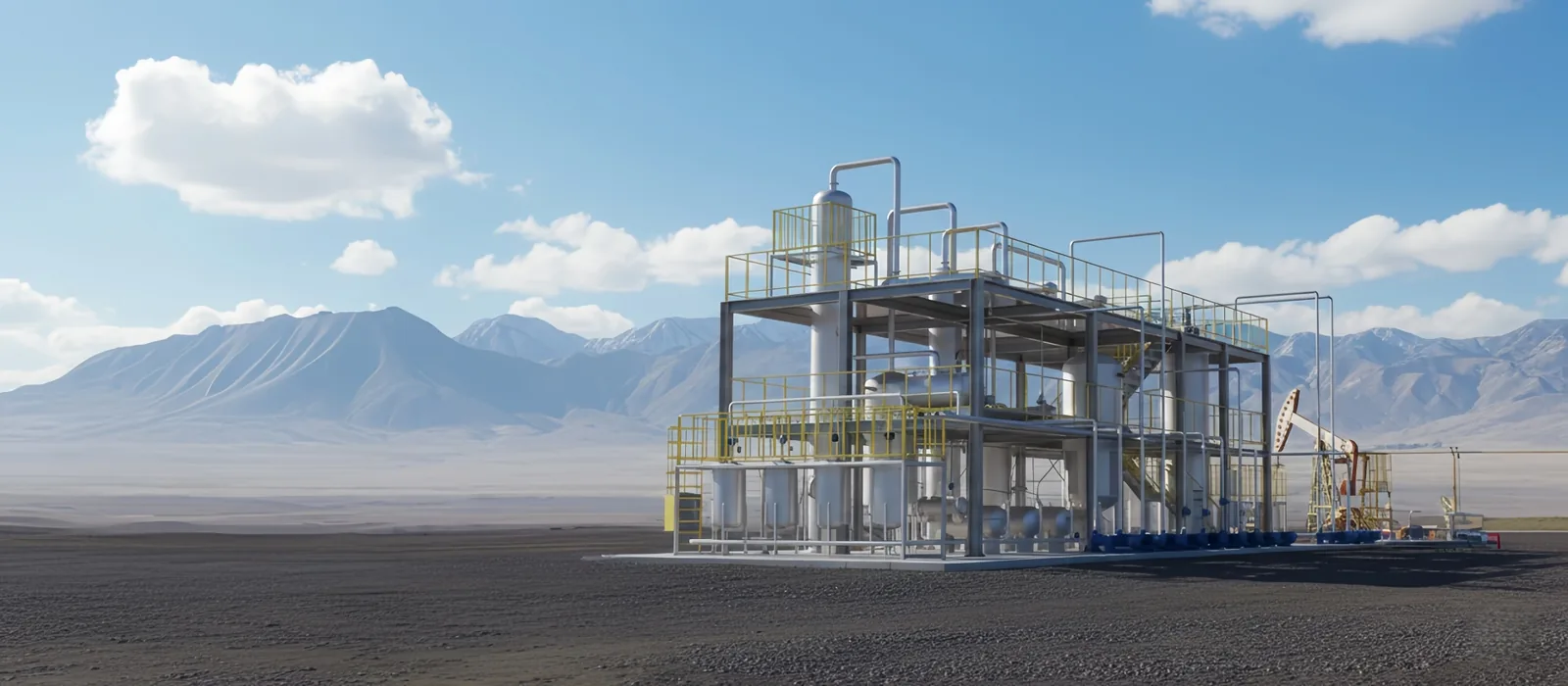
A typical line may include receiving and sampling, settling, dehydration, filtration, controlled heating, atmospheric or vacuum distillation, fraction condensation, optional polishing, and finished-product storage. The final configuration depends on laboratory results. Non-condensable gas, process water, sludge, and heavy residue require defined collection, treatment, reuse, or licensed disposal routes.
3. Production Monitoring and Traceability
The control system can record feed batches, temperatures, pressures, vacuum level, flow, tank levels, energy use, alarms, maintenance events, and laboratory results. Batch identification and product-tank segregation support traceability from incoming waste oil to each tested product lot.
4. Capacity Planning and Scheduling
Nominal capacity should be converted into a realistic annual production plan that accounts for feed preparation, startup and shutdown, cleaning, maintenance, product changeover, and feedstock variability. Tank capacity, unloading frequency, laboratory release time, and product dispatch must be included when sizing the complete facility.
5. Process Safety and Alarm Management
The safety design should address high temperature, vacuum and pressure deviation, flammable vapor, burner or heater faults, loss of cooling, pump failure, tank overfill, and emergency shutdown. Alarm priorities, interlocks, gas detection, fire protection, ventilation, grounding, operating procedures, and operator training must follow the applicable local codes and the final process-hazard review.
6. Energy and Utility Management
The proposal should state fuel, electricity, cooling water, compressed air, nitrogen, labor, and other utility requirements at the specified feedstock and capacity. Metering by major equipment and production batch allows the operator to track energy per tonne of feed and investigate abnormal consumption.
7. Equipment, Quality and Environmental Control
Equipment inspection and preventive maintenance should be coordinated with feedstock acceptance, in-process sampling, and final product testing. The quality plan should list test methods and acceptance limits for the intended use. The environmental plan should define controls for vapor, odor, wastewater, sludge, residue, noise, and accidental releases instead of relying on a general “no pollution” claim.
8. Project Deliverables and Expected Benefits
A complete offer should identify the process flow, mass balance, equipment list, battery limits, layout, utility schedule, civil and electrical requirements, control philosophy, safety scope, emissions and residue plan, laboratory equipment, installation, commissioning, training, warranty, spare parts, and performance-acceptance method. Benefits should be evaluated from tested yields, compliant product value, operating cost, permitted disposal savings, uptime, and total installed cost rather than from a generic return estimate.