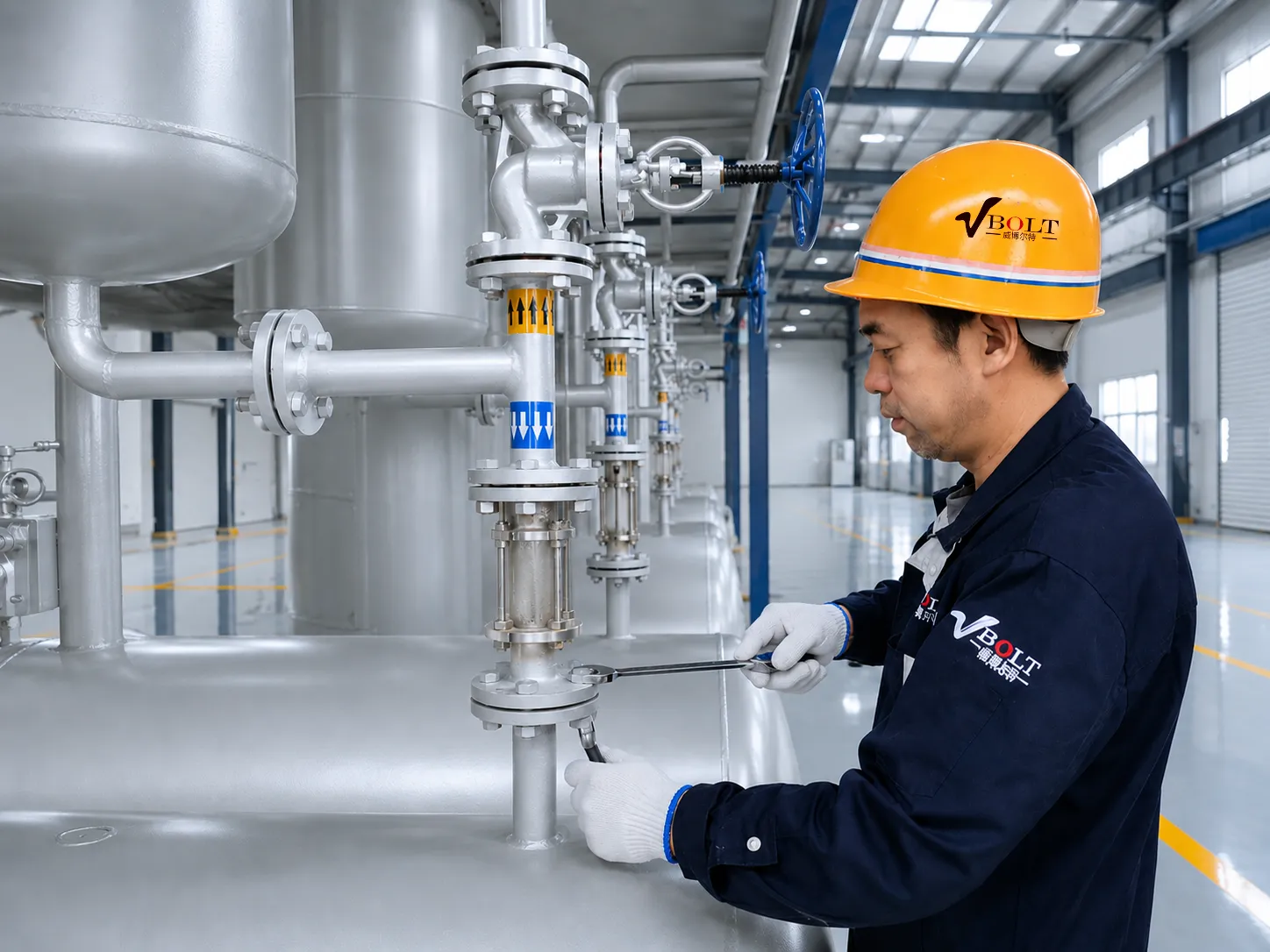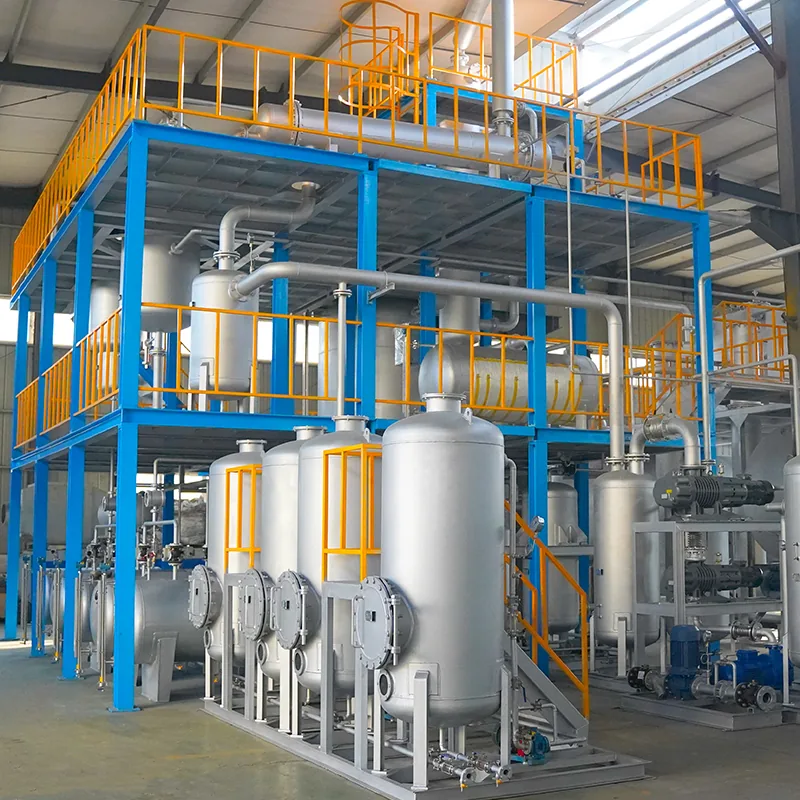






How a Pyrolysis Oil Recycling to Diesel Machine Helps Turn Mixed Waste Oil Into Usable Fuel
For many waste oil recycling projects, the real challenge is not only collecting used oil. The more important question is how to process unstable, mixed, or low-value oil into a fuel product that can be used more efficiently in industrial applications.
At VBOLT, we often receive inquiries from customers who handle different kinds of feedstock at the same time, such as used engine oil, waste lubricating oil, hydraulic oil, gear oil, black motor oil, tire pyrolysis oil, plastic pyrolysis oil, and other mixed waste oil. These materials may look similar from a distance, but their water content, light fractions, impurities, odor, color, sediment, and boiling range can be very different.
This is why a pyrolysis oil recycling to diesel machine should not be selected only by machine size or price. A suitable system needs to match the real oil source, final fuel purpose, heating method, distillation design, condensation efficiency, purification process, and local operating conditions.
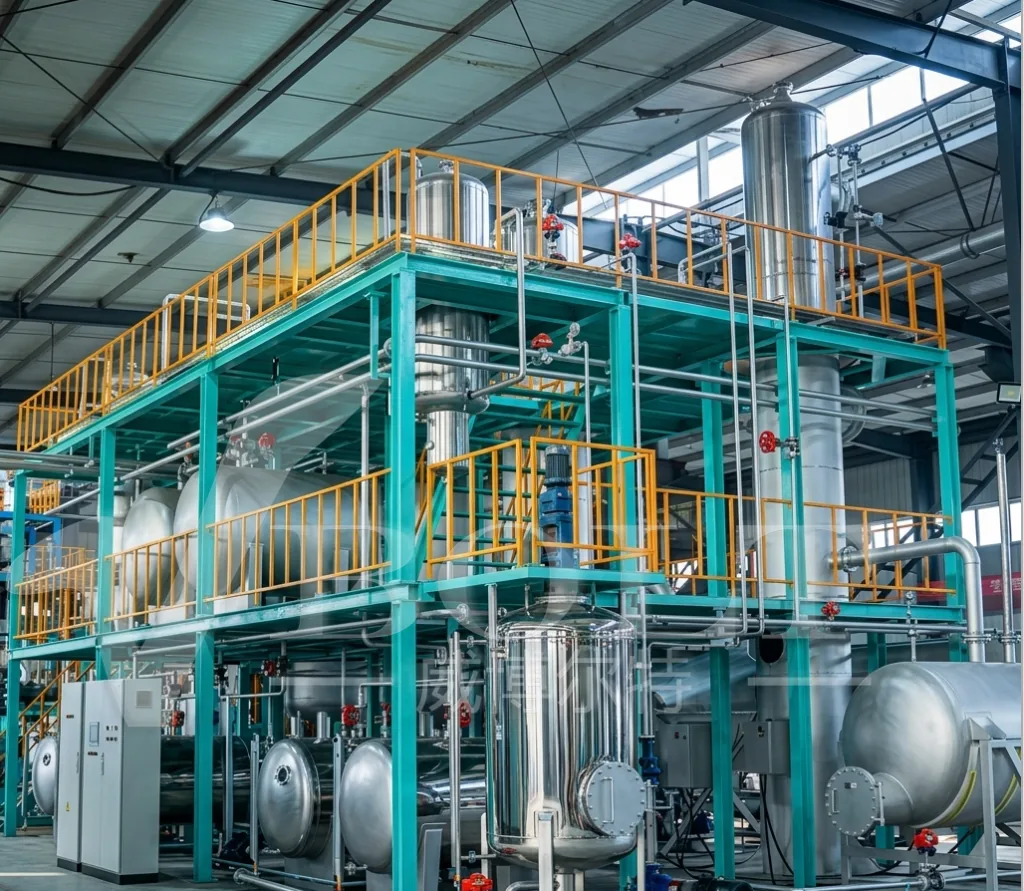
Why Mixed Waste Oil Needs a More Practical Refining Solution
Mixed waste oil is usually more complicated than a single, clean feedstock. One batch may contain used motor oil from workshops, while another batch may include waste industrial lubricants or pyrolysis oil from tire and plastic recycling projects. If these materials are treated with a simple filtration system only, the result is often unstable. Filtration can remove part of the visible particles, but it cannot properly separate light fractions, heavy residues, moisture, odor, and volatile components.
For buyers who want to produce diesel-type industrial fuel, distillation and purification are usually required. The oil needs to be heated under controlled conditions, separated according to boiling range, condensed into fuel fractions, and further treated to improve color, stability, and usability. This is the core value of a waste oil to diesel plant.
In real projects, the goal is not to make the equipment sound complicated. The goal is to make the process controllable. A stable waste oil recycling system should help the operator understand what kind of raw oil can be processed, what output can be expected, how residues are handled, and what support is needed before installation.
What a Pyrolysis Oil Recycling to Diesel Machine Does
A pyrolysis oil recycling to diesel machine is designed to upgrade low-value pyrolysis oil or mixed waste oil into a more usable diesel-type fuel. The process normally includes pretreatment, heating, vacuum distillation, vapor separation, condensation, purification, and residue discharge.
For pyrolysis oil from waste tires or plastics, the raw oil often has strong odor, dark color, unstable composition, and a certain amount of heavy residue. Through distillation and refining, the lighter fuel fractions can be separated from the heavier components. After further purification, the final product can be used in suitable industrial fuel applications, depending on local requirements and actual fuel quality.
For mixed used lubricants, the process logic is similar, but the machine configuration may need adjustment. Used engine oil, hydraulic oil, and gear oil may contain additives, carbon deposits, metal particles, water, and oxidized substances. These details affect heating efficiency, recovery rate, fuel color, residue volume, and maintenance frequency.
Suitable Raw Materials for This Type of Equipment
Before recommending a machine model, we usually ask customers to confirm the actual feedstock. A suitable system may be used for different waste oil sources, including:
- Waste tire pyrolysis oil
- Waste plastic pyrolysis oil
- Used engine oil
- Black motor oil
- Waste lubricating oil
- Hydraulic oil
- Gear oil
- Mixed used industrial oil
- Heavy contaminated waste oil after basic pretreatment
However, “can process” does not mean every raw oil should use the same design. A project using mainly tire pyrolysis oil may require different treatment details from a project using workshop engine oil. If the raw oil contains too much water, solids, or light volatile material, pretreatment and process control become more important.
Key Process Sections Buyers Should Check
When choosing a mixed waste oil to diesel machine, buyers should look beyond the machine photo. The real value is in the process design. A complete system should explain how the raw oil is handled from feeding to final fuel collection.
1. Raw Oil Pretreatment
Pretreatment helps reduce water, sediment, and large impurities before the oil enters the main distillation section. This step protects the system and improves operating stability. For highly contaminated mixed waste oil, pretreatment is not optional. It directly affects safety, heating efficiency, and final fuel consistency.
2. Controlled Heating and Distillation
The distillation section separates different oil fractions according to boiling range. The heating system should be stable, controllable, and suitable for the customer’s local energy conditions. Electric heating, fuel heating, or other heating methods may be considered depending on project size and operating cost.
3. Vacuum and Vapor Separation
Vacuum distillation can help improve separation efficiency and reduce thermal stress on the oil. For waste oil with complex composition, the vapor separation design should be matched with the raw material type and expected final product.
4. Condensation System
The condenser is responsible for turning oil vapor back into liquid fuel. If the condensation area is not enough, recovery efficiency and fuel collection may be affected. For continuous operation, the cooling system and condenser design should be discussed clearly before order confirmation.
5. Purification and Fuel Improvement
After distillation, the fuel may still need purification to improve color, odor, and stability. Different projects may use different refining methods according to final fuel requirements. Buyers should avoid assuming that every machine produces the same diesel quality. The final result depends on raw oil condition, process configuration, operation control, and refining depth.
6. Residue Handling
Mixed waste oil and pyrolysis oil usually produce heavy residue after distillation. A practical machine should include a clear residue discharge method. This part is important for daily operation, cleaning frequency, labor arrangement, and environmental management.
Why Capacity Should Be Based on Real Oil Supply
Some customers start by asking for the largest machine they can afford. In practice, capacity should be selected according to stable raw oil supply, working hours, labor availability, fuel storage, and local sales channel. A larger plant does not automatically mean a better project.
For a first recycling project, a smaller or medium-capacity system may be easier to operate and manage. For customers who already have stable oil collection channels, larger continuous equipment may be more suitable. Before choosing capacity, buyers can review our guide: How to Choose a Waste Oil to Diesel Plant for Used Engine Oil Recycling.
What Affects the Final Diesel-Type Fuel Quality?
The final fuel quality is affected by several practical factors. The first factor is raw oil quality. Clean and consistent waste lubricating oil is usually easier to process than unstable mixed waste oil. The second factor is water and impurity content. High water content increases pretreatment needs and may reduce processing efficiency. The third factor is process configuration. Distillation, condensation, and purification must work together, not separately.
Operation also matters. Temperature control, feeding speed, vacuum condition, cooling efficiency, residue discharge, and maintenance all influence the final result. This is why VBOLT does not recommend choosing equipment only from a short specification table. A reliable quotation should be based on real project information.
What Information Should Be Confirmed Before Quotation?
To recommend a suitable pyrolysis oil recycling to diesel machine, we suggest buyers prepare the following information before requesting a quotation:
- Raw oil type, such as tire pyrolysis oil, plastic pyrolysis oil, used engine oil, or mixed waste oil
- Estimated daily raw oil supply
- Water content and impurity level, if available
- Target final product, such as industrial diesel-type fuel
- Expected processing capacity per day
- Available heating energy at the installation site
- Local environmental or fuel usage requirements
- Installation country and available workshop space
- Whether tanks, cooling system, or other auxiliary equipment are required
These details help us avoid recommending a machine that looks suitable on paper but does not match the real project. For cost-related planning, buyers can also read: Waste Oil to Diesel Machine Price: What Affects the Cost?.
Why Work With VBOLT for Waste Oil Recycling Equipment?
VBOLT focuses on waste oil recycling and oil distillation equipment for customers who want to convert used oil, mixed waste oil, and pyrolysis oil into higher-value fuel or base oil products. Instead of offering one fixed machine for every project, we discuss the raw material, capacity, final product, operation method, and installation conditions before recommending a configuration.
For customers processing pyrolysis oil, the main concern is usually fuel value improvement. For customers processing used engine oil or mixed lubricants, the main concern may be recovery rate, residue control, energy consumption, or stable daily operation. Different business models need different process details.
Our role is to help customers select equipment that fits the real recycling project, not only the keyword they searched. Whether you are planning a new waste oil recycling business or upgrading an existing oil treatment line, we can review your raw oil condition and recommend a suitable solution.
A Practical Machine Should Serve the Whole Project
A pyrolysis oil recycling to diesel machine is not just a single piece of equipment. It is part of a complete project, including raw oil collection, pretreatment, distillation, fuel storage, residue handling, energy supply, labor training, and long-term maintenance.
Before purchasing, buyers should pay attention to the complete process rather than only the machine appearance. A good system should answer several basic questions clearly: What raw oil can it process? What fuel can it produce? What capacity is realistic? What impurities must be removed first? How is the residue discharged? What operating conditions are required?
When these questions are clarified early, the project is easier to evaluate, install, and operate. This is also the reason many customers choose to discuss their oil sample, capacity plan, and final fuel application with us before confirming the equipment model.Mixed waste oil and pyrolysis oil can become valuable fuel resources when they are processed with a suitable distillation and purification system. The key is not simply buying a machine called “waste oil to diesel equipment.” The key is selecting a process that matches the actual feedstock, target fuel use, capacity requirement, and local operating conditions.
If you are planning to process tire pyrolysis oil, plastic pyrolysis oil, used engine oil, or mixed waste oil into diesel-type fuel, VBOLT can help you review the raw material condition and recommend a suitable waste oil recycling equipment configuration for your project.
Send us your raw oil type, daily capacity, target final product, and installation country. Our team will provide a practical equipment recommendation and quotation based on your project conditions.
FAQ About Pyrolysis Oil Recycling to Diesel Machine
Can pyrolysis oil be converted into diesel-type fuel?
Yes. Pyrolysis oil from waste tires or plastics can be upgraded into diesel-type industrial fuel through controlled distillation and purification. The final fuel application depends on raw oil quality, process configuration, and local fuel requirements.
Can the same machine process used engine oil and pyrolysis oil?
In some projects, one system can be configured to process different waste oil materials, but the process design should be confirmed carefully. Used engine oil and pyrolysis oil have different impurity levels, odor, boiling range, and residue characteristics.
What is the difference between waste oil filtration and waste oil distillation?
Filtration mainly removes visible particles and some impurities. Distillation separates oil fractions by boiling range and is more suitable when the goal is to produce diesel-type fuel from waste oil or pyrolysis oil.
What capacity should I choose for a first waste oil recycling project?
The capacity should be based on stable raw oil supply, working hours, budget, fuel storage, and local sales channel. For a first project, a manageable capacity is often better than choosing the largest machine immediately.
What information does VBOLT need before quotation?
Please provide the raw oil type, estimated daily quantity, water and impurity condition, target final product, installation country, available heating method, and any local fuel requirement. This information helps us recommend a suitable waste oil recycling solution.