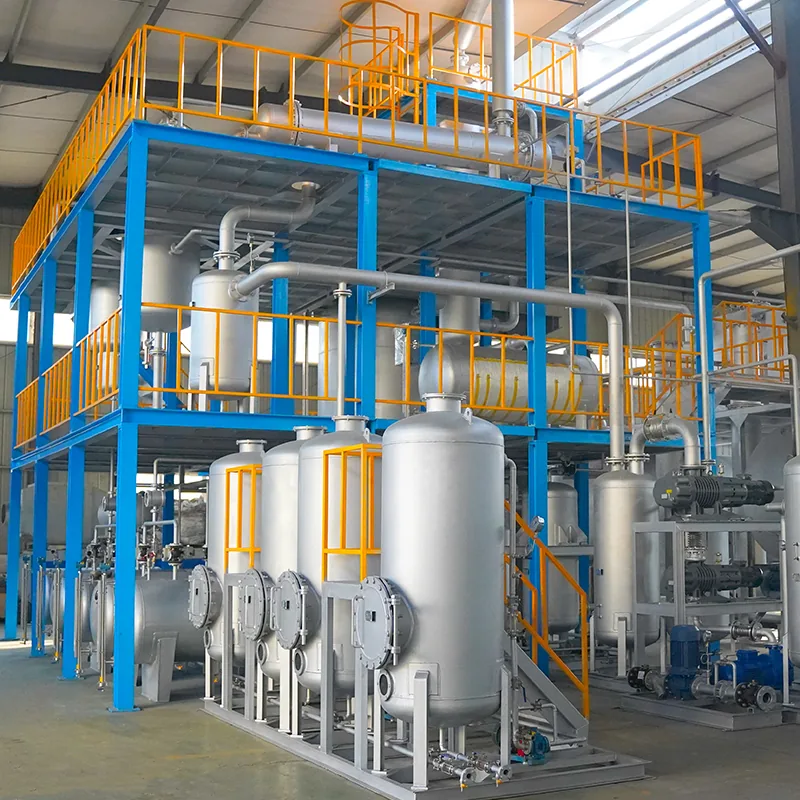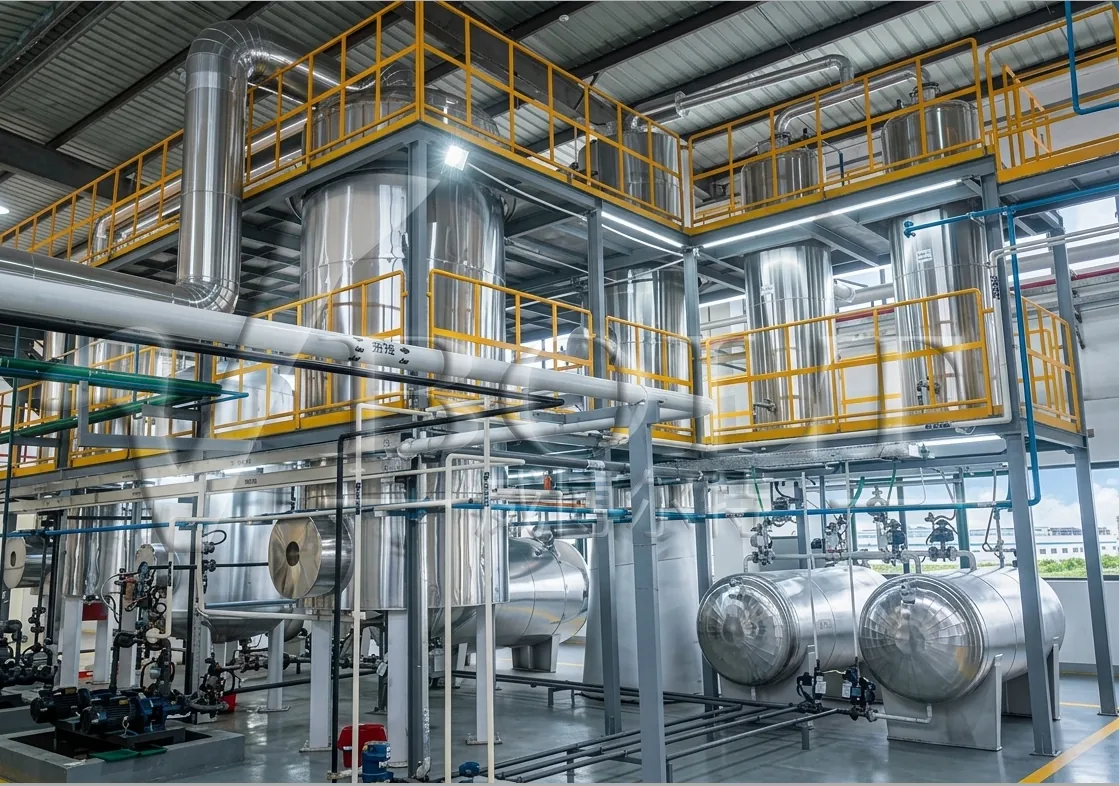





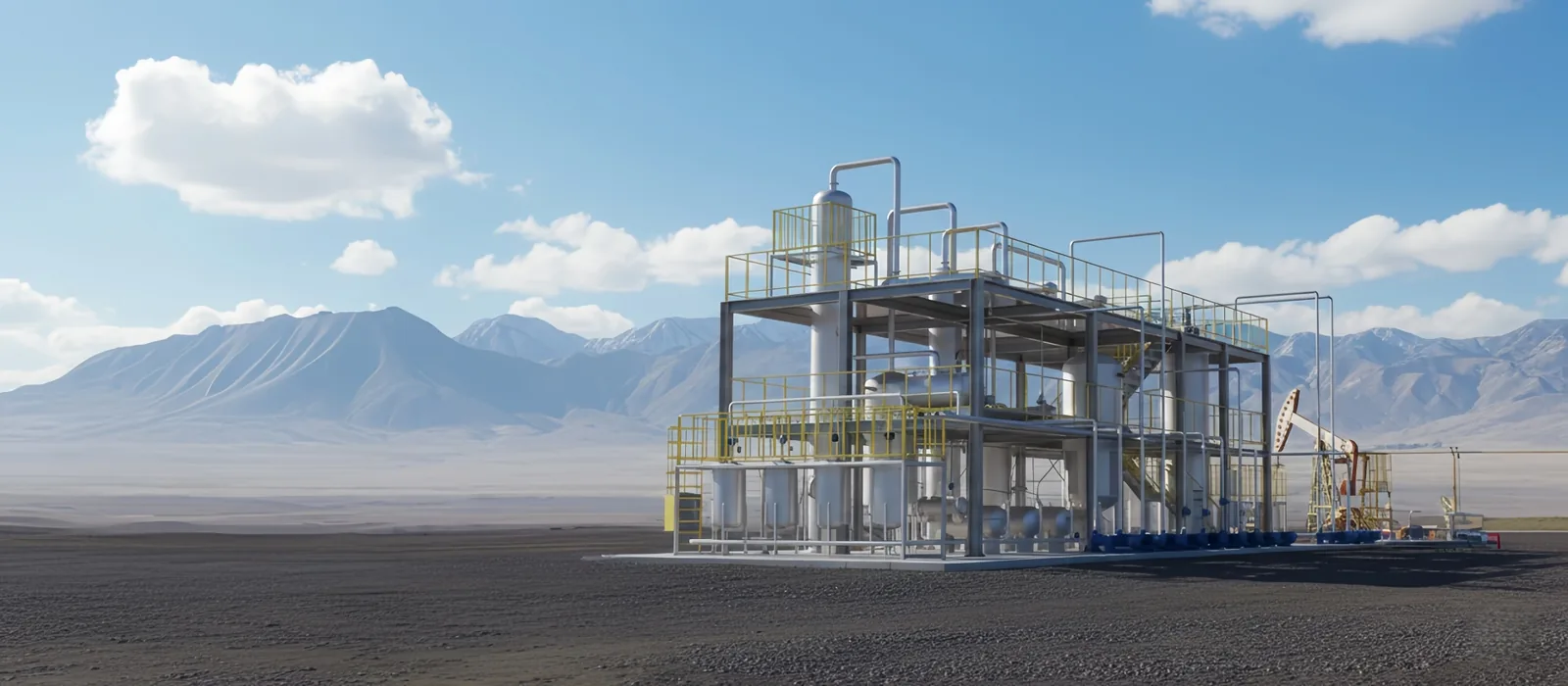
Choosing between a 5, 10 or 20 TPD waste oil recycling plant should start with the amount of usable feedstock your operation can supply consistently—not simply the largest machine available.
Oil condition, operating hours, storage, utilities, target product and planned downtime all affect the throughput a facility can actually sustain. In this guide, TPD refers to the nominal feed throughput per operating day under a defined design basis. It does not mean the same tonnage of saleable diesel-range fuel or recovered base oil.
For an overview of available processing routes, review VBOLT waste oil recycling equipment .
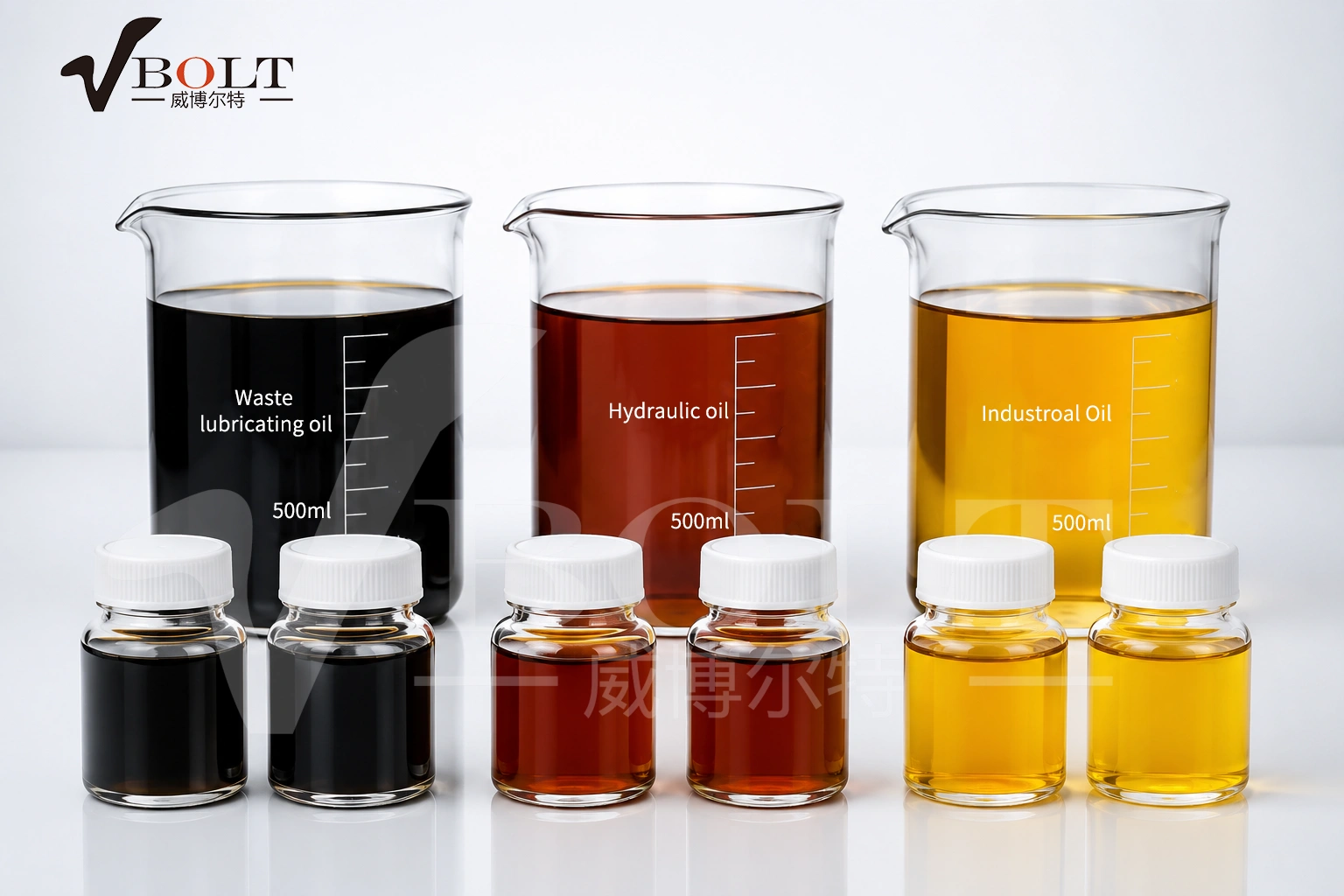
Start With Sustainable Feedstock Supply, Not the Largest Capacity
The first capacity question should be: how much suitable waste oil can you supply to the plant consistently?
Use actual collection records rather than the highest volume received in a good week. A reliable sizing basis should consider monthly supply by source, seasonal changes, rejected loads, transport schedules and the portion of collected oil that actually meets the intended feed specification.
For example, a company may collect a large total volume of oily waste but still have a much smaller volume of suitable mineral-oil feedstock after water-rich emulsions, unidentified chemical mixtures and incompatible materials are separated.
Representative feedstock should also be checked before final sizing. Depending on the project, useful information may include:
- Water and sediment
- Density and viscosity
- Flash point
- Sludge and solids
- Sulfur or halogen content where relevant
- Known fuel, coolant or chemical contamination
- Available distillation or laboratory data
A larger plant that regularly waits for suitable feedstock can produce less over a year than a smaller plant that operates consistently.
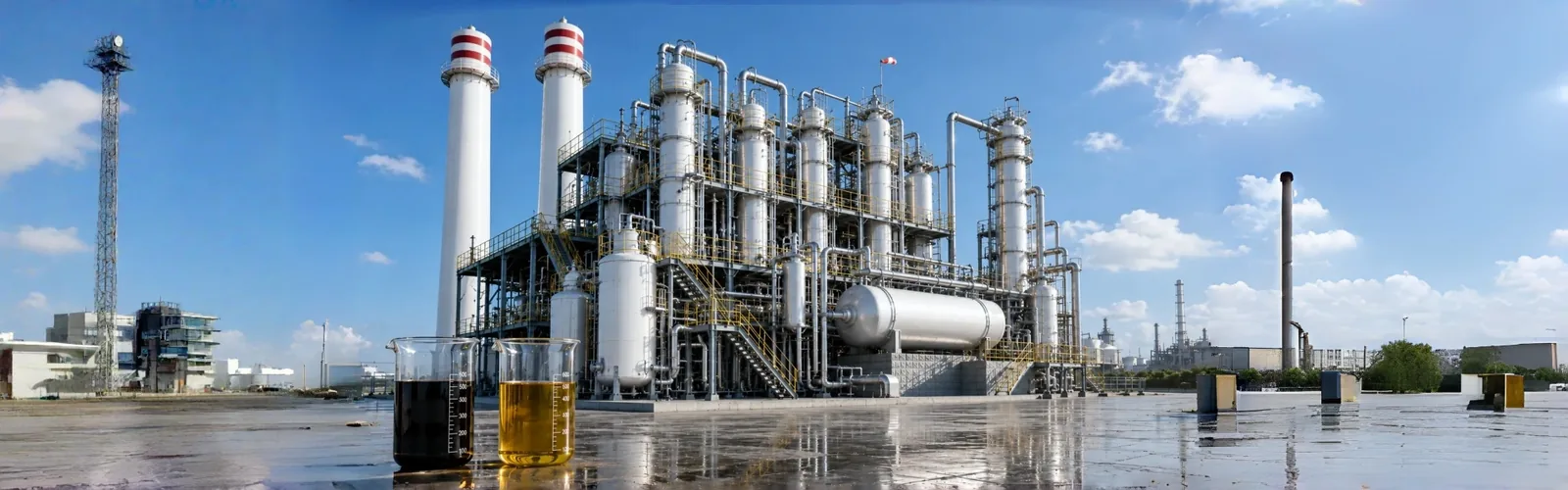
Choose the Processing Route Before Finalizing Capacity
A capacity number alone does not define the project. A 10 TPD diesel-range fuel recovery plant and a 10 TPD base oil re-refining plant can require different process equipment, utilities, finishing steps and product controls.
Waste Oil to Diesel-Range Fuel
For suitable used engine oil, used lubricating oil and tested compatible mineral-oil feedstocks, the project may use pretreatment, vacuum distillation, fraction separation and finishing to recover controlled fuel-range fractions.
Related VBOLT equipment: Waste Oil to Diesel Distillation Plant .
For projects based mainly on used engine oil, see the Waste Engine Oil to Diesel Plant .
The final product should not be assumed to be road diesel simply because it falls within a diesel boiling range. Product specification and permitted use should be confirmed by testing and applicable local requirements.
Used Oil Re-Refining for Base Oil
If the objective is to recover lubricant base-stock fractions, the project normally requires more controlled lubricant-based feedstock and a different separation and refining configuration.
Related VBOLT equipment: Used Oil Re-Refining Base Oil Equipment .
The target product should therefore be confirmed before choosing the final plant capacity.
5 vs 10 vs 20 TPD: Compare the Project Requirements
The following capacity ranges are useful planning cases, not fixed rules. Feed quality, operating hours and process configuration can change the practical throughput of any project.
| Nominal Capacity | Typical Project Profile | What Should Be Confirmed Before Selection |
|---|---|---|
| 5 TPD | A developing commercial project, a company moving from waste oil collection into processing, or an operation that prefers staged expansion. | Stable usable feedstock, operating schedule, pretreatment requirements, storage, staffing, utilities and future expansion space. |
| 10 TPD | An established recycling operation with regular collection from several controlled sources and a more predictable production schedule. | Feedstock consistency, tank turnover, operating hours, cooling and heating capacity, maintenance windows and downstream product demand. |
| 20 TPD | A larger industrial or regional recycling operation supported by a mature collection network and consistent product demand. | Confirmed annual feed supply, unloading capacity, larger storage and utility systems, staffing, environmental controls, maintenance planning and product offtake. |
These are project profiles, not automatic recommendations. A 10 TPD system may be oversized for one company and too small for another. Some projects may also be better served by an intermediate capacity, staged expansion or multiple processing modules.
The final recommendation should follow the actual feedstock supply, operating schedule and process design.
Can Your Operation Support the Selected Capacity?
After identifying a possible capacity range, check whether the rest of the facility can support it. The distillation or re-refining unit is only one part of the plant.
Feedstock Availability
Capacity should be based on feedstock that can actually be collected, accepted and processed—not total oily waste entering the site.
If several oil types are collected, storage and testing should allow incompatible or unidentified streams to be kept separate.
Operating Hours and Downtime
A nominal TPD figure should be understood together with the operating basis. Confirm planned hours per day, operating days per year, startup and shutdown time, cleaning frequency and scheduled maintenance.
Two plants with the same nominal TPD can produce different annual throughput if their operating schedules and availability are different.
Storage and Material Handling
A practical facility needs enough storage to receive, segregate and prepare feedstock before processing. Separate capacity may also be required for finished fractions, off-specification material, separated water and heavy residue.
A plant can have available processing capacity and still stop because the feed tank is empty or a product or residue tank is full.
Utilities and Site Conditions
Larger throughput generally places greater demand on supporting systems. Before selecting capacity, confirm:
- Available electrical supply
- Heating source and required duty
- Cooling-water or cooling-tower capability
- Vacuum and compressed-air requirements
- Available plant area and equipment layout
- Drainage and process-water management
- Fire protection and site safety requirements
Local climate and site conditions should also be considered because cooling and utility requirements can vary by location.
Labor, Automation and Maintenance
Higher automation can improve process repeatability and operating control, but it does not eliminate the need for trained operators.
The project should define responsibilities for feed receiving, tank changeover, sampling, residue handling, filter replacement, cleaning and preventive maintenance.
Downstream Product Demand
Capacity should also match the market that will receive the finished product. Installing more production capacity makes little commercial sense if the company cannot consistently place the recovered fuel fractions or re-refined base oil into an approved downstream market.
How VBOLT Determines the Recommended Plant Capacity
VBOLT does not select a waste oil recycling plant from the TPD number alone. Capacity evaluation starts with the actual project boundary.
For a preliminary recommendation, prepare:
- Feedstock type and source
- Daily and monthly usable oil volume
- Water, sludge and known contamination condition
- Available laboratory report or representative oil sample
- Target product and intended market
- Preferred operating hours and annual schedule
- Existing storage tanks and site area
- Available electricity, heating and cooling utilities
- Installation country
- Future expansion plan
If representative feedstock information is not yet available, the initial capacity recommendation should be treated as preliminary. Final equipment sizing and performance expectations should be confirmed after the feedstock and operating basis are defined.
This approach helps avoid two common problems: buying a plant that is too large for the available feedstock or choosing a plant that becomes a capacity bottleneck once the collection business grows.
Frequently Asked Questions
What does TPD mean in a waste oil recycling plant?
TPD means tonnes per day. For equipment selection, it should refer to the nominal feed throughput under a defined operating basis. The quotation should state the assumed feed condition and operating schedule.
Does a 10 TPD plant produce 10 tonnes of diesel per day?
No. The TPD rating normally refers to feed throughput, not guaranteed saleable product. Final recovery depends on water, light fractions, solids, heavy residue, selected product cuts and the required final specification.
Is a 20 TPD waste oil recycling plant always better than a 10 TPD plant?
No. A 20 TPD system only makes sense when the business can consistently support the required feedstock, storage, utilities, operating schedule and downstream demand. Oversizing can leave equipment underutilized.
Does plant capacity determine whether the system should be batch or continuous?
Not by itself. Capacity is one factor, but operating mode also depends on feedstock stability, production schedule, storage arrangements, automation requirements and the overall process design.
How should I compare quotations from different suppliers?
Give each supplier the same feedstock data, target product, operating hours and supply boundary. Then compare the proposed process, nominal capacity basis, included tanks and utilities, control system, installation scope, commissioning, training, warranty and acceptance conditions.
What should I send VBOLT to select the right capacity?
Send your waste oil type, representative feed information, daily or monthly available volume, target product, planned operating schedule, site location and available utilities. These details allow a more realistic comparison between 5, 10 and 20 TPD configurations.
Not Sure Whether 5, 10 or 20 TPD Fits Your Project?
Send VBOLT your feedstock type, usable monthly volume, target product and installation location. We will review the project basis and recommend a capacity range that matches your actual operating conditions.