




Mixed Waste Oil Distillation for Industrial Fuel Fractions
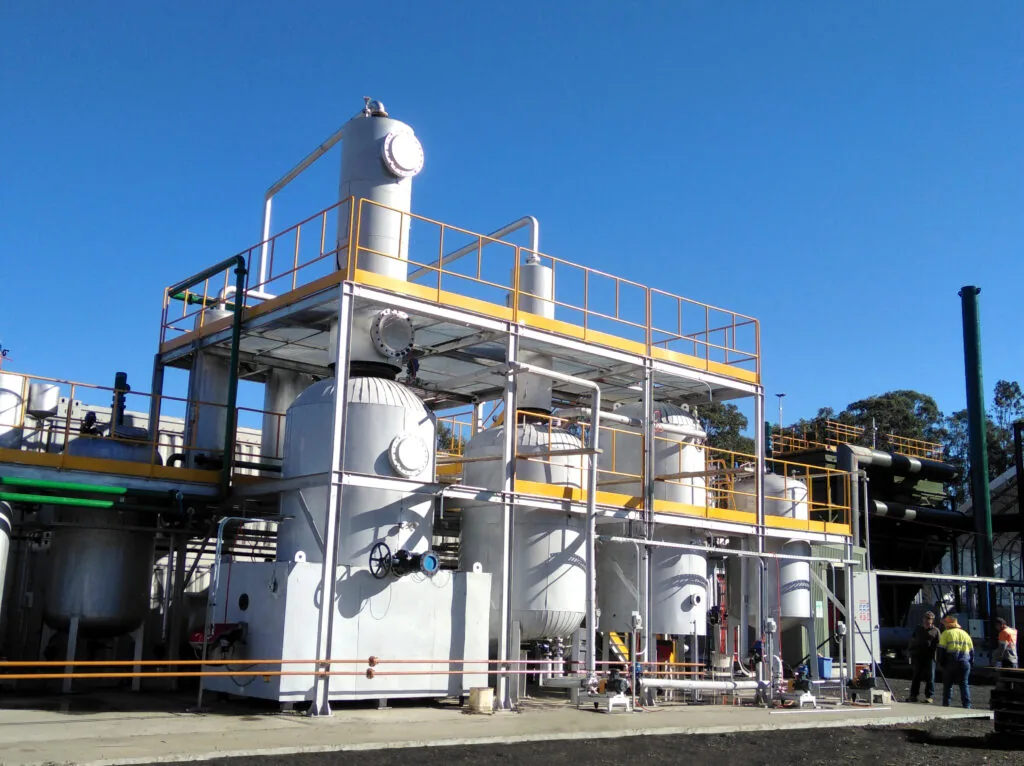
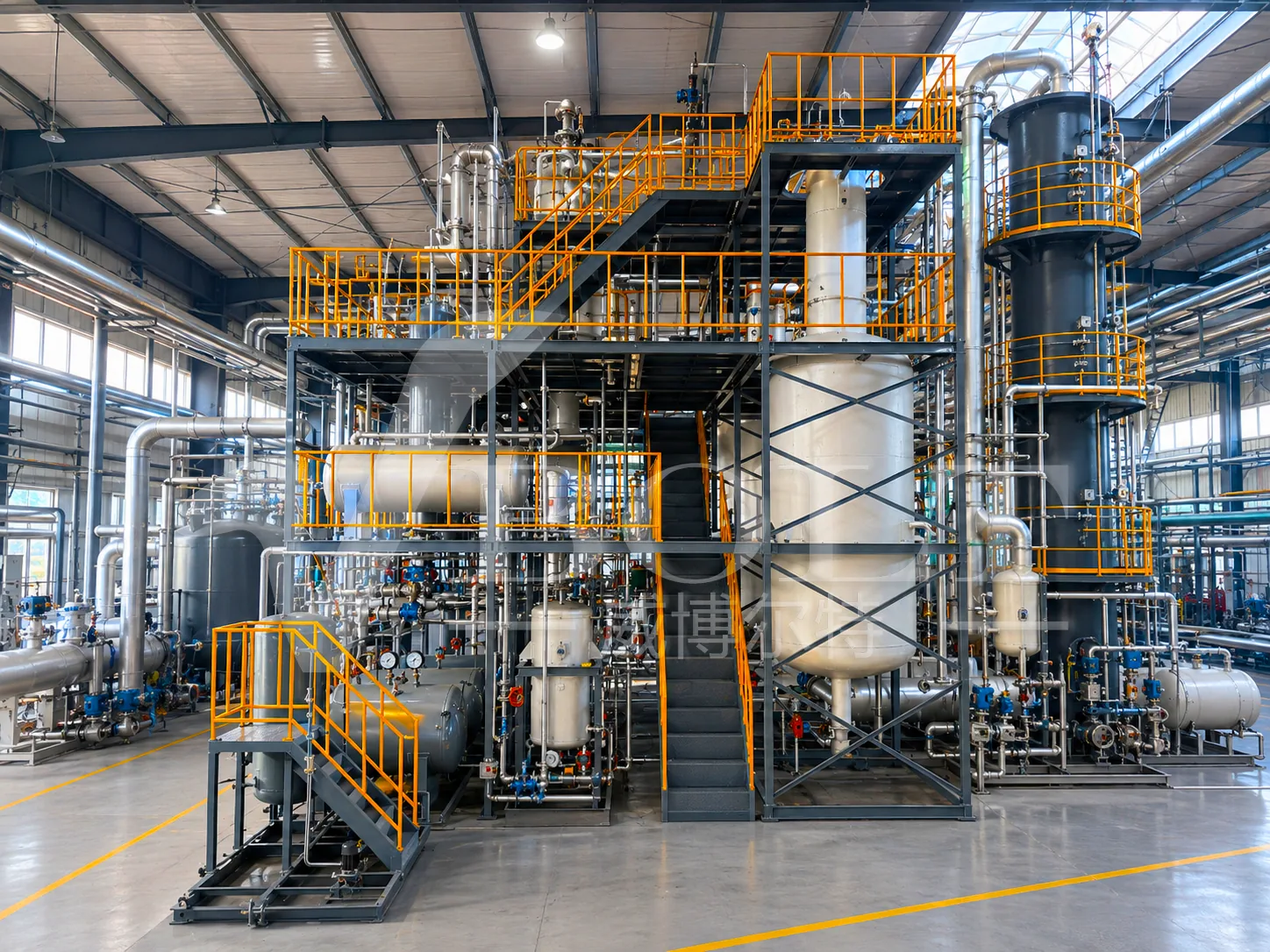
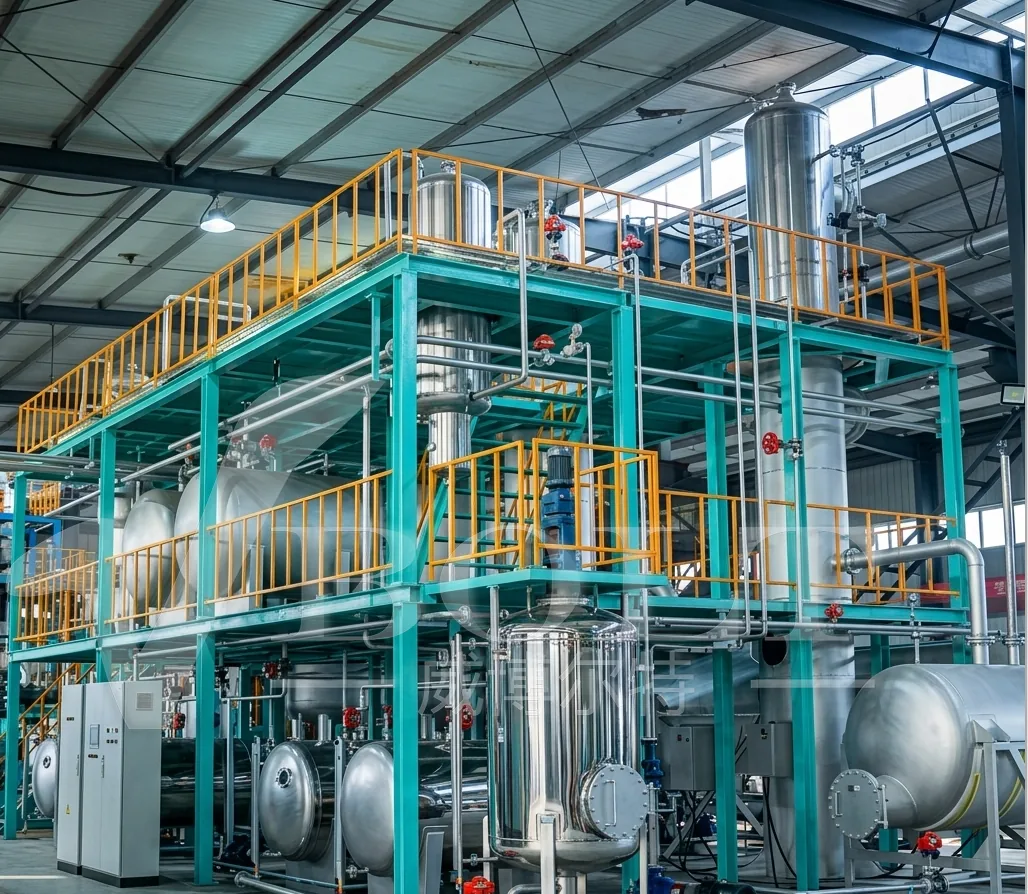
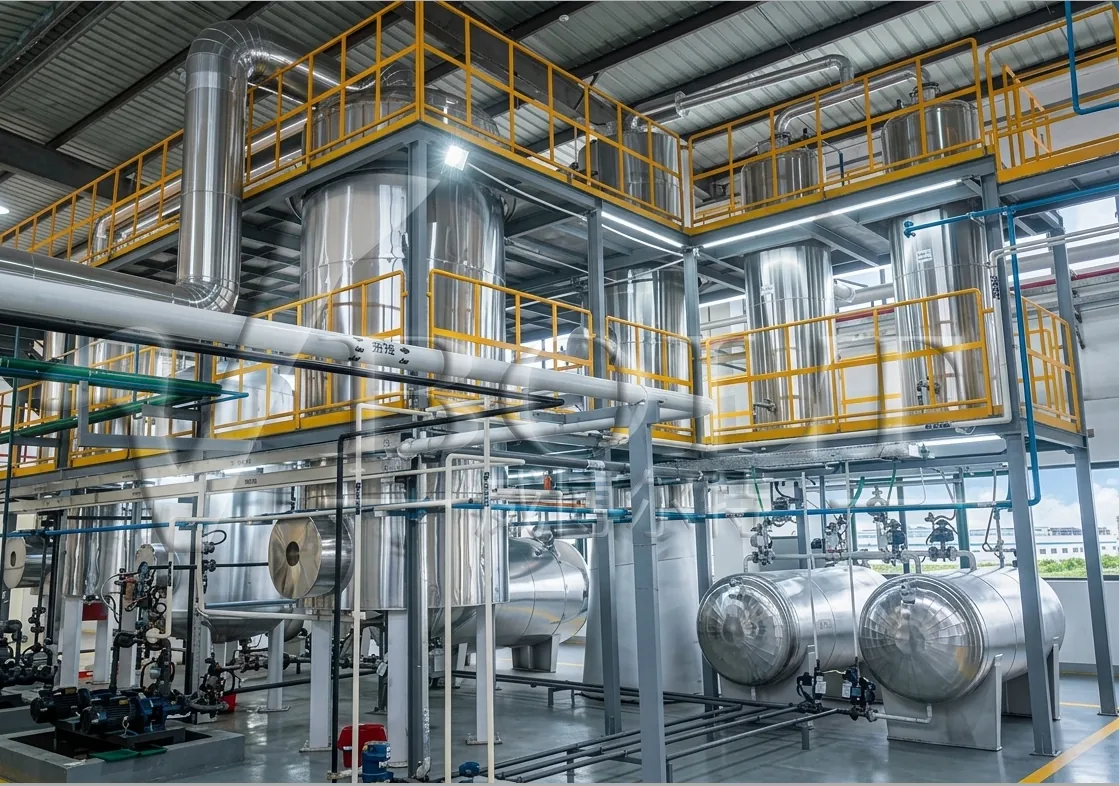
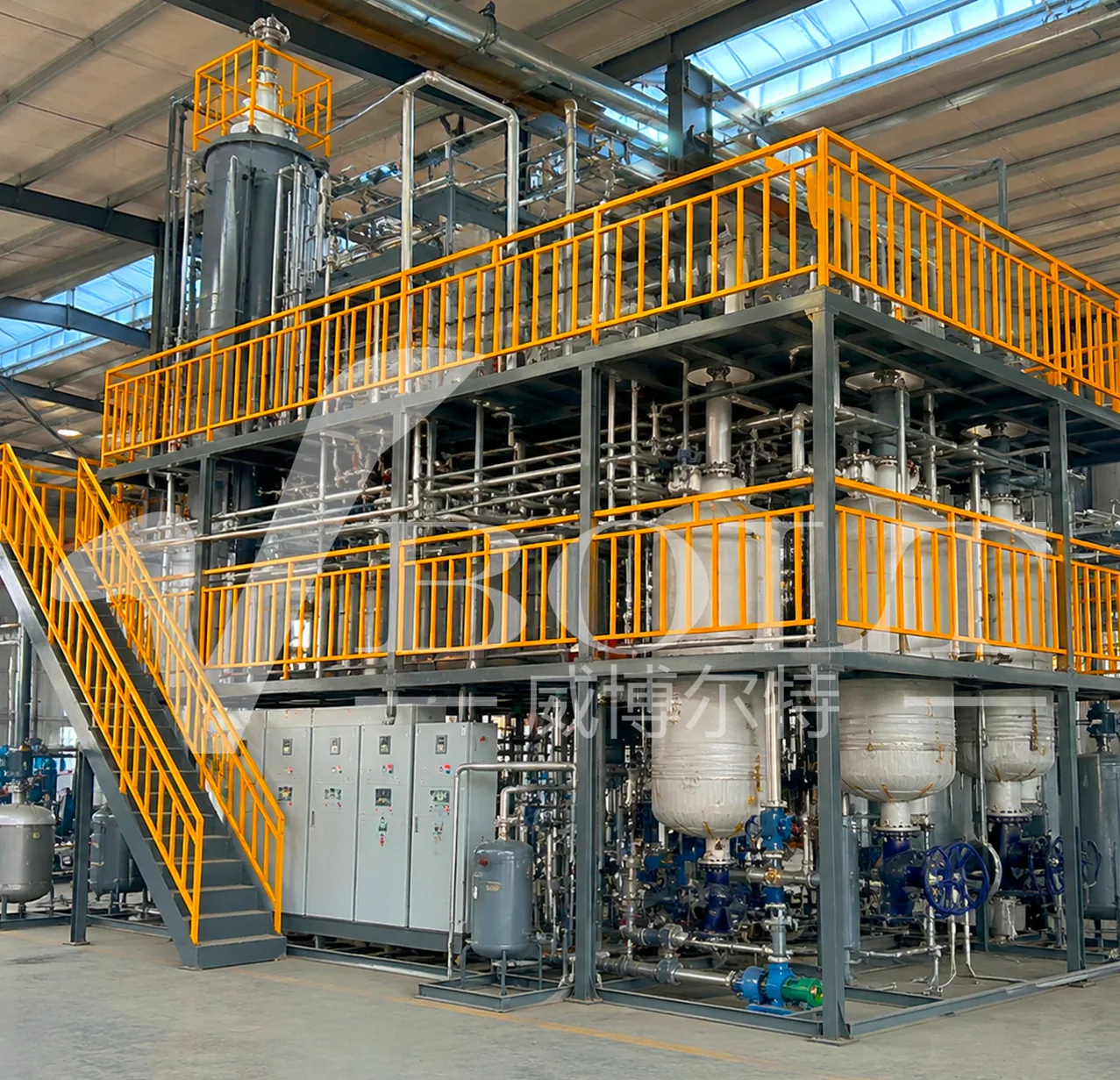
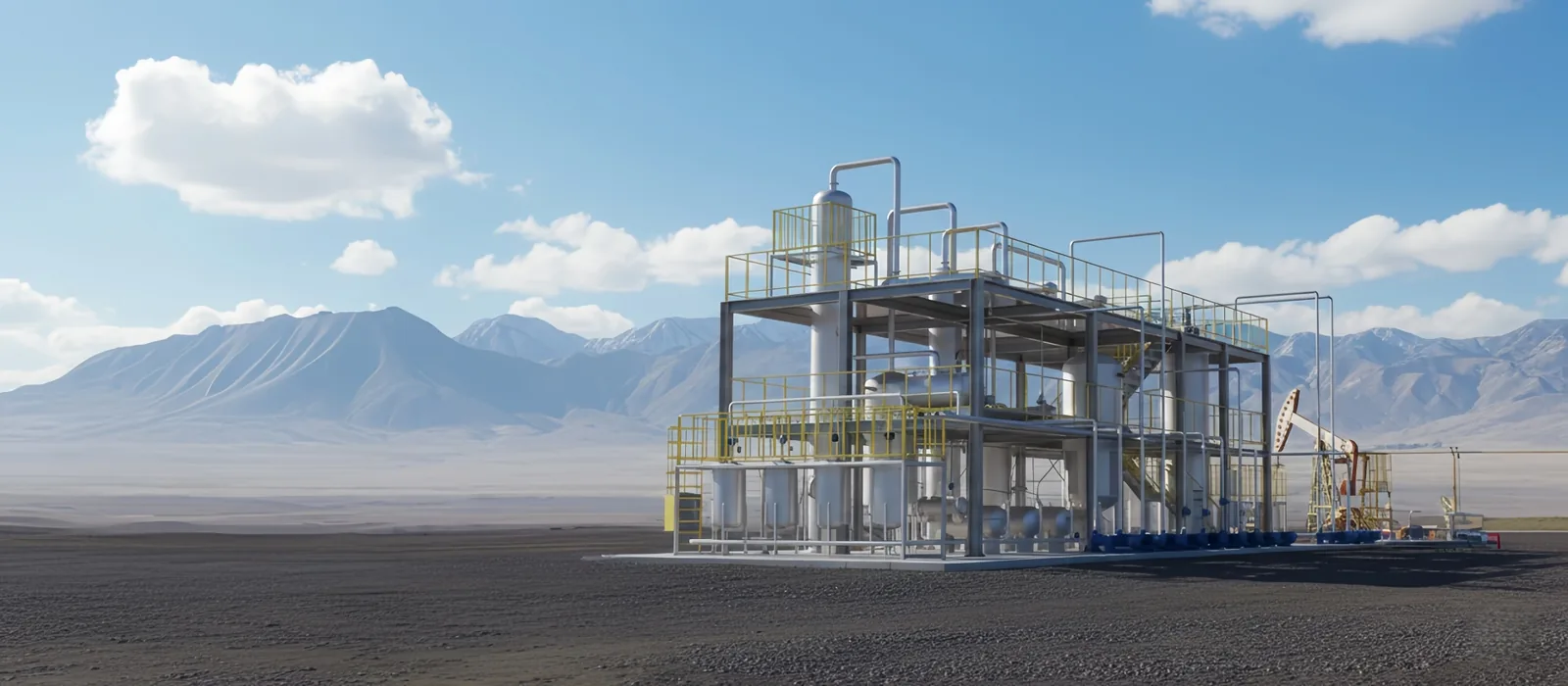
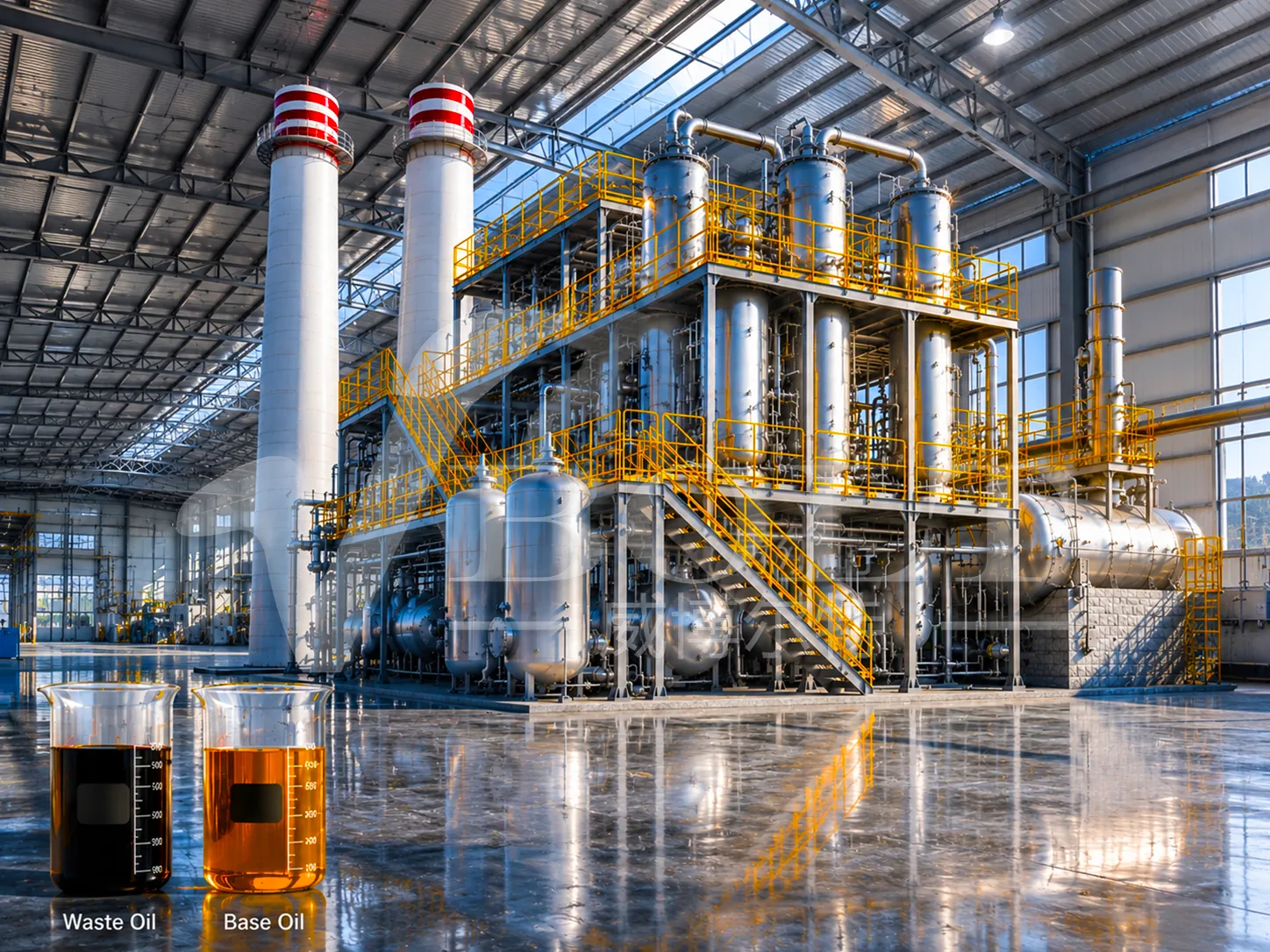
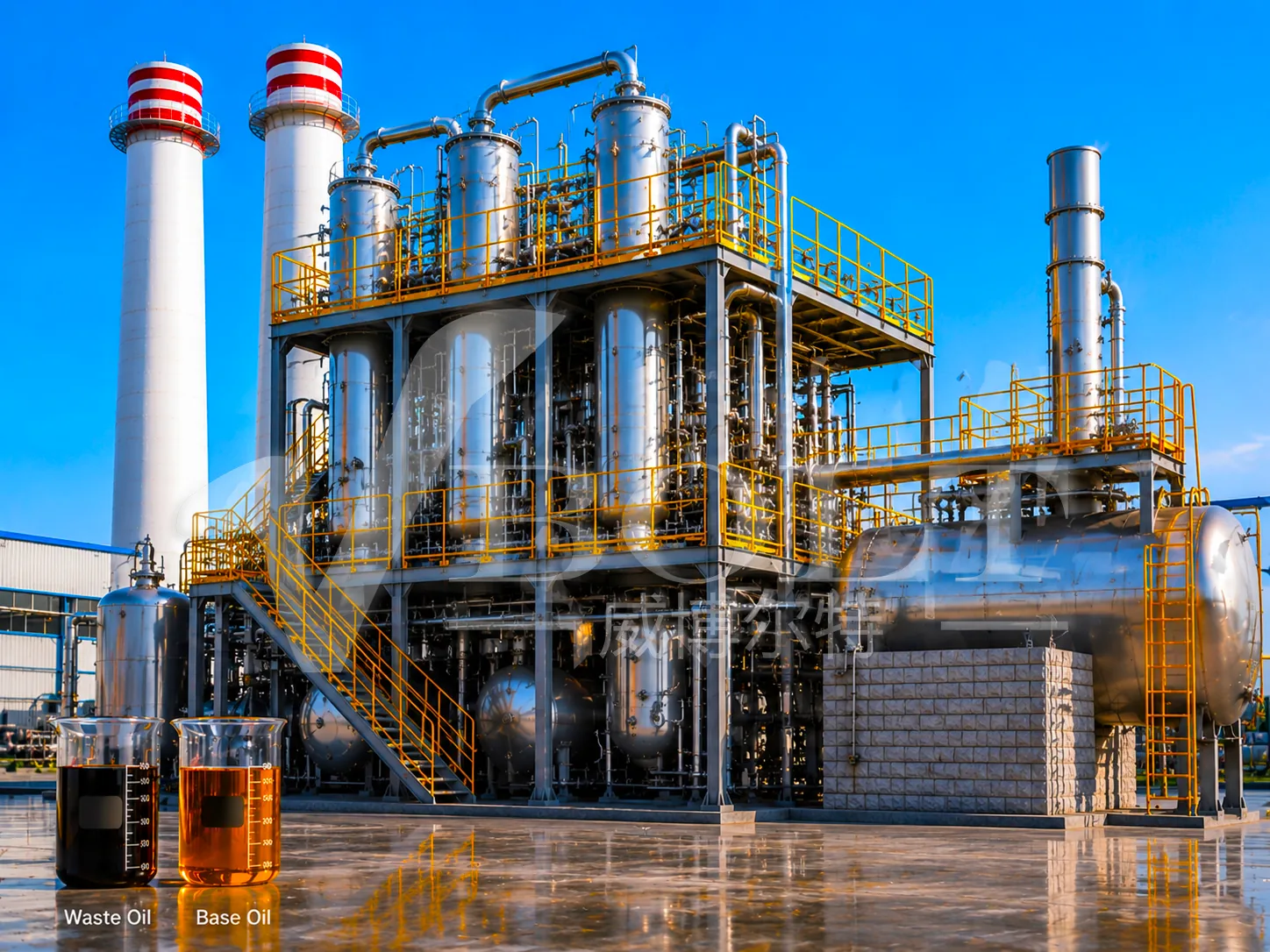
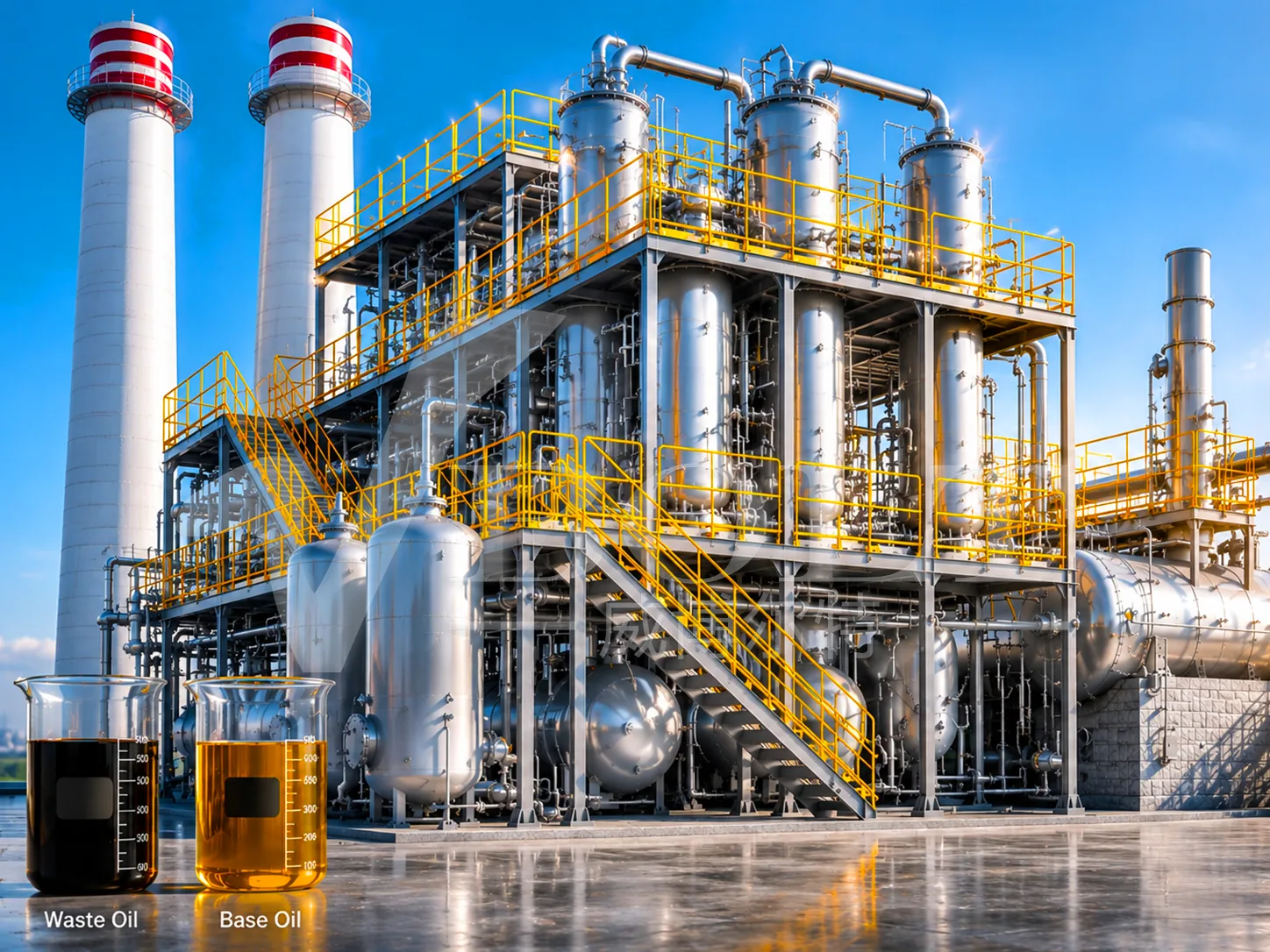
VBOLT Mixed Waste Oil Distillation Plant is configured for tested hydrocarbon-based waste-oil streams. It combines dehydration, vacuum distillation, condensation, and project-specific purification to recover fuel-range fractions.
Feedstock compatibility, achievable recovery, product properties, operating mode, and permitted end use depend on laboratory analysis, process configuration, product testing, and local regulations.
Project design objectives, subject to representative feed tests, material balance, utilities and permitting review, may include:
- Fuel-range recovery evaluated from representative feed tests
- Controlled product properties verified by release testing
- Energy demand evaluated in the project heat and mass balance
- Defined safety, containment and emissions-control interfaces
- Feedstock compatibility established by laboratory analysis
- Batch or continuous operation selected for the project basis
The system is intended for qualified waste-oil recyclers, industrial fuel projects, environmental service companies, and operators with defined feedstock, product, permitting, and residue-handling requirements.
Applicable Raw Materials
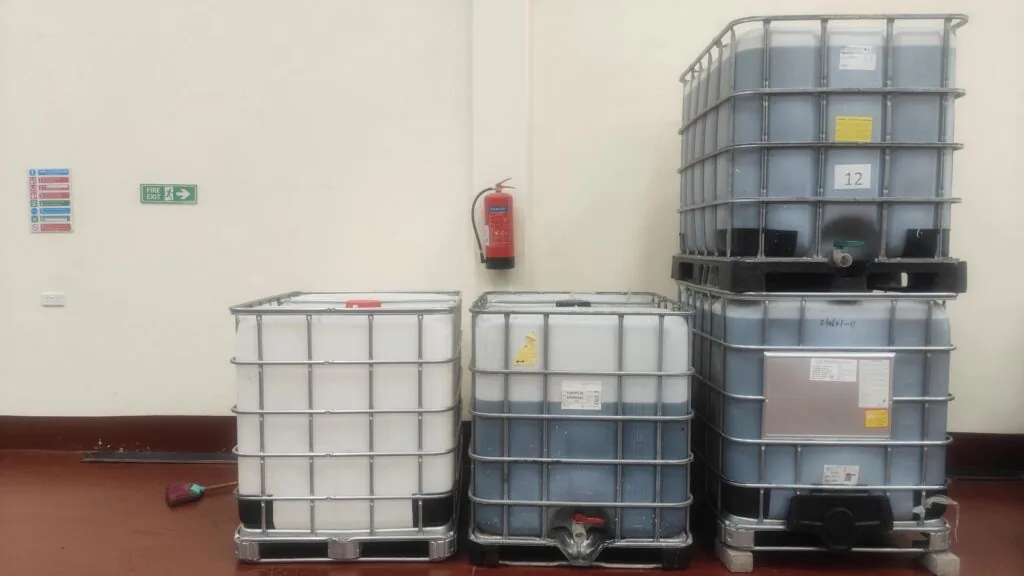
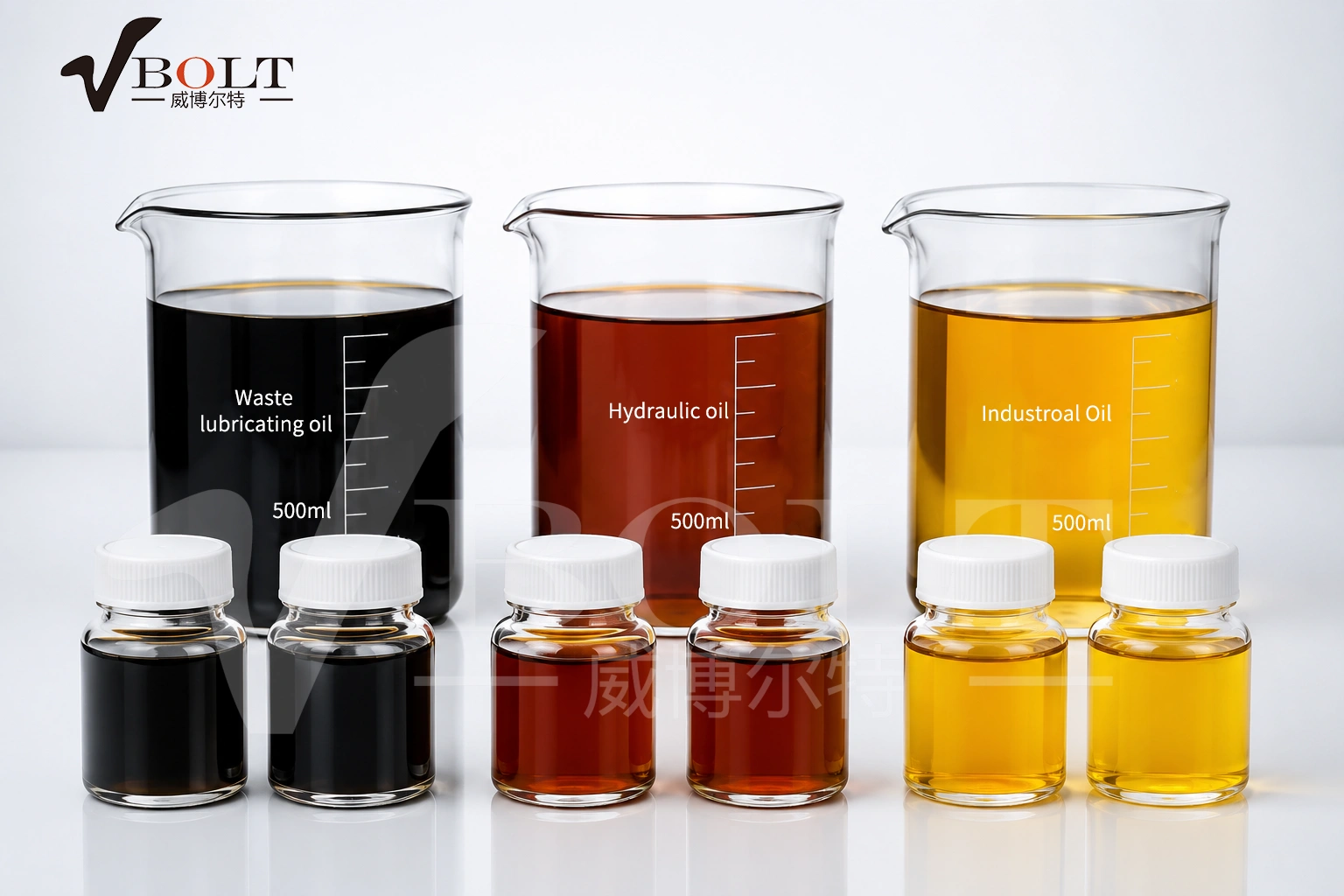
After representative sampling and laboratory evaluation, the plant may process selected hydrocarbon-based waste-oil streams, including:
- Waste lubricating oil
- Waste engine oil
- Hydraulic oil
- Gear oil
- Used transmission oil
- Marine waste oil
- Industrial machinery oil
- Heavy fuel oil residues
- Contaminated mixed oil
- Light pyrolysis oil mixtures
- Tank bottom oil sludge
- Black waste oil with impurities
The plant is designed for feedstocks within an agreed specification. Excess water, halogens, coolants, reactive chemicals, and unknown waste require separate handling and evaluation.
Final Products
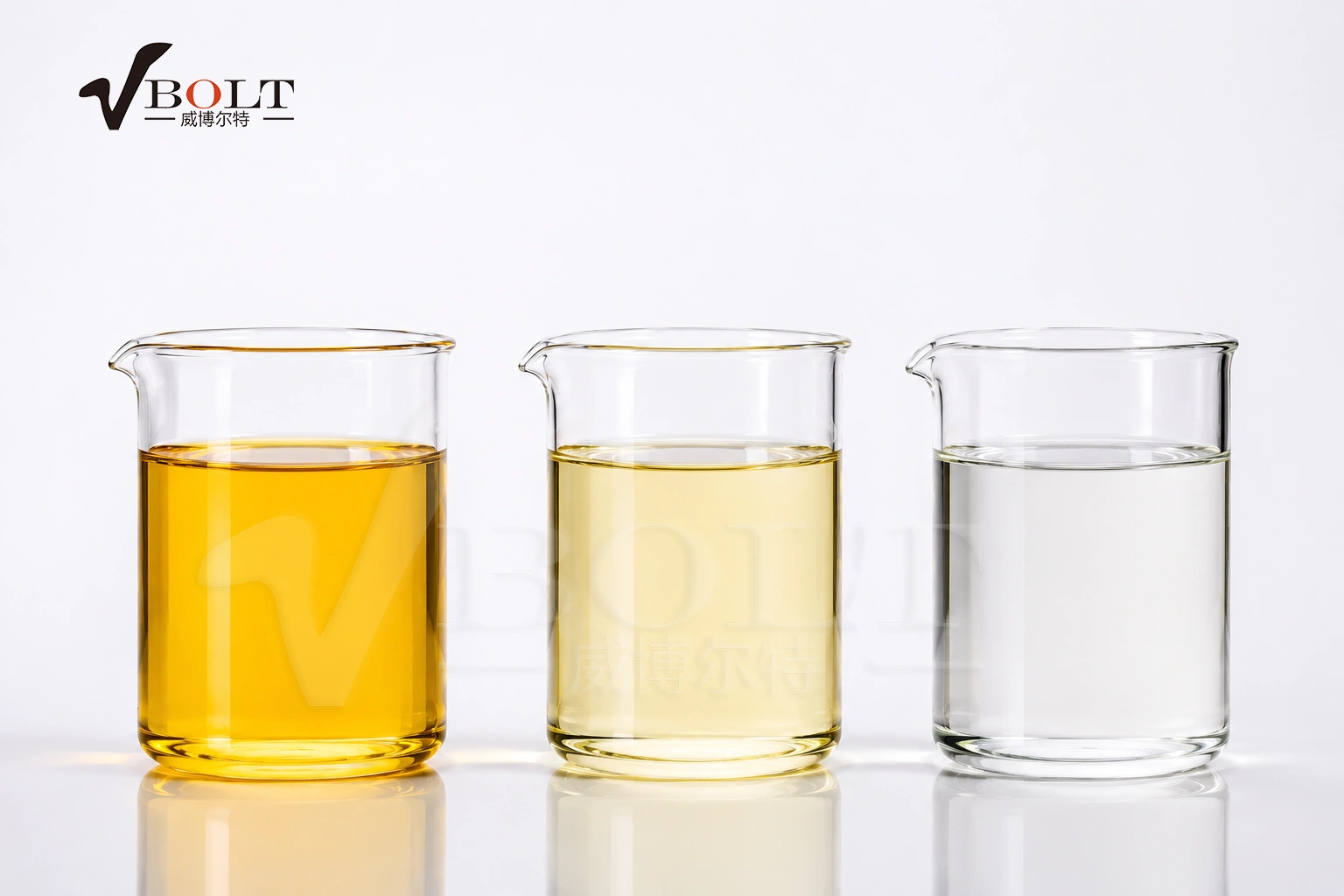
Depending on feedstock analysis, cut points, purification route, and test results, potential product and by-product streams include:
Main Product
- Tested fuel-range fraction; final grade and permitted use require laboratory release
Optional Upgraded Products
- Light fuel oil
- Industrial burner fuel
- Heating fuel oil
- Low-sulfur fuel product only where approved upgrading and testing support it
By-Products
- Heavy residue requiring characterization and an authorized recovery or disposal route
- Non-condensable gas requiring controlled handling or permitted treatment
Only after laboratory release and confirmation of applicable requirements may a fuel-range product be considered for a permitted end use. Possible examples, subject to equipment approval and local law, include:
- Industrial boilers
- Diesel burners
- Stationary industrial equipment where the approved specification permits use
- Stationary generators
- Industrial heating systems
- Marine applications only where the required fuel specification and regulations are met
Process Flow
The configured process uses staged dehydration, vacuum fractionation, condensation, purification, product testing, and residue handling.
1. Raw Material Feeding
Waste oil is pumped into the feed tank and preheated for initial dehydration.
2. Heating & Vacuum Distillation
The oil enters the distillation reactor under vacuum conditions. Different oil fractions are separated according to boiling points.
3. Vapor Condensation
The recovered vapor passes through the condensation system and is collected as segregated fuel-range fractions for testing.
4. Finishing and Product Testing
Selected finishing steps, such as filtration, adsorption or other project-approved treatment, are determined by laboratory results and the required product specification.
5. Final Fuel Storage
Tested fuel-range product is transferred to designated storage tanks. Any use or sale remains subject to product specifications and local regulations.
6. Residue Discharge
Heavy residue is discharged to the configured collection system for testing, storage, and compliant treatment or disposal.
Core Technical Advantages
Advanced Vacuum Distillation Technology
Lower distillation temperature helps limit thermal cracking and supports controlled fraction recovery.
Project-Specific Recovery Assessment
The heat-transfer and fractionation design is selected from the feedstock analysis and target cut points; recoverable output is project-specific.
Configured Operating Mode
The system can be configured for batch or continuous operation according to feedstock, capacity, maintenance, and project requirements.
Intelligent Temperature Control
PLC control supports monitored temperatures, pressure, alarms, and operating sequences; site safeguards and operating procedures remain project-specific.
Energy Saving Design
The heat-recovery package is configured to reduce avoidable fuel use within the selected capacity and operating conditions.
Defined Feedstock Compatibility
Processes selected waste-oil blends within the agreed feedstock specification and laboratory test basis.
Environmental Control Interfaces
Provides configurable vapor, non-condensable gas, residue, and wastewater control interfaces; the final site must meet applicable permits and local requirements.
Plant Capacity Range
Reference capacities are shown below. Final throughput depends on feedstock properties, operating hours, product targets, utilities, and the selected process configuration.
| Plant Type | Daily Capacity |
|---|---|
| Small Scale Plant | 1-5 Tons/Day |
| Medium Scale Plant | 6-20 Tons/Day |
| Large Industrial Plant | 20-100 Tons/Day |
| Customized Project | Available |
Custom batch or continuous configurations are available after project and feedstock review.
Preliminary Fuel-Fraction Assessment
No fixed sellable-fuel yield can be stated without representative sampling, laboratory distillation, mass-balance review, and defined product specifications.
| Raw Material Type | Assessment Basis |
|---|---|
| Waste Lubricating Oil | Laboratory distillation required |
| Waste Engine Oil | Laboratory distillation required |
| Mixed Industrial Waste Oil | Composition-dependent |
| Pyrolysis Oil Mixture | Compatibility testing required |
VBOLT engineers can prepare a project-specific preliminary mass balance after evaluating representative feedstock samples and target product specifications.
Main Equipment Composition
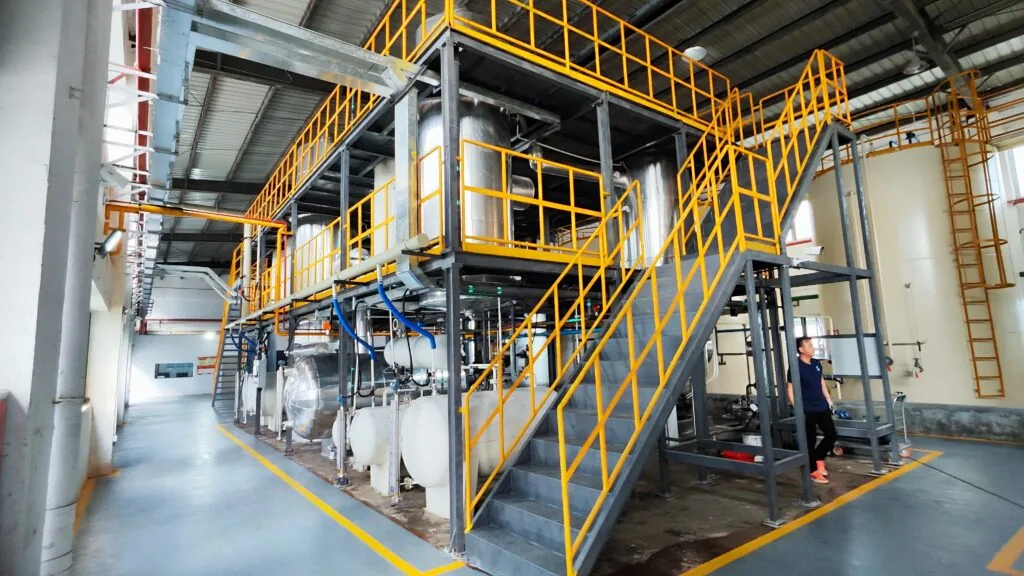
A complete VBOLT Mixed Waste Oil Distillation Plant typically includes:
- Feed oil tank
- Preheating system
- Distillation reactor
- Vacuum system
- Condensation system
- Oil cooling system
- Fuel purification system
- Residue discharge system
- Exhaust gas treatment system
- PLC control cabinet
- Storage tanks
- Pipeline & valve system
Optional Configuration Solutions
To meet different market and environmental requirements, VBOLT can provide optional modules such as:
- Fully automatic PLC control system
- Catalytic upgrading system
- Desulfurization system
- Decolorization system
- Continuous feeding system
- Heat recovery energy-saving system
- Water treatment system
- Explosion-proof configuration
- Containerized mobile plant
- Skid-mounted modular design
Customized configuration is available based on local fuel standards and project requirements.
Industry Applications
After laboratory release, equipment approval and regulatory review, recovered fuel-range fractions may be considered for permitted stationary or industrial applications such as:
- Waste oil recycling industry
- Industrial fuel production
- Stationary industrial applications where the approved specification permits use
- Stationary generator projects where the approved specification permits use
- Marine applications only where the required fuel specification and regulations are met
- Industrial heating plants
- Energy recycling projects
- Environmental protection projects
Project feasibility depends on feedstock supply, product specifications, utility costs, residue handling, permits, and local market conditions.
Why Choose VBOLT
VBOLT focuses on industrial waste oil recycling equipment manufacturing and turnkey project solutions for global customers.
Our Advantages
- Rich international project experience
- Professional engineering team
- Customized plant design
- Stable industrial equipment quality
- Complete installation guidance
- Technical training support
- Overseas after-sales service
- Continuous process optimization
VBOLT supports customers with feedstock evaluation, process selection, equipment delivery, commissioning, operator training, and long-term operating guidance.
Get Your Customized Solution
To provide the most suitable equipment proposal and quotation, please send us the following information:
- Type of raw material
- Daily processing capacity
- Expected final product
- Local fuel standard requirements
- Project country/location
- Continuous or batch operation requirement
VBOLT engineering team will provide:
- Customized process design
- Equipment configuration proposal
- Layout drawing
- Investment estimation
- Technical consultation
- Complete turnkey solution
Contact VBOLT to evaluate the feedstock, product targets, capacity, and compliance basis for your waste-oil distillation project.