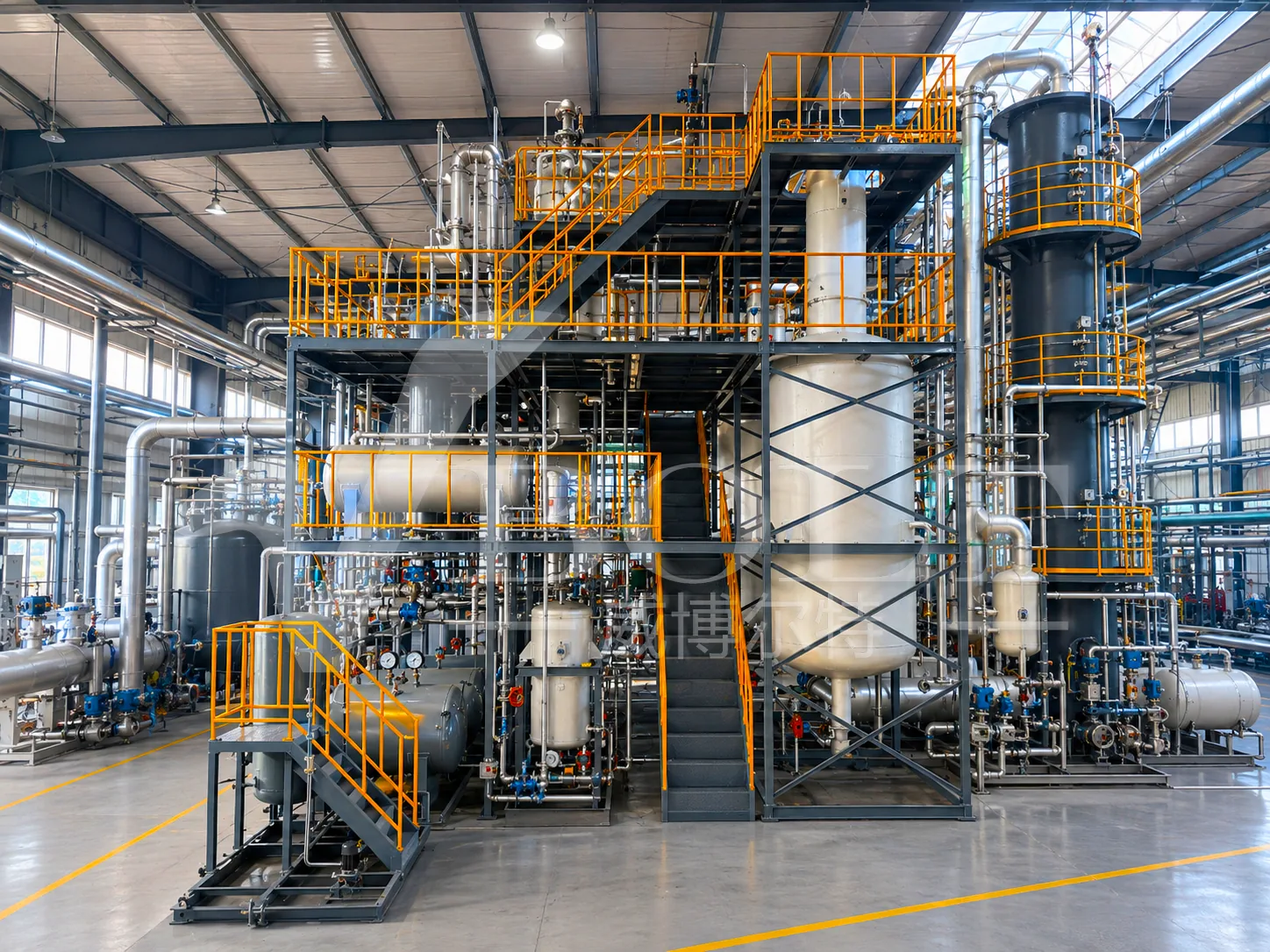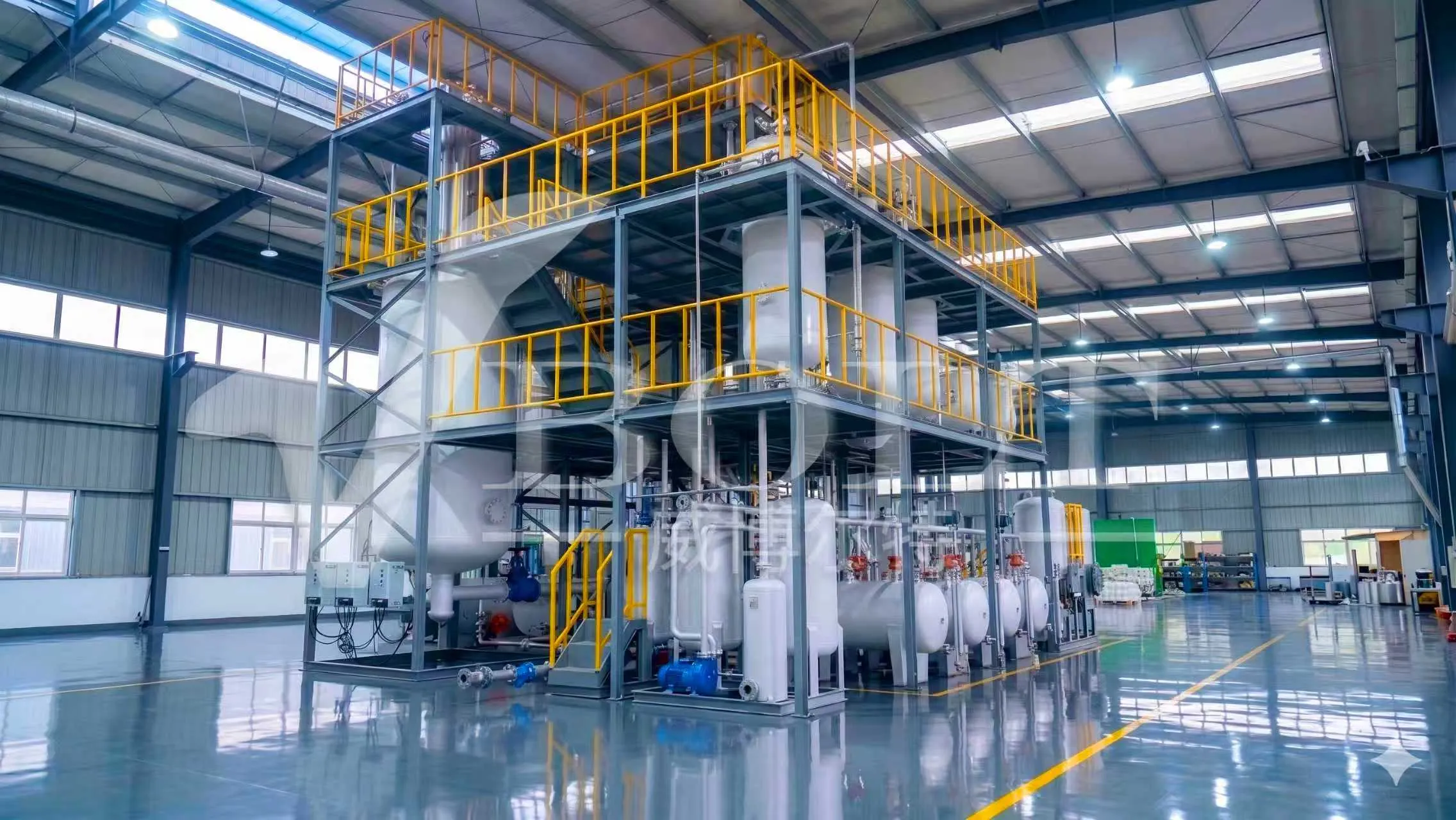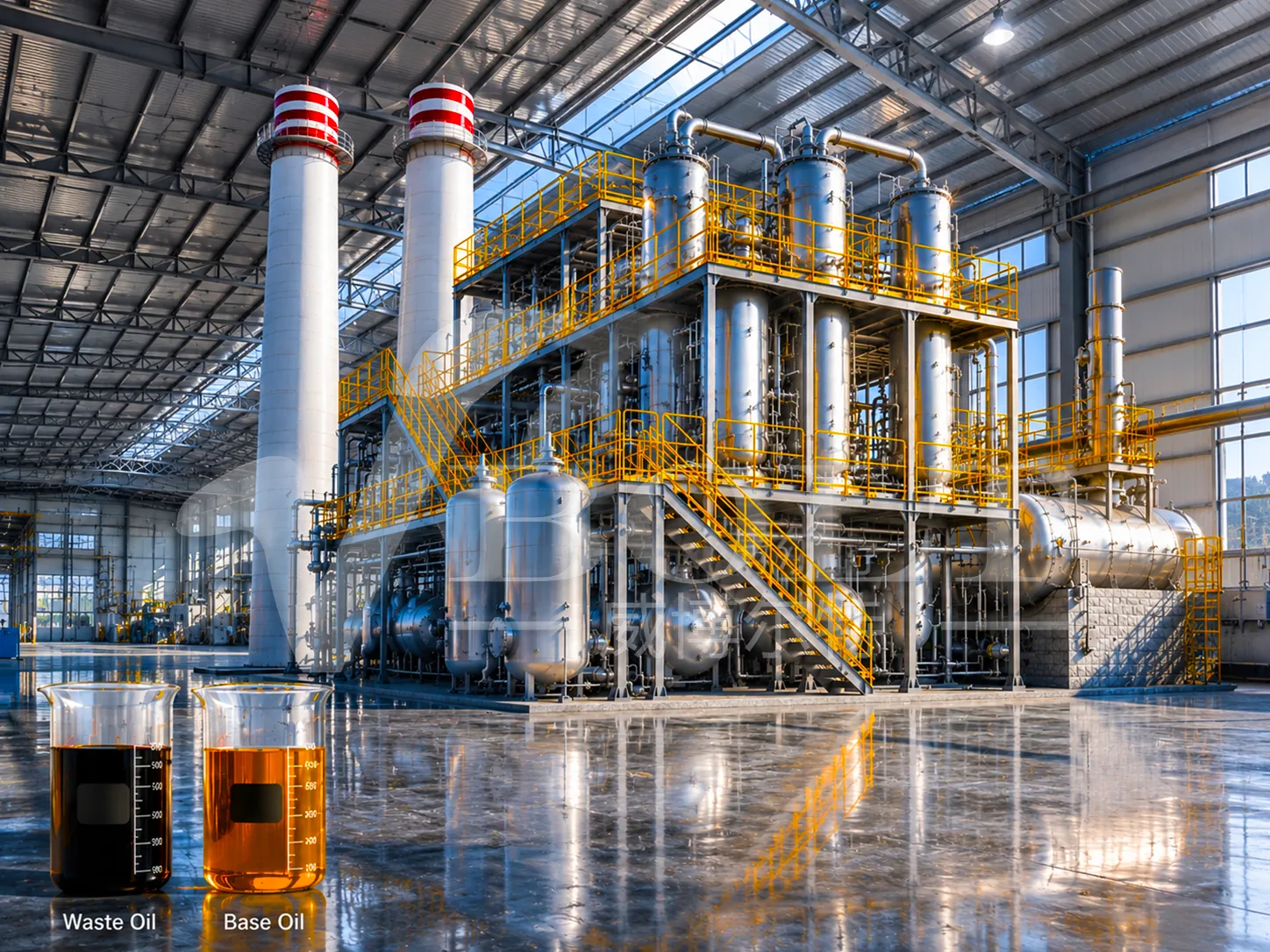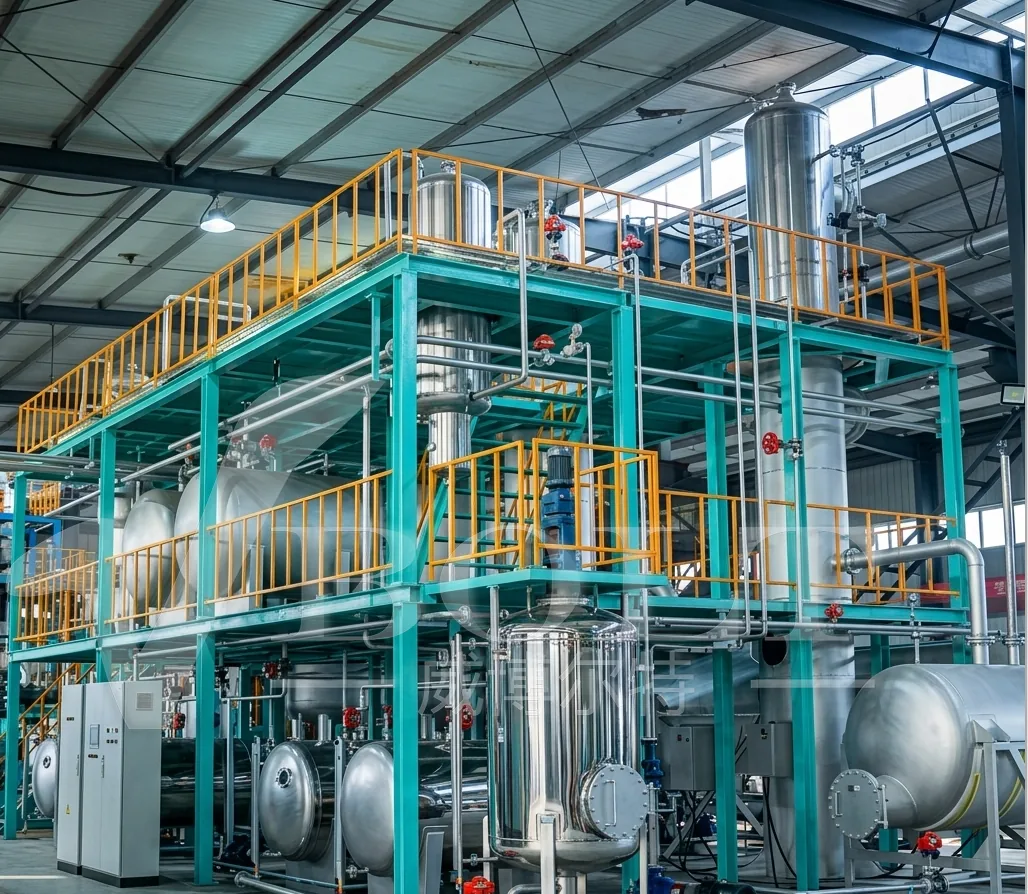





VBOLT oil recycling equipment installation and project engineering
HomeProductsWaste Oil Recycling PlantWaste Oil to Base Oil PlantMixed Waste Oil Re-Refining Plant

Mixed Waste Oil Re-Refining Plant

Waste Oil to Base Oil Plant
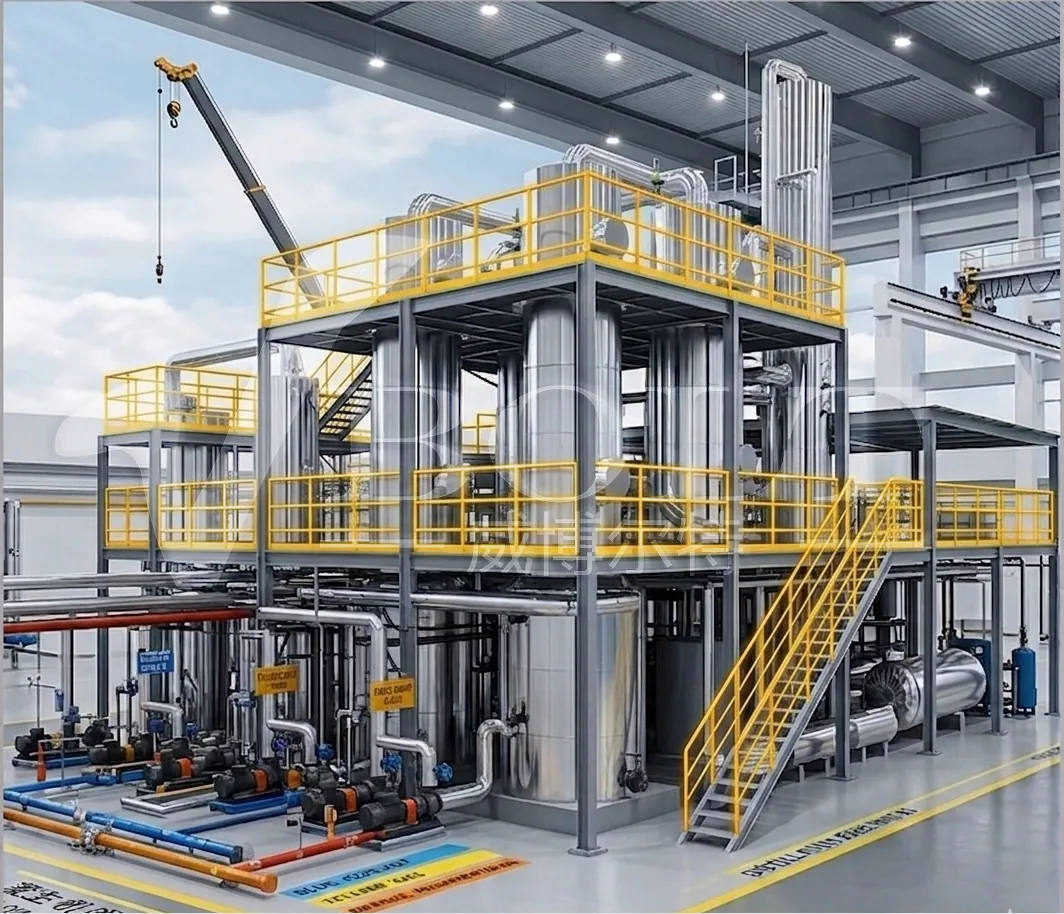
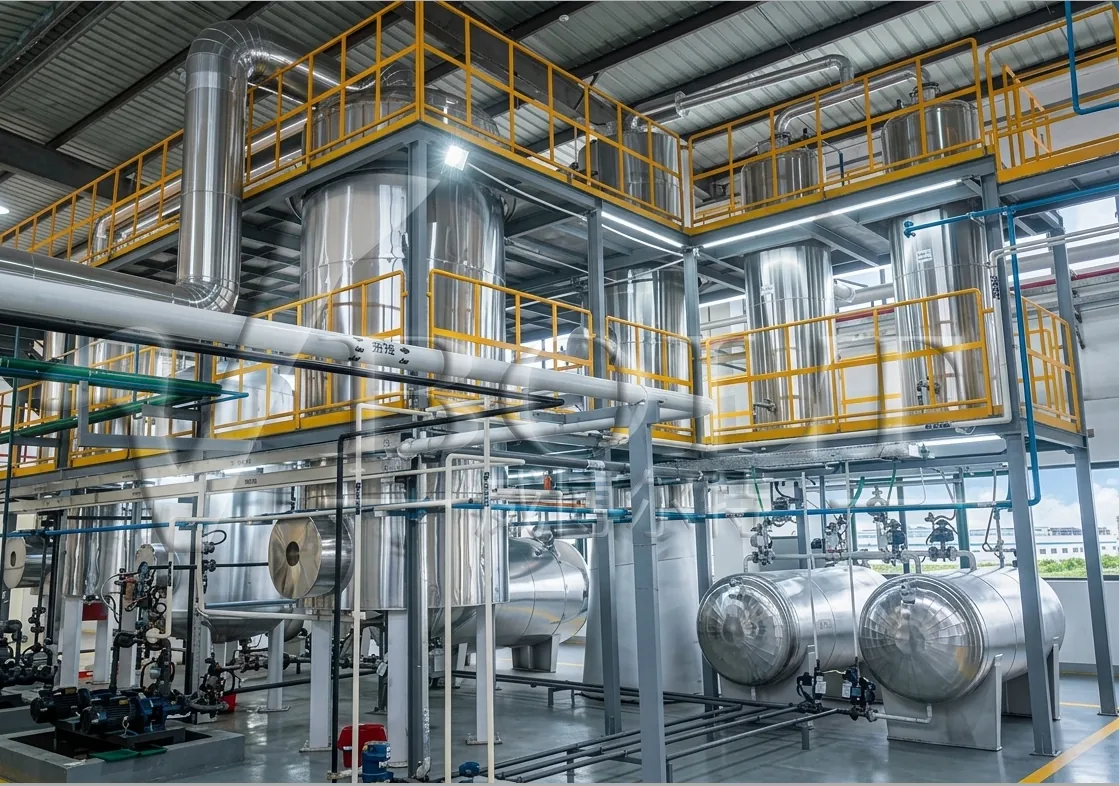
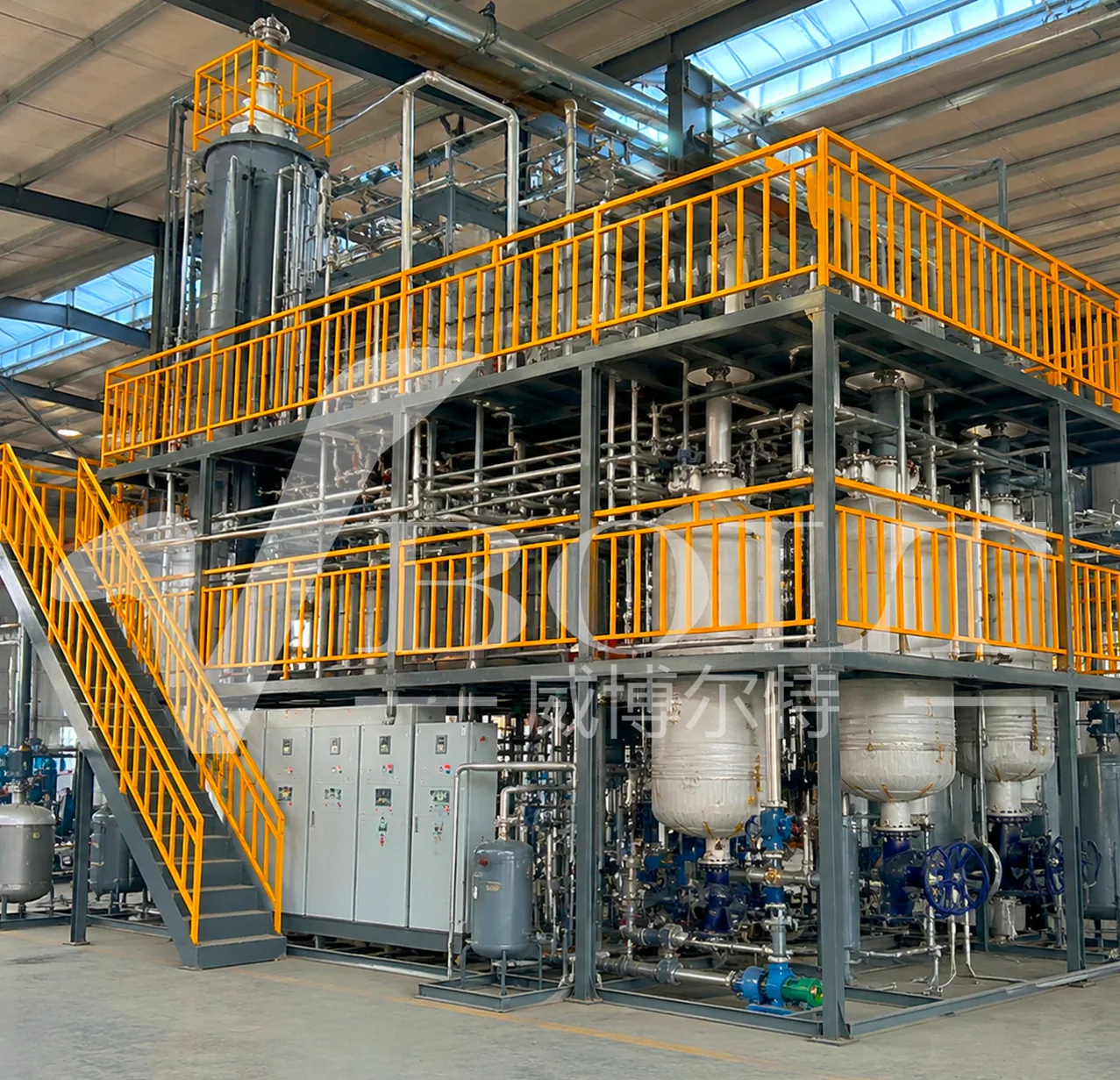
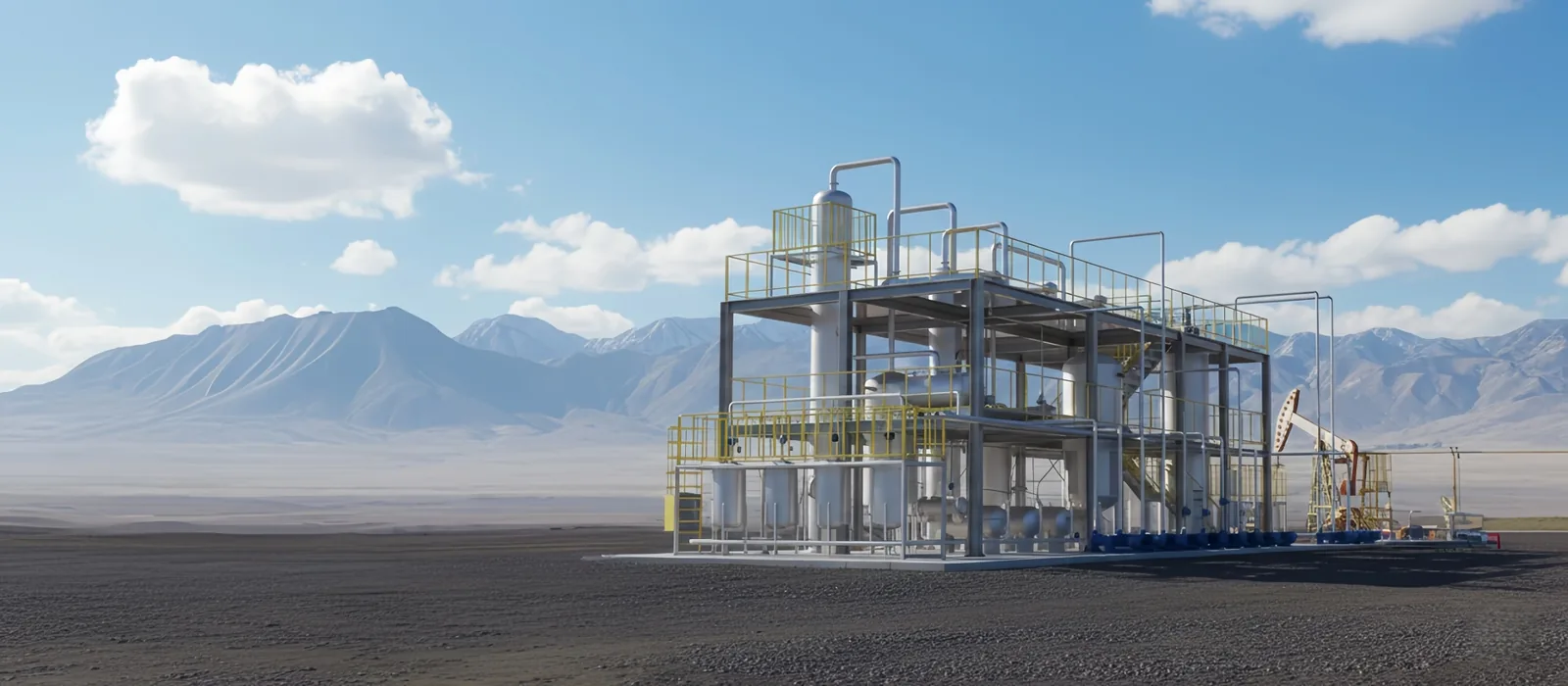
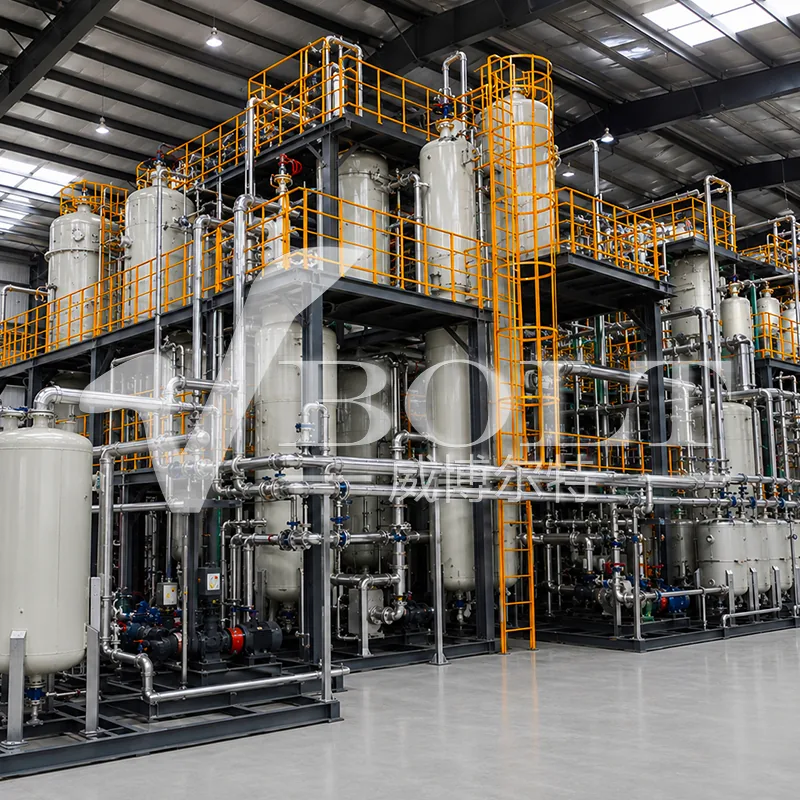
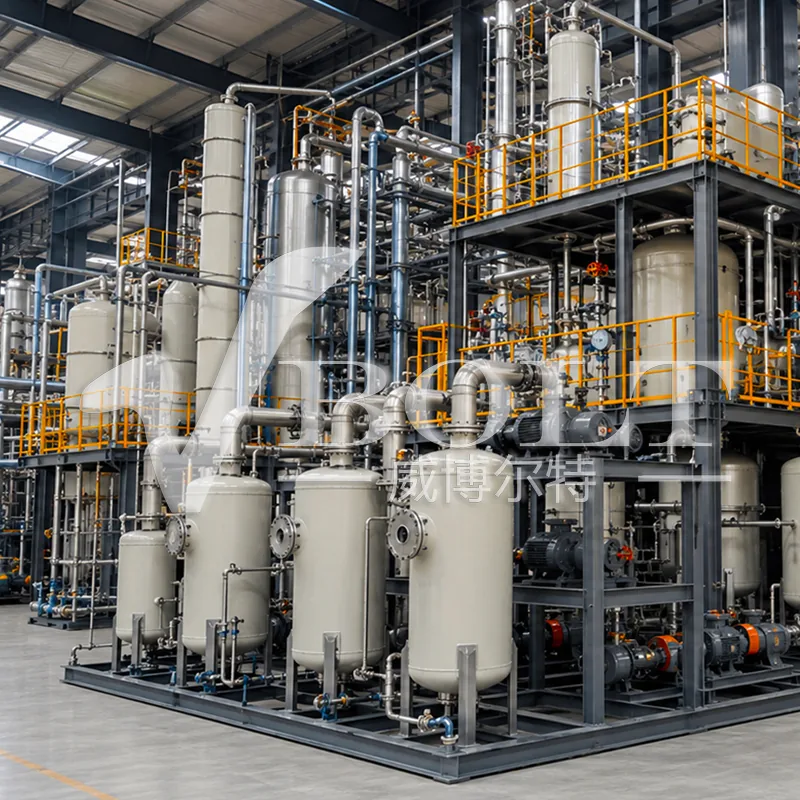
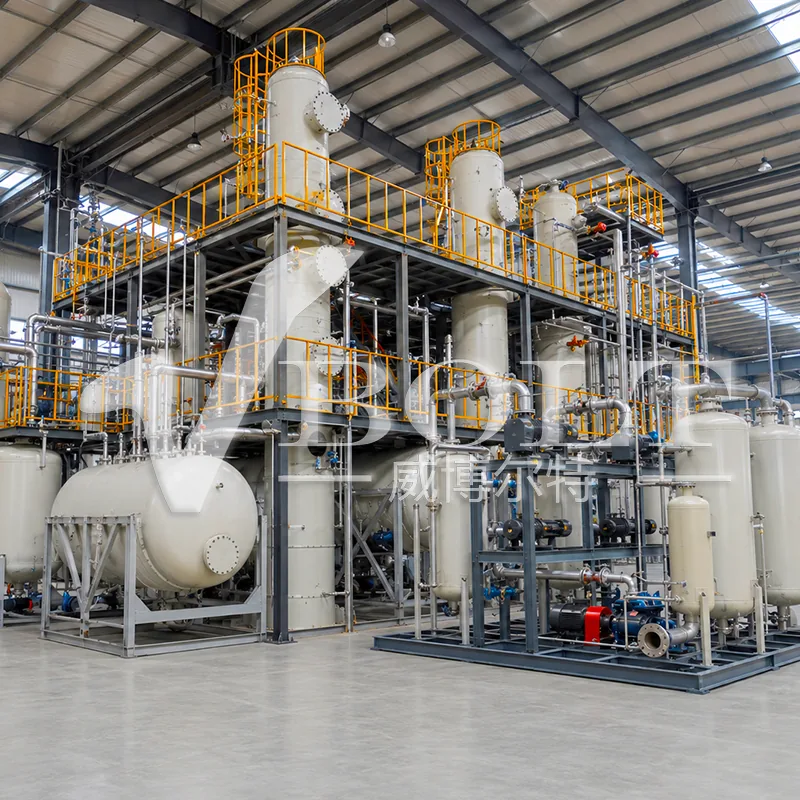
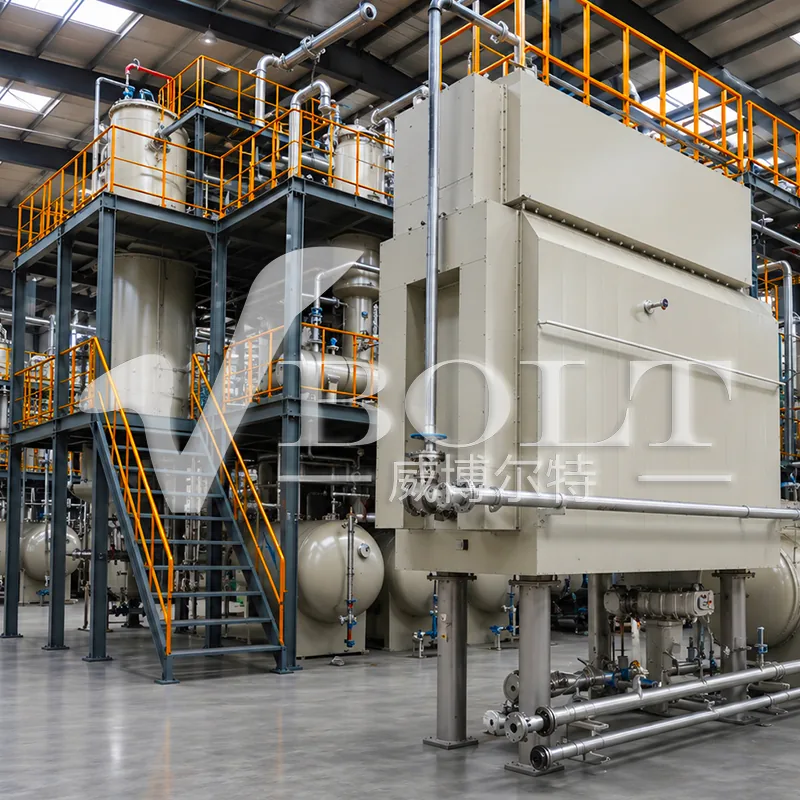
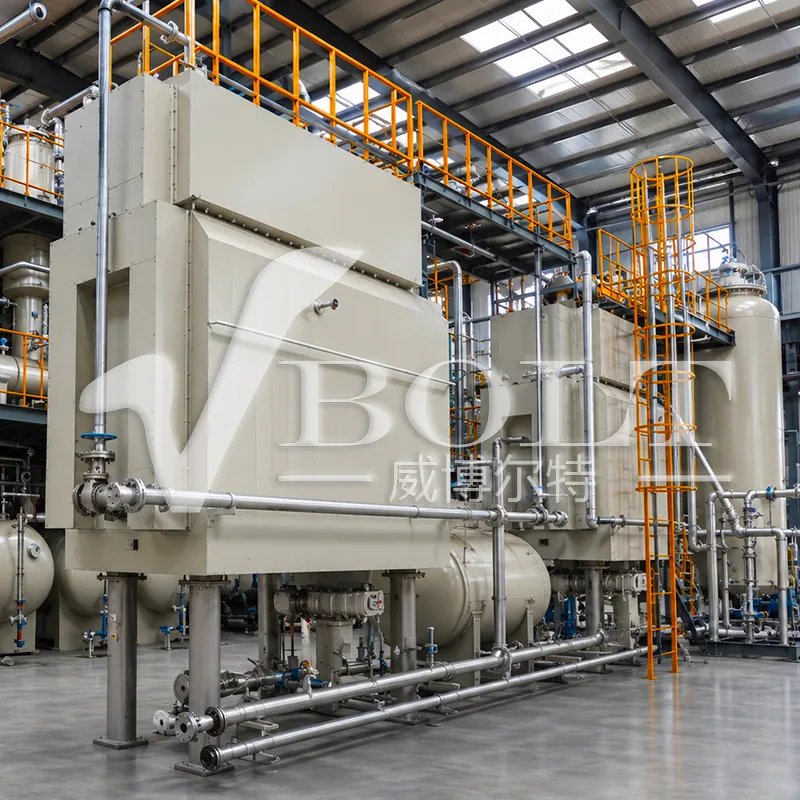
VBOLT mixed waste oil re-refining plant for tested lubricant-based feedstocks, combining pretreatment, vacuum distillation and project-specific finishing to recover base-oil fractions.

share:

View More Inquire Now

Efficient Solution for Converting Mixed Waste Oil into High-Quality Base Oil

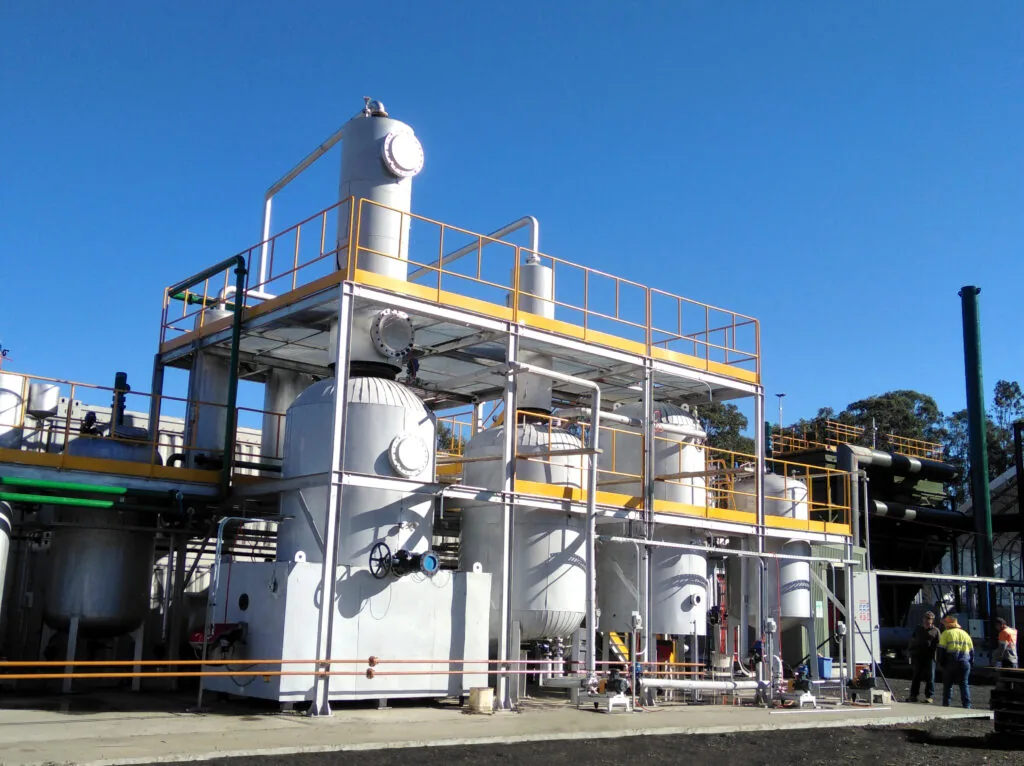
Mixed Waste Oil Re-Refining Plant is configured for tested, lubricant-based waste-oil blends. It combines pretreatment, vacuum distillation, and a project-specific finishing route to recover base-oil fractions.
Feedstock compatibility, achievable product quality, oil recovery, and permitted end use depend on laboratory analysis, process configuration, and local regulations.


▲ Applicable Raw Materials

This plant may process selected lubricant-based waste-oil streams after feedstock analysis confirms compatibility, including:

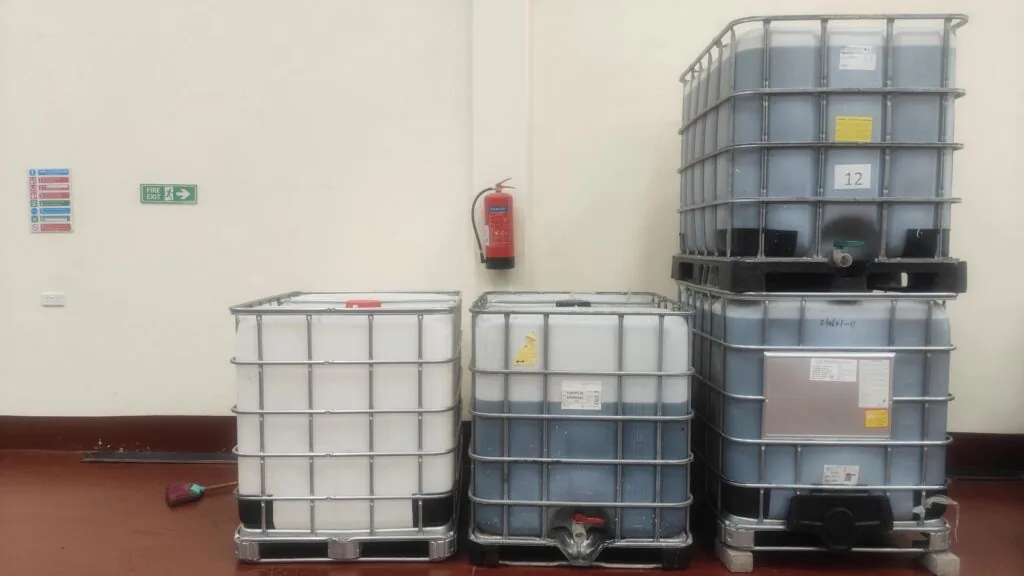
√ Tested mixed industrial lubricating oils
√ Contaminated lubricating oils
√ Used hydraulic, gear, machine, and transmission oils
√ Controlled blends with known composition
√ Recoverable oil from sludge only after separate pretreatment and laboratory evaluation

The system is engineered for variable feedstocks within an agreed design basis. Incompatible chemicals, excessive water, halogens, coolants, and unknown wastes require separate handling and evaluation.


▲ Final Products

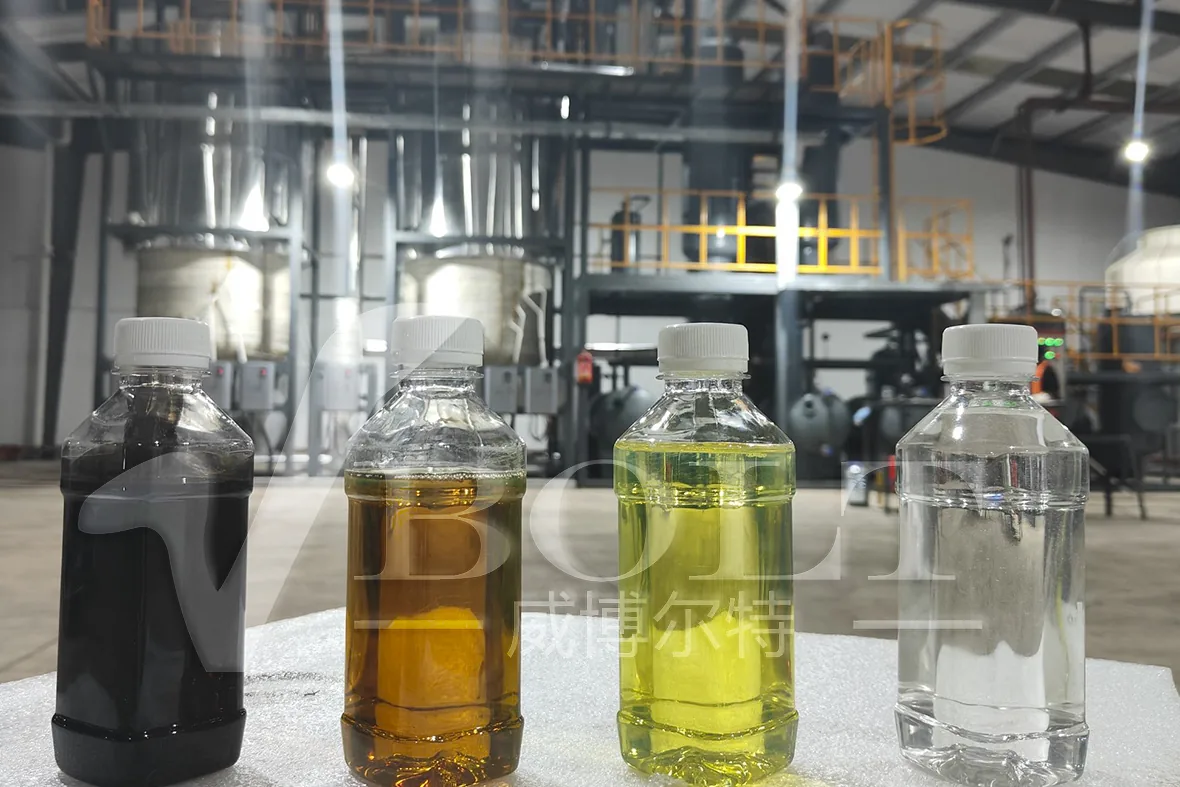
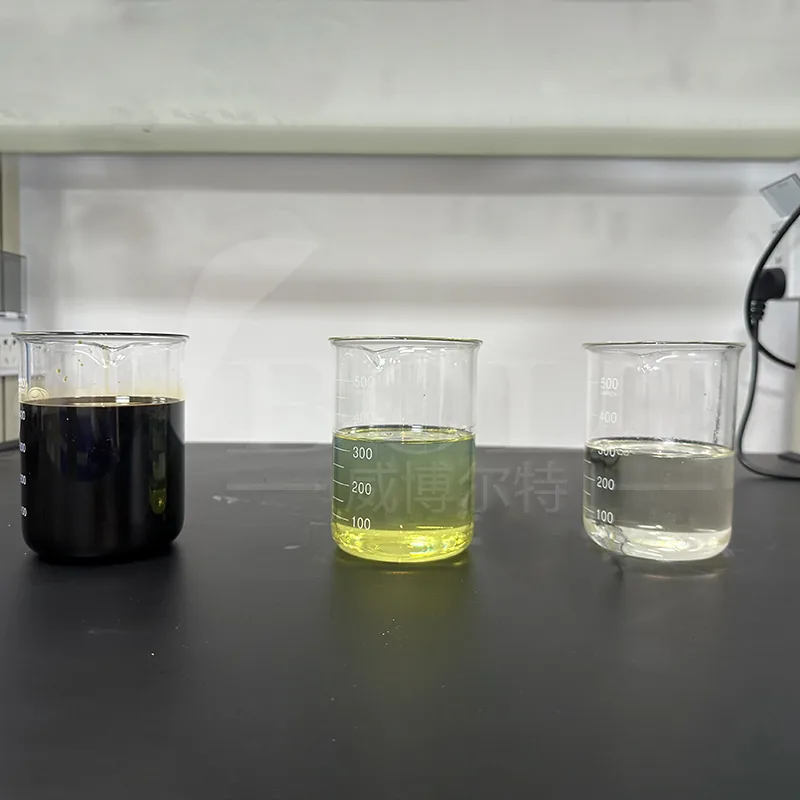
Depending on feedstock analysis and process configuration, potential product and by-product streams include:

√ Base-oil fractions requiring testing and, where specified, additional finishing
√ Light and fuel-range by-products where permitted
√ Water and low-boiling distillate
√ Non-distillable residue requiring compliant handling

Recovered base-oil fractions require laboratory testing and, where specified, additional finishing before lubricant blending or industrial use.


▲ Core Process Flow

The plant adopts a mature and efficient re-refining process:

• Pretreatment System

Removes water, impurities, sludge, and suspended solids from mixed waste oil to ensure stable downstream operation.

• Vacuum Distillation System

Separates valuable oil fractions under negative pressure and low-temperature conditions, improving oil quality while reducing thermal cracking.

• Purification System

Uses the selected finishing route to reduce targeted color bodies, sulfur compounds, and oxidation products. Achievable product properties must be verified by laboratory testing.

• Cooling & Collection System

Condenses refined oil vapors efficiently and collects different oil fractions separately.

• Exhaust Gas & Environmental Protection System

Treats process vapors and non-condensable gas according to the project configuration. Site permits and local emissions requirements remain project-specific.


▲ Plant Advantages

√ Wide Feedstock Adaptability

Supports selected, tested waste-oil blends within the agreed feedstock specification.

√ Defined Process Basis

The design basis links feedstock analysis, fraction targets, process conditions, and product testing; recovery and quality are project-specific.

√ Energy-Saving Design

The heat-integration package is configured to reduce avoidable fuel use and operating cost within the selected plant capacity.

√ Fully Automatic Control

PLC automatic control system simplifies operation and improves production stability.

√ Environmental Control Package

Includes configurable vapor, gas, residue, and wastewater control interfaces; the final site must comply with applicable local permits and regulations.

√ Customized Capacity Solutions

Available in different processing capacities according to customer production requirements.


▲ Typical Application Industries

This plant is widely used in:

√ Waste oil recycling companies
√ Environmental protection enterprises
√ Industrial waste treatment centers
√ Lubricant recycling facilities
√ Resource regeneration projects


▲ Why Choose Our Mixed Waste Oil Re-Refining Plant

We provide complete turnkey solutions including:

√ Process design
√ Equipment manufacturing
√ Installation guidance
√ Technical training
√ Commissioning support
√ After-sales service

With industry experience and ongoing process development, VBOLT supports feedstock evaluation, process selection, equipment delivery, commissioning, and long-term operation planning.


▲ Contact Us

Looking for a reliable solution for mixed waste oil recycling?
Contact us today for customized plant configuration, technical consultation, and project support.

  • Q
    What waste oil recycling systems does VBOLT supply?
    A

    VBOLT supplies project-specific equipment for re-refining suitable used lubricating oils into base oil fractions and for recovering diesel-range fuel fractions from used lubricating, mixed waste, or selected pyrolysis oils. Feed testing and target product specifications determine the required process.

  • Q
    What certification and compliance documents are available?
    A

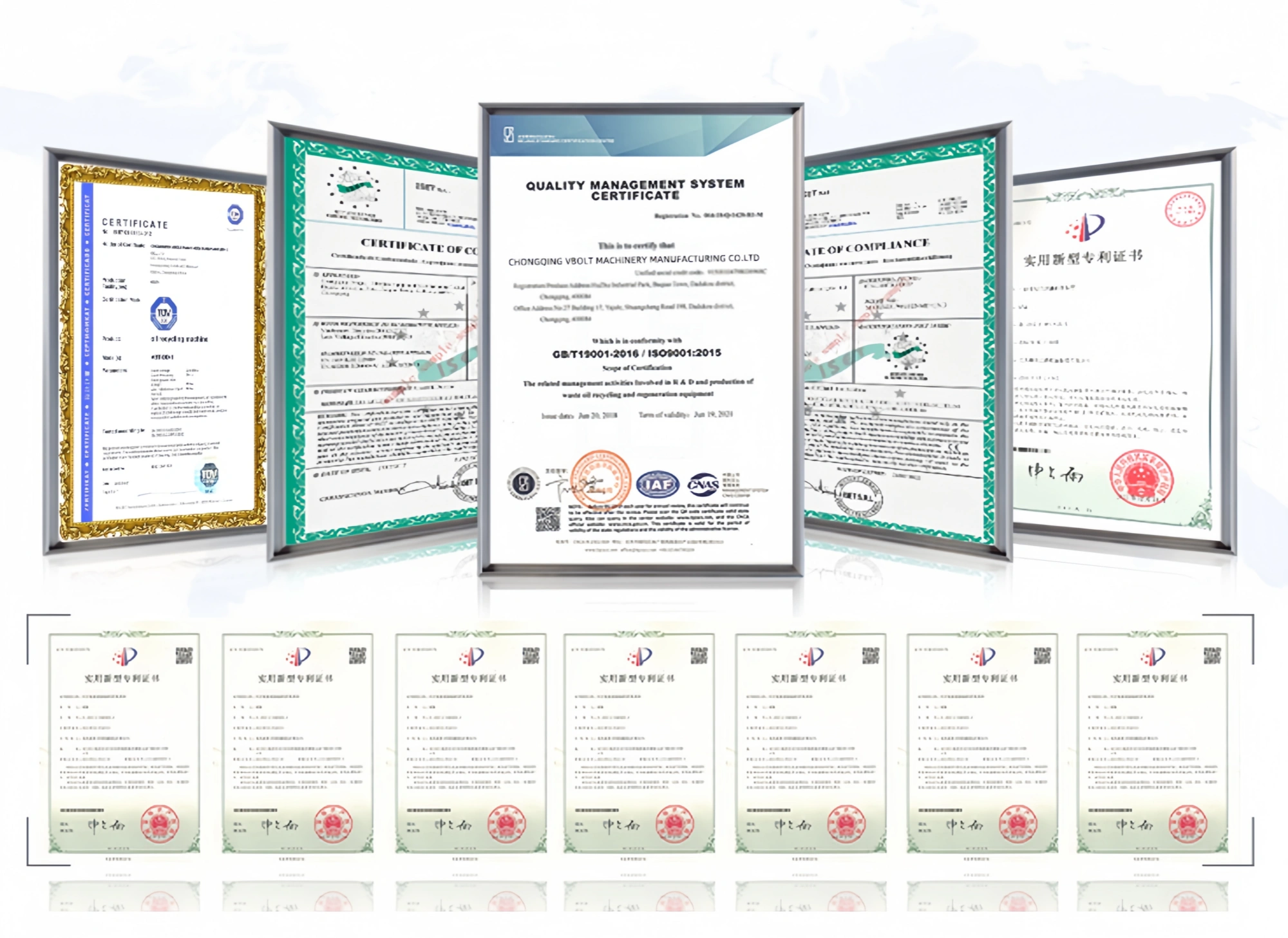
    Certification, declaration, patent, and company qualification documents are shown on the Qualifications page. Applicability depends on the equipment model, manufacturing scope, destination, and current validity; request the relevant documents for the proposed project before purchase.

  • Q
    What information is available about manufacturing capability?
    A

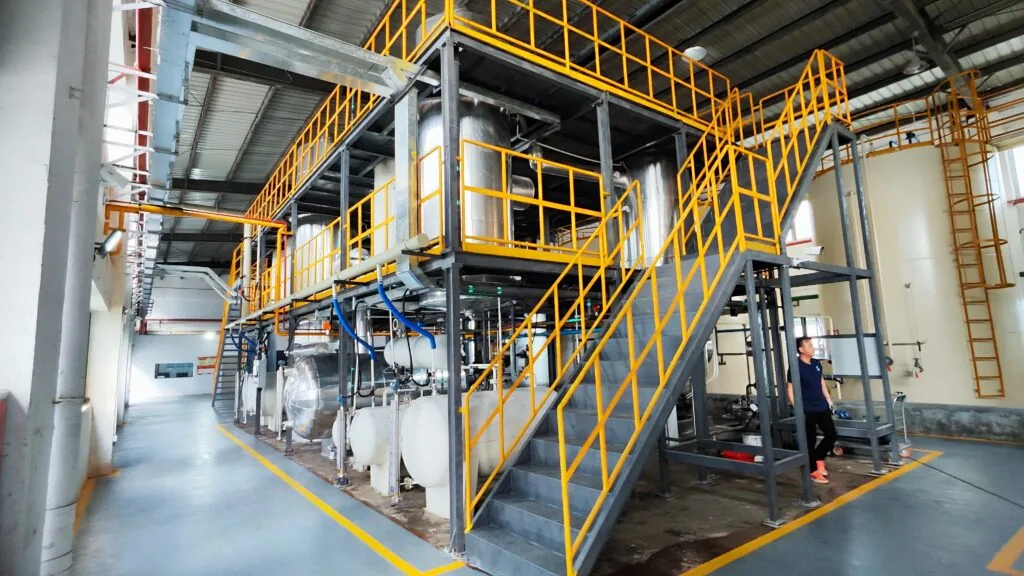
    VBOLT can provide company, workshop, fabrication, inspection, and project-reference information during technical review. Buyers should verify the proposed manufacturing scope, quality-control plan, inspection points, and any third-party requirements for their order.

  • Q
    What after-sales support is included?
    A

    Support scope can include remote troubleshooting, installation guidance, commissioning, operator training, spare-parts recommendations, and maintenance documentation. Response targets, travel, site services, exclusions, and warranty terms should be defined in the contract.

  • Q
    How is a project managed from inquiry to delivery?
    A

    Each project should progress through feed and product definition, process selection, technical clarification, scope confirmation, layout and utility review, manufacturing, inspection, shipment, commissioning planning, and final documentation. Responsibilities and acceptance criteria should be recorded in the proposal and contract.

  • Q
    How is equipment quality controlled during production?
    A

    Quality control should be defined by an agreed inspection and test plan covering material verification, fabrication, welding, assembly, pressure or leak tests where applicable, electrical checks, functional testing, documentation, packing, and release. Required standards and third-party inspection points must be confirmed for each order.

About Us

Chongqing Vbolt Machinery Co., Ltd. develops and manufactures equipment for used-oil recovery and industrial-oil treatment, including systems for producing diesel-range fractions, base-oil re-refining equipment and industrial-oil purification units. The suitable process and equipment configuration depend on feedstock testing, the target product and project requirements.

During technical review, buyers can request information about the company, workshop, fabrication, inspection, qualifications and project references. Applicable standards, quality-control plans, inspection points, documentation, supply scope and acceptance criteria should be defined in the proposal and contract.

Project support may include process clarification, layout review, installation guidance, commissioning assistance, operator training, spare-parts recommendations and maintenance documentation. Response targets, travel, on-site services, exclusions and warranty terms are confirmed for each order.

Technical Services

🔍

Pre-sales Service

Technical review may cover feedstock, target product, capacity, utilities, layout and preliminary operating assumptions.

  • Budgetary Scope: Preliminary equipment scope and operating assumptions for project evaluation.
  • Site Planning: Preliminary equipment footprint, utility interfaces and workshop layout requirements.
🛠️

After-sales Support

  • Installation & Commissioning: Remote guidance or on-site support can be included as defined in the contract.
  • Operator Training: Agreed training can cover process operation, safety, routine inspection and maintenance.
  • Spare Parts & Maintenance: Recommended spare-parts lists and maintenance documentation can be supplied with the equipment.
  • Technical Support: Response channels, service hours, travel, on-site work and exclusions are defined for each order.
  • Warranty Coverage, duration, exclusions and consumables are defined in the signed contract.
Representative laboratory fuel product test report

Successful Case

You May Also Like

Limited Resources Infinite Recycling

Empowering Industries with Innovation.

View More Contact Us Now

Home

Tel

Email

WhatsApp

Talk to an Expert