




When companies plan to build a waste oil recycling plant, cost is usually one of the first questions.
However, there is no standard price for a recycling plant. Each project requires a different configuration based on feedstock type, processing capacity, target output and installation conditions.
A reliable investment evaluation starts with understanding which factors affect equipment selection and what systems are actually required for the project.
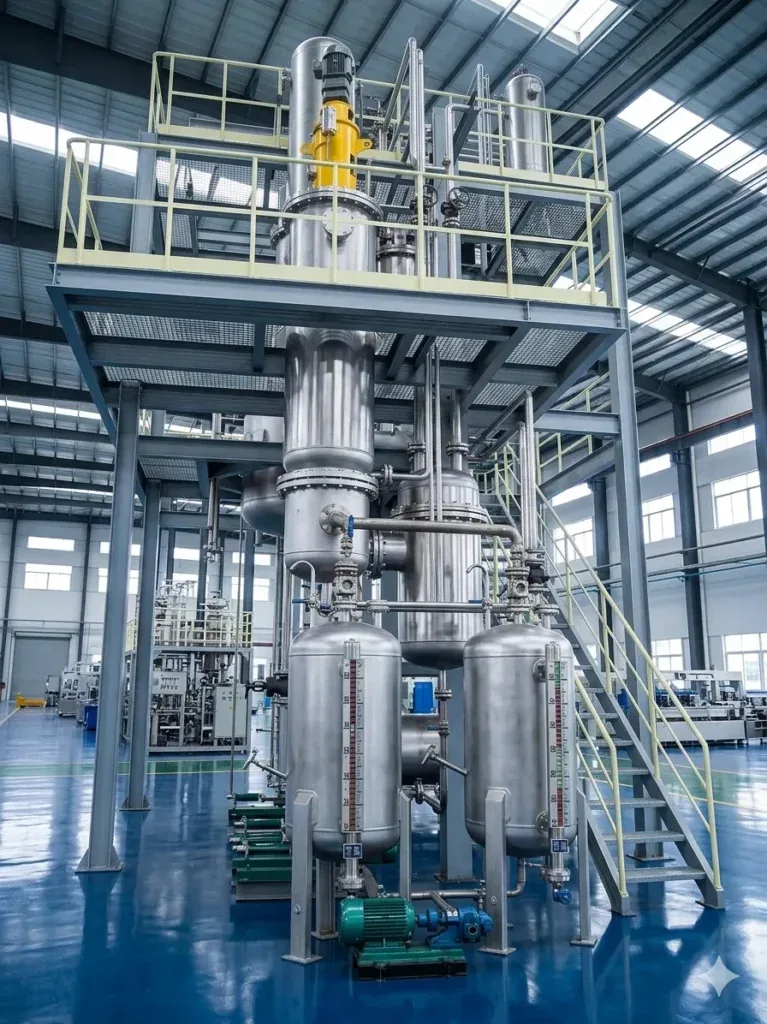
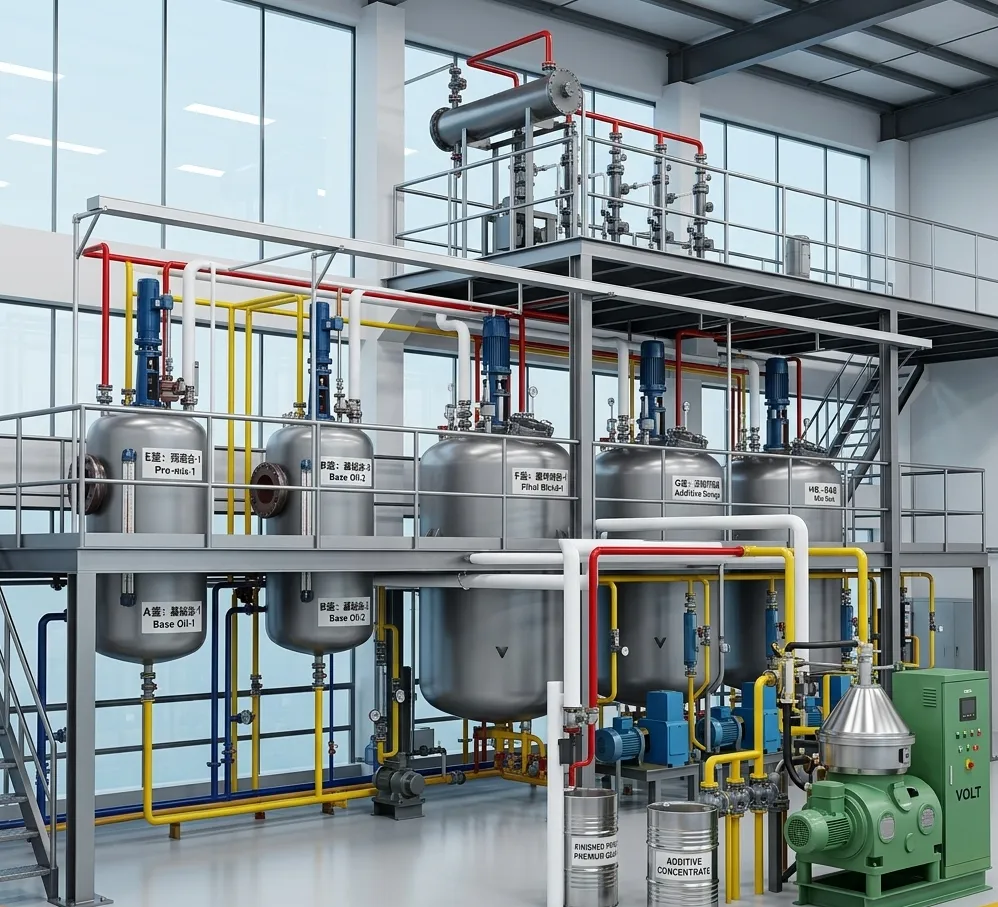
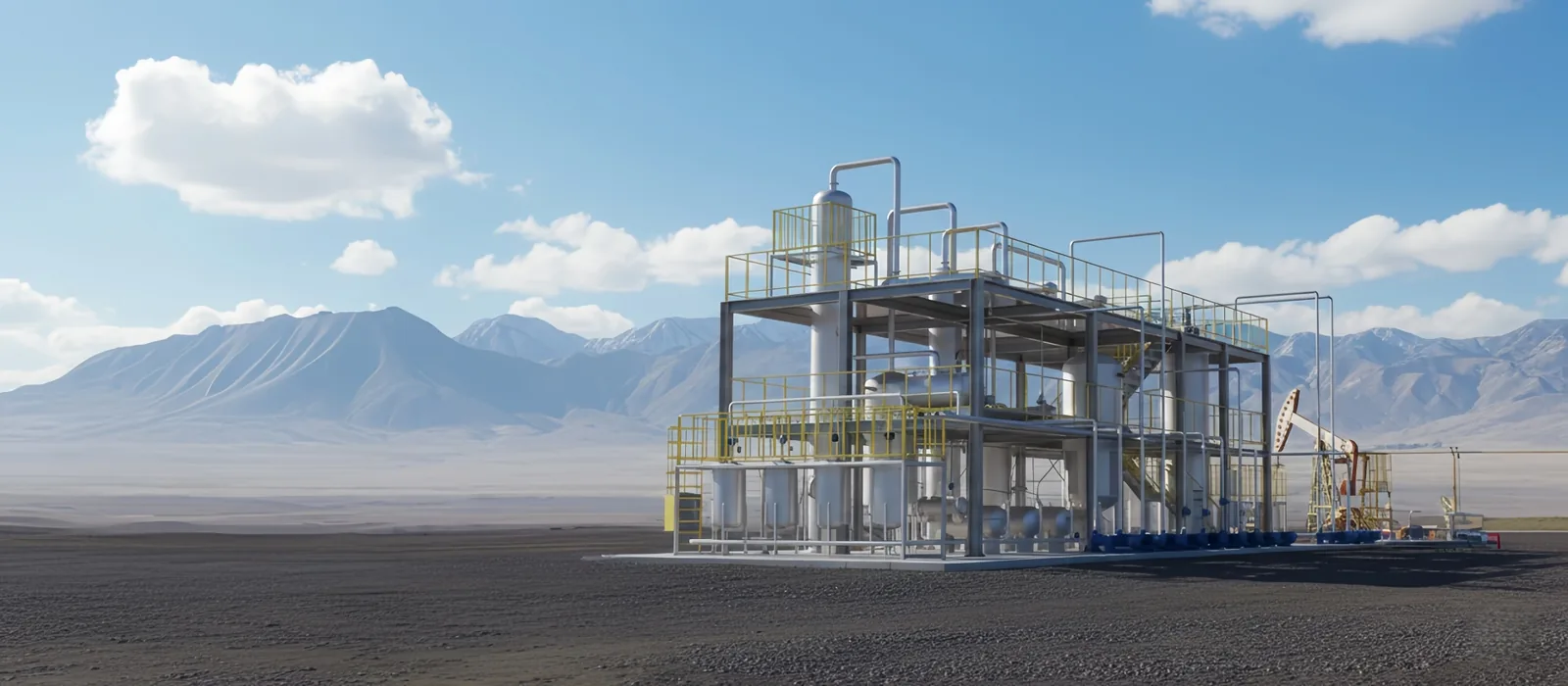
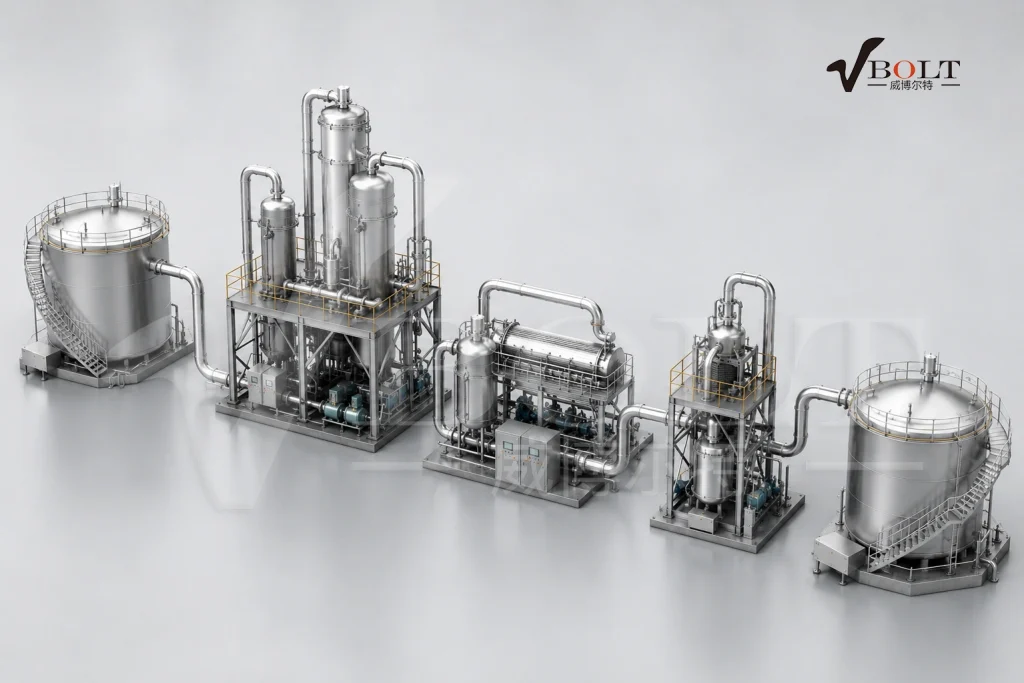
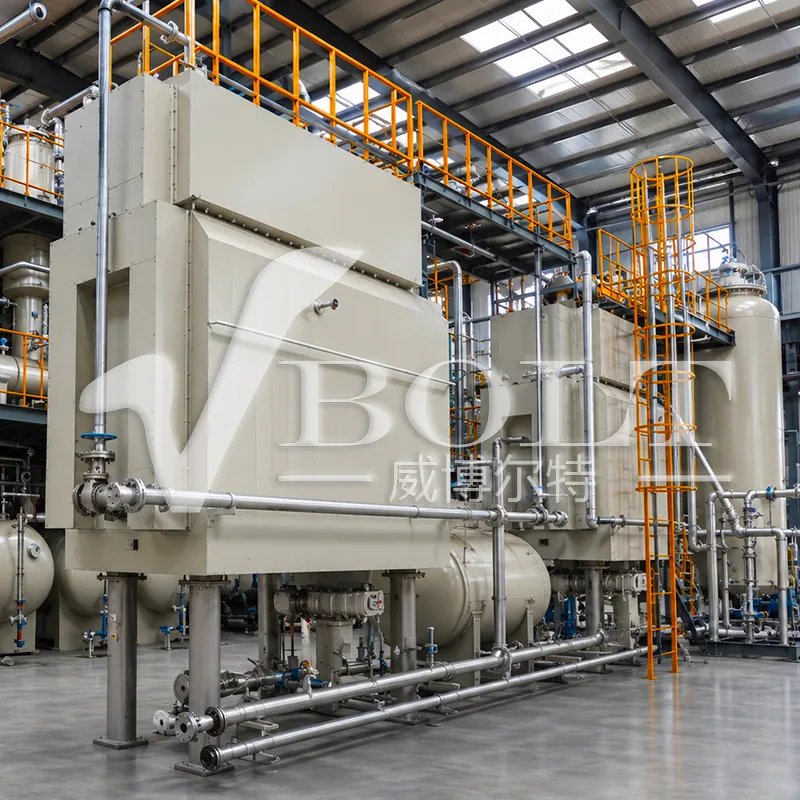
For different waste oil processing projects, VBOLT provides complete waste oil recycling equipment solutions including distillation, re-refining and purification-related systems.

Why Waste Oil Recycling Plant Cost Is Different for Every Project
A waste oil recycling plant is not a single machine. It is a complete processing system designed around the available feedstock, production goals and operating requirements.
| Cost Factor | Why It Matters |
|---|---|
| Feedstock Type | Different waste oils require different pretreatment and processing routes. |
| Processing Capacity | Plant capacity affects equipment size, heating systems, tanks and separation units. |
| Target Product | Diesel-type fuel recovery, base oil production and oil purification require different configurations. |
| Automation Level | Control systems and monitoring functions influence equipment complexity. |
| Installation Location | Shipping, utilities and local requirements affect the total project scope. |
Feedstock Type Has a Major Impact on Equipment Configuration
The first step in estimating a waste oil recycling project is understanding the available feedstock. Different oil sources may require different processing solutions.
Used Engine Oil and Lubricating Oil
Used engine oil and used lubricating oil are common feedstocks for recycling projects. Depending on oil condition and target output, they may be considered for diesel-type fuel recovery or other recycling routes.
Explore Waste Engine Oil to Diesel Plant →Mixed Waste Oil
Waste oil collection companies often receive oil from multiple sources. However, mixed waste oil should be evaluated before processing because water, sludge, additives and contamination can affect process design.
For suitable compatible mineral oil streams, VBOLT provides:
Explore Mixed Waste Oil Distillation Plant →Used Lubricating Oil for Base Oil Recovery
Projects targeting base oil recovery usually require more controlled feedstock conditions and deeper refining configurations.
Explore Used Oil Re-Refining Equipment →Processing Route Determines the Main Investment
The selected processing route is one of the most important factors affecting waste oil recycling plant investment.
Waste Oil to Diesel-Type Fuel Recovery
Suitable for selected used engine oil, used lubricating oil and compatible mineral oil feedstocks.
A typical configuration may include:
- Pretreatment system
- Heating system
- Distillation equipment
- Condensation system
- Product storage
Used Oil Re-Refining
Designed for controlled lubricant-based feedstock where the goal is recovering base oil fractions.
A re-refining system may include:
- Vacuum distillation
- Separation systems
- Refining modules
- Final filtration
Industrial Oil Processing Applications
Some industrial oils still have reuse value and may require purification or specialized treatment instead of direct conversion.
How Plant Capacity Affects Investment
Processing capacity is another important factor affecting waste oil recycling plant cost. However, a larger plant is not always the better choice.
The suitable capacity should match your actual waste oil supply, storage capability, production requirements and future expansion plans.
Before selecting plant capacity, companies should evaluate:
- Available waste oil volume: How much feedstock can be collected consistently?
- Operating schedule: How many hours per day will the plant operate?
- Feedstock stability: Are oil type and quality relatively consistent?
- Storage capability: Can sufficient feedstock be prepared before processing?
- Future expansion: Is additional processing capacity expected later?
Choosing the correct capacity helps avoid unnecessary investment while ensuring the plant can support long-term operation.
Equipment Configuration and Optional Modules
A waste oil recycling plant may include different equipment modules depending on the project requirements and target output.
Basic Processing System
- Feedstock storage tanks
- Pretreatment and filtration system
- Main processing unit
- Product storage tanks
- Transfer pumps and supporting systems
Additional Modules
Some projects may require additional equipment depending on feedstock conditions and final product requirements.
- Fine filtration systems
- Decolorizing systems
- Additional storage capacity
- Automation and monitoring systems
- Environmental control equipment
The correct configuration should be based on actual project requirements rather than adding unnecessary equipment.
Hidden Costs to Consider Before Starting a Project
Equipment cost is only one part of the total investment. Companies should also consider other factors during project planning.
Site Preparation
The installation site may require:
- Foundation preparation
- Equipment layout planning
- Storage area arrangement
- Piping and connection preparation
Utilities and Operating Requirements
Depending on the selected system, projects may need:
- Electricity supply
- Heating source
- Cooling water
- Other supporting utilities
Transportation and Installation
International projects may also include:
- Equipment transportation
- Installation support
- Commissioning assistance
- Operator training
Long-Term Operation Support
A complete project plan should also consider:
- Spare parts availability
- Maintenance requirements
- Operator training
- Future system upgrades
What Information Does VBOLT Need Before Providing a Proposal?
A reliable quotation requires more than knowing that you have "waste oil". The equipment configuration should match your actual feedstock and project goals.
Before recommending a suitable system, VBOLT normally reviews:
- Waste oil type and source
- Monthly or daily available quantity
- Oil condition and contamination level
- Target output product
- Required processing capacity
- Installation country and site conditions
- Available oil test data or samples
Providing accurate project information helps determine the suitable processing route, equipment configuration and investment range.
Request a Waste Oil Recycling Plant Evaluation
Send VBOLT your waste oil type, available quantity, target product and project location. Our team will evaluate the suitable processing route and equipment configuration for your investment plan.
Frequently Asked Questions
How much does a waste oil recycling plant cost?
The cost depends on feedstock type, processing capacity, target product, equipment configuration and installation requirements. Each project requires individual evaluation.
What is the biggest factor affecting waste oil recycling plant cost?
Feedstock condition and selected processing route are usually among the most important factors because they determine the required equipment configuration.
Is a larger waste oil recycling plant always better?
No. The correct capacity should match available feedstock, market demand and future expansion plans. Oversized equipment may increase investment without improving project performance.
Can VBOLT provide a complete waste oil recycling system?
Yes. VBOLT provides solutions for waste oil distillation, diesel-type fuel recovery, used oil re-refining and related oil processing projects.
Plan Your Waste Oil Recycling Project with VBOLT
Share your waste oil types, available volume, target product and installation location. VBOLT will help evaluate the suitable equipment configuration for your project.