




Upgrade Tire and Plastic Pyrolysis Oil Into Controlled Fuel Fractions
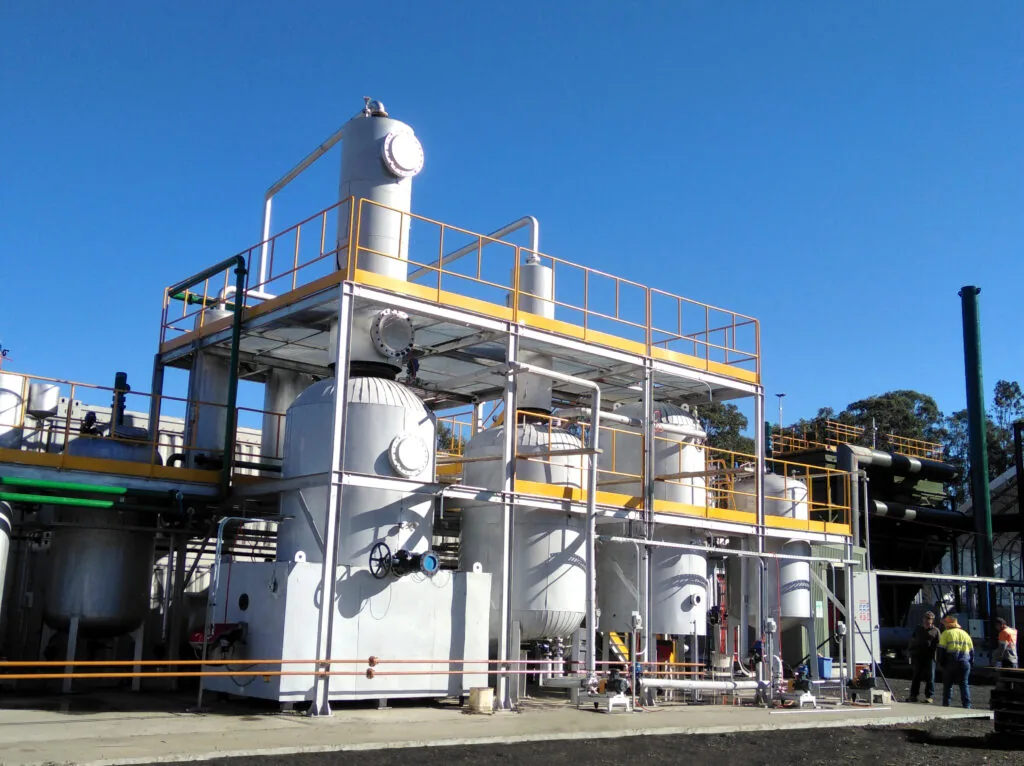
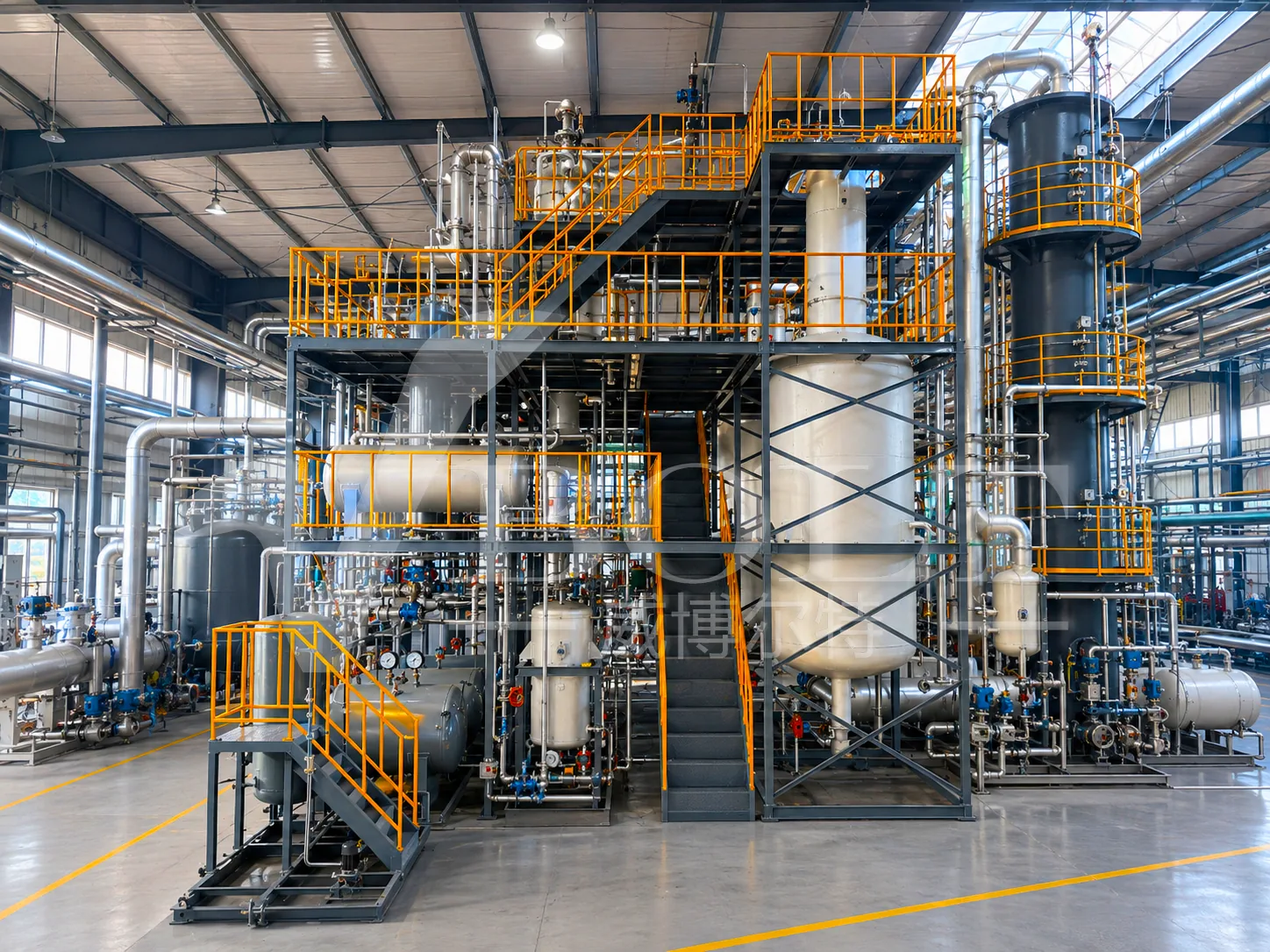
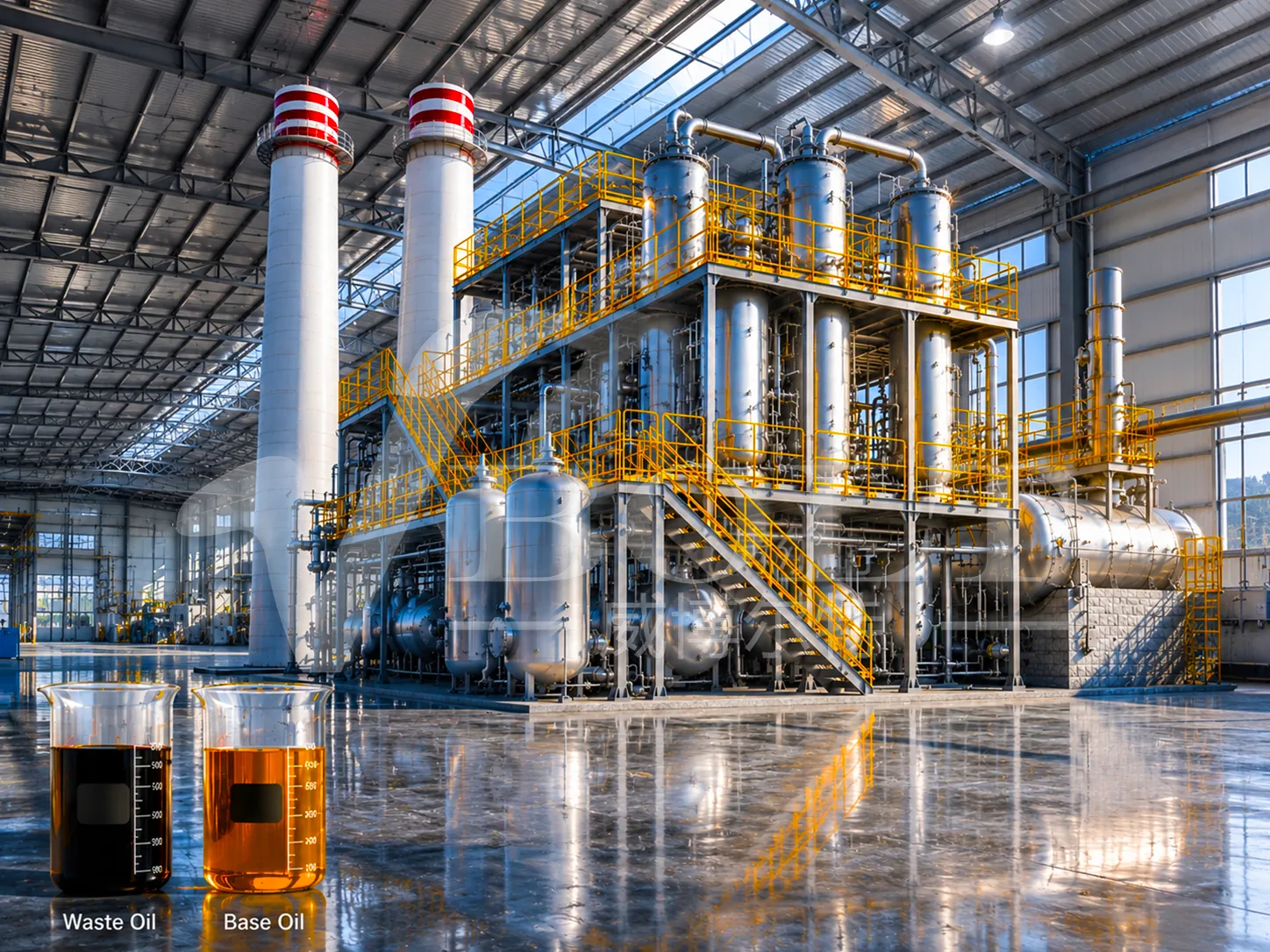
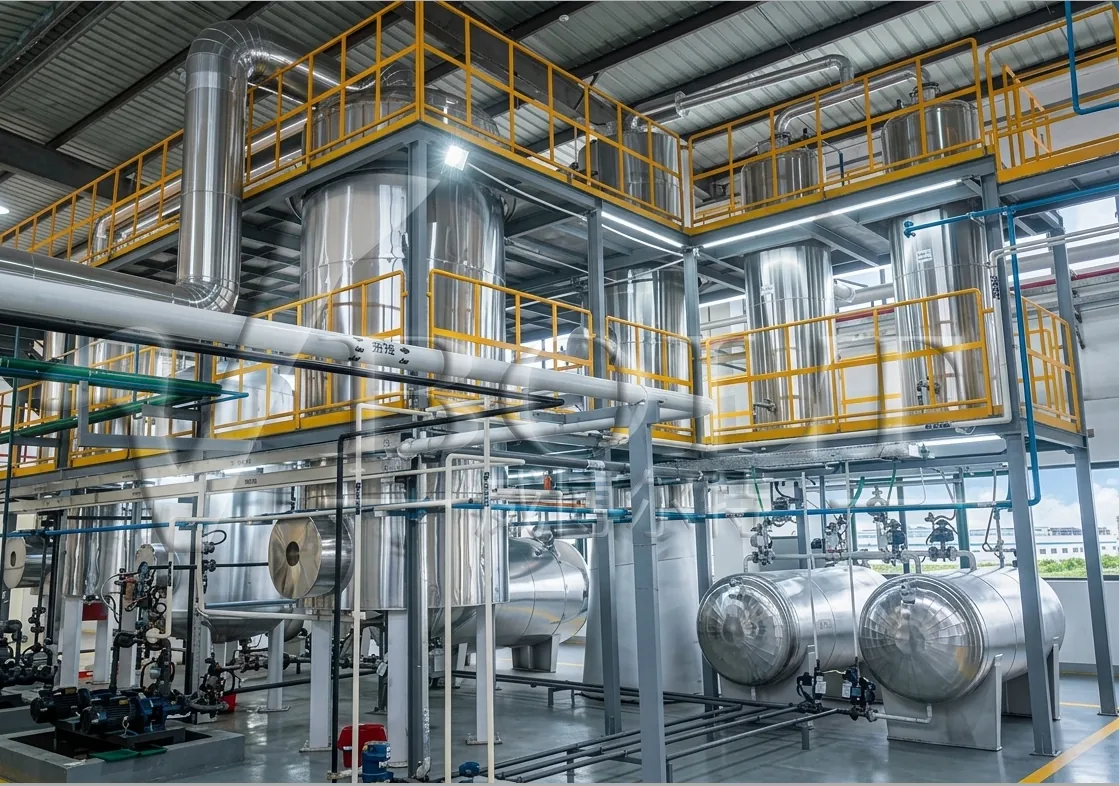
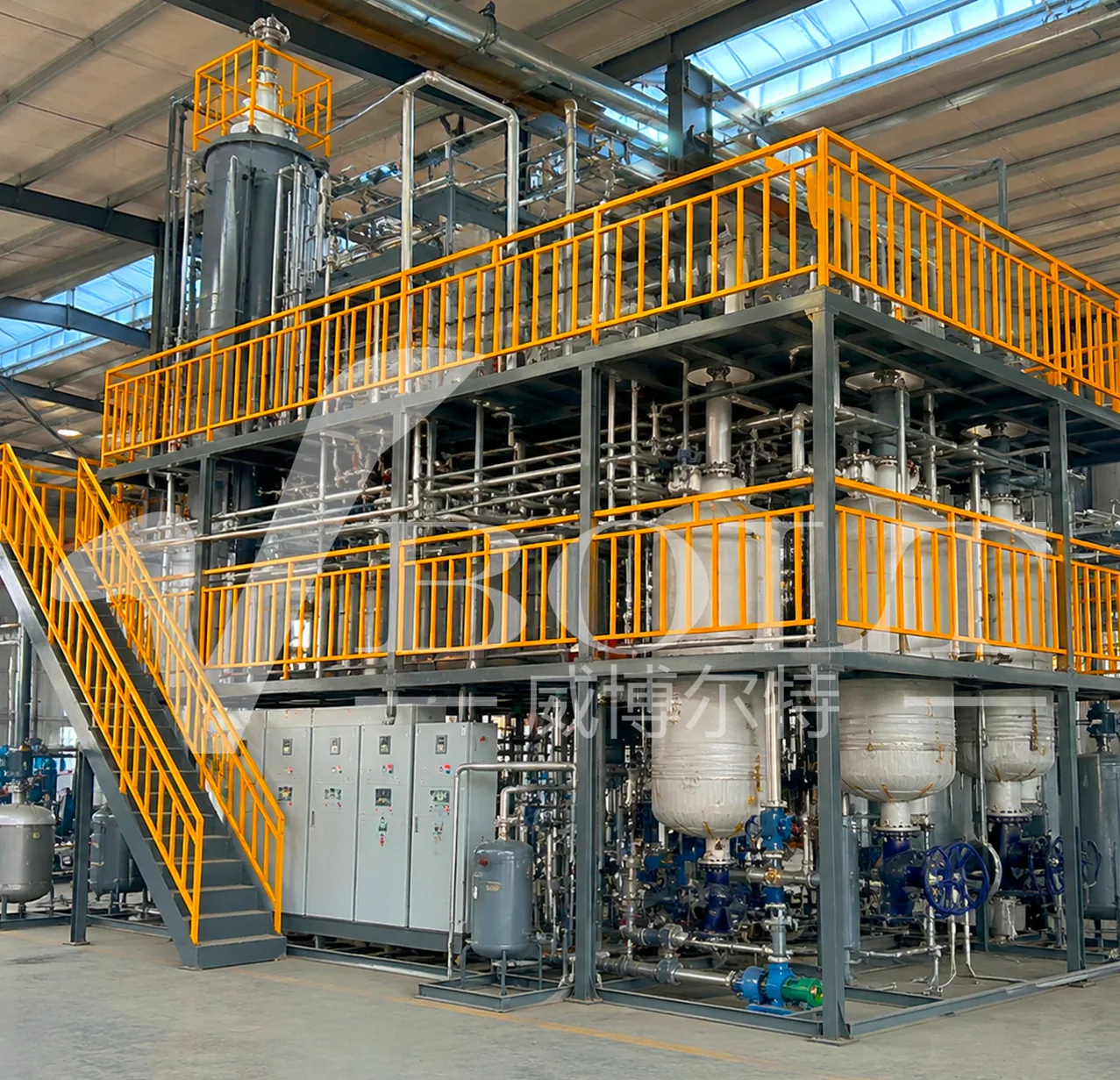
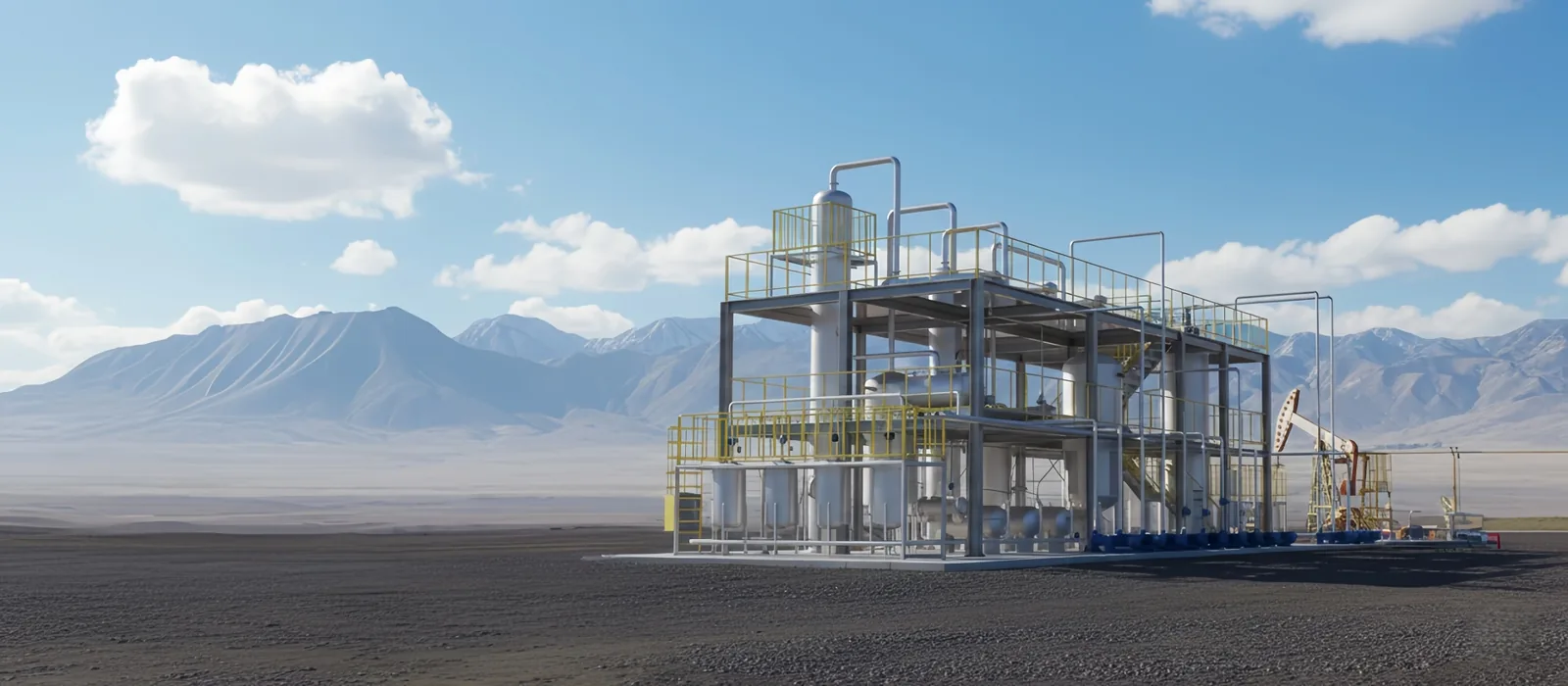
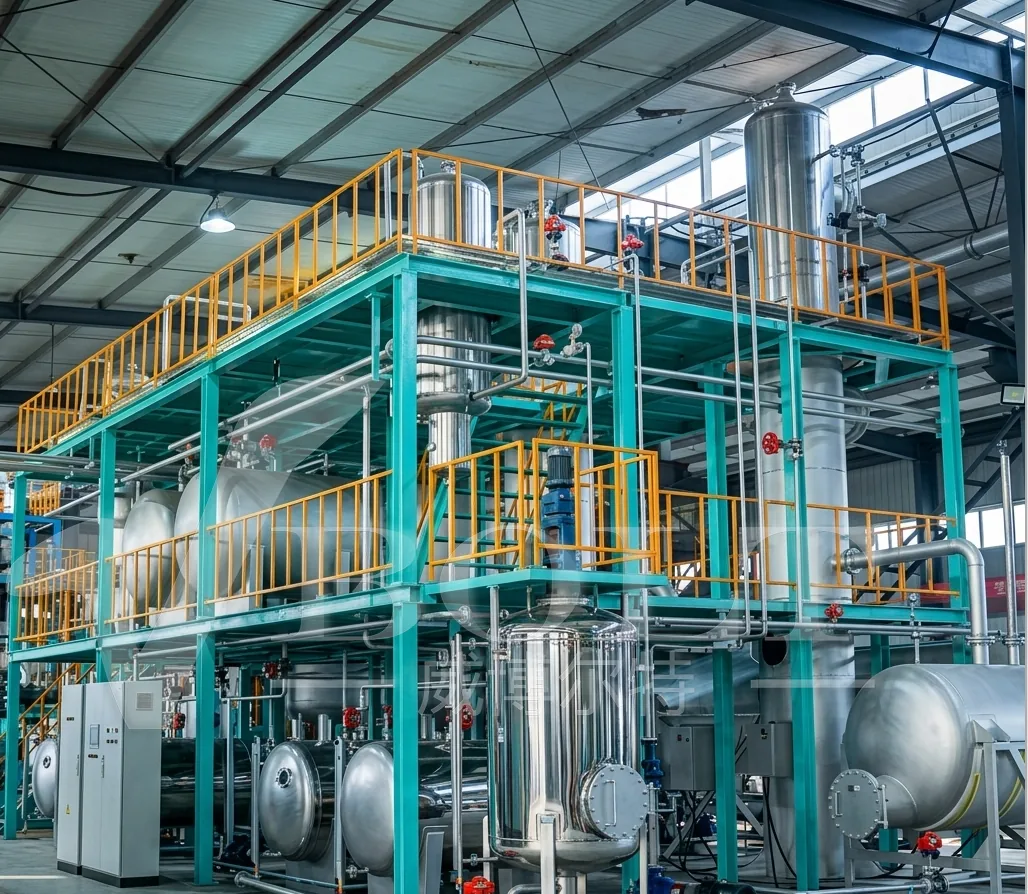
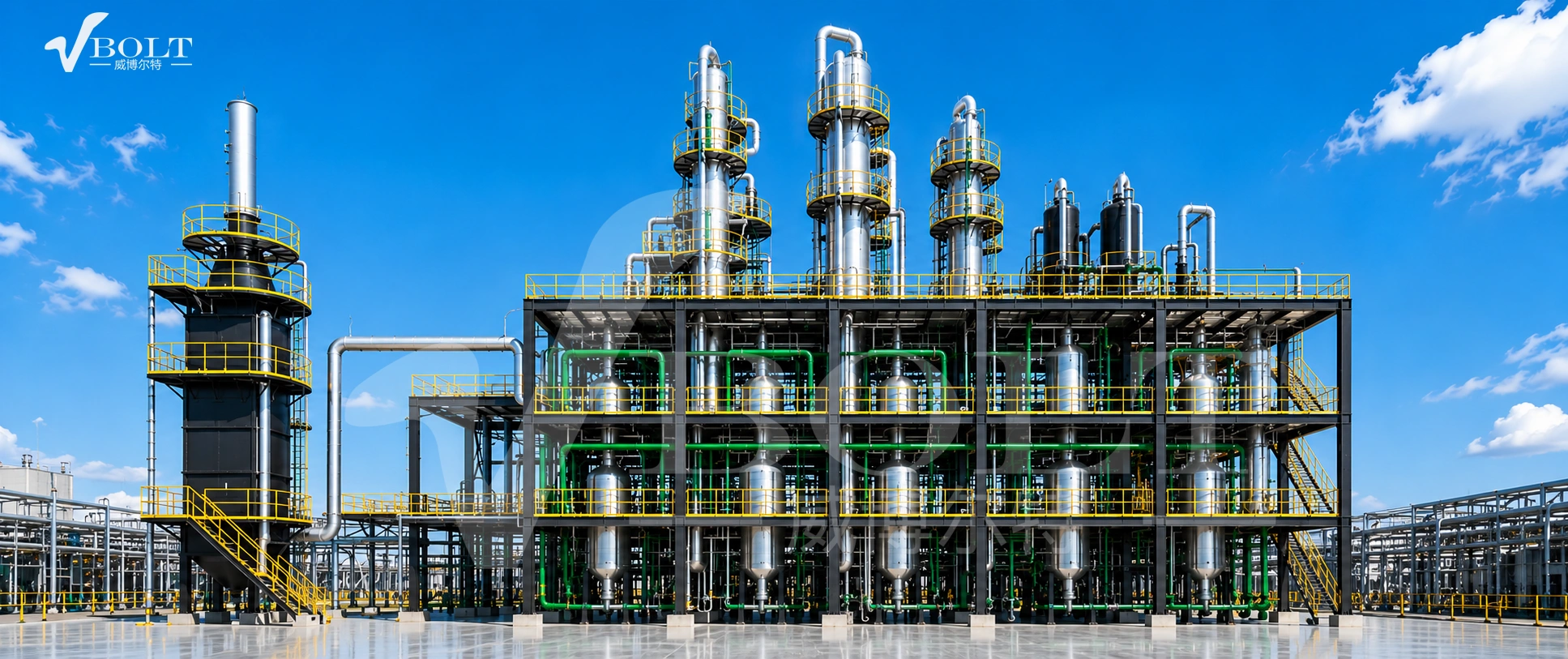
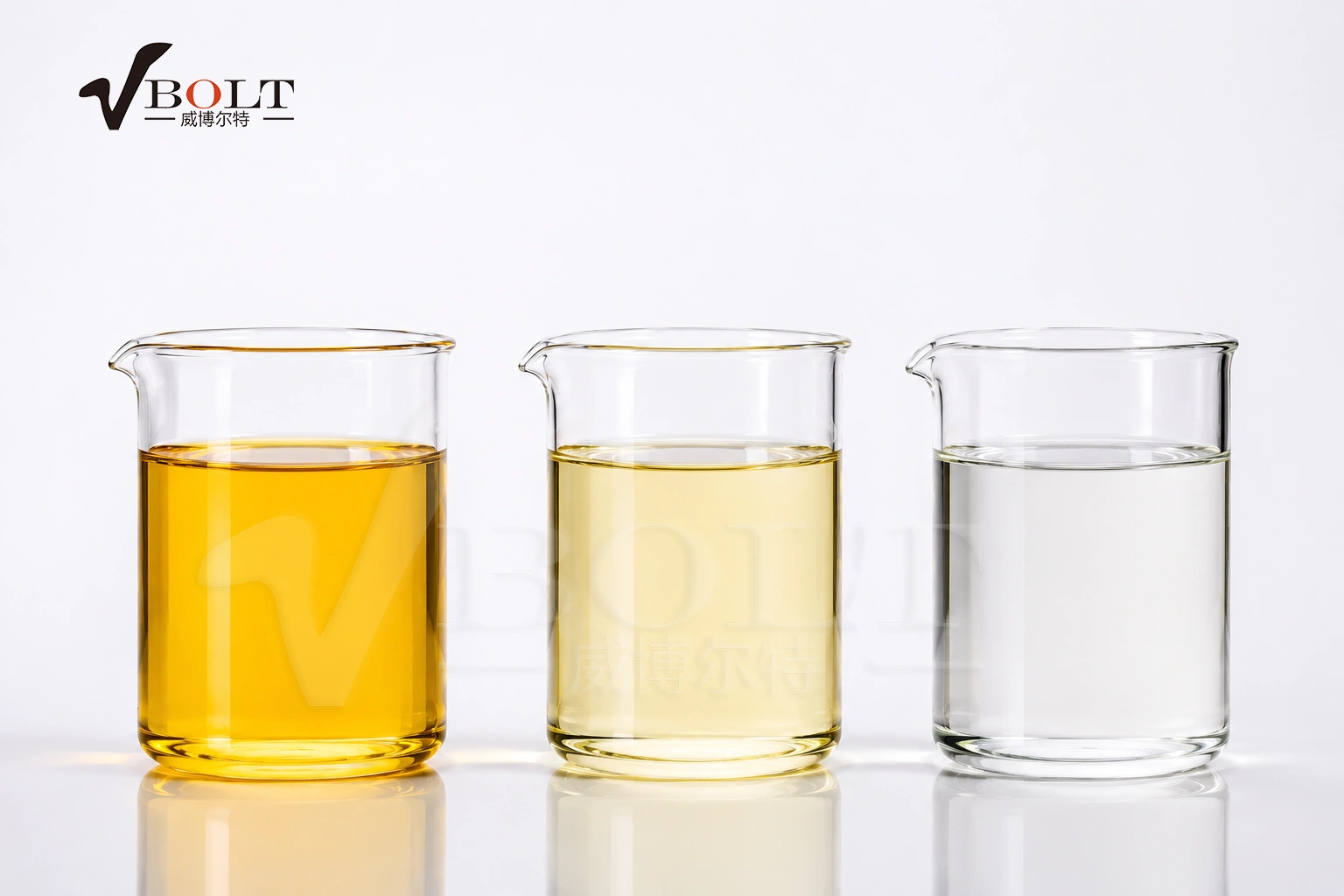
VBOLT's Pyrolysis Oil to Diesel Plant separates crude tire or plastic pyrolysis oil into controlled light, middle-distillate and heavy fractions through feedstock pretreatment, dehydration, vacuum distillation and configurable finishing. The middle fraction may be suitable as diesel-range industrial fuel after laboratory testing, but it is not automatically automotive diesel.
Feed composition varies with the pyrolysis feedstock and reactor conditions. Sulfur, chlorine, water, solids, acidity, olefins, gum-forming compounds and low flash point can affect equipment design, storage stability, emissions and the permitted end use. VBOLT therefore selects the process from representative samples and the buyer's target specification.
1. Project Application and Process Objective
The plant is designed to fractionate and condition pyrolysis-derived liquids for a defined industrial fuel market.
Main Processing Objectives
- Remove free water, sediment and coarse contamination
- Separate light, middle and heavy boiling-range fractions
- Improve consistency of density, viscosity and distillation range
- Apply polishing or contaminant-reduction steps where justified
- Produce fuel fractions against agreed laboratory limits
Suitable Project Types
- Tire pyrolysis plants with a stable oil stream
- Plastic pyrolysis projects with controlled feed composition
- Waste recycling companies adding fuel fractionation
- Licensed industrial fuel processors
- Integrated resource-recovery projects
- Industrial users with an approved fuel specification
2. Feedstocks and Acceptance Testing
Each feed stream requires review before it is accepted into the process.
Potential Feedstocks
- Waste tire pyrolysis oil
- Rubber pyrolysis oil
- Polyethylene and polypropylene pyrolysis oil
- Controlled mixed-plastic pyrolysis oil
- Pyrolysis oil blends approved by feed testing
- Other hydrocarbon liquids only after compatibility review
Recommended Feed Tests
- Water and sediment
- Density and kinematic viscosity
- Distillation curve and boiling range
- Flash point and pour point
- Sulfur and total chlorine
- Acid number, ash and carbon residue
- Metals, solids and filterability
- Storage stability and gum tendency where required
Unknown mixtures and streams containing excessive chlorine, incompatible chemicals or regulated contaminants must be isolated until a laboratory and regulatory review confirms the correct handling route.
3. Product Fractions and Intended Use
The available products depend on the feed analysis, selected cut points and finishing system.
Light Fraction
Low-boiling hydrocarbons are separated and collected in dedicated tanks. Their use or further treatment depends on flash point, composition and local volatile-organic-compound controls.
Diesel-Range Middle Distillate
The middle cut is a diesel-range fuel fraction. It may be considered for approved industrial burners, furnaces or boilers only after testing confirms that the fuel and the combustion equipment meet local requirements.
Heavy Fraction and Bottoms
High-boiling material, carbon, metals and unstable compounds are concentrated in the heavy stream and residue. These materials require sampling, contained storage and an authorized reuse or disposal route.
Distillation alone does not guarantee compliance with EN 590, ASTM D975 or another road-diesel specification. Engine, generator, marine and on-road use require full fuel testing, regulatory approval and confirmation from the equipment manufacturer.
4. Pyrolysis Oil Distillation Process
A typical process flow includes the following stages:
Step 1 - Sampling and Pretreatment
Incoming oil is sampled, segregated and filtered. Free water and sediment are removed before the oil enters the heated process section.
Step 2 - Dehydration and Light-Ends Removal
Controlled heating removes residual water and the lowest-boiling components. Condensed streams are collected separately for testing and compliant management.
Step 3 - Vacuum Distillation and Fractionation
Reduced pressure allows the required hydrocarbon fractions to be separated at lower temperatures. The fractionation and condensation system directs light, middle and heavy cuts to separate receivers.
Step 4 - Configurable Finishing
Filtration, adsorption, deodorization or a suitable desulfurization process may be added when feed tests and the product target justify them. The selected step must include chemical handling, recovery and waste-management requirements.
Step 5 - Product Testing and Storage
Each product fraction is tested before release to a dedicated storage tank. Off-specification material is held for reprocessing or managed under the approved quality plan.
Step 6 - Process Gas and Residue Management
Non-condensable process gas may be recovered in a closed fuel-gas system where the design and permit allow it. Excess gas, wastewater and heavy residue require controlled treatment, monitoring and disposal.
5. Fuel Quality and Release Testing
Product release should be based on the intended market and a documented test plan.
| Test Area | Why It Matters |
|---|---|
| Distillation range, density and viscosity | Defines the usable fuel fraction and handling behavior |
| Flash point and storage stability | Affects safe storage, transport and fuel aging |
| Sulfur, chlorine, ash and metals | Affects emissions, corrosion, deposits and legal use |
| Water, sediment and carbon residue | Affects filtration, burners and maintenance |
Additional tests such as cetane index, lubricity, cold-flow properties and compatibility may be required for an engine-related application. The buyer is responsible for confirming the applicable standard and permitted use in the installation country.
6. Core Technical Features
Controlled Vacuum Fractionation
- Lower separation temperature than comparable atmospheric operation
- Adjustable product cut points
- Separate collection of light, middle and heavy streams
- Reduced risk of uncontrolled thermal cracking
Heat Integration
- Feed preheating options
- Heat recovery matched to the operating schedule
- Insulated hot-oil and vapor lines
- Utility consumption defined during engineering
Automation and Safeguards
- PLC control with operating-data monitoring
- Temperature, pressure, vacuum and level alarms
- Emergency shutdown and pressure protection
- Electrical and fire-safety design for the installation site
Controlled Environmental Systems
- Closed condensate collection
- Process-gas handling
- Wastewater segregation
- Contained heavy-residue discharge
7. Capacity and Configuration
Throughput is selected from the verified feed supply, operating hours, distillation curve, target cuts and site utilities.
| Selection Factor | Required Project Input |
|---|---|
| Feed availability | Average and peak daily pyrolysis oil volume |
| Feed quality | Water, solids, sulfur, chlorine and distillation profile |
| Product target | Required fuel fractions and acceptance limits |
| Operating basis | Hours per day, days per year and planned maintenance |
Batch, semi-continuous or continuous operation can be evaluated. Nameplate capacity is confirmed after material-balance calculations, heat-duty review and equipment sizing.
8. Product Recovery Factors
No single diesel-range yield applies to every tire or plastic pyrolysis oil. A project estimate must state the tested feed basis and product cut specification.
| Feed or Process Factor | Effect on Product Recovery |
|---|---|
| Water, solids and light ends | Reduce recoverable middle distillate |
| Feed distillation curve | Determines the available light, middle and heavy fractions |
| Sulfur, chlorine and instability | May require additional treatment or restrict the end use |
| Selected product cut points | Change the recovery and quality balance |
VBOLT can prepare a preliminary material balance after receiving a representative sample and laboratory report. Any performance guarantee must define the feed condition, operating basis, test method and product acceptance limits.
9. Main Equipment
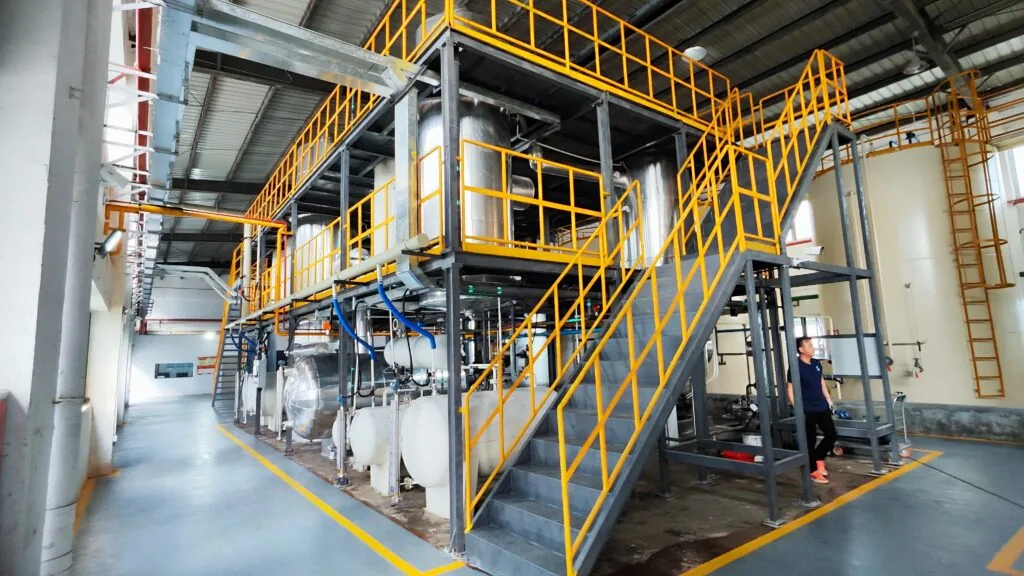
A complete pyrolysis oil distillation plant may include:
- Feed sampling and raw oil storage system
- Filtration, settling and dehydration equipment
- Vacuum distillation and fractionation section
- Heating and heat-recovery system
- Condensers and dedicated fraction receivers
- Vacuum generation system
- Configurable filtration or polishing unit
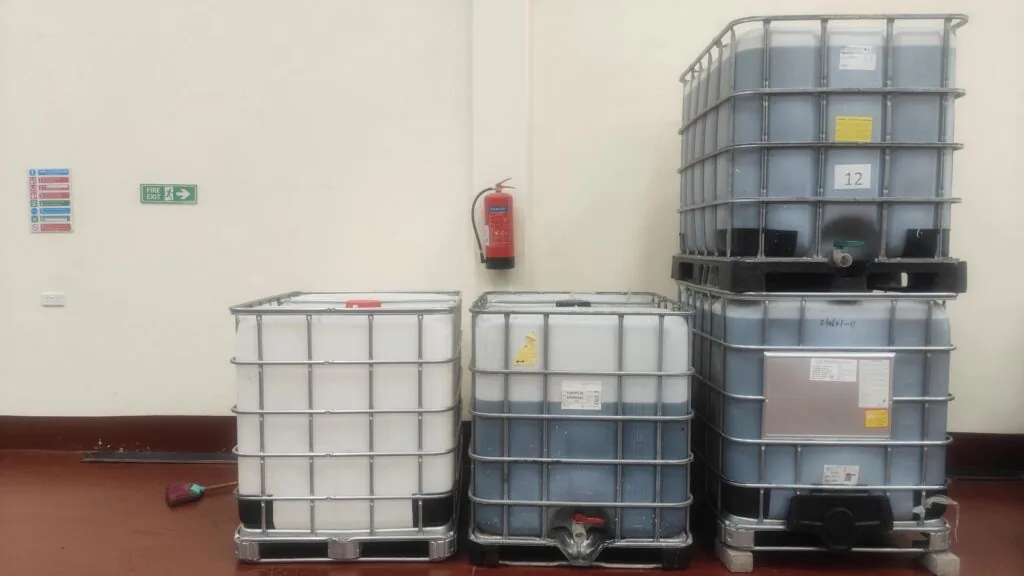
- Separate product storage tanks
- Process-gas and emissions-control equipment
- Wastewater and residue collection system
- PLC, electrical control and safety instrumentation
- Interconnecting piping, valves and pumps
10. Optional Process Modules
Optional modules are selected only when supported by feed tests and the target product:
- Continuous feed and automatic level control
- Additional fractionation stages
- Adsorption or final polishing
- Suitable desulfurization or deodorization process
- Closed chemical handling and recovery system
- Heat-recovery and feed preheating package
- Remote operating-data monitoring
- Automatic heavy-residue discharge
- Skid-mounted or modular equipment arrangement
- Site-specific hazardous-area and fire-safety package
Final process selection must address chemical compatibility, corrosion, solvent or adsorbent waste, wastewater and local emissions limits.
11. Approved Industrial Applications
After laboratory release and site approval, a suitable middle-distillate fraction may be evaluated for:
- Industrial boilers designed for the tested fuel
- Industrial furnaces and kilns
- Cement and mineral-processing plants
- Asphalt and aggregate heating systems
- Approved industrial burners
- Further fuel upgrading or blending
- Contract fuel processing against a defined specification
- Integrated pyrolysis and resource-recovery facilities
Use in engines, generators, vehicles or marine equipment is outside the basic distillation claim unless the final fuel passes all applicable tests and receives the required approvals.
12. Why Choose VBOLT
VBOLT develops the equipment proposal around the actual pyrolysis oil, required product fractions, site utilities and local project requirements.
Feedstock-Based Engineering
- Sample and laboratory-data review
- Preliminary material balance
- Process and equipment configuration
- Utility and site input definition
Project Support
- Equipment manufacturing and inspection documentation
- Installation guidance
- Operator and maintenance training
- Commissioning support
- After-sales technical support
- Spare-parts planning under the agreed contract scope
Request a Project Proposal
For a relevant process proposal and quotation, please provide:
- Pyrolysis feedstock type and oil source
- Recent feed-oil laboratory report and representative sample
- Available daily and annual oil volume
- Required fuel fractions and product specification
- Site voltage, fuel, water, cooling and compressed-air conditions
- Local emissions, wastewater, residue and fire-safety requirements
VBOLT's technical team can prepare:
- Recommended process route
- Preliminary equipment list and material balance
- Utility and site input requirements
- Layout and installation proposal
- Commercial scope and delivery schedule
- Detailed quotation
Contact VBOLT to discuss a pyrolysis oil distillation and fuel-fraction project.