




HomeProductsWaste Oil Recycling PlantWaste Oil to Diesel PlantMixed Waste Oil Distillation PlantWaste Engine Oil To Diesel PlantWaste Engine Oil to Diesel Plant

Waste Engine Oil to Diesel Plant

Waste Engine Oil To Diesel Plant

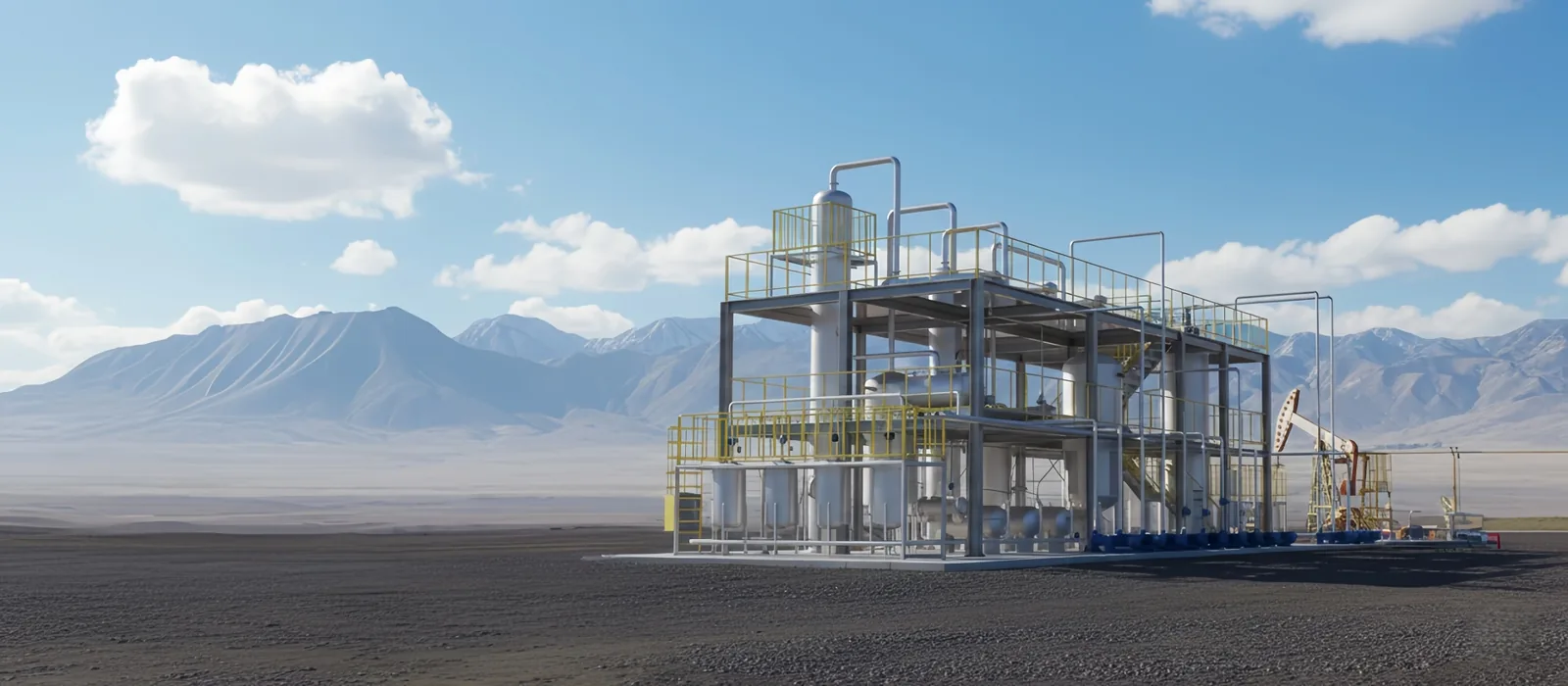
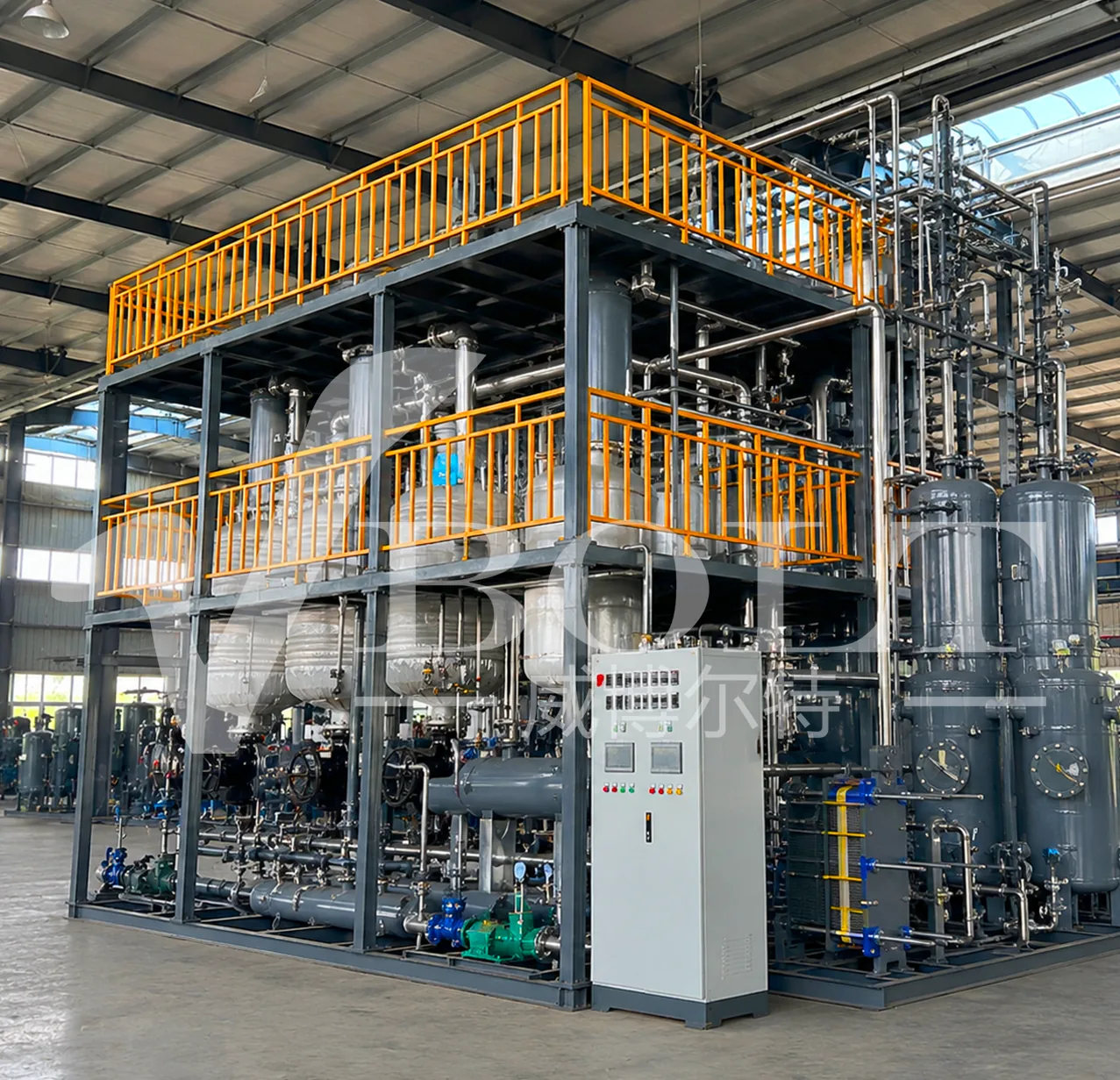
A waste engine oil to diesel plant separates recoverable diesel-range fractions from used lubricating oil through feedstock pretreatment, vacuum distillation, condensation and specification-led finishing. Plant design should be based on representative feed samples, required product properties, local fuel-use rules, emissions controls and an agreed mass balance. The recovered product must be laboratory tested before it is approved for any engine, generator, burner or blending application.

share:

View More Inquire Now

Waste Engine Oil to Diesel Plant: Project Scope

A waste engine oil to diesel plant recovers usable hydrocarbon fractions from drained engine oil and compatible used lubricants through feedstock conditioning, dehydration, vacuum distillation, condensation and product finishing. The process must be selected for the actual feed and required fuel specification; distillation alone does not make every output suitable for road vehicles.

VBOLT configures the plant around representative feed samples, planned operating hours, utility conditions, target throughput, product cut points, local emissions limits and agreed acceptance criteria. The recovered oil should be marketed or used only after an accredited laboratory confirms compliance with the applicable fuel standard and end-use rules.

Feedstock Definition and Pre-Acceptance Testing

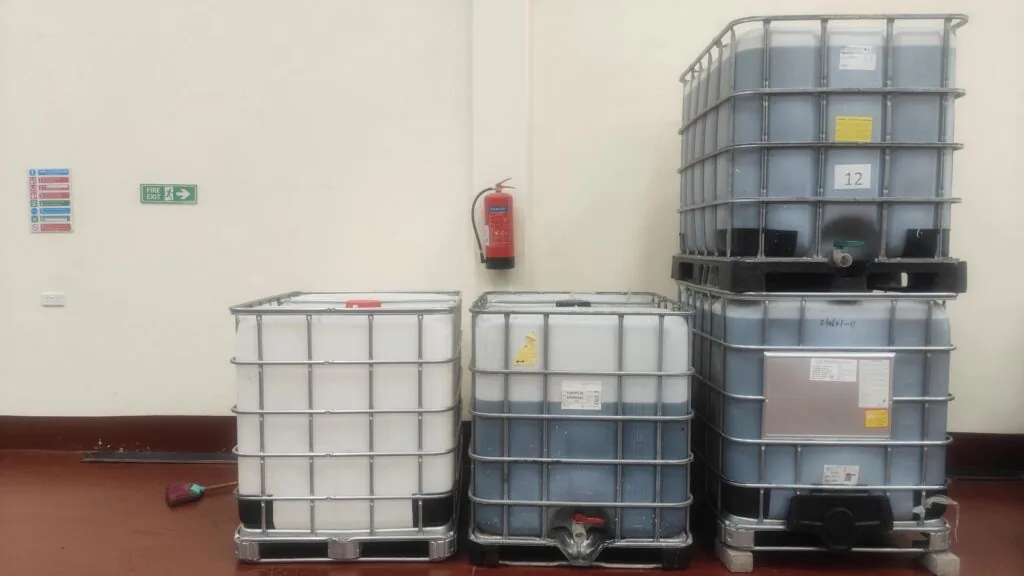
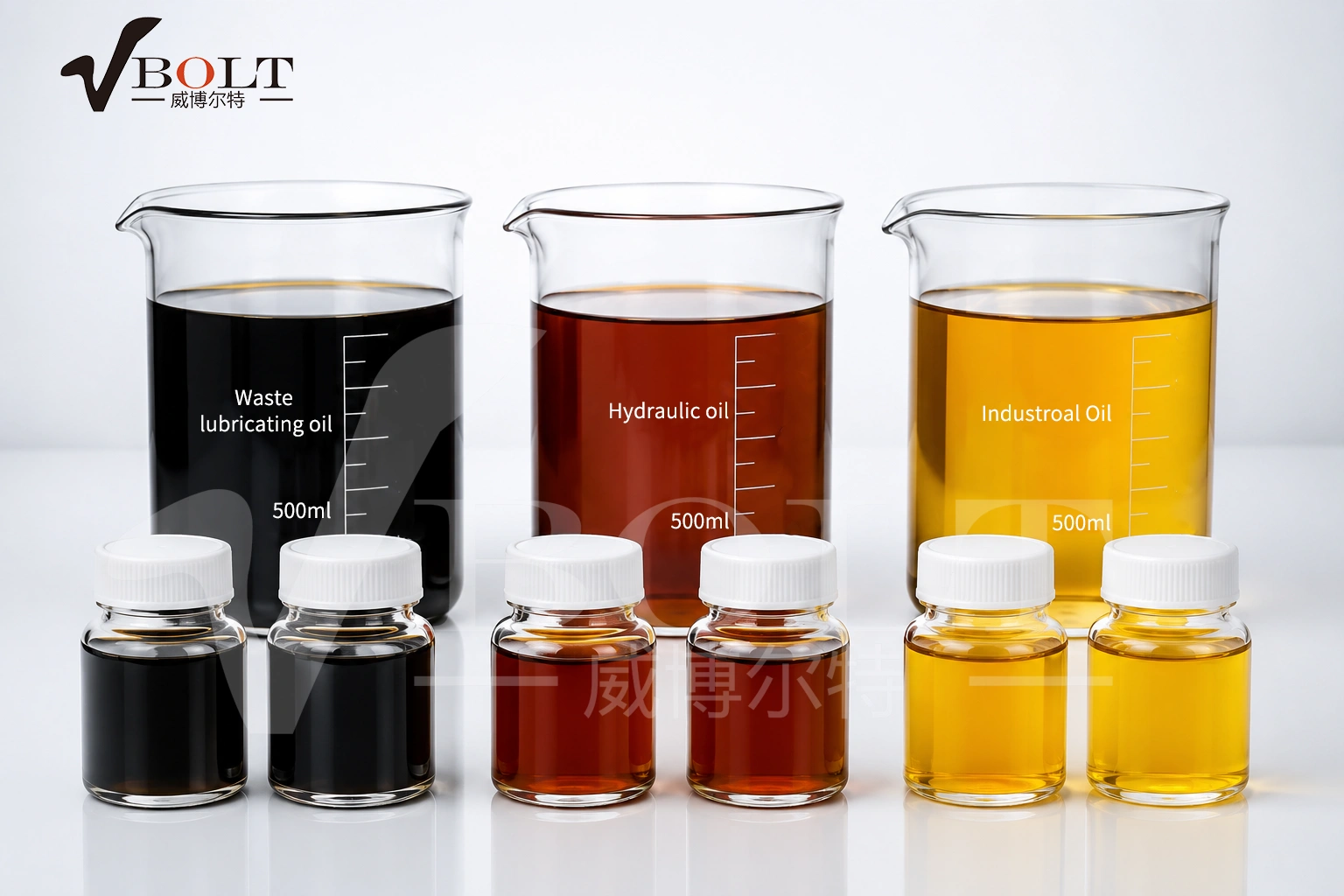
Used engine oil can contain water, glycol, fuel dilution, soot, wear metals, additives and suspended solids. Representative samples should be tested for water and sediment, ash, density, viscosity, flash point, distillation range, sulfur, total halogens, acid number, metals and glycol. Unknown or incompatible oils should be quarantined; halogenated oil, transformer oil, water-rich emulsions and chemical waste require a specifically engineered and legally permitted treatment route.

Process Configuration

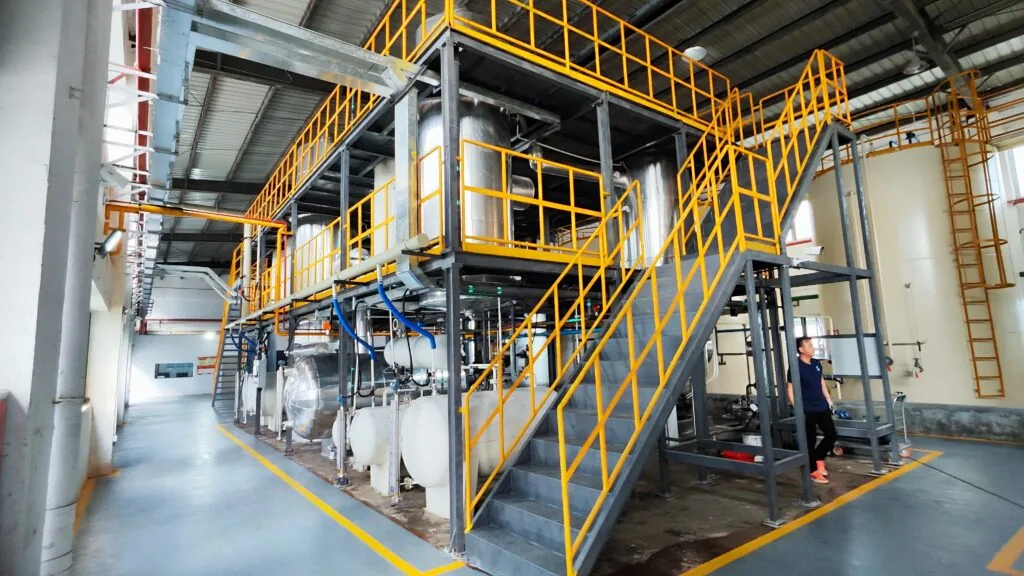
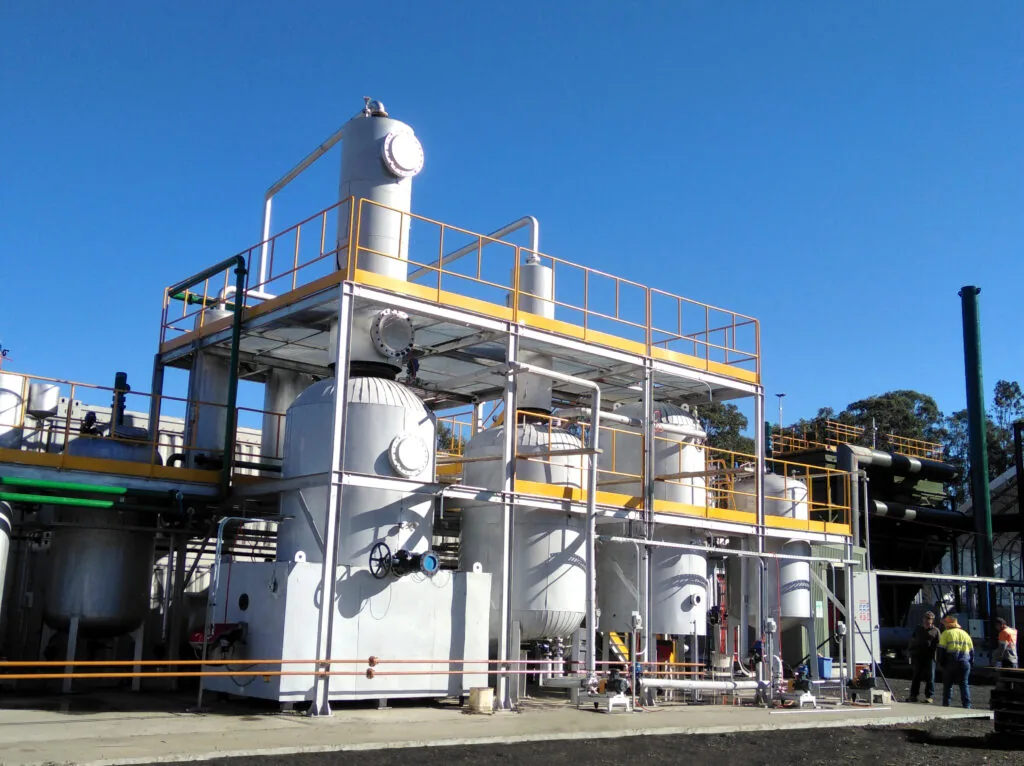
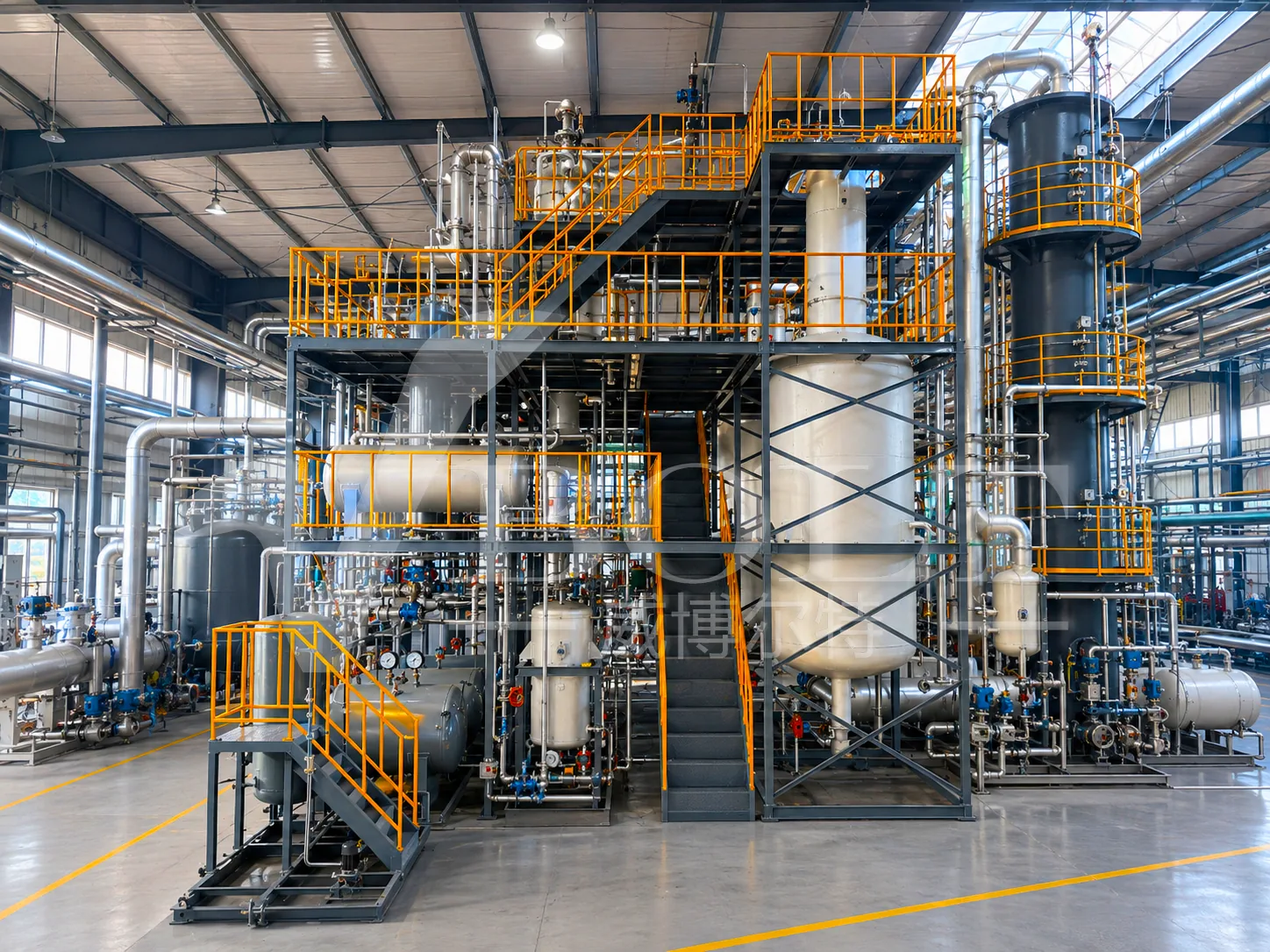
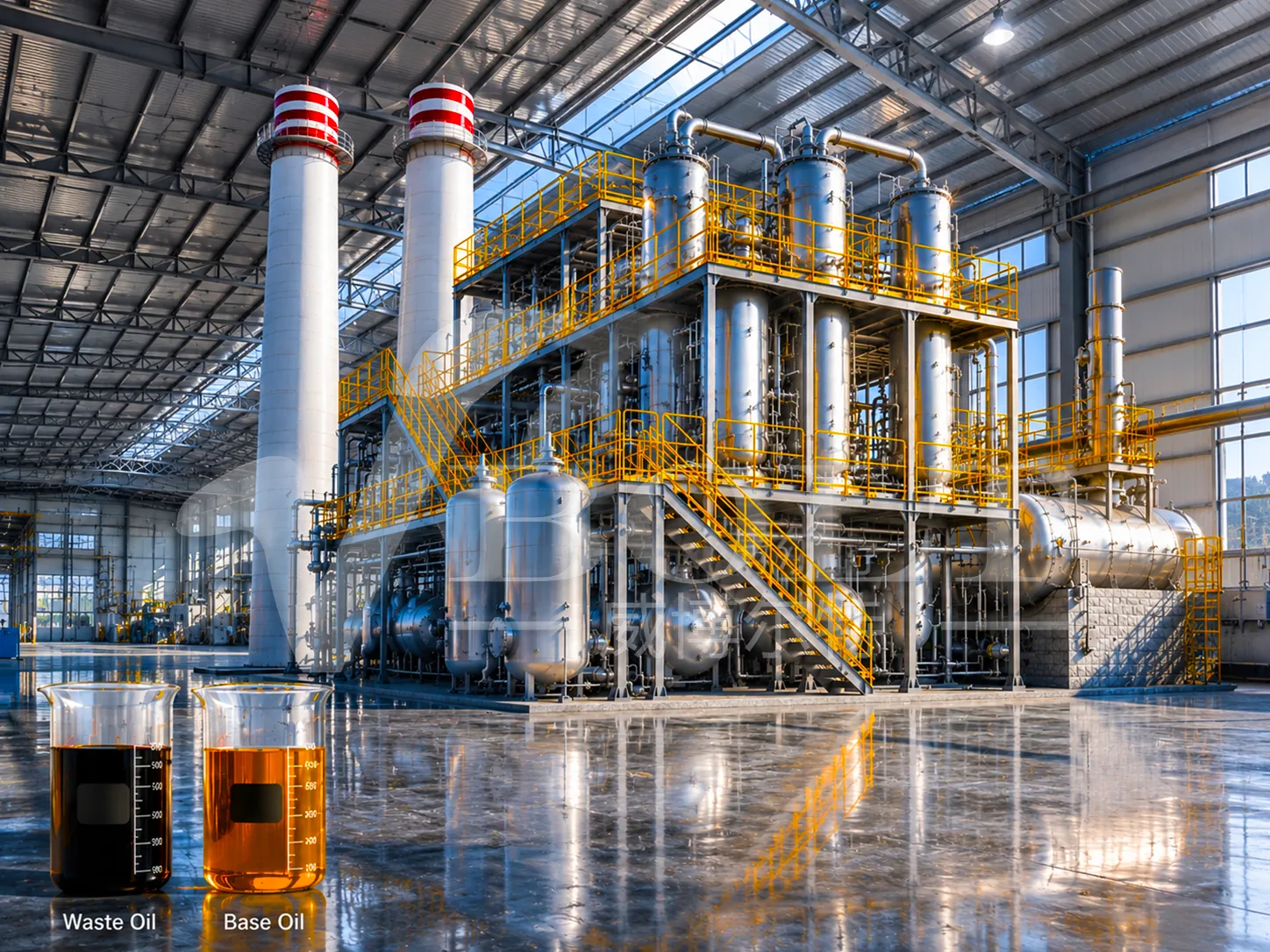
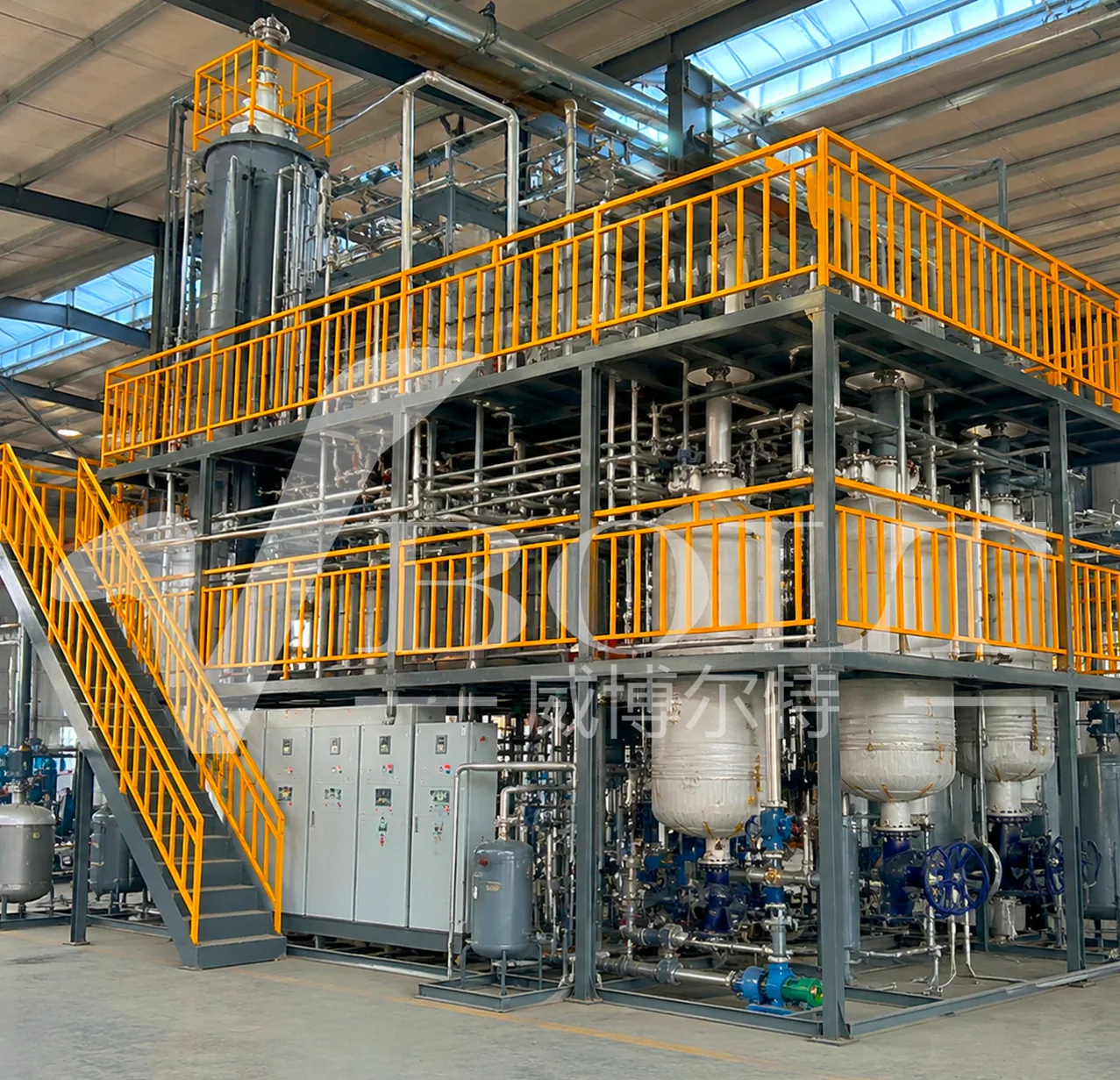
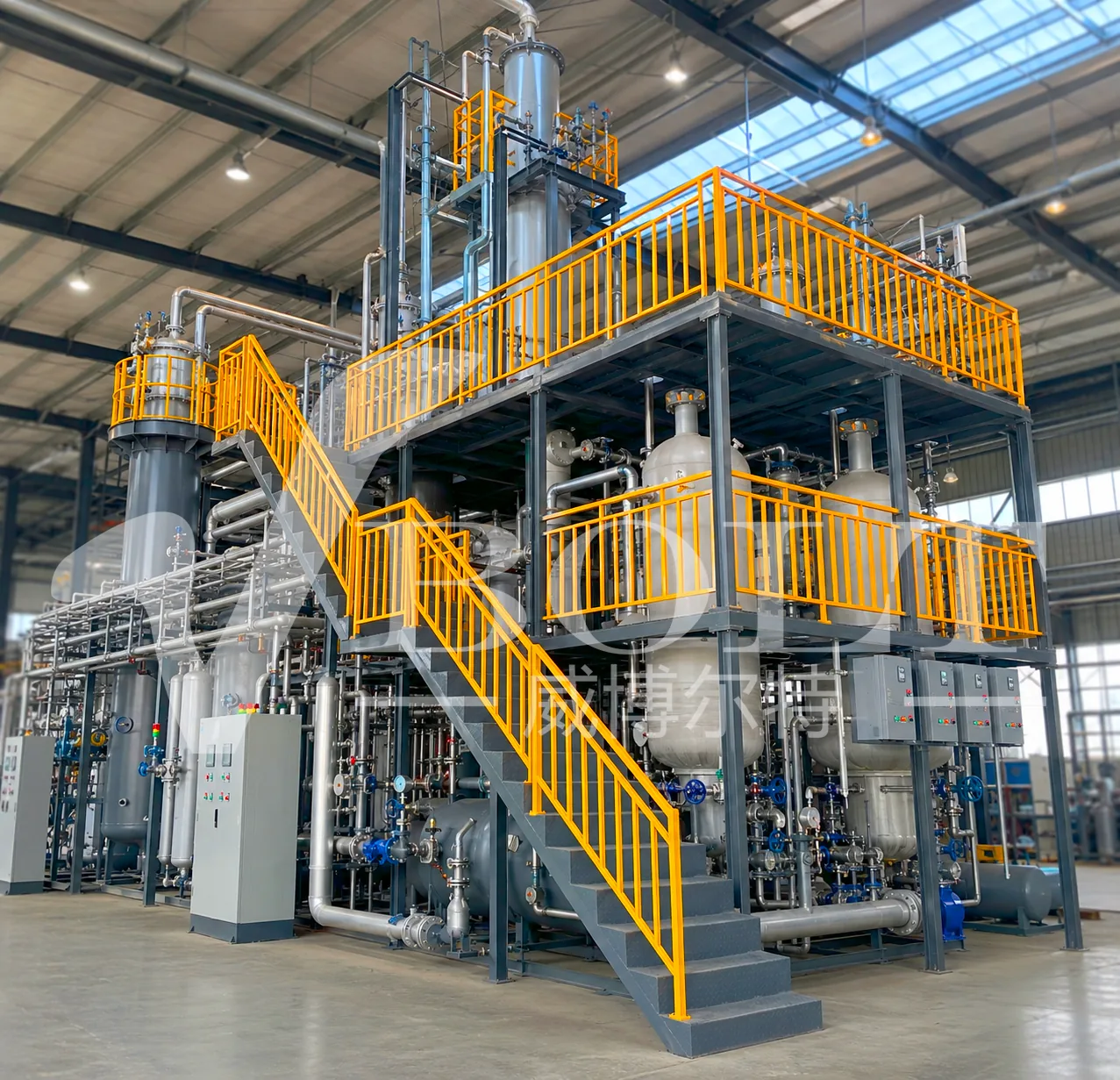
The approved feed is screened, stored in segregated tanks and dehydrated before vacuum distillation. Controlled temperature and reduced pressure separate selected hydrocarbon fractions, while demisting and condensation direct them to dedicated product tanks. Filtration, adsorption, stabilization or another verified finishing step is selected from laboratory results. Heavy bottoms, wastewater and non-condensable gas are collected in controlled systems for permitted reuse, treatment or disposal.

Recovered Fuel Quality and Intended Use

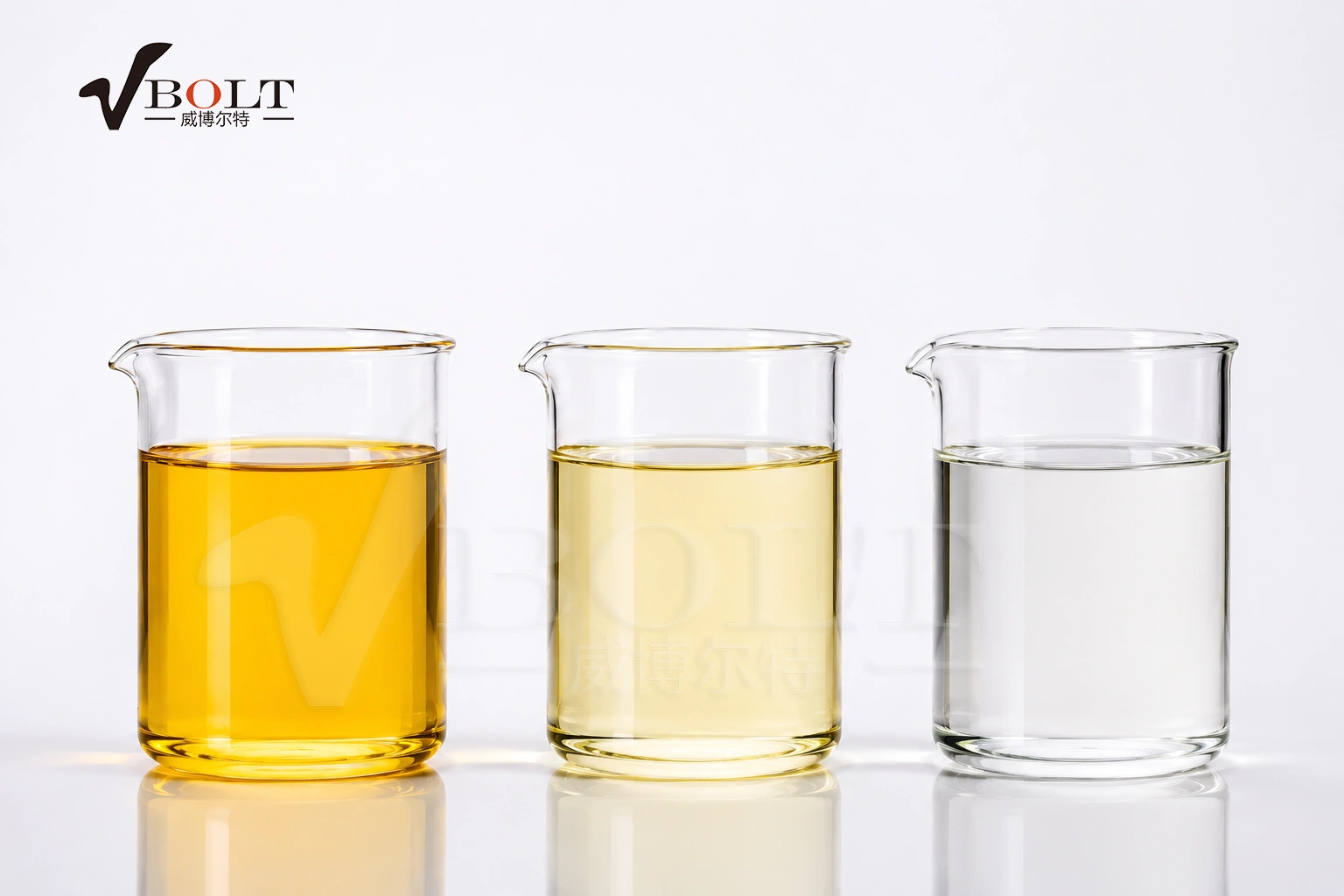
Each batch should be released against an agreed test schedule covering water and sediment, density, viscosity, distillation curve, flash point, sulfur, acidity, ignition quality, ash, carbon residue and metals. Potential outlets may include permitted industrial burners, furnaces, stationary generators or blending operations, subject to equipment-maker approval and local law. Road-vehicle use normally requires a regulated automotive diesel specification and may need upgrading beyond distillation and basic purification.

Throughput, Yield and Mass Balance

Nominal capacities such as 1, 5, 10 or 20 tonnes per day are engineering starting points, not guaranteed net production rates. Sustainable throughput depends on water and solids loading, heating duty, vacuum capacity, cut points, cleaning frequency and on-stream availability. Recoverable fuel yield must be established from representative feed trials and a complete mass balance that separately reports feed oil, removed water and light ends, on-spec and off-spec fractions, heavy residue, non-condensable gas and normal process loss.

Main Equipment and Optional Systems

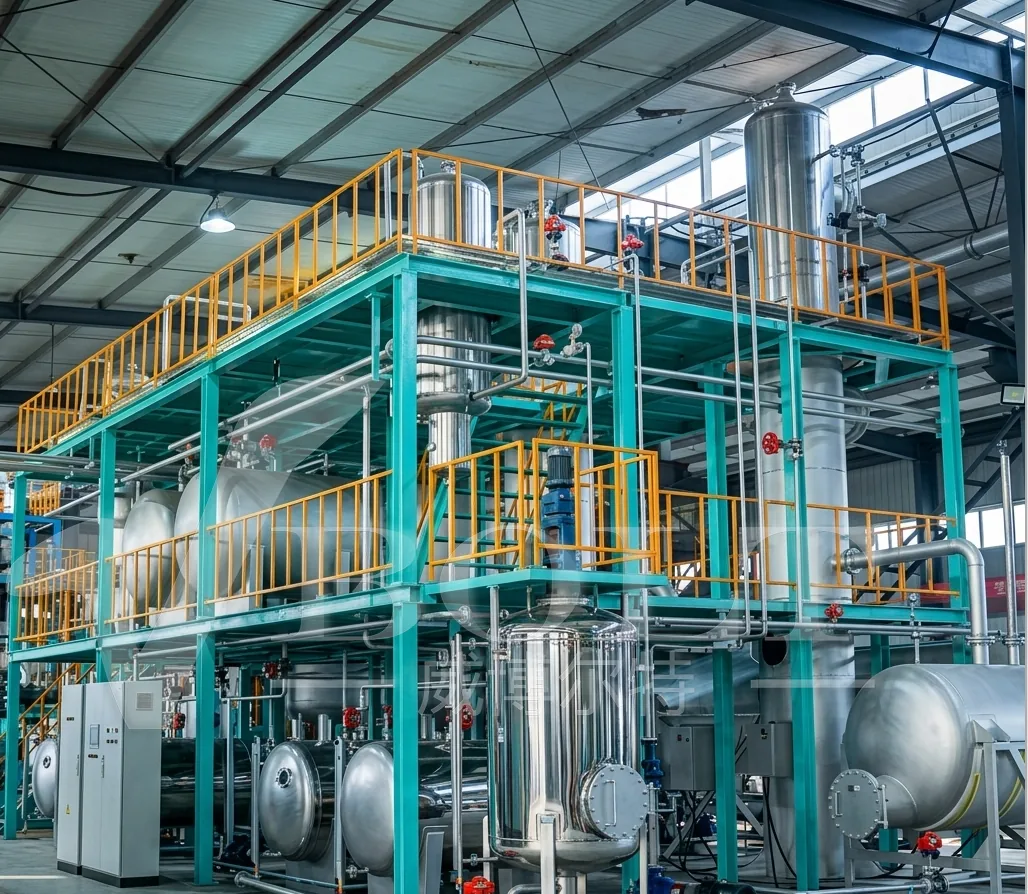
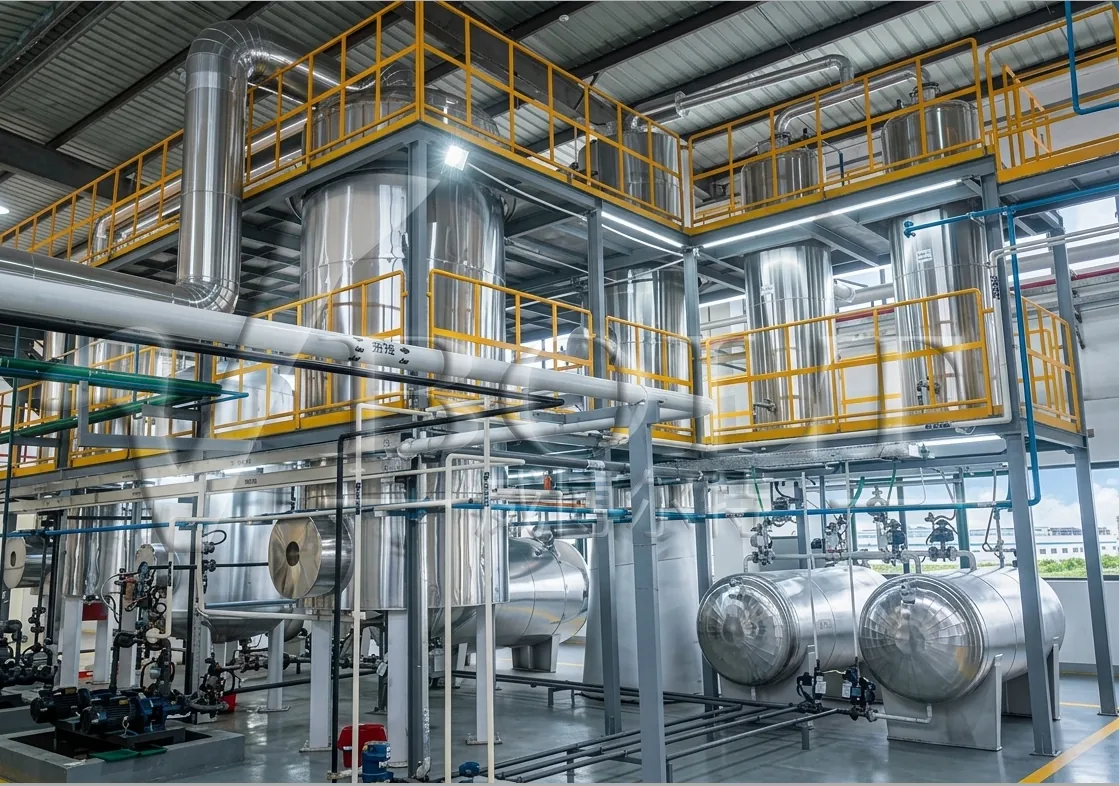
A project-specific line may include feed tanks, transfer pumps, strainers, filters, dehydration equipment, a heater or reboiler, vacuum distillation equipment, a demister, condensers, receivers, product tanks, a vacuum package, cooling and heating circuits, PLC controls, alarms, interlocks, emergency shutdown functions and residue, wastewater and gas-treatment systems. Optional polishing, heat recovery, SCADA and explosion-protected electrical equipment are selected after process and site review.

Safety, Emissions and Residue Management

Project design should address closed transfer, nitrogen blanketing where justified, pressure and vacuum protection, temperature and level trips, flame safeguards, grounding and bonding, gas detection, ventilation, fire protection and emergency procedures. The site owner remains responsible for local hazardous-waste, air-emission, wastewater, fuel-production, storage and fire approvals.

Non-condensable gas should pass through knock-out and safety devices before controlled use as fuel or permitted treatment. Heavy residue is not automatically a saleable asphalt product: it should be characterized for flash point, metals, ash and regulated contaminants, then transferred to an authorized recovery or disposal route.

Project Data, Commissioning and Acceptance

A reliable proposal starts with feed analyses, daily and annual throughput, required product tests, utility data, climate, plot limits, the local electrical standard and the required automation level. The agreed scope should define process design, equipment supply, installation interfaces, operator training, spare parts, documentation and commissioning support. Acceptance should use the agreed feed envelope, stable operating conditions, a measured mass balance and independent laboratory results.

Review the continuous waste oil to diesel plant configuration for projects requiring uninterrupted feed and product withdrawal.

  • Q
    What waste oil recycling systems does VBOLT supply?
    A

    VBOLT supplies project-specific equipment for re-refining suitable used lubricating oils into base oil fractions and for recovering diesel-range fuel fractions from used lubricating, mixed waste, or selected pyrolysis oils. Feed testing and target product specifications determine the required process.

  • Q
    What certification and compliance documents are available?
    A

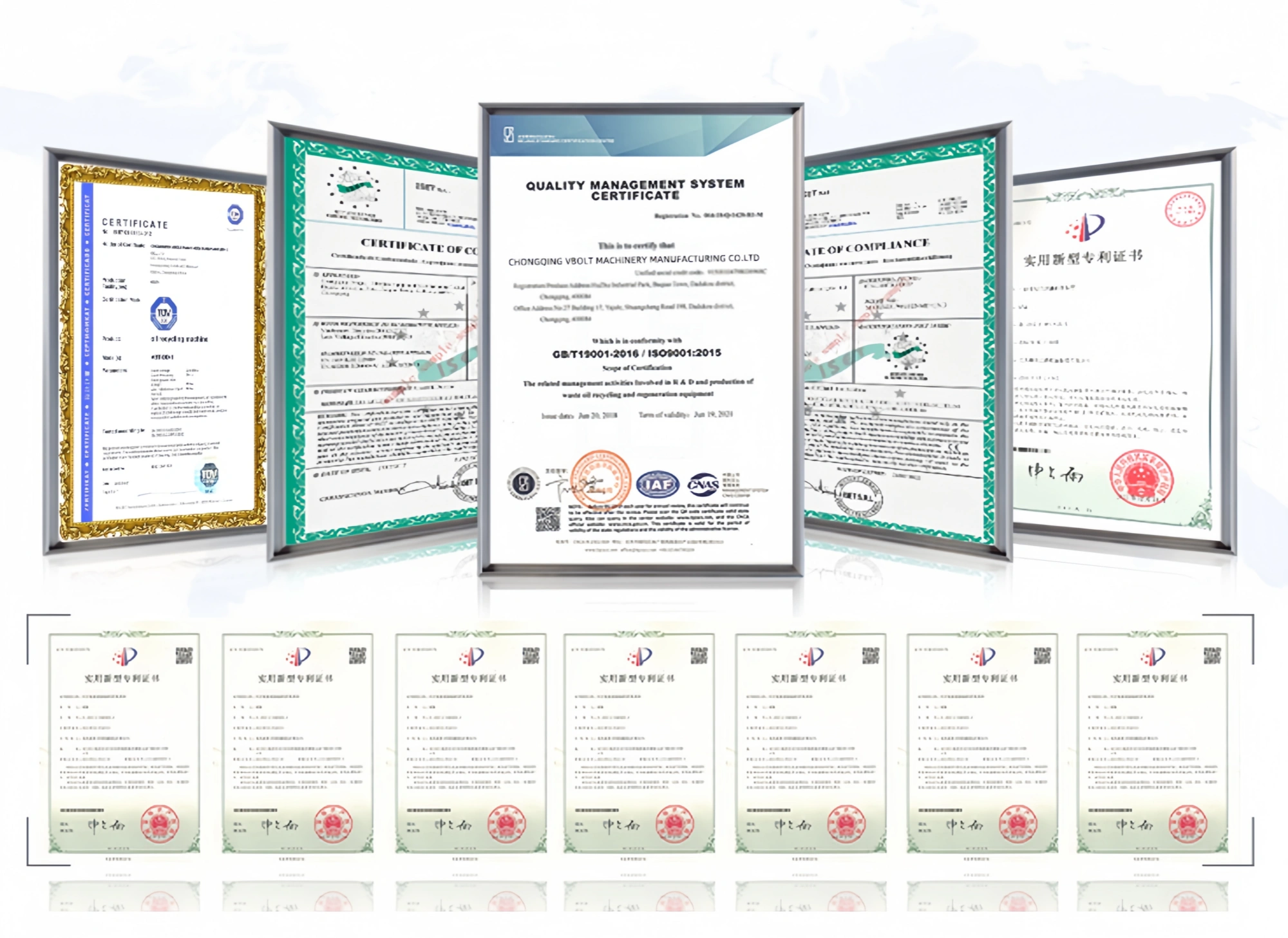
    Certification, declaration, patent, and company qualification documents are shown on the Qualifications page. Applicability depends on the equipment model, manufacturing scope, destination, and current validity; request the relevant documents for the proposed project before purchase.

  • Q
    What information is available about manufacturing capability?
    A

    VBOLT can provide company, workshop, fabrication, inspection, and project-reference information during technical review. Buyers should verify the proposed manufacturing scope, quality-control plan, inspection points, and any third-party requirements for their order.

  • Q
    What after-sales support is included?
    A

    Support scope can include remote troubleshooting, installation guidance, commissioning, operator training, spare-parts recommendations, and maintenance documentation. Response targets, travel, site services, exclusions, and warranty terms should be defined in the contract.

  • Q
    How is a project managed from inquiry to delivery?
    A

    Each project should progress through feed and product definition, process selection, technical clarification, scope confirmation, layout and utility review, manufacturing, inspection, shipment, commissioning planning, and final documentation. Responsibilities and acceptance criteria should be recorded in the proposal and contract.

  • Q
    How is equipment quality controlled during production?
    A

    Quality control should be defined by an agreed inspection and test plan covering material verification, fabrication, welding, assembly, pressure or leak tests where applicable, electrical checks, functional testing, documentation, packing, and release. Required standards and third-party inspection points must be confirmed for each order.

About Us

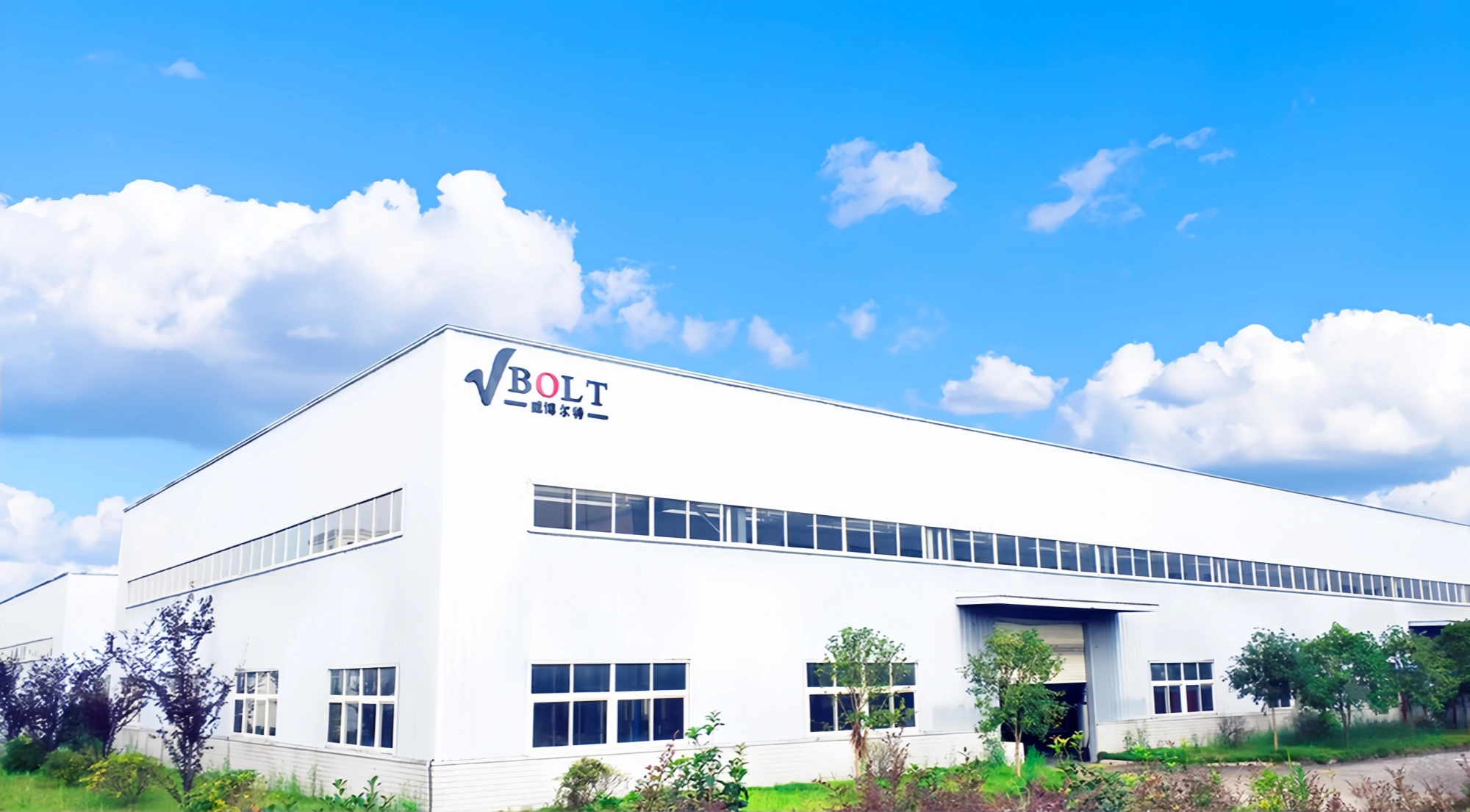
Chongqing Vbolt Machinery Co., Ltd., founded in 2009, is a high-tech enterprise specialized in R&D and production of industrial oil distillation & filtration equipment. Our main products cover waste engine oil-to-diesel/base oil distillation machines, turbine/transformer/insulating oil purifiers, multifunctional decolorizing filters, etc. All products are ISO9001:2008, ISO14001:2004 and CE certified, enjoying great popularity in domestic and global markets.

With a 4,000+m² factory, strong technical/production/service teams and 13 technical patents, Vbolt adheres to core values of People-oriented, Tech-driven, Quality-focused, Service-excellent & Brand-leading, and strictly implements the product standard of Elite & Premium Quality throughout the whole process from design to delivery, complying with ISO9001:2008 in procurement, packaging and storage.

Guided by the management principle of Clear Accountability and service philosophy of Sincerity, Caution, Satisfaction, we treat every customer sincerely, focus on every detail and provide high-quality satisfactory service, with a commitment to 24-hour after-sales response.

Technical Services

🔍

Pre-sales Service

We provide various forms of pre-sales services, allowing customers to make reasonable plans at a lower cost.

  • Investment Budget: Product profit analysis, machine recommendations, and human resource allocation.
  • Factory Planning: Equipment library dimensions, layout design, and workshop construction suggestions.
🛠️

After-sales Support

  • Free Training: Enabling customers to independently use and maintain machines.
  • Technical Q&A: Prompt answers and on-site guidance/assistance if necessary.
  • Upgrades: Free technical guidance for additions or modifications.
  • Lifetime Support: Lifetime free technical assistance for all machines.
  • Warranty 24 months for major parts, 12 months for consumables.
Representative laboratory fuel product test report

Successful Case

You May Also Like

Limited Resources Infinite Recycling

Empowering Industries with Innovation.

View More Contact Us Now

Home

Tel

Email

WhatsApp

Talk to an Expert