





Recover Reusable Base Oil From Used Engine Oil
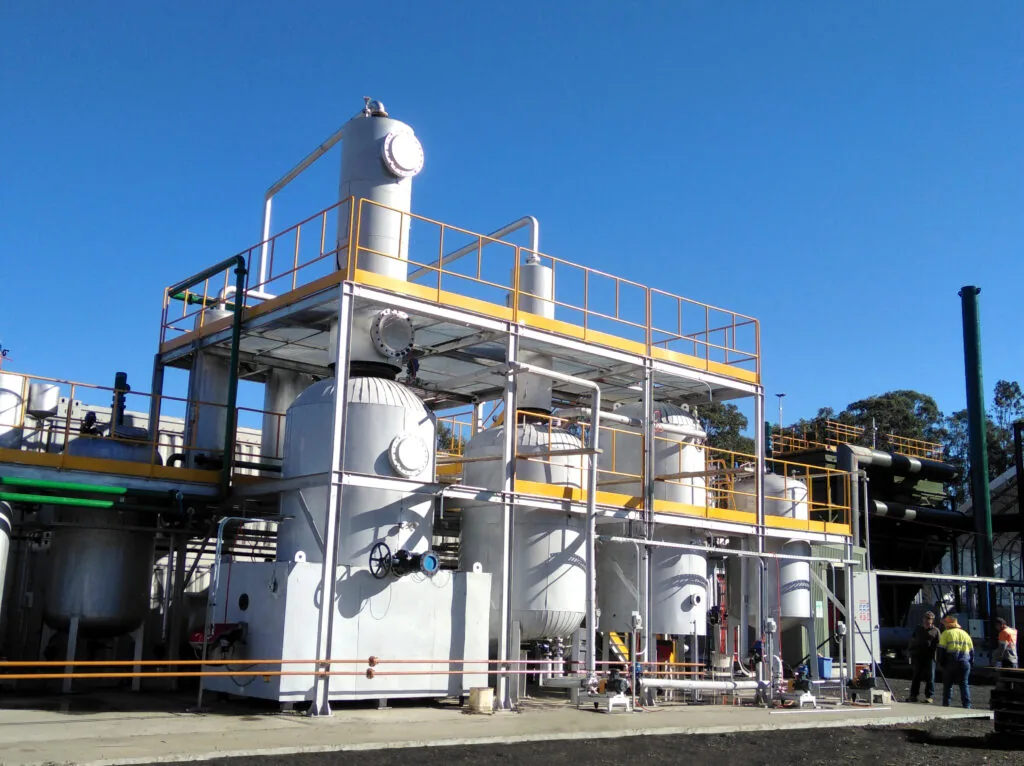
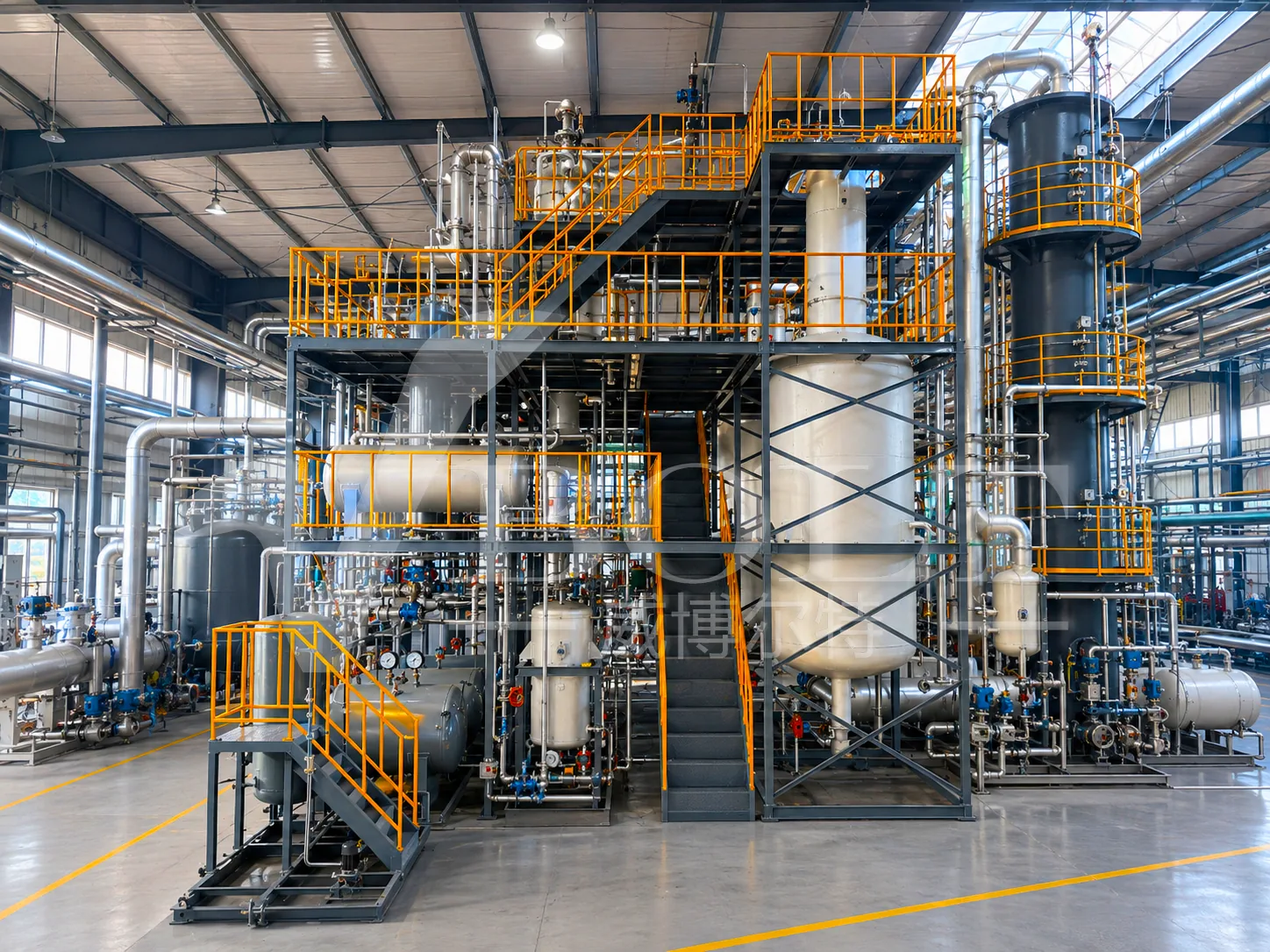
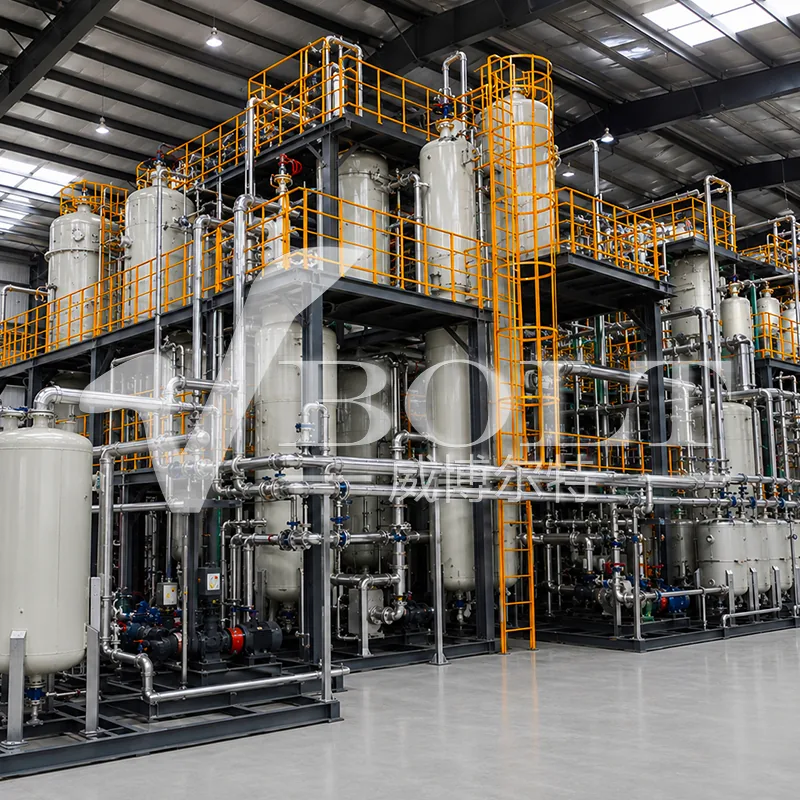
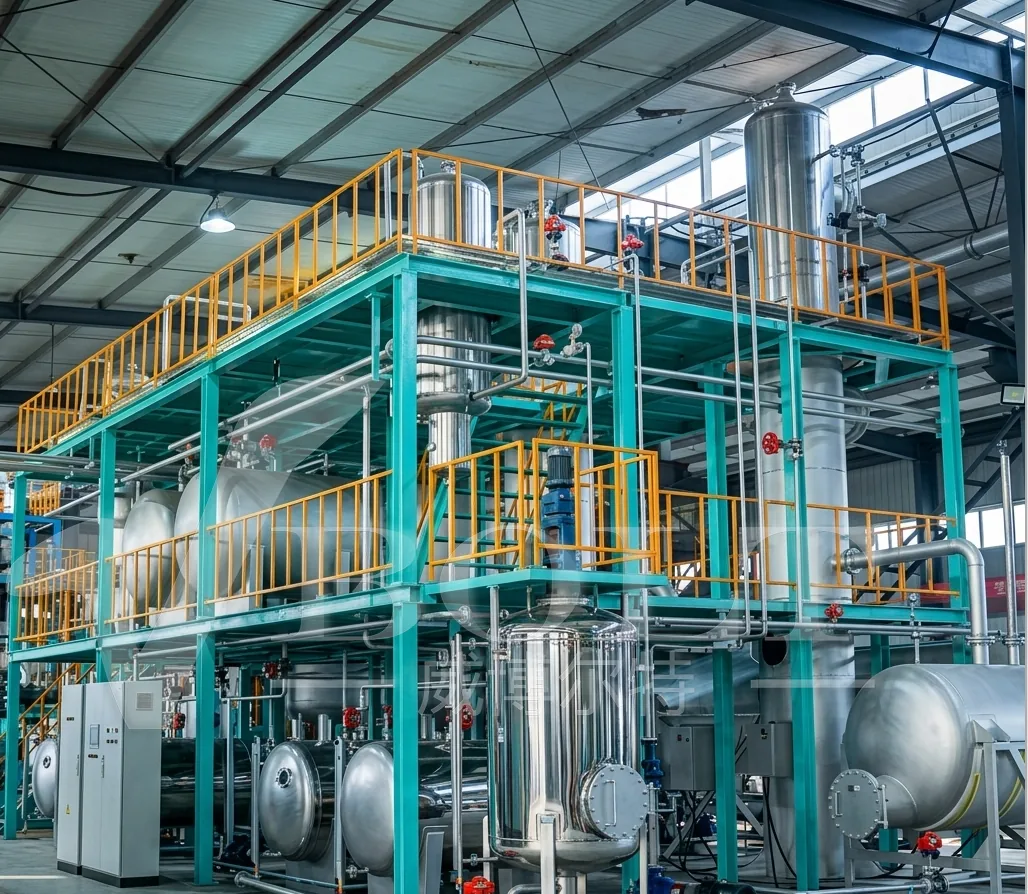
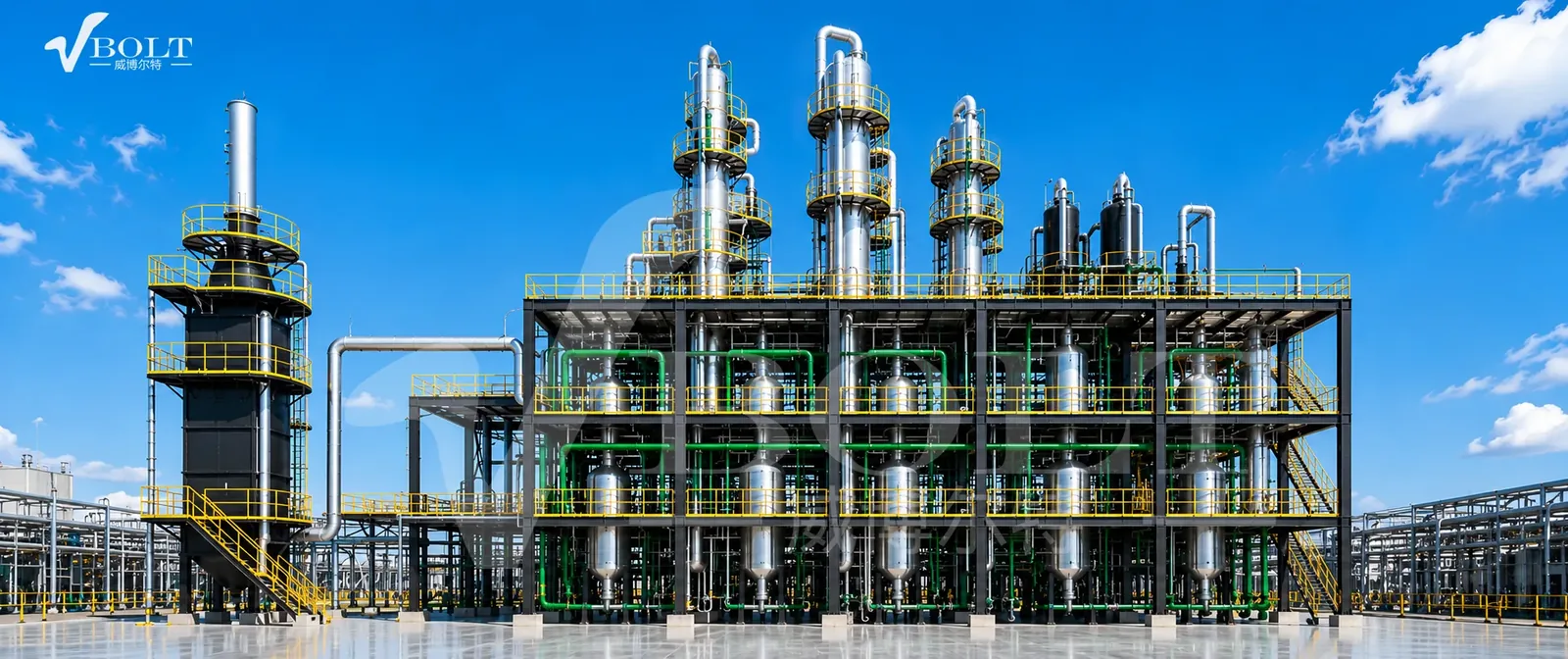
VBOLT's Waste Engine Oil Re-Refining Plant treats used motor oil and contaminated lubricating oil through feedstock pretreatment, dehydration, vacuum distillation and configurable finishing. The objective is to recover stable base oil fractions for lubricant blending while separating water, light ends, solids, degraded additives and heavy residue.
This solution is intended for:
- Licensed used oil collectors and re-refiners
- Lubricant and base oil producers
- Industrial lubricant recovery projects
- Hazardous-waste treatment companies
- Government and private recycling projects
- Integrated waste oil management facilities
Final process design must be based on representative feedstock testing, the required base oil specification and local environmental, fire and occupational-safety rules.
Suitable Raw Materials
The plant can be configured for segregated mineral-based used engine and lubricating oils, including:
- Used passenger-car motor oil
- Used heavy-duty diesel engine oil
- Truck and fleet maintenance oil
- Heavy machinery lubricating oil
- Construction equipment oil
- Used marine engine lubricating oil
- Compatible industrial lubricating oils
- Settled black oil from controlled collection streams
- Used motor oil containing removable water and solids
Each feedstock should be sampled before acceptance. Water, sediment, viscosity, flash point, metals, sulfur, chlorine and other regulated contaminants may affect pretreatment, recovery and residue classification. Unknown mixtures, transformer oil, brake fluid, antifreeze, solvents and suspected PCB-containing oil must not be combined with the feed without a specific laboratory and regulatory review.
Products and By-Products
A correctly configured re-refining line can separate the following streams:
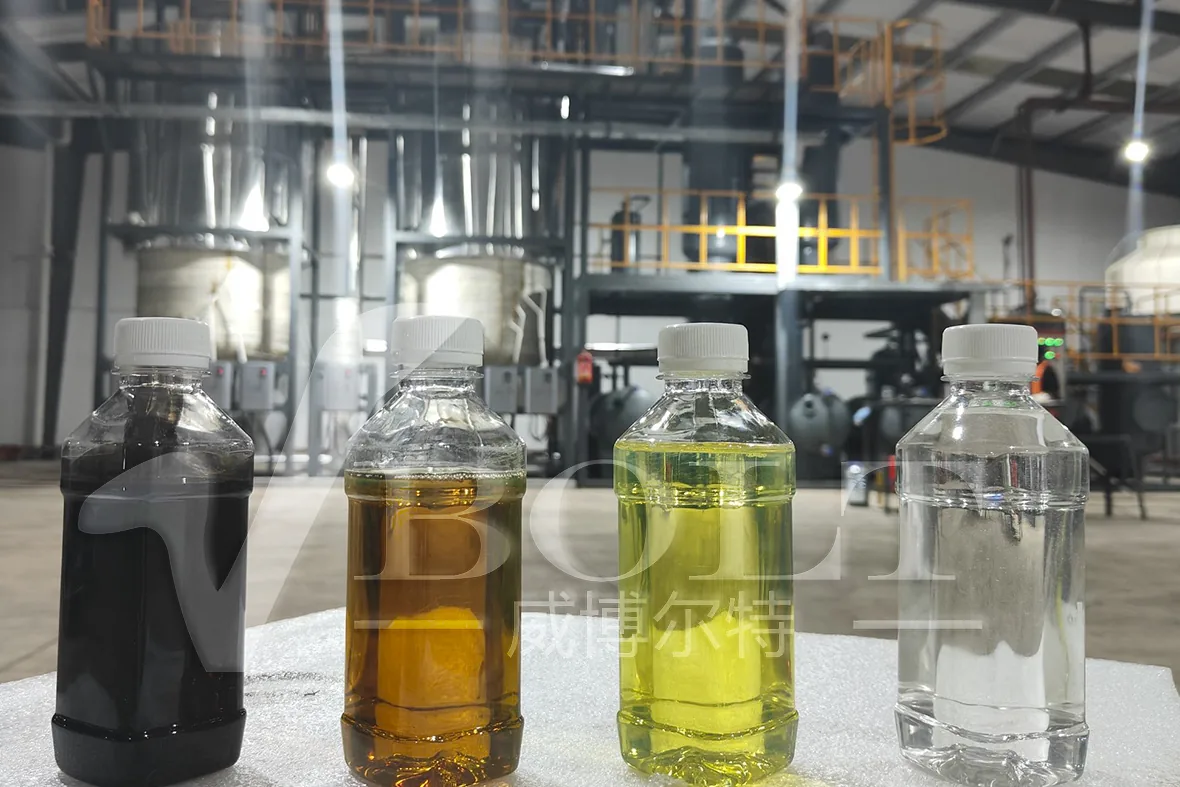
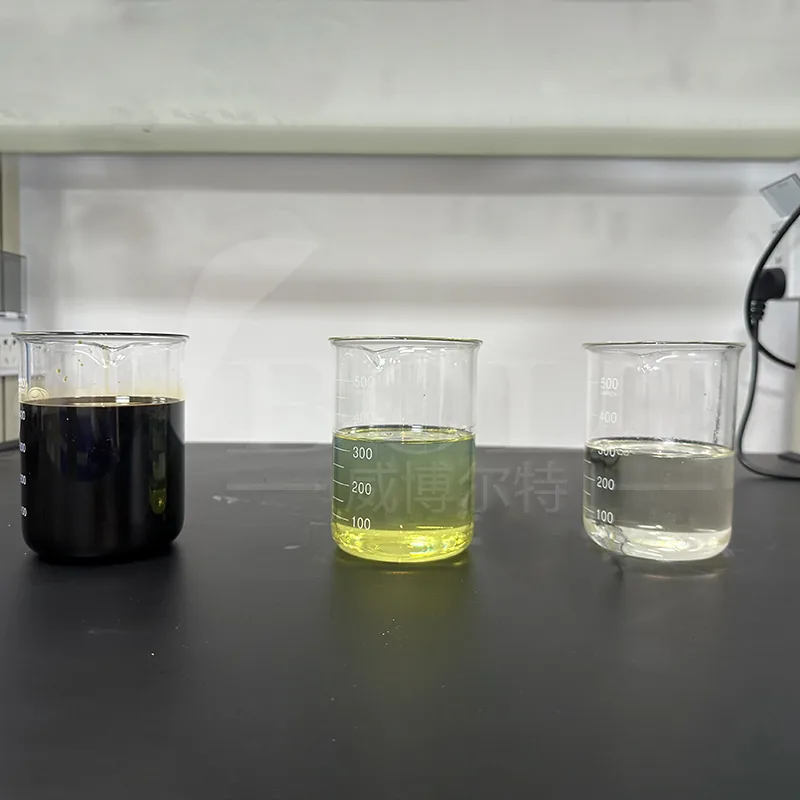
Re-Refined Base Oil Fractions
Light, medium or heavy base oil cuts may be recovered according to the selected fractionation and finishing route. The oil is an intermediate for lubricant formulation, not ready-to-use engine oil.
- Lubricant blending after specification testing
- Industrial oil formulation with a suitable additive package
- Further solvent finishing, clay polishing or other approved upgrading
- Separation into viscosity grades when the process configuration supports it
- Storage in dedicated, clean base oil tanks
- Sale only against an agreed product specification
Light Distillate
Water and low-boiling hydrocarbons are removed before or during vacuum processing. Any recovered light oil requires analysis and may be used only where local fuel and emissions rules permit.
Heavy Residue
Metals, carbon, oxidized additives and high-boiling material are concentrated in the bottom stream.
- Residue must be sampled and classified
- Storage requires suitable containment
- Reuse or disposal depends on local authorization and test results
Base oil release should be based on laboratory results such as viscosity, viscosity index, flash point, pour point, water, sulfur, acid number, color, ash and metals, together with the buyer's contract specification.
Working Process
The final process flow is selected after feedstock and product-target review. A typical base oil re-refining route includes:
1. Feedstock Sampling and Pretreatment
Incoming oil is sampled, segregated and screened before transfer to the feed tank. Free water and coarse solids are removed to protect downstream equipment.
2. Dehydration and Light-Ends Removal
Controlled heating removes water and low-boiling components. Condensed water and light oil are collected separately for analysis and compliant management.
3. Vacuum Distillation
Under reduced pressure, lubricating-range fractions are separated at lower operating temperatures. This limits thermal cracking and keeps metals, carbon and much of the degraded additive material in the heavy residue.
4. Fractionation and Condensation
Oil vapors are fractionated and condensed into selected base oil cuts. Cut points are adjusted to the required viscosity range and laboratory results.
5. Finishing and Solvent Recovery
Depending on the target quality, distilled base oil may pass through filtration, polishing or a closed-loop solvent extraction stage. Where NMP extraction is selected, solvent recovery, ventilation, leak control and operator protection are part of the engineering scope.
6. Quality Control and Product Storage
Each finished batch or production lot is tested before it is transferred to dedicated base oil tanks. Off-specification material is held for reprocessing or managed under the approved quality plan.
Core Technical Advantages
Base Oil Recovery, Not Simple Fuel Production
The process is designed to recover lubricating-range molecules for reuse as base oil instead of treating the entire liquid stream as fuel.
Stable Vacuum and Temperature Control
Industrial instrumentation and PLC options support repeatable pressure, temperature and flow control across dehydration, distillation and finishing.
Heat Integration
Feed preheating and heat-recovery options can reduce utility demand when matched to the operating schedule and site energy system.
Configurable Finishing Route
Filtration, solvent extraction and final polishing are selected according to feed quality, target color, stability and other agreed base oil properties.
Process Safety by Design
Pressure protection, alarms, emergency shutdown, suitable electrical classification and fire protection are defined during detailed engineering for the installation country.
Controlled Emissions and Residues
Condensers, closed collection, process-gas handling and residue containment are configured around the feed analysis and applicable discharge and emissions limits.
Capacity and Configuration
VBOLT configures batch, semi-continuous or continuous systems around the verified daily feed volume and operating hours.
| Selection Factor | Engineering Input |
|---|---|
| Feedstock supply | Average and peak used oil volume |
| Feed quality | Water, sediment, viscosity and contaminant profile |
| Product target | Required base oil cuts and test limits |
| Operating plan | Hours per day, days per year and redundancy |
Nameplate throughput and expected annual output are confirmed only after material-balance calculations, feedstock tests, utility review and site conditions are agreed.
Base Oil Recovery Factors
Recovery is not a fixed percentage for every used oil. A project estimate should be built from a representative sample and a defined product specification.
| Feed or Process Factor | Effect on Recoverable Base Oil |
|---|---|
| Water and light ends | Removed before the base oil fraction |
| Solids, metals and degraded additives | Increase pretreatment load and heavy residue |
| Viscosity distribution | Determines available light, medium and heavy cuts |
| Product cut points and finishing | Change recovery, color and quality balance |
VBOLT can prepare a preliminary material balance after receiving a feed analysis and sample. Commercial guarantees, where offered, must state the feed basis, test method and product acceptance limits.
Main Equipment Composition
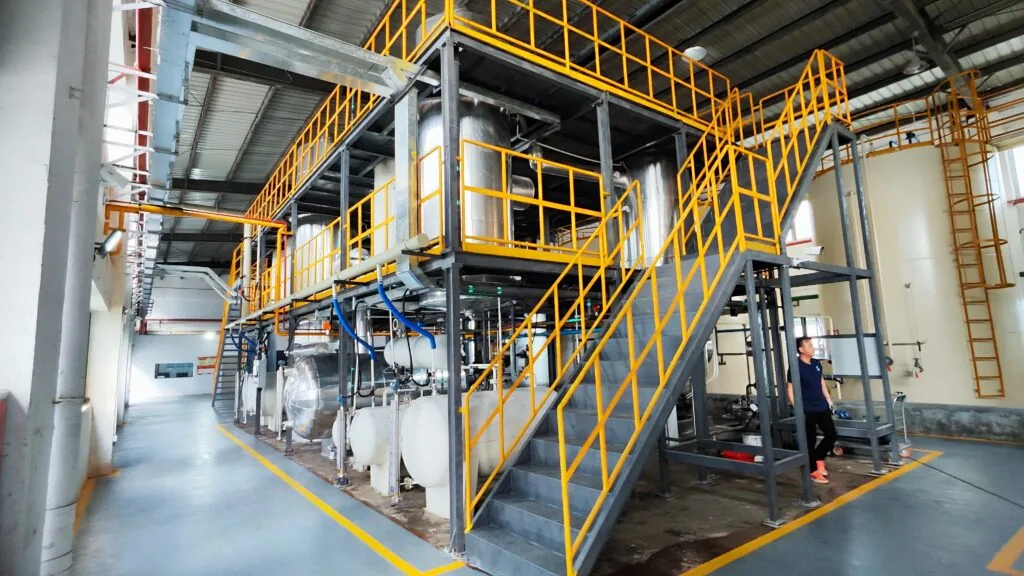
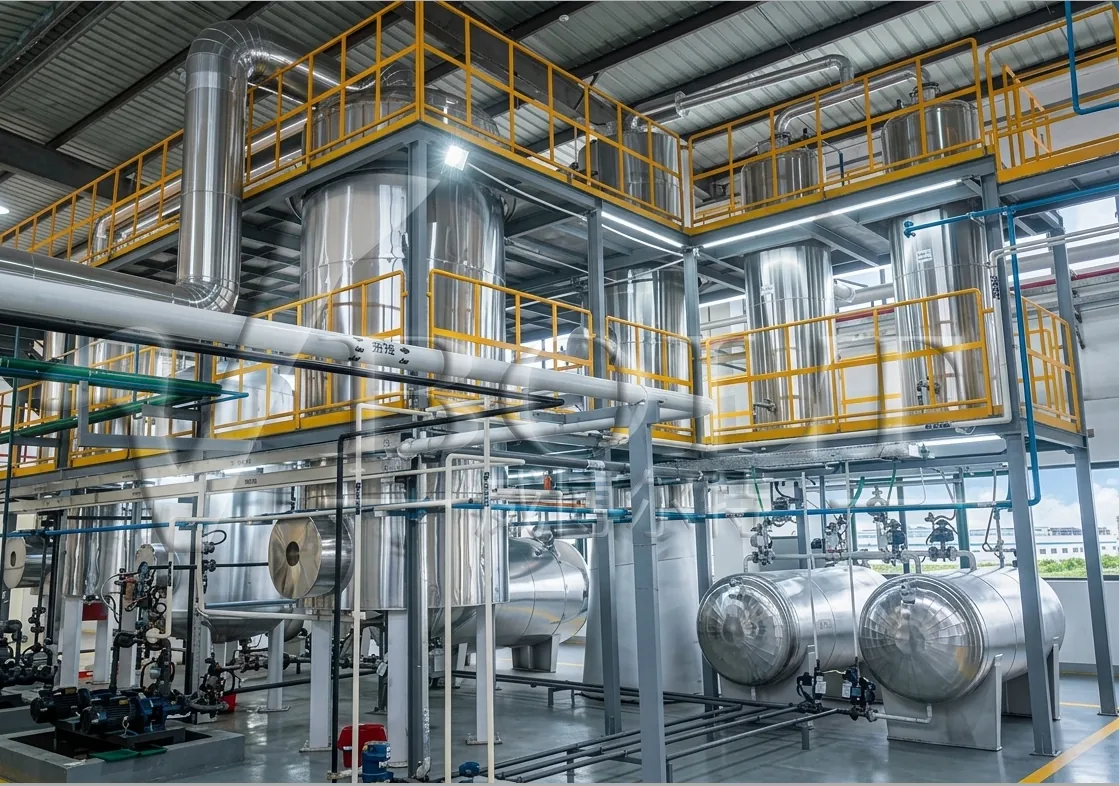
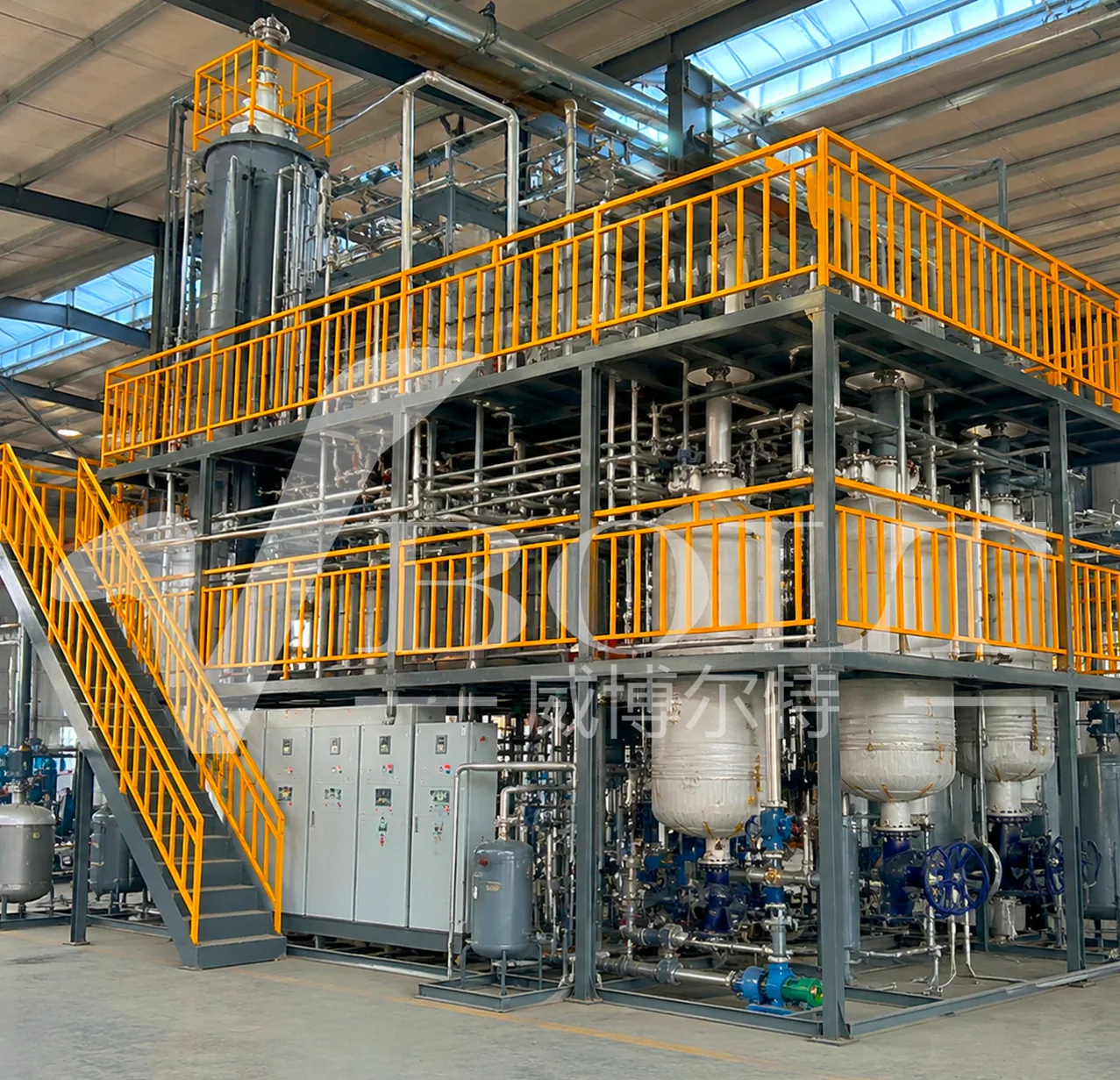
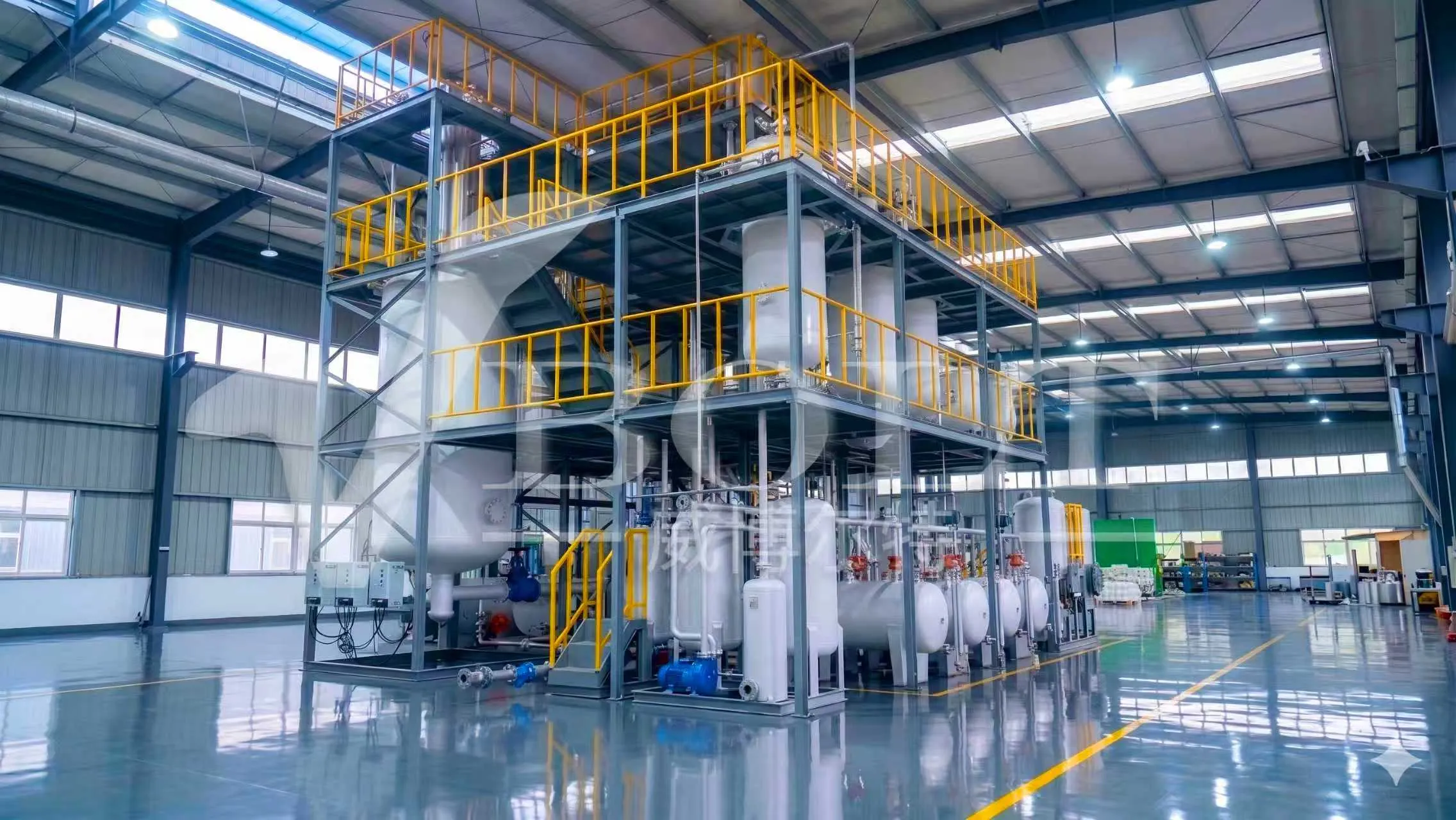
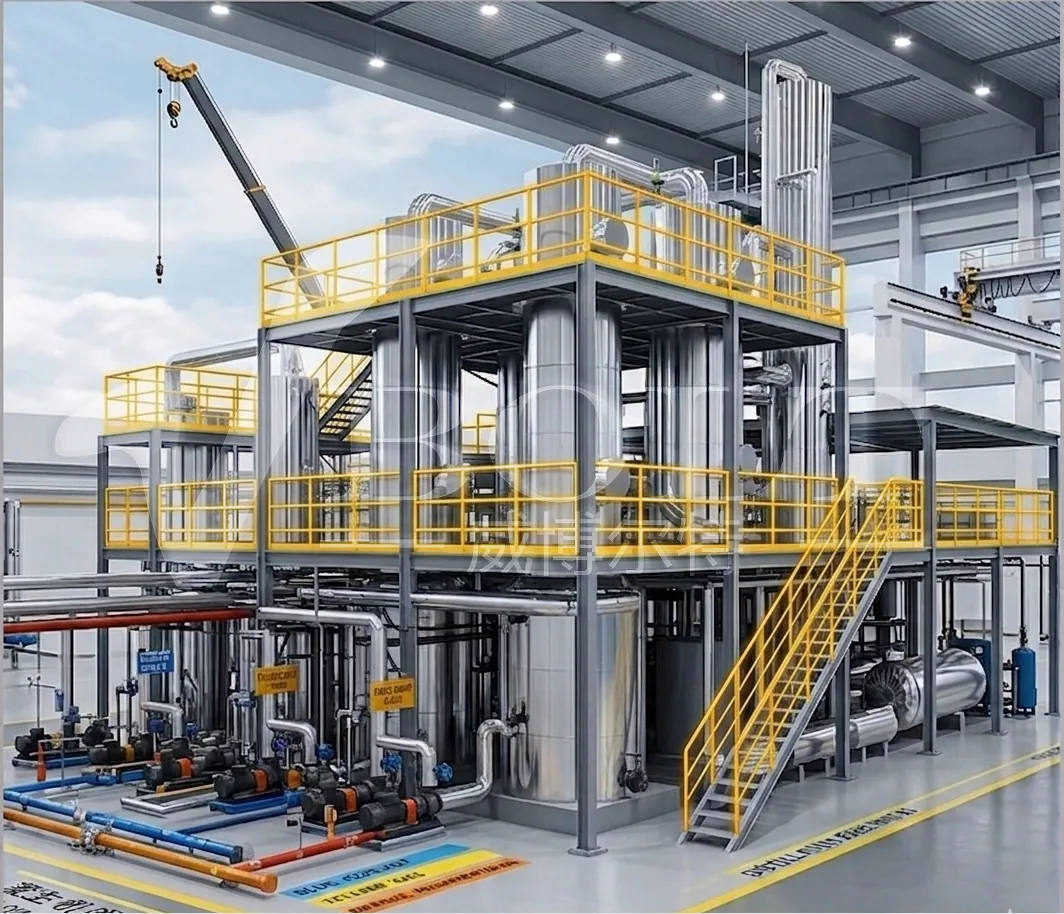
A complete waste engine oil re-refining plant may include:
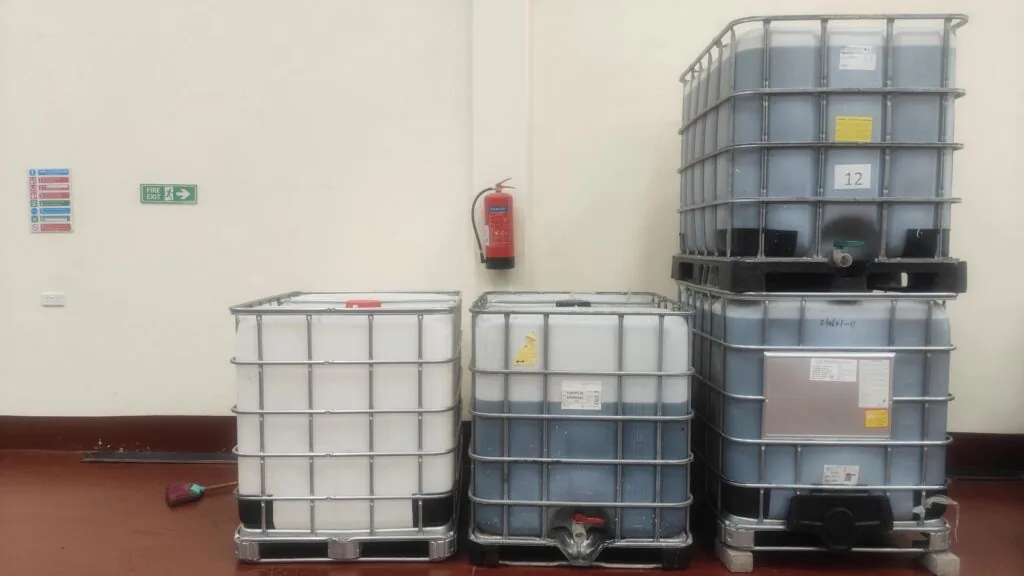
- Feedstock sampling and raw oil storage system
- Screening, settling and pretreatment equipment
- Dehydration and light-ends removal unit
- Vacuum distillation or evaporation section
- Heating and heat-recovery system
- Fractionation and condensation system
- Oil-water separation and condensate collection
- Vacuum generation system
- Base oil filtration or polishing unit
- Dedicated base oil product tanks
- Process-gas and emissions-control equipment
- PLC, electrical control and safety instrumentation
- Heavy-residue discharge and contained storage system
Optional Configuration Solutions
Optional modules are selected only when justified by the feedstock and target specification:
- Continuous feed and automatic level control
- PLC and remote operating-data monitoring
- Thin-film or wiped-film evaporation section
- NMP solvent extraction with solvent recovery
- Final filtration or polishing system
- Closed condensate and light-oil collection
- Heat-recovery and feed preheating package
- Additional online temperature, pressure and flow instruments
- Automatic residue discharge
- Skid-mounted or modular equipment arrangement
Plant layout, hazardous-area classification, solvent management, wastewater handling and emissions control must be adapted to the local permit and site standard.
Base Oil Applications
After laboratory release and correct additive blending, re-refined base oil may be used as a component in:
- Industrial lubricating oils
- Hydraulic fluid formulations
- Gear oil formulations
- Compressor and circulating oils
- General machinery lubricants
- Automotive lubricant formulations that pass the required performance tests
- Further base oil upgrading
- Contract blending for approved industrial grades
- Closed-loop lubricant recovery programs
- Base oil distribution against a documented specification
Base oil alone is not a finished lubricant. The blender is responsible for additive selection, finished-oil testing, labeling and compliance with the intended equipment or industry standard.
Why Choose VBOLT
Feedstock-Based Process Selection
VBOLT reviews the used oil type, laboratory data and target base oil before recommending distillation and finishing equipment.
Customized Engineering Scope
Equipment configuration is developed around capacity, utilities, local regulations, site conditions and the buyer's approved project boundary.
Project Technical Support
The available service scope can include:
- Process flow and material-balance proposal
- Equipment manufacturing and inspection documentation
- Installation guidance
- Operator and maintenance training
- Commissioning support
- After-sales technical support
Export Project Coordination
VBOLT can coordinate equipment documents, packing, shipment and remote or on-site technical support according to the agreed contract scope.
Documented Quality Requirements
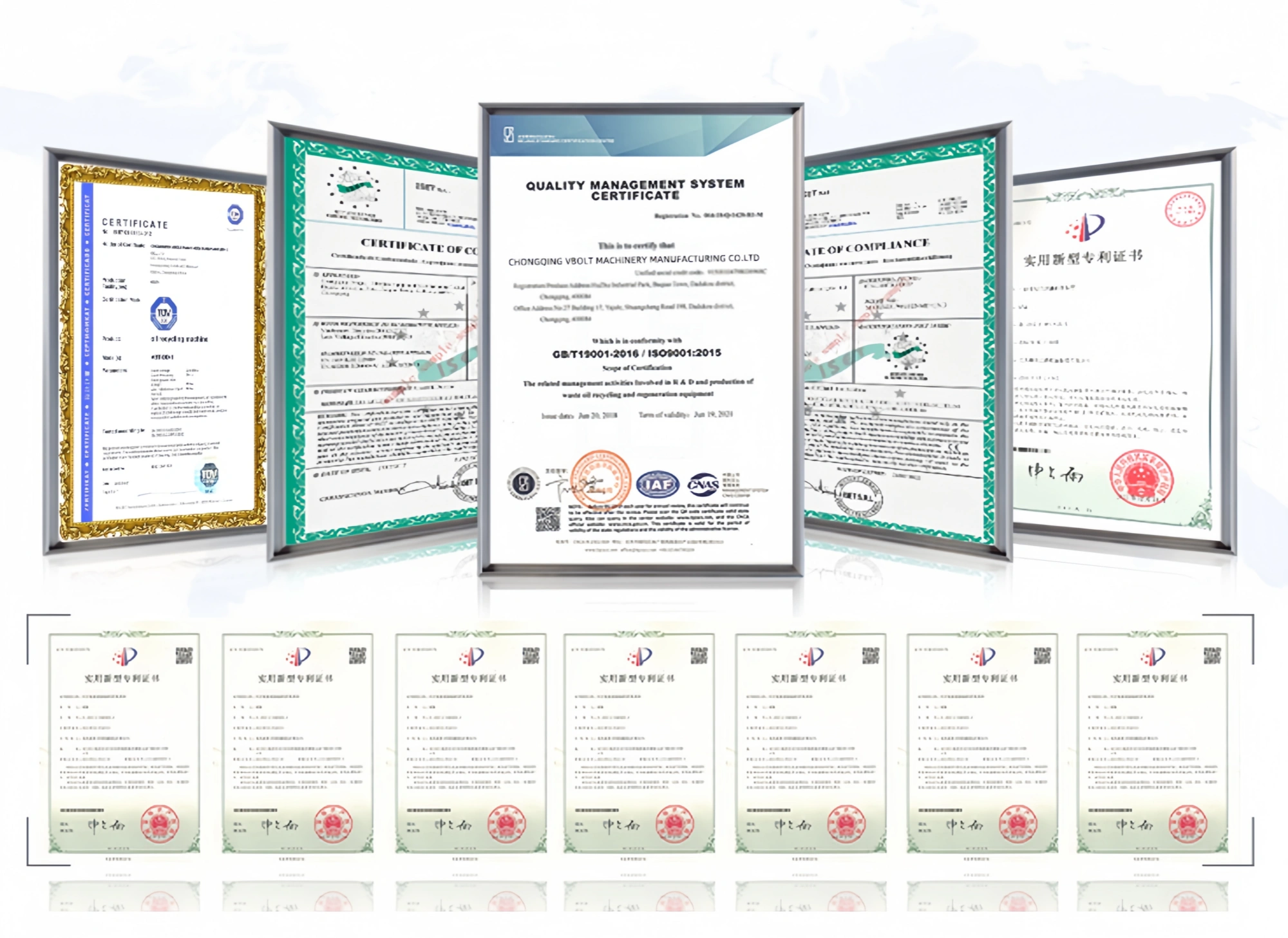
Key materials, instruments, acceptance criteria and required test records can be defined before manufacturing and commissioning.
Request a Project Proposal
For a relevant process proposal and quotation, please provide:
- Feedstock type, source and recent laboratory report
- Available daily and annual used oil volume
- Required base oil grades or buyer specification
- Site voltage, fuel, water, cooling and compressed-air conditions
- Preferred operating hours and automation level
- Local emissions, wastewater, residue and fire-safety requirements
VBOLT's technical team can prepare:
- Recommended process route
- Preliminary equipment list
- Utility and site input requirements
- Layout and installation proposal
- Commercial scope and delivery schedule
- Detailed quotation
Contact VBOLT to discuss a waste engine oil re-refining and base oil recovery project.