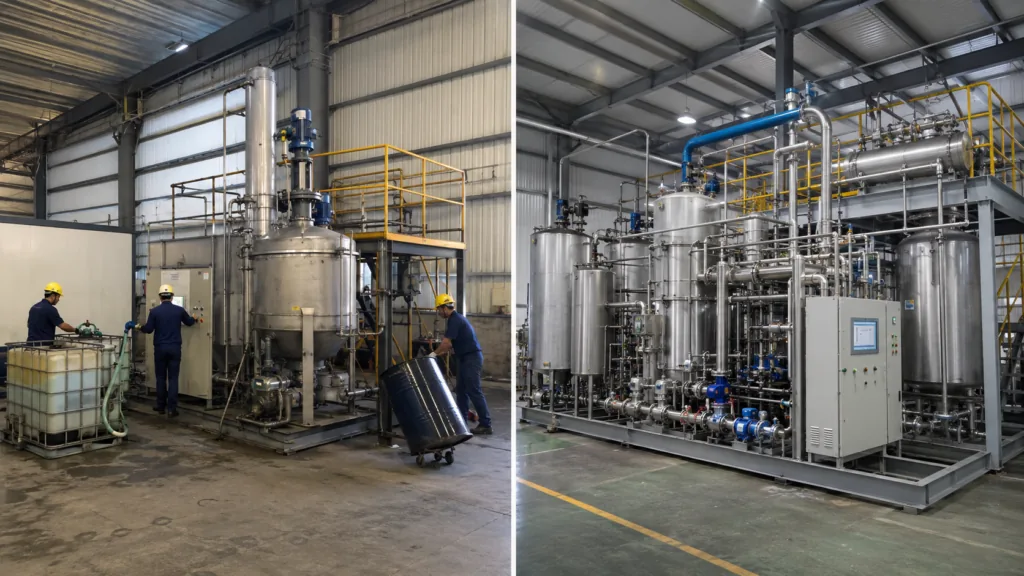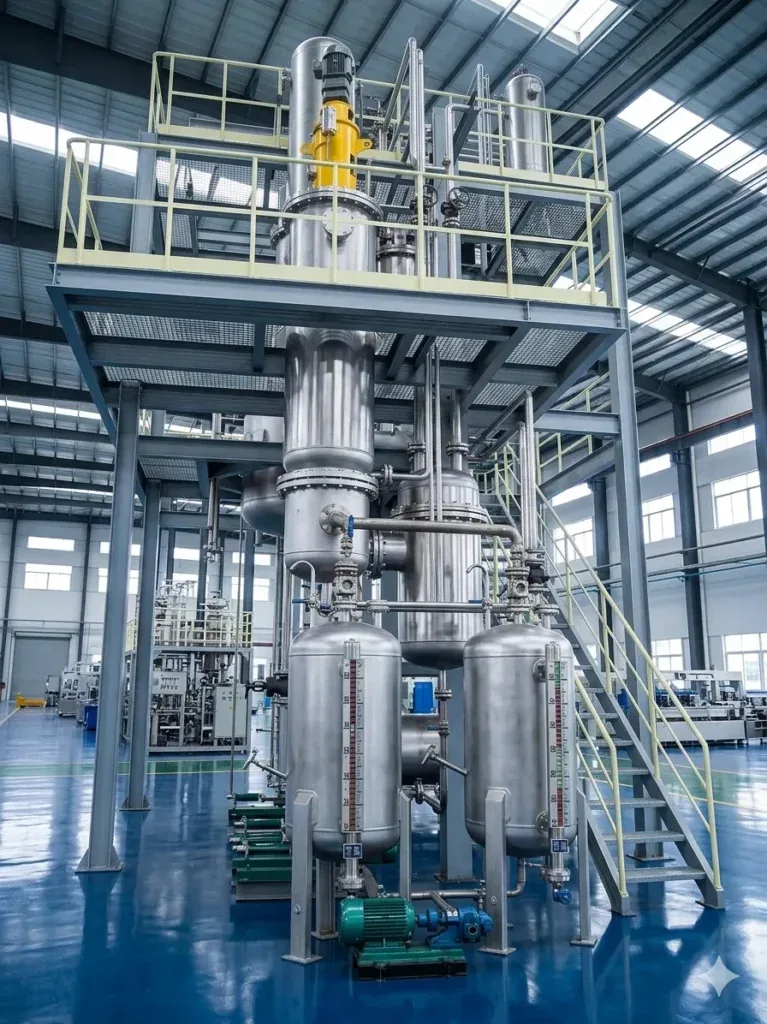






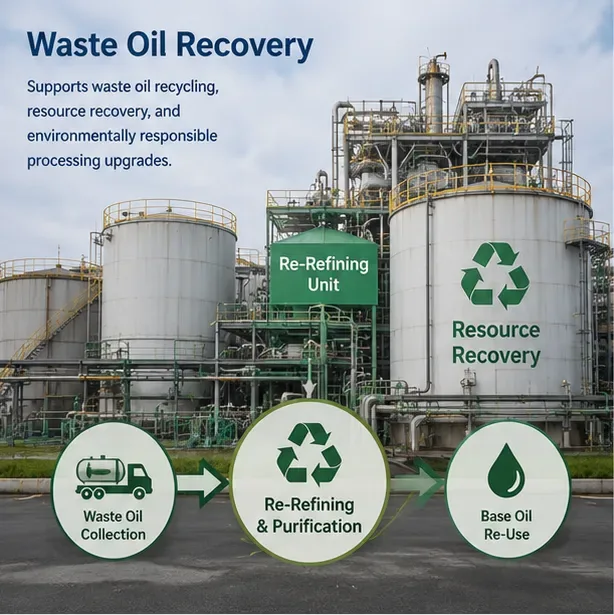
Before selecting a used oil re-refining system, the first question is not only "which machine should we buy?" but also "is our feedstock suitable for the intended recovery route?" Oil condition affects pretreatment requirements, separation design, finishing steps and the equipment configuration required for the project.
For an overview of VBOLT's current processing routes, review our waste oil recycling equipment.
Why Feedstock Evaluation Comes Before Equipment Selection
Used lubricating oil is not a uniform raw material. Two batches both described as "waste engine oil" can differ significantly in water, solids, fuel contamination, viscosity and previous service conditions.
Those differences matter. A line configured around relatively stable used lubricating oil may need additional dehydration, solids removal or light-fraction separation when the incoming feed changes. For a base oil project, inconsistent or chemically contaminated feedstock can also make product control more difficult.
Testing cannot guarantee a particular finished-oil specification. What it can do is establish a more realistic design basis before equipment is selected.
For projects based mainly on collected motor oil, VBOLT also provides a dedicated Waste Engine Oil Re-Refining Plant for base oil recovery applications.
Key Tests That Affect Re-Refining Feasibility
The most useful tests are the ones that change a process decision. For preliminary equipment selection, the following feedstock properties deserve particular attention.
Water Content
Water adds unnecessary heating duty and can make thermal processing less stable if it reaches the main distillation stage in excessive amounts.
Free water may be reduced through settling or other separation methods, while stable emulsions can require more intensive dehydration. The actual water condition therefore affects both pretreatment design and the load placed on downstream equipment.
Sediment and Solid Particles
Used oil can carry wear debris, sludge, dust and oxidation-related solids. High solids loading can foul heat-transfer surfaces, shorten filter service life and increase cleaning requirements.
Depending on the feed, pretreatment may involve settling, coarse filtration, sludge removal or multiple filtration stages before the oil reaches the main re-refining system.
Viscosity
Viscosity gives useful clues about how the oil has changed in service. A large reduction may indicate fuel dilution or mixing with lighter oil streams, while unusually high viscosity can be associated with oxidation or contamination by heavier materials.
Viscosity also affects pumping, heating and fluid handling, so it should be considered when the feed system and pretreatment configuration are selected.
Fuel Dilution
Used engine oil may contain gasoline or diesel-range components introduced during service. Fuel dilution can lower flash point and changes the amount of light material that must be separated from the lubricant fraction.
Where light-fraction content is significant, the process may require an appropriate light-end removal stage before the main base oil separation steps.
Metal Contamination
Iron, copper, lead, aluminum and other wear-related metals can enter used oil during equipment operation. These contaminants are generally associated with solids and heavier residue rather than the desired distilled base oil fractions.
High metal and ash-forming contamination can increase residue loading, filtration demand and equipment cleaning requirements. Metal results should therefore be considered together with solids, sludge and the overall feed profile rather than used alone to decide the processing route.
Depending on the oil source and target product, additional checks such as flash point, acid number, sulfur, halogens, ash or carbon residue may also be useful. The required test package should match the actual project rather than using the same laboratory list for every feedstock.
How Test Results Affect Equipment Configuration
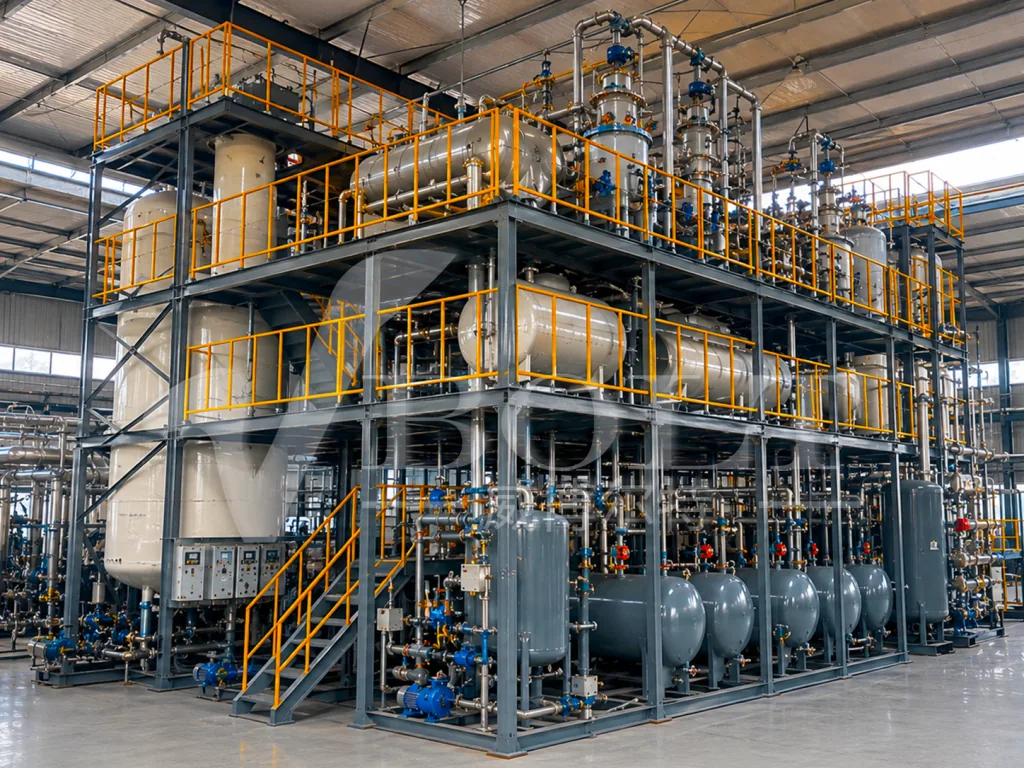
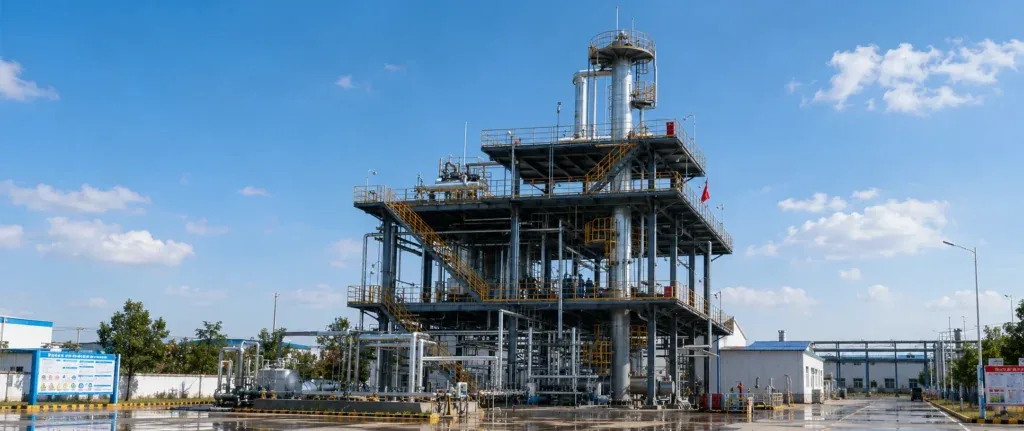
Test results become valuable when they lead to a process decision. They help determine how much pretreatment is needed, which recovery route is realistic and where additional equipment may be required.
| Feedstock Condition | Possible Equipment Direction |
|---|---|
| Relatively consistent used lubricating oil from controlled sources | Evaluate used oil re-refining base oil equipment based on the target base oil specification and feed analysis. |
| Used engine oil with a known source and representative feed data | Evaluate a waste engine oil re-refining plant when the project objective is base oil recovery. |
| Compatible mineral-oil streams with variable composition | Further feedstock evaluation may support waste oil distillation for controlled fuel fractions, depending on contamination and the intended product. |
| High water, sludge or solids loading | Additional dehydration, settling, filtration or sludge removal may be required before the main processing stage. |
| Highly variable feedstock or oil containing unidentified chemical contamination | Further analysis is required before a normal re-refining or fuel-recovery configuration should be selected. |
| Industrial oil mainly affected by water, gas or particles while retaining reuse value | Evaluate a dedicated purification route rather than automatically sending the oil to a conversion process. |
A relatively stable lubricant feed may need a much simpler pretreatment train than oil containing large amounts of water, sludge and light hydrocarbons. This difference can change the equipment scope, utility demand, maintenance requirements and overall project investment.
Feedstock Evaluation Before Final Equipment Design
Feedstock quality affects more than the choice between one machine and another. It helps define the pretreatment depth, separation route, finishing requirements and operating conditions for the complete system.
For this reason, VBOLT uses feedstock information as part of the equipment-selection process rather than treating every material described as "used oil" as the same raw material.
When Another Processing Route May Be More Suitable
Base oil re-refining is not automatically the best destination for every collected oil. In some cases, test results and the intended market may point to another processing route.
Diesel-Type Fuel Recovery
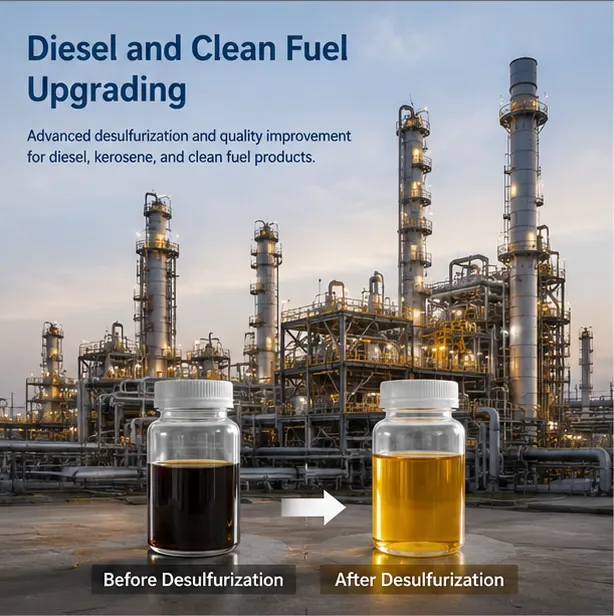
When a lubricant-based feed is too variable for the intended base oil project, a fuel-fraction recovery route may be evaluated instead. This does not mean that contaminated oil can simply be fed into a distillation plant without control; water, solids, chemicals and other contaminants still need to be understood before the process is configured.
For suitable used lubricating, hydraulic, gear and transmission oils, see VBOLT's Waste Lubricating Oil to Diesel Plant.
For more variable but evaluated waste-oil streams, the Waste Oil to Diesel Distillation Plant provides another project-specific distillation route.
Oil Purification
Some industrial oils do not need to be converted into base oil or fuel fractions. If the oil still has useful service properties and the main issues are moisture, dissolved gas or particles, a dedicated purification process may be more appropriate.
These applications should be evaluated separately because the objective is to restore usable oil condition rather than recover a different product.
When Re-Refining Is Not Recommended
Oil containing unidentified solvents, coolant, corrosive liquids or unrelated industrial chemical waste should not automatically be treated as normal used lubricating oil.
Such feedstocks require separate analysis and, where applicable, regulatory review before any re-refining or fuel-recovery equipment is selected. In some cases, a conventional VBOLT recycling route may not be appropriate.
Not Sure Whether Your Used Oil Is Suitable for Re-Refining?
Send VBOLT your oil type, source, available volume and any existing test data. We will review the feedstock information and evaluate whether base oil re-refining or another processing route should be considered.
What VBOLT Needs Before Recommending Equipment
A useful equipment proposal needs more than a request for a "used oil re-refining machine price." The following information provides a much better starting point:
- Oil type and source — used engine oil, lubricating oil, hydraulic oil, gear oil or another identified industrial oil stream
- Daily or monthly available volume
- Water, sediment and sludge condition
- Known fuel or chemical contamination
- Available test data — such as water, viscosity, density, flash point, metals or other laboratory results
- Target product — re-refined base oil, diesel-type fuel fraction or continued-use purified oil
- Required processing capacity
- Installation country and available utilities
Photos, existing laboratory reports and representative feed information can all help with the preliminary assessment. Final process design should be based on sufficiently representative feedstock data rather than a single unverified oil description.
Request a Re-Refining Feasibility Review
Share your used oil source, available volume, target product and existing test information. VBOLT will review the project basis and recommend a suitable pretreatment and processing direction before the final equipment configuration is prepared.
Frequently Asked Questions
Can all used lubricating oil be re-refined into base oil?
No. Suitability depends on the oil source, contamination, feed consistency and target base oil requirements. Feedstock evaluation helps determine whether re-refining is realistic and what pretreatment or refining steps may be required.
Can I select re-refining equipment without an oil test?
A preliminary discussion is possible without a complete laboratory report, especially when the oil source and operating history are known. Final equipment sizing and process commitments should, however, be based on representative feedstock information and appropriate analysis.
Can VBOLT evaluate my used oil before equipment selection?
Yes. VBOLT can review available feedstock information, photos, existing laboratory reports and representative sample data to support a preliminary process recommendation. If additional sample testing is required for final design, the required scope should be confirmed with the project team.
What if my used oil is not suitable for base oil re-refining?
That does not automatically mean the oil has no recovery option. Depending on the feedstock profile, another distillation or purification route may be considered. Oils containing unidentified or problematic chemical contamination require separate assessment and should not automatically be directed to ordinary fuel-recovery equipment.